

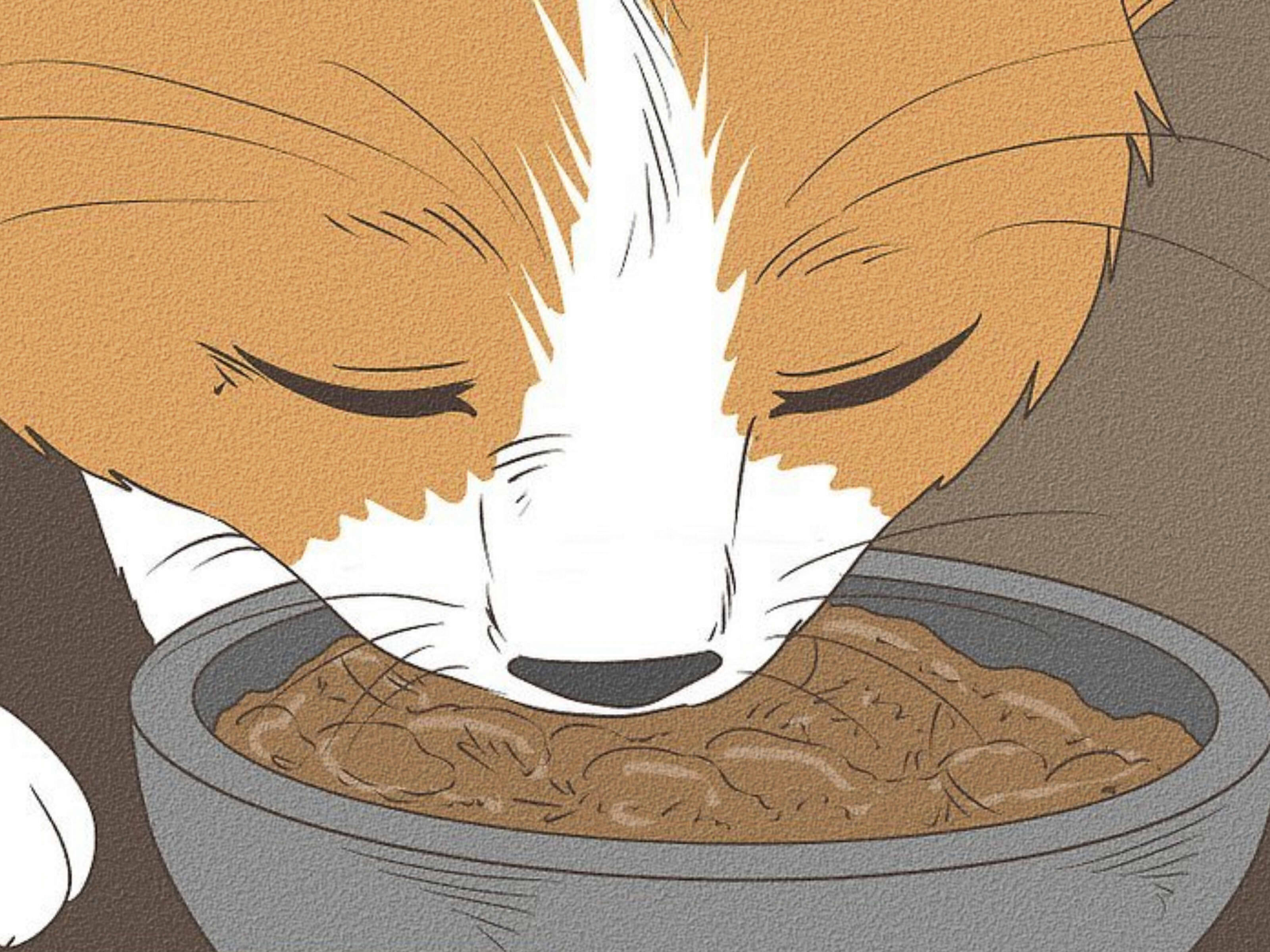
Cats have two special talents: (1) sleeping like they pay rent, and (2) acting totally fine when they are
absolutely not fine. In the wild, showing weakness can be dangerousso modern housecats often keep
illness undercover until the symptoms are harder to ignore. That’s why “my cat is acting a little weird”
is a perfectly valid medical clue, not a sign you’ve become a helicopter pet parent.
This guide walks you through the most common signs of illness in cats, what you can safely do at home,
what you should never do (step away from the human medicine cabinet), and when it’s time to call your vet
or head to an emergency clinic.
Quick Triage: The 60-Second “Should I Worry?” Checklist
If your cat has any of the red flags below, treat it as urgentcall your veterinarian or an emergency vet.
Cats can decline quickly, and some problems (like breathing trouble or urinary blockage) don’t reward the
“let’s wait and see” approach.
Go to an emergency vet now (or call urgently) if you notice:
- Difficulty breathing, open-mouth breathing, or obvious respiratory distress
- Collapse, unresponsiveness, severe weakness, or repeated fainting
- Repeated vomiting or severe diarrheaespecially with blood or fast dehydration
- Straining to urinate, crying in the litter box, frequent tiny attempts, or no urine produced
- Seizures, severe disorientation, or sudden inability to walk normally
- Suspected poisoning (plants, human meds, chemicals, essential oils, etc.)
- Trauma (hit by car, fall, animal bite, major wound)
Call your vet soon (same day if possible) if your cat has:
- Not eaten normally for 24 hours (or a kitten not eating much sooner)
- Marked lethargy, hiding, or “not acting like themselves”
- New pain (hunched posture, reluctance to jump, growling when touched)
- Persistent coughing/sneezing or eye/nose discharge
- Sudden weight loss, increased thirst, or increased urination
- Bad breath plus drooling or difficulty eating
Common Symptoms of Feline Illness (What They Can Mean)
Symptoms are your cat’s way of sending a help ticket. The tricky part is that the same symptom can have
multiple causessome minor, some serious. Your job isn’t to diagnose your cat from the internet; it’s to
recognize patterns, track changes, and know when professional care is needed.
1) Appetite changes: “Not eating” is a bigger deal in cats
A cat who skips meals isn’t just being dramatic (though that’s always on the table). Cats that don’t eat
can be at risk for serious complications, including fatty liver disease. If your cat isn’t eating normally
for about a day, call your vetespecially if they also seem tired, nauseated, or painful.
- Eating less: nausea, dental pain, fever, kidney disease, GI issues, stress
- Eating more: hyperthyroidism, diabetes, intestinal parasites, some medications
- Drinking more: kidney disease, diabetes, hyperthyroidism
2) Lethargy and hiding: the “quiet quitting” of cat illness
Many sick cats don’t announce their symptomsthey withdraw. You might notice longer naps,
less interest in play, hiding in unusual places, or reduced social behavior. Subtle changes count:
if your cat normally supervises your bathroom trips and suddenly becomes a ghost, take that seriously.
3) Vomiting and diarrhea: frequency, “extras,” and timing matter
Occasional vomiting can happen, but repeated vomiting, vomiting with lethargy, vomiting with blood,
or vomiting paired with diarrhea should trigger a vet call. A helpful rule: if your cat is vomiting
multiple times in a short period, can’t keep water down, or looks dehydrated, don’t wait it out.
- Vomiting: hairballs, diet change, inflammation, parasites, toxins, kidney disease, pancreatitis
- Diarrhea: dietary upset, stress, parasites, infection, inflammatory bowel disease
- Red flags: blood, black/tarry stool, severe weakness, abdominal pain, dehydration
4) Respiratory signs: sneezing is common, breathing distress is not
Upper respiratory infections can cause sneezing, watery eyes, and nasal dischargeespecially in multi-cat
households or shelters. But labored breathing, open-mouth breathing, or a cat that can’t
settle comfortably can be an emergency. Cats don’t pant like dogs for fun.
- Common: sneezing, mild congestion, watery eyes, mild cough
- Urgent: rapid/labored breathing, blue or very pale gums, open-mouth breathing
5) Litter box changes: your cat’s “health report” in clumping form
Litter box changes are some of the most valuable clues you’ll ever get. More trips, accidents, straining,
blood in urine, or crying while urinating can signal urinary tract disease, bladder inflammation, stones,
or a blockage. A blockage (especially in male cats) can become life-threatening quicklythis is a
“go now” situation, not a “call tomorrow” situation.
6) Coat, skin, and grooming changes: the “I don’t feel good” look
A normally tidy cat who suddenly looks unkempt, greasy, or matted may be ill, painful, or elderly with
arthritis (grooming hurts). Over-grooming can also signal stress, allergies, fleas, or skin discomfort.
7) Mouth issues: drooling, bad breath, and pawing at the face
Bad breath isn’t just awkwardit can indicate dental disease, oral inflammation, infection, or mouth pain.
You might also see drooling, dropping food, chewing on one side, or avoiding dry kibble. Mouth pain can
make a cat stop eating, which then becomes a second problem.
8) Fever and “hot cat” confusion
Cats can run warm, and they also like to nap in sunbeams like tiny solar panels. A true fever typically
means infection, inflammation, or another systemic issue. Don’t guess by touching ears. If your cat seems
weak, shivery, or unusually tired, call your vetespecially if appetite is down or breathing is fast.
9) Pain signals: the quiet language of discomfort
Cats often show pain through behavior rather than obvious crying. Watch for a hunched posture, tucked
belly, reluctance to jump, stiffness, hiding, irritability, or not wanting to be touched. Pain is not a
“wait it out” symptompain usually has a cause worth treating.
How to Care for a Sick Cat at Home (Safely)
Home care is about comfort, monitoring, and preventing dehydration or starvationnot about DIY veterinary
medicine. If your vet has evaluated your cat and said home care is appropriate, here’s how to do it well.
Create a “recovery room”
- Quiet, warm, low-stress space with a bed, water, and litter box nearby
- Keep things predictable: same routine, less noise, fewer visitors
- Separate from other pets if you’re unsure about contagious illness or if your cat wants solitude
Encourage hydration (because dehydration makes everything worse)
Dehydration can sneak up when a cat isn’t eating or is losing fluids through vomiting/diarrhea. Offer:
- Fresh water in multiple spots (some cats prefer wide bowls)
- Wet food (adds moisture)
- Broth made for pets (no onion/garlic, no heavy salt)
- Water fountains (for cats who like “moving water”)
At-home checks like gum moisture can hint at dehydration, but they don’t replace a vet exam. If your cat
seems weak, has dry/tacky gums, sunken-looking eyes, or isn’t urinating much, call your vet.
Help your cat eat (without starting a wrestling match)
Appetite often drops with nausea, pain, congestion, or fever. Your goal is to make food easy and appealing:
- Offer small, frequent meals instead of one big portion
- Warm the food slightly to boost smell (think “cat microwave cuisine,” not “lava”)
- Try highly palatable options your vet approves (some cats prefer pate texture)
- Hand-feed gently if your cat tolerates it
If your cat refuses food completely, don’t force-feed without veterinary guidance. Cats can aspirate
(inhale food), and refusal can signal pain, nausea, obstruction, or other serious issues that need treatment.
Medication: only what your vet prescribed
This is the part where we all take a deep breath and do not give our cat “just a little” human
medication. Many human drugs are toxic to cats, and dosing is not a “guess the vibe” activity.
- Never give acetaminophen (it can be fatal to cats)
- Be extremely cautious with NSAIDs like ibuprofen/naproxen (harmful to pets)
- If your cat spits pills like a professional magician, ask your vet about flavored liquids or alternative forms
Monitor like a detective (but keep it simple)
You’ll help your vet more by tracking a few practical details than by writing a 12-page novel titled
“My Cat Looked at the Wall Weirdly on Tuesday.”
- Food intake: what and how much
- Water intake: roughly more/less than usual
- Vomiting/diarrhea: frequency, presence of blood, timing
- Urination: normal amount? straining? accidents?
- Energy level: improving, stable, or worse
What Not to Do (The “Please Don’t” Hall of Fame)
Don’t wait too long if your cat isn’t eating
Cats can run into serious trouble when they stop eating. If appetite is significantly reduced for about
24 hours (or sooner in kittens or frail seniors), call your veterinarian.
Don’t give human meds or “leftover” pet meds
Even well-meaning choices can be dangerous. Doses, formulations, and safety vary wildly across species.
If pain seems likely, call your vet for safe options.
Don’t ignore potential toxins
Cats can be poisoned by plants, cleaners, pest products, essential oils, and human medications. Lilies are
a classic and serious example: some lily species can cause severe kidney injury in cats. If you suspect
exposure or ingestion, contact your veterinarian or a pet poison hotline immediately.
When to Call the Vet vs. When to Watch at Home
Here’s a practical way to decide: if your cat is getting worse, not stable, or showing
red-flag symptoms, call. If your cat has a mild issue but is eating, drinking, urinating, and acting
mostly normal, you may be able to monitor brieflywith a low threshold to contact your vet.
Watch briefly (and call if it doesn’t improve) when:
- A single mild vomit episode but normal behavior afterward
- Mild sneezing with normal breathing and appetite
- Minor changes after a known stressor (travel, guests), improving within 24–48 hours
Call same day or urgently when:
- No normal eating for 24 hours, or repeated vomiting
- Diarrhea lasting more than a day with lethargy or poor appetite
- Any breathing changes that look like effort (belly heaving, neck extended, open mouth)
- Straining or inability to urinate
- Sudden major behavior change (extreme hiding, confusion, aggression, collapse)
How to Prepare for a Vet Visit (So You Leave with Answers)
Vets are medical detectives, and you’re the witness. A few details can speed up diagnosis and treatment:
- When symptoms started and whether they’re improving or worsening
- Any new foods, treats, plants, cleaners, or medications in the home
- Vomiting/diarrhea frequency and what it looks like (photos can help)
- Changes in drinking, urination, weight, or litter box behavior
- Any known chronic conditions (kidney disease, diabetes, hyperthyroidism)
Prevention: Keeping Cats Healthier (and Catching Problems Early)
- Annual or twice-yearly vet visits, especially for seniors
- Dental care: oral pain can quietly wreck appetite and quality of life
- Parasite prevention appropriate for your region and lifestyle
- Stable routines and stress reduction in multi-cat homes
- Safe home setup: store meds, remove toxic plants, avoid unsafe essential oil use
Conclusion: Your Cat Doesn’t Need PerfectThey Need Attentive
Caring for a sick cat is part nursing, part detective work, and part learning the art of “helpful but not
annoying.” The big wins are simple: notice changes early, keep your cat comfortable, protect them from
dehydration and toxins, and involve your veterinarian promptly when symptoms cross into urgent territory.
When in doubt, callcats are famously good at hiding illness, and you’re not “overreacting” for taking
subtle changes seriously.
Owner Experiences (Real-World Moments You’ll Probably Recognize)
If you’ve ever typed “cat not eating but acting normal” into a search bar at midnight, welcome to a very
large club. One of the most common owner experiences is the slow-burn weirdness: your cat
isn’t obviously sick, but something is off. Maybe they’re skipping breakfast (unforgivable, in their
usual worldview). Maybe they’re loafing in a new hiding spot and giving you the “please don’t talk to me”
eyes. This is often how feline illness shows up in real lifesubtle, easy to second-guess, and hard to
explain in a single sentence.
A classic scenario: your cat approaches the bowl, sniffs, and walks away like the food personally
disappointed them. You try the usual upgrades: fresh portion, different dish, dramatic presentation.
Sometimes it works. Sometimes the cat just stares at you as if you suggested eating cardboard. Owners
often find that warming wet food slightly makes a big difference, especially if congestion
is involvedbecause smell drives appetite. Another common trick is offering tiny portions more often,
which feels less overwhelming to a nauseated stomach.
Another very real experience is the litter box mystery. You clean the box and notice
smaller clumps than usual, or your cat keeps visiting the box without much output. Owners sometimes assume
it’s constipation or a mood issueuntil they see straining or vocalizing. This is one of those moments
where acting quickly matters. People who’ve been through urinary issues with a cat often describe it as
“it went from mild to scary fast,” which is why vets take urinary straining seriously.
Then there’s the “I think they’re dehydrated… but how can I tell?” moment. Owners commonly check gum
moisture (gently!) and watch for signs like low energy or reduced urination. In practice, the most useful
experience-based tip is this: if your cat is vomiting, has diarrhea, or isn’t eating, assume
hydration is at risk and start offering more water sources and wet food while you contact your vet.
Many owners also learnusually the hard waythat cats can be picky about water. A fountain, a wide bowl,
or a second water station in a quieter spot can unexpectedly help.
Sick-cat care also comes with the emotional experience of “Am I bothering the vet?”
Here’s the truth: vets would rather you call early with a clear description than wait until your cat is
in trouble. Owners who’ve had cats with chronic issues (like IBD, kidney disease, or recurring respiratory
flare-ups) often get better outcomes once they start tracking symptoms in a simple way: appetite scale
(normal/less/none), energy (normal/low), bathroom output (normal/less/straining), and any vomiting/diarrhea
count. This transforms a stressful “something is wrong” feeling into concrete information your vet can use.
Finally, there’s the experience of realizing your cat isn’t being “difficult”they’re being a cat. They
may hide because they feel vulnerable. They may refuse food because their mouth hurts or they feel nauseated.
They may cling to you because they’re uncomfortable. When owners shift from “my cat is acting weird” to
“my cat is communicating,” caregiving becomes calmer and more effective. The goal isn’t to turn your home
into a mini hospital; it’s to provide comfort, prevent things from getting worse, and get professional help
at the right time. And yes, sometimes that means canceling your plans because your cat looks at you like a
tiny, furry Victorian patient. It happens to the best of us.