

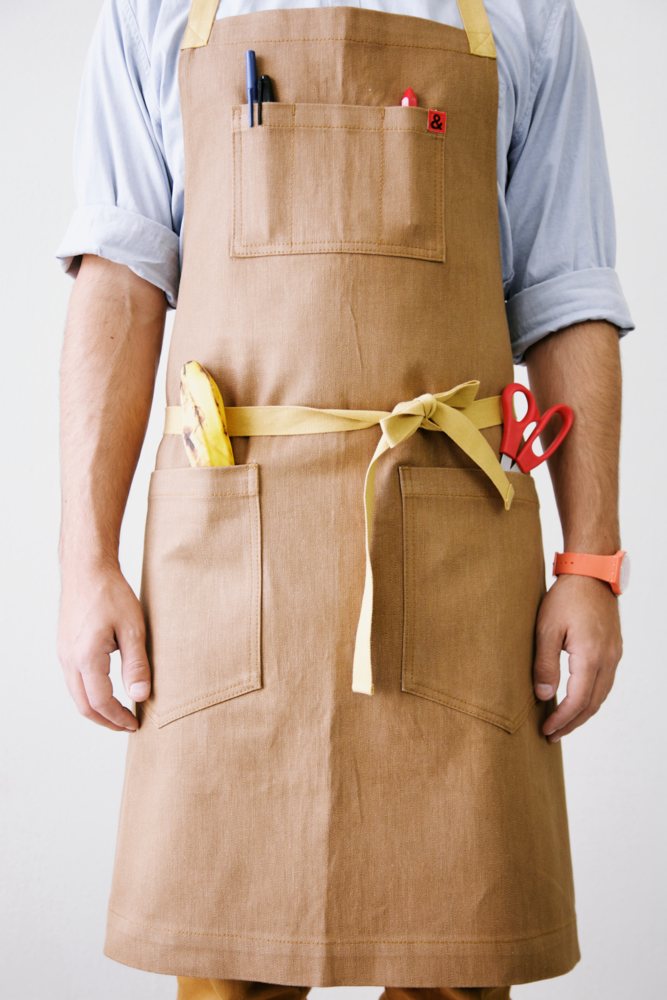
If a plain black apron is the little black dress of the kitchen, then a chestnut Japanese brown denim apron is its cooler, artsier cousin who makes excellent pour-over coffee and somehow never loses a pen. It is practical, stylish, quietly hardworking, and a lot more interesting than the sad, flimsy apron hiding in the back of your drawer like a guilty secret.
This apron style blends two ideas people genuinely love: the rugged durability of denim and the relaxed comfort of Japanese-inspired apron design. The result is a piece that does more than keep tomato sauce off your shirt. It changes how you move, how you work, and even how you feel in your space. Whether you cook, bake, garden, paint, throw pottery, or just like looking like a competent adult while making grilled cheese, this apron earns its place.
In this guide, we will break down what makes a chestnut Japanese brown denim apron special, why the color works so well, what details matter most, how to style it, how to care for it, and what kind of real-life experience you can expect once it becomes part of your everyday routine.
What Is a Chestnut Japanese Brown Denim Apron?
At its core, this is a denim apron in a warm brown tone, usually somewhere between chestnut, cocoa, tobacco, and soft espresso. Unlike bright utility aprons that scream “I am about to host a barbecue,” chestnut brown denim feels quieter and more refined. It has the toughness of workwear but the visual softness of home goods you actually want to leave hanging in plain sight.
The “Japanese” part usually points to the silhouette rather than the fabric origin. In most cases, it refers to a cross-back or pinafore-inspired shape that slips on easily and avoids the classic neck strap situation. That matters more than it sounds. Traditional neck-loop aprons can start feeling like a small personal betrayal after a long cooking or crafting session. Japanese-inspired cross-back designs distribute weight more comfortably, offer generous coverage, and often feel more natural during movement.
Add brown denim to that shape and you get an apron that sits at the sweet spot between functional uniform and lifestyle piece. It does not look overly precious, but it also does not look like something borrowed from a high school shop class in 1998.
Why Chestnut Brown Denim Works So Well
A Color That Feels Warm Without Looking Fragile
Chestnut brown has range. It hides minor stains better than lighter colors, feels softer than black, and looks more distinctive than standard navy denim. It brings warmth to a kitchen, studio, or café setup without demanding attention. It is earthy, grounded, and flattering on a wide range of outfits, which is useful because an apron should not make you look like you lost a bet.
This shade also works beautifully with natural materials. Wood counters, ceramic bowls, brass hardware, linen napkins, leather straps, matte black utensils, and cream-colored dish towels all pair effortlessly with chestnut brown. That makes the apron especially appealing for people who care about aesthetics but still need something tough enough for daily use.
Denim Gives the Apron Character
Denim is popular for aprons for good reason. It is durable, structured, breathable, and built to age with personality. A good brown denim apron develops softness over time without becoming limp. It keeps enough body to feel protective, but it gradually molds to the wearer in that satisfying workwear way people love about great jeans.
That texture is part of the appeal. Smooth synthetic aprons can feel practical but forgettable. Denim looks lived in. It creases, fades gently, and becomes more individual with wear. In chestnut brown, that aging process can be especially attractive because the fabric often develops subtle highs and lows in tone, giving the apron a broken-in richness instead of a tired look.
Design Details That Separate a Great Apron From a Costume Prop
Cross-Back Straps
The best Japanese-style aprons often use cross-back straps because they reduce neck strain and make the apron easier to slip on and off. That matters for long prep sessions, pottery work, floral arranging, barista shifts, or any task where you are moving constantly. Comfort is not a bonus here. It is the whole point.
Useful Pockets, Not Pocket Theater
A good apron pocket should hold something real: a thermometer, tasting spoon, phone, pruning shears, pencil, order pad, or dish towel. One chest pocket and two roomy lower pockets usually hit the sweet spot. Too many pockets can turn an apron into wearable furniture. Too few and you are back to balancing tools on random countertops like a raccoon with a schedule.
Strong Stitching and Solid Hardware
Denim is only as good as the construction holding it together. Reinforced stitching, durable ties, and quality hardware matter because aprons live rough lives. They get tugged, twisted, washed, splashed, and yanked off in moments of culinary panic. If the seams fail, the aesthetic charm disappears very quickly.
Coverage That Moves With You
The right apron should protect your clothes without making you feel wrapped in a campsite tarp. Japanese-inspired aprons tend to offer excellent side coverage and a relaxed fit, which makes them useful for home cooks and makers who bend, reach, kneel, carry, and pivot all day. Good coverage is not glamorous, but neither is getting olive oil on your favorite shirt.
Where This Apron Shines
In the Kitchen
This is the obvious home base. A chestnut Japanese brown denim apron is ideal for cooking, baking, fermenting, grilling, and messy weekend projects that begin with “I saw this online and it looked easy.” Denim stands up well to flour dust, splatters, heat-adjacent work, and endless hand wiping. The brown tone keeps the apron looking handsome even after real use.
In Coffee and Service Spaces
Chestnut brown denim feels right at home in cafés, bakeries, wine bars, and small hospitality settings. It reads as professional without feeling corporate. The color gives off warmth, while denim communicates durability and confidence. It can also bridge the gap between front-of-house polish and back-of-house practicality.
In Studios and Workshops
This apron also makes sense for potters, florists, woodworkers, illustrators, and gardeners. Cross-back silhouettes are particularly useful when you need freedom of movement, and denim provides enough protection for dust, dirt, clay, and light tool use. It looks like workwear because, frankly, it is workwear. Just with better posture and nicer lighting.
How to Style a Chestnut Japanese Brown Denim Apron
The beauty of this apron is that it styles itself. Put it over a white oxford shirt and dark jeans and you look clean, sharp, and mildly overqualified for making pancakes. Wear it over a cream tee, black sweater, striped knit, or linen dress and it still works. That flexibility comes from the color and silhouette doing most of the heavy lifting.
For a classic look, pair it with off-white, navy, charcoal, olive, or faded black. For a softer aesthetic, combine it with oatmeal linen, washed chambray, or pale gray cotton. Footwear can lean practical or polished: clogs, canvas sneakers, boots, or simple leather slip-ons all make sense. The point is not to costume yourself as “rustic person in a beautiful internet kitchen.” The point is to wear something functional that happens to look really good.
How to Care for Brown Denim the Smart Way
One of the reasons denim aprons remain popular is that they are relatively low maintenance, but low maintenance is not the same thing as no maintenance. To keep a chestnut brown denim apron looking rich rather than tired, resist the urge to wash it after every tiny spill. Spot cleaning between full washes helps preserve color and structure.
When it is time for a proper wash, cold water is the safer move. Turn the apron inside out if possible, use a gentle detergent, and skip bleach. Harsh washing can flatten the depth of the brown tone and wear down the fabric faster than necessary. Air drying is typically the friendliest option for denim because it helps protect shape, stitching, and color.
If the apron includes leather details, metal hardware, or specialty finishes, even more caution is wise. Some pieces are fully machine washable, while others benefit from spot cleaning or a gentler routine. Always check the care instructions from the maker before treating the apron like it just survived a mud wrestling tournament.
What to Look For Before You Buy
If you are shopping for a chestnut Japanese brown denim apron, start with fabric quality. You want denim with enough weight to feel substantial but not so stiff that it behaves like cardboard with ambition. One hundred percent cotton is a strong choice for authenticity, breathability, and that soft wear-in effect many people want.
Next, look at the fit. Adjustable cross-back straps, generous body coverage, and pocket placement all matter more than a dramatic product photo. If the apron will be worn for long sessions, comfort should outrank novelty every single time.
Also consider your use case. A home cook may want soft denim, easy washability, and one or two practical pockets. A barista or ceramic artist may prefer reinforced stitching, utility loops, and heavier construction. A gift shopper may care more about color, silhouette, and the kind of apron that makes someone say, “Wow, this is much nicer than the one I bought myself in a panic.” All valid.
Why This Apron Has Staying Power
Trends come and go, but this style sticks because it solves real problems while still looking elevated. It is comfortable. It is useful. It wears beautifully. And it fits into a broader shift toward pieces that feel intentional rather than disposable. People want tools that work hard and age well. A chestnut Japanese brown denim apron does exactly that.
It is not just an accessory. It is a daily uniform for people who make things, cook things, fix things, and occasionally burn things. It adds a little ceremony to ordinary tasks, which sounds dramatic until you realize how much better chopping onions feels when you are dressed like you know what you are doing.
Conclusion
The best chestnut Japanese brown denim apron is not trying to be flashy. It wins by being dependable, comfortable, and good-looking in a quietly confident way. The Japanese-inspired shape keeps it easy to wear, the brown denim keeps it versatile, and the workwear details make it genuinely useful. In other words, it does what a great apron should do: protect your clothes, support your workflow, and make everyday messes feel a little more stylish.
If you want an apron that can move from kitchen to studio to garden without looking out of place, this is one of the smartest options around. It is practical enough for real life, attractive enough to leave hanging out, and durable enough to become one of those rare items you reach for so often it starts to feel like part of your routine. Not bad for a rectangle of fabric with ambition.
Real-Life Experiences With a Chestnut Japanese Brown Denim Apron
What surprises most people when they start wearing a chestnut Japanese brown denim apron regularly is how quickly it becomes less of an “apron” and more of a habit. At first, it feels like something you put on for a task. After a while, it starts to feel like the switch that tells your brain it is time to get things done. You tie it on before kneading bread, before making coffee, before repotting herbs, before glazing ceramics, and suddenly the apron becomes part of the rhythm.
In everyday kitchen use, the experience is usually about comfort and confidence. A cross-back design tends to feel easier over long stretches than a neck-loop apron, especially during meal prep marathons. You can move from chopping vegetables to stirring sauces to unloading the dishwasher without feeling like the apron is tugging on your neck or sliding around. That sounds small until you spend two hours cooking and realize you have not adjusted it once. That is a minor miracle in apron terms.
Another common experience is that brown denim feels more forgiving than people expect. Tiny flour handprints, coffee drips, and the occasional mysterious kitchen smudge do not immediately announce themselves like they would on a pale linen apron. The fabric looks better lived in, which takes some pressure off. You stop treating it like a delicate decorative object and start using it properly. That freedom is part of the charm.
People who use these aprons in creative spaces often mention the same thing: they feel protected without feeling restricted. A potter can lean into the wheel. A florist can carry snips and twine. A gardener can tuck seed packets into a pocket and keep moving. A barista can work a rush without feeling dressed like a historical reenactor. The apron is present, useful, and mostly out of the way. That balance is hard to get right.
There is also the visual side of the experience, and yes, it matters. A chestnut brown denim apron has a warm, grounded look that works in real homes. It looks good hanging on a hook. It looks good thrown over a chair. It even looks good in those accidental moments when guests arrive early and catch you mid-recipe with flour on your hands and zero emotional readiness. Somehow, the apron makes the chaos look intentional.
Over time, the best part may be how personal the apron becomes. The pockets learn what you carry. The denim softens in familiar places. The color gains depth. The whole thing starts to reflect your routines, your workspace, and your very specific style of productive mess. That is why people get oddly attached to a good apron. It is not just about protection. It is about repetition, comfort, and the quiet satisfaction of using something that gets better the more real life you throw at it.