

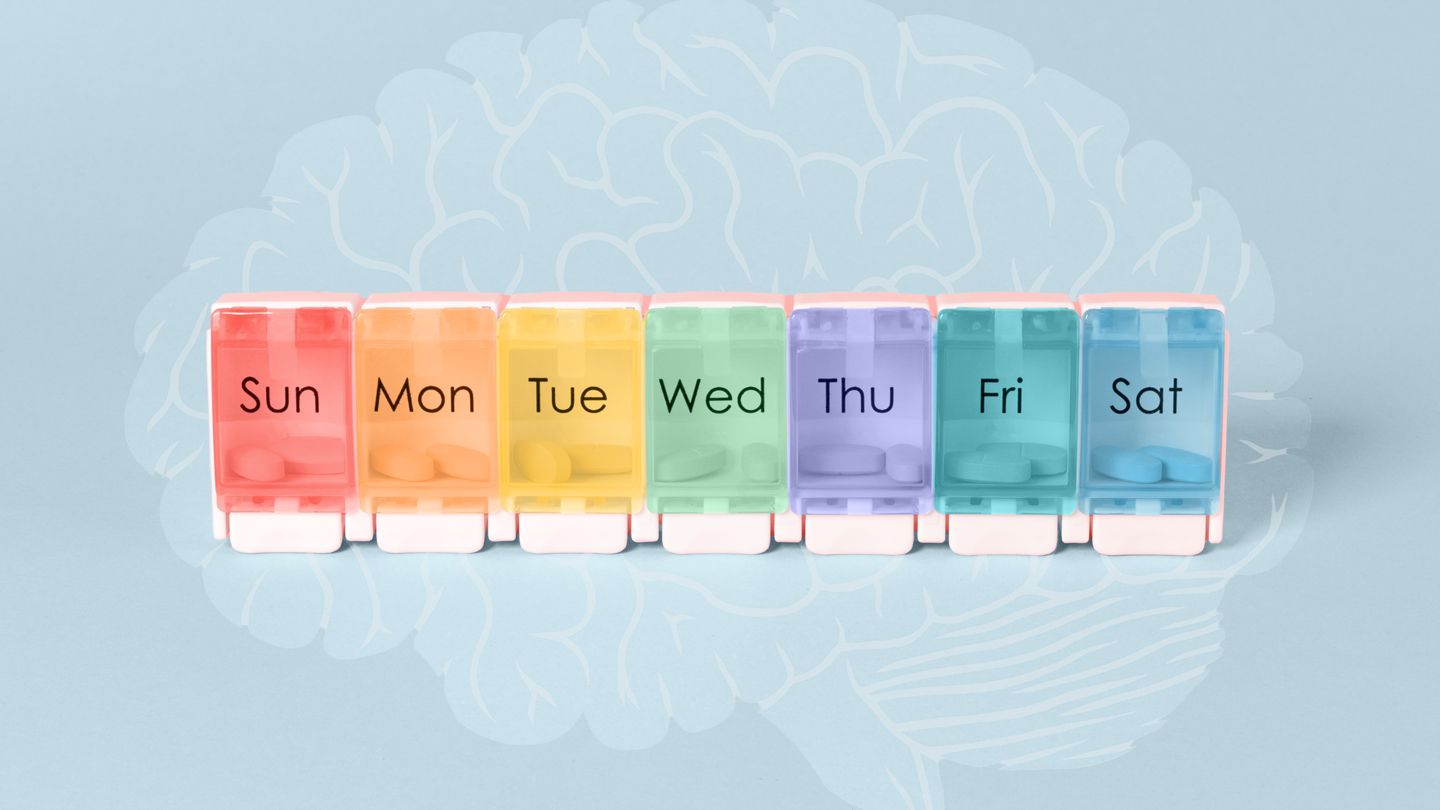
For years, cholesterol has been treated like the grumpy neighbor of the bloodstream: necessary in small amounts, but a real troublemaker when it starts piling up in the wrong places. We know high LDL cholesterol can clog arteries, raise the risk of heart attack and stroke, and make doctors reach for their prescription pads. But now, a growing body of research suggests cholesterol-lowering drugsespecially statinsmay also be connected to a lower risk of Alzheimer’s disease and other forms of dementia.
That does not mean a statin is a magic memory shield. No responsible clinician is handing out cholesterol pills like brain-health candy. But the heart-brain connection is becoming harder to ignore. What protects blood vessels may also protect the brain’s delicate network of oxygen, nutrients, and microscopic “plumbing.” In other words, your brain may care deeply about your cholesterol numbers, even if it has never once asked to see your lab report.
This article breaks down what researchers currently know, what remains uncertain, and why cholesterol-lowering medications may deserve a thoughtful place in conversations about Alzheimer’s risk reduction.
Understanding the Link Between Cholesterol and Alzheimer’s Disease
Alzheimer’s disease is the most common cause of dementia, gradually affecting memory, thinking, language, and daily function. Its biology is complicated, involving amyloid plaques, tau tangles, inflammation, oxidative stress, vascular injury, genetics, aging, and metabolic health. If that sounds like a crowded conference room, that is because Alzheimer’s is not a one-cause, one-cure condition.
Cholesterol enters the conversation because the brain is a cholesterol-rich organ. In fact, cholesterol helps build cell membranes and supports communication between nerve cells. The problem is not cholesterol itself. The problem is unhealthy cholesterol balance, especially high levels of LDL cholesterol in the blood, which can contribute to plaque buildup in arteries.
When blood vessels become stiff, narrowed, or damaged, the brain may receive less consistent blood flow. Over time, vascular injury can contribute to cognitive decline, vascular dementia, and possibly Alzheimer’s-related changes. This is one reason doctors often say, “What is good for the heart is good for the brain.” It is not just a cute slogan for a waiting-room poster; it is a practical summary of decades of cardiovascular and cognitive research.
What Are Cholesterol-Lowering Drugs?
Cholesterol-lowering drugs are medications used to reduce LDL cholesterol, triglycerides, or overall cardiovascular risk. They are most commonly prescribed when lifestyle changes alone are not enough or when a person has a higher risk of heart disease, stroke, or related complications.
Statins
Statins are the best-known cholesterol-lowering medications and the most studied in relation to dementia risk. They work by reducing cholesterol production in the liver and helping the liver remove LDL cholesterol from the blood. Common examples include atorvastatin, rosuvastatin, simvastatin, pravastatin, and lovastatin.
Ezetimibe
Ezetimibe lowers LDL cholesterol by reducing cholesterol absorption in the intestine. It is sometimes used with a statin when LDL levels remain above goal or when a person cannot tolerate a high-intensity statin.
PCSK9 Inhibitors
PCSK9 inhibitors are injectable medications that help the liver clear more LDL cholesterol from the bloodstream. They can produce major LDL reductions and are often used for people with very high cardiovascular risk or inherited cholesterol disorders.
Bempedoic Acid and Other Options
Bempedoic acid is an oral non-statin medication that can help lower LDL cholesterol. Other therapies, such as bile acid sequestrants and newer RNA-based treatments, may also be used in specific situations. However, when it comes to Alzheimer’s and dementia research, statins currently have the largest evidence base.
Do Statins Really Reduce Alzheimer’s Risk?
The honest answer is: they may, but the evidence is not perfectly settled. Many large observational studies and meta-analyses have found that statin users tend to have a lower risk of dementia, Alzheimer’s disease, or vascular dementia compared with nonusers. Some analyses suggest meaningful risk reduction, especially with longer-term statin use.
However, observational research has limits. People who take statins may also be more likely to receive regular medical care, monitor blood pressure, treat diabetes, exercise, or follow other health recommendations. Researchers try to adjust for these factors, but no statistical broom can sweep away every bit of real-world mess.
That is why randomized clinical trials are important. Trials can better test whether statins directly prevent dementia or whether statin users simply differ from nonusers in other protective ways. Large studies such as PREVENTABLE are designed to help answer whether statin therapy in older adults can extend healthy life by preventing dementia, disability, and cardiovascular events.
For now, the most balanced message is this: statins are proven to reduce cardiovascular risk in appropriate patients, and better vascular health may be one pathway to healthier brain aging. The possible Alzheimer’s benefit is promising, but statins should not be started solely as an Alzheimer’s prevention drug without a medical reason related to cholesterol or cardiovascular risk.
How Cholesterol-Lowering Drugs Might Protect the Brain
Researchers have proposed several ways cholesterol-lowering medications could influence brain health. None of these mechanisms acts like a tiny superhero flying through the bloodstream wearing a cape labeled “Anti-Alzheimer’s.” Biology is less dramatic, but much more interesting.
1. Better Blood Flow to the Brain
High LDL cholesterol can contribute to atherosclerosis, a buildup of plaque inside blood vessels. When arteries become narrowed or stiff, blood flow can suffer. The brain depends on steady blood flow to deliver oxygen and nutrients. By lowering LDL cholesterol and reducing cardiovascular risk, cholesterol-lowering drugs may help preserve healthier circulation to the brain.
2. Lower Stroke and Microvascular Injury Risk
Strokes are strongly linked to later cognitive problems. Even small, silent strokes or microvascular injuries may affect memory and thinking over time. Statins reduce the risk of certain cardiovascular events, including ischemic stroke in many higher-risk patients. Reducing vascular injury may indirectly reduce dementia risk, especially vascular dementia.
3. Reduced Inflammation
Inflammation is involved in both heart disease and Alzheimer’s disease. Statins may have anti-inflammatory effects beyond LDL lowering. Lower inflammation could theoretically help reduce damage in blood vessels and brain tissue, although this remains an area of ongoing study.
4. Plaque Stabilization
Statins can help stabilize plaques inside arteries, making them less likely to rupture and cause clots. While this is usually discussed in the context of heart attacks and strokes, plaque stability also matters for brain health because vascular events can accelerate cognitive decline.
5. Possible Effects on Amyloid and Tau Pathways
Some laboratory and clinical research has explored whether cholesterol metabolism affects amyloid-beta and tau, two hallmark proteins involved in Alzheimer’s disease. The results are complex. Cholesterol plays different roles inside the brain than it does in the bloodstream, and blood cholesterol medications do not simply “wash cholesterol out of the brain.” Still, cholesterol-related pathways remain a serious area of Alzheimer’s research.
Midlife Cholesterol May Matter More Than Late-Life Cholesterol
One of the most important lessons from dementia prevention research is timing. High cholesterol in midlife appears to be more consistently associated with later dementia risk than cholesterol measured very late in life. That makes sense because Alzheimer’s disease develops over many years, often decades before symptoms become obvious.
Think of brain health like retirement savings. Starting at 45 is different from panicking at 82 and trying to make up for lost time with a coupon and a motivational quote. Managing cholesterol, blood pressure, blood sugar, sleep, exercise, and smoking risk earlier in adulthood may give the brain a better long-term environment.
This does not mean cholesterol treatment is useless later in life. Older adults can still benefit from cardiovascular protection, depending on their overall health, medication tolerance, and personal risk profile. But the idea of “brain prevention” increasingly points toward earlier, consistent risk management rather than last-minute rescue missions.
What About Memory Loss From Statins?
Some people worry that statins cause memory loss, confusion, or “brain fog.” This concern became more visible after labeling updates noted rare reports of cognitive symptoms. In many cases, reported symptoms were mild and reversible after stopping the medication.
However, large studies have generally not shown that statins cause dementia. In fact, many studies suggest either neutral or potentially protective effects. That said, individual side effects can happen. If someone notices memory changes after starting a medication, they should not quietly quit the drug and hope for the best. They should contact their healthcare professional, review timing, check for other causes, and discuss options such as dose adjustment, switching statins, or evaluating other medications.
Memory symptoms can come from many places: poor sleep, stress, depression, thyroid problems, vitamin B12 deficiency, alcohol use, infections, dehydration, drug interactions, or simply having too many tabs open in the browser of life. A good medical review matters.
Who May Benefit Most From Cholesterol Treatment?
Cholesterol-lowering medication decisions are usually based on cardiovascular risk, not Alzheimer’s risk alone. A clinician may consider LDL cholesterol level, age, blood pressure, diabetes, smoking history, family history, prior heart attack or stroke, kidney disease, and inherited conditions such as familial hypercholesterolemia.
People with existing cardiovascular disease often benefit strongly from LDL-lowering therapy. Those with diabetes, very high LDL cholesterol, or elevated long-term cardiovascular risk may also be candidates. For lower-risk adults, lifestyle changes may be the first and most important step.
The key is personalization. Two people can have the same LDL number but different treatment needs because their overall risk is different. Cholesterol treatment is not a one-size-fits-all sweater. It is more like tailored clothing: better when measured, adjusted, and checked over time.
Lifestyle Still MattersA Lot
Medication can be powerful, but it does not replace daily habits. A statin cannot outwork a lifestyle built entirely from drive-thru fries, couch dents, and “I’ll exercise Monday” promises. Heart-healthy habits remain central to lowering cholesterol and supporting brain health.
Eat for Your Heart and Brain
Diets such as the Mediterranean diet and DASH diet emphasize vegetables, fruits, whole grains, beans, nuts, fish, olive oil, and lean proteins. They limit saturated fat, added sugar, and highly processed foods. These patterns are associated with better cardiovascular health and may support cognitive aging.
Move Regularly
Physical activity improves blood pressure, insulin sensitivity, weight management, mood, sleep, and circulation. Exercise also increases blood flow to the brain and may support neuroplasticity. Even brisk walking can be a meaningful starting point.
Control Blood Pressure and Blood Sugar
High blood pressure and diabetes are major risk factors for vascular disease and cognitive decline. Managing them well may reduce long-term brain risk. Cholesterol is only one player on the field; blood pressure and glucose are definitely not sitting on the bench.
Do Not Smoke
Smoking damages blood vessels and increases the risk of heart disease, stroke, and cognitive decline. Quitting is one of the most brain-friendly decisions a person can make.
Prioritize Sleep and Social Connection
Poor sleep, untreated sleep apnea, isolation, and chronic stress may all affect cognitive health. A brain that never rests, never connects, and never gets fresh oxygen is not being set up for a winning season.
What the Research Does Not Prove Yet
It is tempting to turn promising research into a headline that shouts, “Statins Prevent Alzheimer’s!” But science prefers a calmer voice and better lighting. Current evidence does not prove that cholesterol-lowering drugs directly prevent Alzheimer’s disease in everyone.
Questions remain. Which patients benefit most? Does the type of statin matter? Is longer use more protective? Do non-statin drugs offer similar brain benefits? How do genetics, such as APOE status, affect outcomes? Could very low LDL levels influence cognition in some groups? These are serious questions, and researchers are still working through them.
For now, cholesterol-lowering drugs should be viewed as proven tools for cardiovascular risk reduction with a possible added brain-health benefit. That is still a big deal. Preventing heart attacks and strokes is already a major win; if the brain also benefits, that is a very welcome bonus.
Practical Questions to Ask Your Doctor
If you are concerned about cholesterol and Alzheimer’s risk, bring the topic to your healthcare professional. Useful questions include:
- What is my LDL cholesterol level, and how does it affect my overall cardiovascular risk?
- Do I need medication, or should I focus on lifestyle changes first?
- Would a statin be appropriate for me?
- If I already take a statin, is my current dose right for my risk level?
- Should I consider ezetimibe, bempedoic acid, or a PCSK9 inhibitor?
- How often should I recheck my cholesterol?
- Could any of my medications contribute to memory symptoms?
These questions can turn a vague worry into a useful conversation. And useful conversations are much better than late-night internet spirals involving sixteen open tabs and one very dramatic forum comment from 2009.
Experiences Related to Cholesterol-Lowering Drugs and Alzheimer’s Risk
In everyday life, the cholesterol-and-brain-health conversation often begins with a routine lab result. A person goes in for an annual checkup, expecting the usual “eat more vegetables” speech, and discovers that their LDL cholesterol has been quietly climbing like it is training for a mountain hike. At first, the concern is usually heart disease. Then a family story enters the room: a parent with dementia, a grandparent who had strokes, or an older relative who slowly lost the ability to manage bills, recipes, names, and appointments.
That is when cholesterol treatment starts to feel personal. It is no longer just a number on a lab report. It becomes part of a bigger question: “What can I do now to protect my future?” For many patients, this is the moment they become more open to discussing statins or other cholesterol-lowering drugs. Not because they want to take more pillsalmost nobody wakes up excited to add another bottle to the bathroom shelfbut because prevention suddenly feels practical.
One common experience is initial hesitation. People hear stories about muscle aches, liver problems, or memory concerns and wonder whether the medication is worth it. A good clinician will not dismiss those worries. Instead, the best conversations usually include a clear explanation of personal risk, expected LDL reduction, possible side effects, and what to do if symptoms appear. Patients often feel better when they know the plan is not “take this forever and never ask questions,” but “start thoughtfully, monitor carefully, and adjust if needed.”
Another common experience is surprise. Many people expect cholesterol medication to make them feel different right away. But high cholesterol usually has no symptoms, and lowering it usually does not create a fireworks display in the body. There is no dramatic soundtrack. No glowing aura. No sudden ability to remember where the car keys went. The benefit is quieter: lower LDL over time, reduced cardiovascular strain, and possibly better long-term protection for the blood vessels that support the brain.
Families affected by Alzheimer’s often become especially motivated to manage every modifiable risk factor. They may organize walking routines, switch to more Mediterranean-style meals, improve sleep habits, treat blood pressure seriously, and keep cholesterol appointments. In these households, a statin may become one piece of a larger brain-health strategynot a cure, not a guarantee, but a reasonable tool in the prevention toolbox.
The most realistic experience is this: cholesterol-lowering drugs work best when paired with consistency. Taking medication as prescribed, checking follow-up labs, reporting side effects early, and maintaining healthy habits can make the plan more effective. People who succeed often build simple routines, such as taking medication with dinner, keeping a list of questions for appointments, and tracking cholesterol numbers over time. Tiny habits may not look heroic, but they are often how long-term health is built.
Conclusion: A Heart-Smart Strategy May Also Be Brain-Smart
Cholesterol-lowering drugs, especially statins, may reduce Alzheimer’s risk by supporting healthier blood vessels, lowering stroke risk, reducing inflammation, and improving overall cardiovascular health. The evidence is promising, particularly from large observational studies, but it is not final proof that these medications directly prevent Alzheimer’s disease.
The smartest takeaway is not to chase statins as a stand-alone Alzheimer’s prevention hack. Instead, treat cholesterol as one important part of a broader brain-health plan. Manage LDL cholesterol, blood pressure, blood sugar, exercise, diet, sleep, smoking, and social connection. The brain is not separate from the body; it is the VIP tenant living upstairs, depending on the whole building to stay strong.
If your cholesterol is high or you have a family history of dementia, talk with your healthcare professional. The right prevention plan should be personal, evidence-based, and realistic enough to follow after the motivation of a fresh lab result wears off.
Note: This article is for educational purposes only and does not replace medical advice, diagnosis, or treatment. Do not start, stop, or change cholesterol-lowering medication without consulting a qualified healthcare professional.