

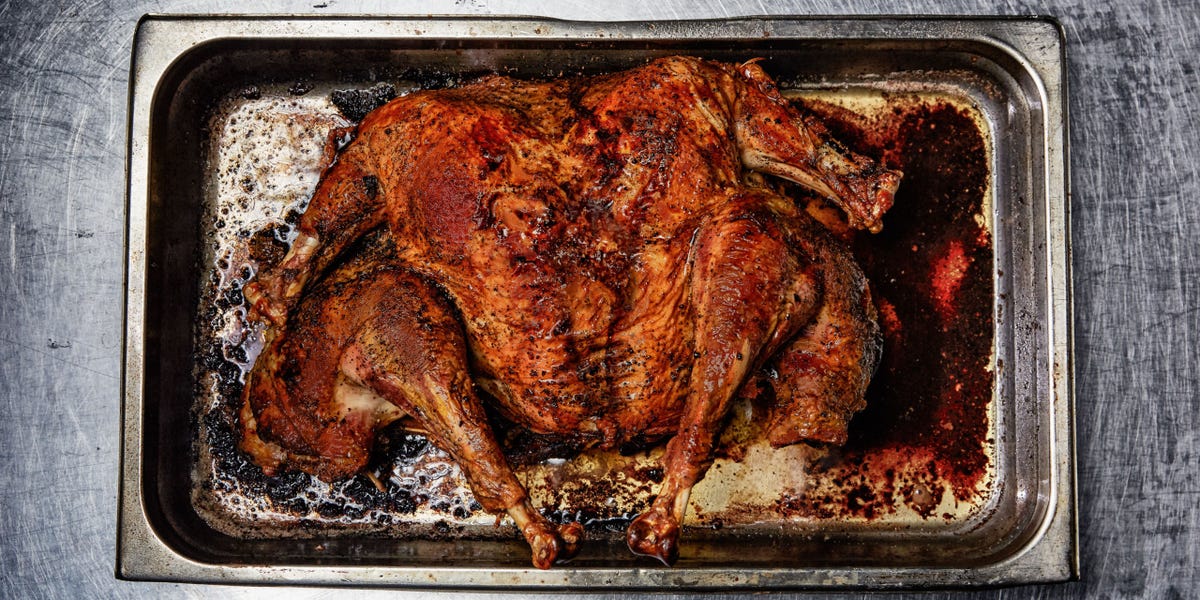
Some Thanksgiving traditions are sacred: the mashed potatoes must be fluffy, someone must ask if the gravy is “from scratch,” and at least one person must dramatically announce that they are “just having a small piece of pie.” But the turkey? The turkey is allowed to evolve. Enter the spatchcock turkey, also known as the butterflied turkey, the holiday bird that finally decided to stop standing upright like a poultry skyscraper and lie flat like it has a spa appointment.
This spatchcock turkey recipe is all about faster roasting, crispier skin, juicier meat, easier carving, and less oven drama. By removing the backbone and flattening the turkey, you create a bird that cooks more evenly because the breast and dark meat are exposed to heat in a smarter way. Instead of waiting four hours while your turkey slowly negotiates with the oven, a spatchcocked turkey can often roast in about 80 to 120 minutes, depending on size and oven behavior.
Even better, this method makes room for flavor. A dry brine seasons the turkey deeply, herb butter adds richness, and a hot oven turns the skin golden and crisp. The result is a Thanksgiving turkey that looks impressive, tastes incredible, and does not require a culinary degree, a prayer circle, or an emergency gravy distraction.
What Is Spatchcock Turkey?
Spatchcock turkey is a whole turkey that has had its backbone removed so it can be opened and flattened before roasting. The word sounds fancy, slightly suspicious, and maybe like something a British detective would say, but the technique is simple. You cut along both sides of the backbone with sturdy kitchen shears, remove it, flip the bird breast-side up, and press firmly until the breastbone cracks and the turkey lies flat.
Once flattened, the turkey cooks more like an even layer of meat instead of a bulky dome. The thighs and drumsticks get more direct heat, the breast does not overcook as easily, and the skin has more exposed surface area for crisping. In short, spatchcocking solves many of the classic roast turkey problems in one bold move.
Why Spatchcocking Works So Well
A traditional whole turkey has an awkward shape. The breast sits high, the legs sit lower, and the cavity slows down heat circulation. That means the breast can dry out before the thighs are fully cooked. Spatchcocking changes the geometry. The turkey becomes flatter, heat reaches more areas at once, and the meat cooks more evenly.
The method is especially useful for holiday cooking because it saves time and oven space. A flattened turkey can roast on a rimmed sheet pan with a wire rack, leaving more vertical room in the oven for stuffing, sweet potatoes, rolls, or that green bean casserole your aunt insists is “basically a salad.”
Ingredients for the Best Spatchcock Turkey Recipe
This recipe keeps the ingredients classic but flavorful. You want the turkey to taste like turkey, not like it got lost in a spice cabinet.
Main Ingredients
- 1 whole turkey, 10 to 14 pounds, fully thawed
- 3 tablespoons kosher salt
- 1 tablespoon brown sugar
- 1 teaspoon freshly ground black pepper
- 1 teaspoon garlic powder
- 1 teaspoon onion powder
- 1 teaspoon smoked paprika
- 1/2 cup unsalted butter, softened
- 2 tablespoons olive oil
- 2 tablespoons chopped fresh rosemary
- 2 tablespoons chopped fresh thyme
- 1 tablespoon chopped fresh sage
- 4 cloves garlic, finely minced
- 1 lemon, zested and halved
- 2 onions, cut into wedges
- 3 carrots, roughly chopped
- 3 celery stalks, roughly chopped
- 1 cup turkey stock or chicken stock
Helpful Tools
- Sharp kitchen shears or poultry shears
- Large cutting board
- Rimmed baking sheet or roasting pan
- Wire rack
- Paper towels
- Instant-read meat thermometer
- Aluminum foil
How to Spatchcock a Turkey Step by Step
Spatchcocking looks dramatic, but it is really just a confident kitchen project. Think of it as turkey origami, except louder.
Step 1: Thaw and Dry the Turkey
Start with a fully thawed turkey. Remove the packaging, neck, and giblets from the cavity. Pat the turkey very dry with paper towels. Dry skin is the beginning of crispy skin, and crispy skin is the edible applause at the end of this recipe.
Step 2: Remove the Backbone
Place the turkey breast-side down on a large cutting board. Using sturdy kitchen shears, cut along one side of the backbone from the tail end to the neck end. Repeat on the other side and remove the backbone completely. Save it for stock or gravy because flavor should never be thrown away casually.
Step 3: Flatten the Turkey
Flip the turkey breast-side up. Place both hands on the center of the breast and press down firmly until the breastbone cracks and the bird flattens. This sound may be surprising. Do not panic. The turkey is not judging you.
Step 4: Tuck the Wings
Tuck the wing tips behind the breast or under the bird to prevent burning. This also gives the turkey a neater shape on the pan.
The Secret: Dry Brine for Juicy Meat and Crispy Skin
A dry brine is one of the best ways to season a spatchcock turkey. Instead of soaking the bird in a bucket of salty water, you rub salt and seasonings directly onto the skin and meat, then refrigerate the turkey uncovered or loosely covered. The salt draws out moisture, dissolves, and then moves back into the meat, seasoning it deeply.
Dry brining also helps the skin dry out in the refrigerator. That means better browning and crisping in the oven. A wet brine can produce juicy meat, but it takes up refrigerator space and can make the skin less crisp. Dry brining is cleaner, easier, and far less likely to create a “why is there a turkey swimming in my fridge?” situation.
Dry Brine Mix
In a small bowl, combine the kosher salt, brown sugar, black pepper, garlic powder, onion powder, and smoked paprika. Sprinkle the mixture evenly over the entire turkey, including under the skin where possible. Place the turkey on a wire rack set over a rimmed baking sheet and refrigerate for at least 12 hours, preferably 24 hours.
If you only have a few hours, dry brine anyway. Even a shorter rest improves flavor. But if you can plan ahead, overnight is the sweet spot.
Herb Butter for Flavor That Means Business
Herb butter is where the turkey gets dressed for the big event. In a bowl, mix softened butter with olive oil, rosemary, thyme, sage, minced garlic, and lemon zest. The olive oil helps the butter spread more easily, while the herbs and garlic add classic holiday aroma.
Gently loosen the skin over the breast and thighs with your fingers. Spread some herb butter under the skin and the rest over the outside of the turkey. This gives the meat flavor while helping the skin brown beautifully. Be gentle when loosening the skin; you want a pocket, not a poultry wardrobe malfunction.
How to Roast Spatchcock Turkey
Step 1: Prepare the Pan
Preheat the oven to 425°F. Line a rimmed baking sheet or roasting pan with foil for easier cleanup. Scatter onions, carrots, celery, and lemon halves across the pan. Add the stock to keep the vegetables from scorching and to create a flavorful base for gravy.
Step 2: Place the Turkey on a Rack
Set a wire rack over the vegetables and place the spatchcocked turkey skin-side up on the rack. The rack allows hot air to circulate under the bird, which helps the skin crisp and prevents the underside from steaming.
Step 3: Roast Hot, Then Monitor
Roast the turkey at 425°F for 30 minutes. Then reduce the oven temperature to 375°F and continue roasting until the thickest part of the breast reaches 160°F to 165°F and the thigh reaches at least 165°F. Carryover cooking may raise the temperature slightly as the turkey rests, but food safety matters, so always verify with a meat thermometer.
A 10- to 12-pound spatchcock turkey may take about 80 to 100 minutes. A 12- to 14-pound turkey may take closer to 100 to 120 minutes. Ovens vary, pan size matters, and turkeys are not famous for punctuality. Use time as a guide, not a guarantee.
Step 4: Rest Before Carving
Transfer the turkey to a cutting board and let it rest for 20 to 30 minutes before carving. Resting allows juices to redistribute through the meat. If you carve too soon, the juices run everywhere, and suddenly your cutting board is enjoying the turkey more than your guests are.
How to Make Quick Pan Gravy
Do not ignore the vegetables and drippings in the pan. They are liquid gold with onions. Strain the pan juices into a measuring cup and skim off excess fat. In a saucepan, melt 3 tablespoons of butter, whisk in 3 tablespoons of flour, and cook for 2 to 3 minutes until lightly golden. Slowly whisk in the strained pan juices plus enough turkey or chicken stock to make about 3 cups of liquid.
Simmer until thickened, then season with salt, pepper, and a squeeze of lemon if the flavor needs brightness. For a smoother gravy, strain it again before serving. For a more rustic gravy, leave it as is and call it “country-style.” That phrase forgives many textures.
Best Temperature for Spatchcock Turkey
The best oven temperature for spatchcock turkey is usually a combination of high heat and moderate heat. Starting at 425°F helps brown the skin quickly. Reducing to 375°F lets the meat finish cooking without burning the exterior. Some recipes roast entirely at high heat, while others use 400°F from start to finish. The best choice depends on your oven and turkey size.
For most home cooks, the 425°F-to-375°F method is reliable because it gives you golden skin and juicy meat without requiring constant oven babysitting. If the skin browns too quickly, loosely tent the turkey with foil. Do not wrap it tightly, or you will trap steam and soften the skin.
Spatchcock Turkey Cooking Time Chart
| Turkey Weight | Estimated Roasting Time | Best For |
|---|---|---|
| 8 to 10 pounds | 60 to 80 minutes | Small gatherings |
| 10 to 12 pounds | 80 to 100 minutes | Family dinners |
| 12 to 14 pounds | 100 to 120 minutes | Holiday meals |
| 14 to 16 pounds | 120 to 140 minutes | Larger groups, if the pan fits |
For best results, choose a turkey between 10 and 14 pounds. Larger turkeys can be harder to flatten and may not fit comfortably on a standard sheet pan. If you need to feed a crowd, roasting two smaller spatchcocked turkeys is often smarter than wrestling one giant bird that looks like it has been hitting the gym.
How to Carve a Spatchcock Turkey
Spatchcock turkey is easier to carve than a traditional roast turkey because it already lies flat. Start by removing the legs at the joint where the thigh meets the body. Separate the drumsticks from the thighs. Slice the thigh meat off the bone or serve the thighs whole.
Next, remove the breast meat by cutting along one side of the breastbone and following the rib cage. Once each breast half is removed, slice it crosswise into thick, juicy pieces. Finally, remove the wings and arrange everything on a platter. Add herbs, roasted lemon halves, or extra crispy skin pieces on top for presentation.
Common Spatchcock Turkey Mistakes to Avoid
Using Weak Kitchen Shears
A turkey backbone is not delicate. Use sturdy poultry shears or ask your butcher to spatchcock the turkey for you. Many grocery store meat departments will do it if you ask politely and do not arrive during the Thanksgiving rush with the energy of a person holding up a checkout line.
Skipping the Dry Brine
You can roast a turkey without dry brining, but the flavor will not be as deep and the skin may not be as crisp. Salt needs time to work. Give it that time, and the turkey will reward you.
Not Using a Thermometer
Guessing turkey doneness by color is risky. The only reliable method is an instant-read thermometer. Check the thickest part of the breast and thigh without touching bone.
Carving Too Soon
Resting is not optional. A rested turkey is juicier, easier to carve, and less likely to flood the platter. Let it sit for at least 20 minutes.
What to Serve With Spatchcock Turkey
A crispy spatchcock turkey pairs beautifully with classic Thanksgiving side dishes. Mashed potatoes, cornbread stuffing, cranberry sauce, green bean casserole, roasted Brussels sprouts, glazed carrots, and sweet potato casserole all work well. Because this turkey roasts faster than a traditional bird, you may have more oven flexibility for sides.
For a lighter menu, serve it with roasted root vegetables, a citrusy arugula salad, and wild rice pilaf. For a comfort-food feast, bring on the mac and cheese, buttery rolls, and enough gravy to make everyone emotionally available.
Leftover Spatchcock Turkey Ideas
Leftover spatchcock turkey is a gift. Use sliced breast meat in sandwiches with cranberry sauce and mayo. Add shredded dark meat to turkey soup, pot pie, enchiladas, fried rice, or creamy pasta. The bones and backbone can become stock, which can become soup, which can become lunch, which can become proof that you are very responsible.
Store leftovers in shallow airtight containers in the refrigerator and use them within 3 to 4 days. For longer storage, freeze turkey meat in portions with a little broth to keep it moist.
Spatchcock Turkey Recipe Summary
This recipe gives you a turkey with crisp skin, juicy meat, and bold herb flavor. The key steps are simple: spatchcock the bird, dry brine it overnight, coat it with herb butter, roast it on a rack, and use a thermometer to confirm doneness. It is faster than traditional roasting, easier to carve, and dramatic enough to make people think you did something extremely advanced.
Real Kitchen Experience: What It Feels Like to Make Spatchcock Turkey
The first time you make a spatchcock turkey, you may feel like you are breaking an unspoken holiday rule. A whole roasted turkey has a certain Norman Rockwell glow to it. It arrives at the table round, bronzed, and theatrical, like it expects applause. A spatchcock turkey, on the other hand, comes out flat and wide, looking less like a centerpiece and more like it has committed fully to relaxation. But then you carve it, taste it, and realize the bird has been improved, not insulted.
One of the biggest practical advantages is timing. Traditional turkey roasting can turn Thanksgiving Day into a suspense film. Is the breast done? Are the thighs done? Why is the oven taking so long? Who opened the door again? With a spatchcock turkey recipe, the process feels calmer because the bird cooks more predictably. You can see the skin browning evenly, check temperatures in multiple spots, and plan the rest of the meal without wondering whether dinner will happen at 4 p.m. or during the evening news.
Another experience worth mentioning is the backbone removal. It is not difficult, but it is physical. Use real poultry shears, not the tired scissors from the junk drawer that once opened a package of batteries. Place a towel under the cutting board so it does not slide. Take your time. Cut close to the backbone on both sides, and remember that the goal is progress, not elegance. The turkey will not be grading your knife skills.
Dry brining also changes the way you think about turkey prep. Instead of waking up early and immediately entering panic mode, you do the most important seasoning work the day before. The turkey sits in the refrigerator, quietly becoming more flavorful while you do other things. By roasting day, the skin looks drier, the seasoning has settled in, and you feel strangely organized. This is the kind of kitchen confidence that makes people say, “Wow, you’re so prepared,” even if the junk drawer is still a national emergency.
The roasting stage is surprisingly satisfying. Because the turkey is flat, the skin gets more exposure to heat. You can watch it turn golden across the breast, thighs, and legs at the same time. The herb butter melts into the meat, the vegetables underneath catch the drippings, and the whole kitchen starts smelling like a holiday movie where nobody argues about politics.
Carving is where the method really wins. A traditional turkey can feel like a wrestling match with a decorative bird. A spatchcocked turkey is easier to break down because the joints are more accessible. You can remove the legs, separate the thighs, slice the breast meat cleanly, and arrange everything beautifully on a platter. Guests get crisp skin and juicy meat without waiting for someone to perform tableside surgery.
The best personal tip is to make peace with presentation. You do not need to bring the whole flattened turkey to the table unless you want the dramatic reveal. Carve it in the kitchen, arrange the pieces on a warm platter, garnish with herbs and roasted lemon, and let the finished dish speak for itself. People rarely miss the traditional whole-bird moment once they taste turkey that is actually moist.
Spatchcock turkey is also forgiving for cooks who are nervous about hosting. It reduces roasting time, improves texture, and gives you more control. It does not eliminate every holiday challengesomeone will still forget the ice, and a relative may still ask if the mashed potatoes are “supposed to be that creamy”but it solves the turkey problem. And honestly, that is a very good start.
Conclusion
A great spatchcock turkey recipe is not just a shortcut; it is a smarter way to roast a holiday bird. By removing the backbone and flattening the turkey, you create faster cooking, crispier skin, juicier meat, and easier carving. Add a simple dry brine, herb butter, fresh aromatics, and careful temperature checks, and you get a turkey that tastes like tradition but cooks like modern kitchen wisdom.
Whether you are making Thanksgiving dinner, Christmas lunch, or a weekend feast for people who take leftovers very seriously, spatchcock turkey is worth trying. It may look unconventional at first, but one bite of golden skin and tender meat will explain everything. Your roasting pan may never go back to the old way.
Note: Cooking times are estimates. For safety and best results, always use an instant-read thermometer and confirm the turkey reaches a safe internal temperature before serving.