

If your feet could talk, they’d probably file a formal complaint about your shoes. Corns and calluses are basically your skin’s way of
saying, “I’m doing my best here,” by building extra armor in spots that get rubbed or pressured over and over. The good news: they’re
common, usually treatable, and often preventable. The better news: you don’t have to live the rest of your life walking like you’re
sneaking across a LEGO minefield.
What are corns and calluses (and why do they happen)?
Corns and calluses are thickened areas of skin caused by repeated friction or pressure. Think of them as “protective padding” your body
makes when it decides the same spot needs reinforcement. They show up most often on feet and toes (hello, tight shoes), but calluses also
love hands (shout-out to athletes, musicians, and anyone who’s ever tried to open a stubborn jar).
The key idea is repetition: one long day in uncomfortable shoes can irritate skin, but daily rubbing is what trains your body to thicken
that area into a corn or callus.
Corns vs. calluses vs. warts: how to tell what you’re dealing with
They can look similar at first glance, but the “vibe” is different:
Corns
- Smaller and more focused, often on or between toes.
- More likely to hurt because they can press deeper into the skin.
- May have a hard center (like a tiny kernel) surrounded by thicker skin.
Calluses
- Broader and flatter, usually on the soles of the feet or palms.
- Often painless, though thick ones can get sore or crack.
- Feel rough, dry, and thicklike your skin upgraded to “work boot” mode.
What about plantar warts?
Plantar warts are caused by a virus (HPV), not friction. They can mimic a callus on the bottom of the foot. One clue clinicians use:
warts may disrupt normal skin lines and can be tender in a different way than pressure-based thick skin. If you’re unsureor it’s painful,
spreading, or not improvinggetting a professional opinion is worth it.
Causes and risk factors
Corns and calluses are usually a “mechanics” problem: pressure + friction + time. Here’s what most often sets them up.
1) Shoes that don’t fit (the usual suspect)
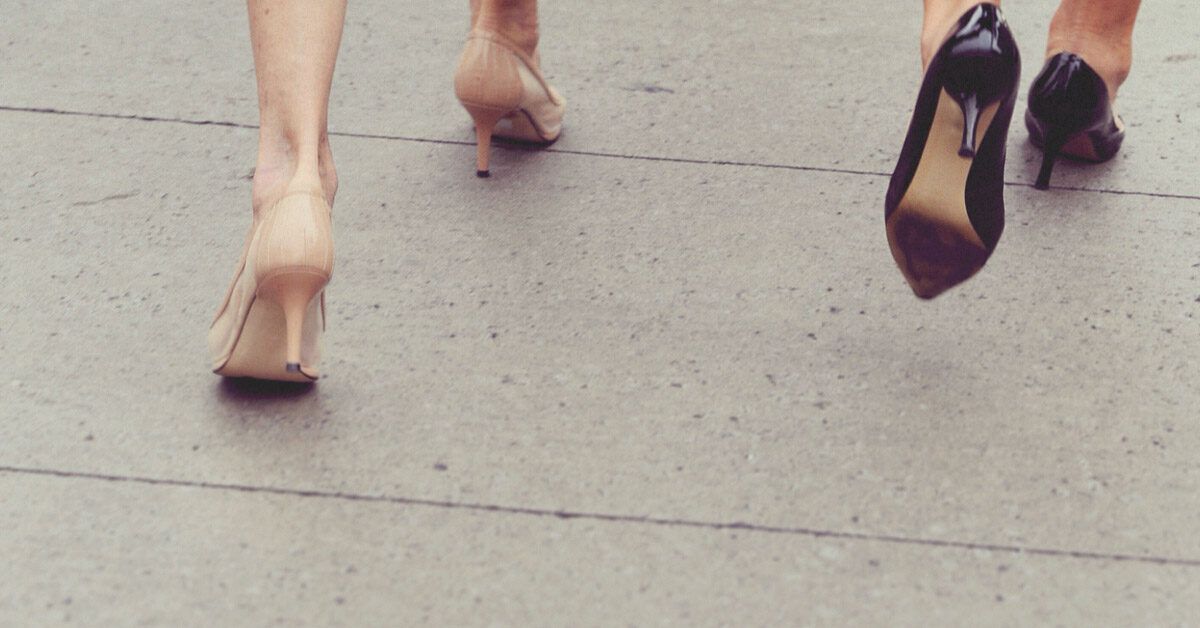
Shoes that are too tight, too loose, too narrow, or shaped differently than your foot can create rubbing and pressure points. High heels
can push body weight forward onto the ball of the foot, while stiff seams and tight toe boxes can create hotspots on toes.
Example: A new pair of dress shoes that pinch your little toe can lead to a painful hard corn on the side of that toe within weeks.
2) Foot structure and biomechanics
Bunions, hammertoes, prominent toe joints, flat feet, high arches, or uneven gait can redistribute pressure so certain areas take a beating.
Over time, skin responds by thickening.
Example: A hammertoe can rub against the top of a shoe, causing a corn over the bent joint, while the ball of the foot may develop a
callus if pressure shifts forward.
3) Repetitive activities and “hotspot habits”
Long-distance walking, running, standing for work, hiking, dancing, and sports can all increase pressure and friction. On hands, frequent
gripping (weights, tools, instruments) can cause classic calluses.
4) Skin factors and dryness
Dry skin can crack, and thickened skin can become even more uncomfortable when it’s brittle. While dryness alone doesn’t “cause” corns and
calluses, it can make them feel worse and harder to manage.
Symptoms: what you’ll notice
Most people spot corns and calluses by feel before they see themlike a nagging “something’s off” when you walk.
Common signs of a corn
- A small, thickened bump on the toe or side of the foot
- Tenderness or sharp pain with pressure
- Hard center surrounded by inflamed or thickened skin
- Soft corns (between toes) may look whitish and feel squishy from moisture
Common signs of a callus
- A broad patch of thick, rough skin on the sole, heel, or palm
- Dry, flaky, or waxy-looking surface
- Mild discomfort, burning, or tenderness when it gets thick
- Sometimes cracking at the edges (which can sting)
Diagnosis: how clinicians confirm it
Many corns and calluses are diagnosed by appearance and location, plus a quick history of footwear and activity. A clinician may check for
foot shape issues, walking mechanics, and signs that something else is going on (like a wart, eczema, or an infection).
If you have diabetes, neuropathy, poor circulation, or immune system issues, even “simple” foot skin problems deserve extra caution
because small skin breaks can become bigger problems faster.
At-home treatments that are actually worth your time
The most effective home plan is boringbut it works: reduce the friction/pressure, soften the thick skin, gently thin it, and protect the area
while it heals. If you do only one thing, do this: fix the cause (often shoes).
Step 1: Remove the pressure (shoe and padding strategy)
- Switch to roomier shoes with a wider toe box and cushioning.
- Try protective pads (like donut-shaped pads) to offload pressure on a corn.
- Use toe spacers or soft sleeves if toes rub together.
- Consider insoles to redistribute pressure on the ball of the foot.
Example: If you get a callus under the second metatarsal head (ball of the foot), a cushioned insole or metatarsal pad may reduce
the “hotspot” pressure that keeps the callus coming back.
Step 2: Soak, then gently thin thickened skin
Soaking hands or feet in warm, soapy water can soften thick skin so it’s easier to reduce gradually. After soaking, gently rub with a pumice
stone, emery board, or washcloth. Go slowthis is a “take a little, repeat later” situation, not a “power-sand the foot” situation.
Safety rule: Don’t cut or shave corns/calluses yourself with sharp tools. Overdoing it can cause bleeding, irritation, or infection.
If you have diabetes or poor circulation, avoid self-treating thick skin aggressively and ask a clinician what’s safe for you.
Step 3: Moisturize to keep skin flexible
Thick skin tends to be dry skin. A fragrance-free moisturizer can help reduce cracking and discomfort. Some people benefit from creams that
soften thick skin (often containing ingredients like urea), especially for callused heels.
Step 4: OTC products (including salicylic acid): helpful, but not for everyone
Over-the-counter keratolytics (ingredients that help peel or soften thick skin), such as salicylic acid, can reduce corns and
calluses for some people when used carefully and exactly as directed. The catch: these products can irritate healthy skin too.
- Avoid salicylic acid products if you have diabetes, neuropathy, poor circulation, or fragile skinunless a clinician specifically tells you otherwise.
- Keep the product only on the thickened area; protect surrounding skin if needed.
- Stop if you get significant burning, blistering, or worsening pain.
If you’re not sure whether an OTC remover is appropriate for you, a podiatrist or primary care clinician can steer you toward safer options.
Professional treatments (podiatrist/dermatology/primary care)
When corns or calluses are painful, recurrent, or complicated by foot structure problems, professional care can be a game-changer.
Trimming/debridement (the “instant relief” visit)
Clinicians can carefully pare down thickened skin with sterile instruments, which often reduces pain quickly. This is especially useful for
a deep, painful corn or a thick callus that keeps returning.
Addressing the underlying cause
- Orthotics or custom inserts to redistribute pressure and reduce recurrence
- Shoe recommendations tailored to foot shape and activity
- Treatment of related issues like bunions or hammertoes when they’re driving the friction
Procedures for stubborn cases
If a structural issue (like a toe deformity or bone alignment problem) is repeatedly causing a corn, a clinician may discuss corrective options.
This is typically reserved for cases that don’t respond to conservative treatment.
Prevention: how to stop the “hard skin sequel”
Prevention is mostly about pressure management. If you make friction boring, your skin stops writing dramatic thickened-skin fanfiction.
- Buy shoes that match your foot shape: wide toe box, good cushioning, stable heel.
- Break in new shoes gradually; rotate footwear to avoid repeated pressure points.
- Wear moisture-wicking socks if you’re prone to rubbing and sweating.
- Use protective pads for known hotspots (especially during long walks or runs).
- Moisturize regularly if you get dry, cracking heels.
- Consider a gait/footwear check if you get the same callus in the same spot repeatedly.
When to see a doctor
Many corns and calluses can be managed at home, but you should get medical advice if:
- You have diabetes, neuropathy, poor circulation, or immune system problems
- The area is very painful, keeps returning, or limits walking
- You see signs of possible infection (increasing redness, warmth, swelling, drainage) or skin breakdown
- You’re unsure whether it’s a corn/callus or something else (like a wart)
- You have a foot deformity (bunions, hammertoes) and recurring pressure spots
Quick FAQs
Do corns and calluses “have roots”?
Corns can have a dense central core of thick skin that presses inward, which is why they can feel sharp or pinpoint painful. They don’t have
“roots” in the way people sometimes imagine, but they can be deeper and more tender than a typical callus.
Will they go away on their own?
Often, yesespecially if you remove the friction/pressure that caused them. The skin may gradually return closer to normal once it no longer
needs the extra protection.
Is it okay to remove them at home?
Gentle thinning after soaking and using protective padding is usually reasonable for healthy people. Avoid cutting/shaving at home. If you
have diabetes or circulation problems, get professional guidance first.
Real-Life Experiences: What People Notice (and What Helps)
People usually don’t wake up one morning and think, “Today feels like a great day to develop a corn.” It’s more like a slow sitcom plot:
the new shoes look amazing, you wear them everywhere, and then your foot quietly starts drafting its revenge plan. A common experience is
noticing a hot spot that starts as mild irritationjust a little rubbing on a toe or the ball of the foot. At first, it’s easy to ignore.
Then one day you realize you’re walking differently to avoid pressure, and suddenly your calf is sore because your body has been
improvising a weird new gait like it’s auditioning for a silent film.
Many runners describe calluses as “proof of training,” especially under the forefoot. The callus itself might not hurtuntil it gets thick
enough that it changes how your foot lands. At that point, it can feel like you’re stepping on a tiny, firm coin. What often helps most is
not a magical cream, but a practical reset: different socks (less rubbing), better-fitting shoes, and an insole that spreads pressure more
evenly. People who stand all day for workhealthcare workers, retail employees, teachersoften report that cushioning makes a bigger
difference than they expected. A slightly softer insole or a shoe with a roomier toe box can reduce that end-of-day “burning sole” feeling.
Corns tend to be the drama queens. Folks often describe a corn as “small but mighty,” because it’s not a huge patch of skinit’s a focused,
stubborn spot that hurts exactly when you press on it (which, inconveniently, is basically every step if it’s on a toe). People with corns
between toes (soft corns) often say it feels like something is stuck in there, even when nothing is. What helps in real life is usually
simple spacing and cushioning: toe sleeves, separators, and shoes that don’t squeeze toes together like a crowded elevator.
Another theme you hear a lot: “I tried to fix it fast.” That’s where people get into troubledigging at thick skin, using sharp tools, or
overusing medicated removers. The better experience is the slow-and-steady approach: soak, gently reduce, moisturize, protect, repeat.
It’s less satisfying than a one-time “rip it off” moment, but it’s also far less likely to end with irritation or a painful raw spot.
Plenty of people say the best appointment they ever made was with a podiatrist who trimmed the thick skin safely and helped them understand
why it kept coming backlike a foot shape issue, a pressure point from a bunion, or a shoe style that just wasn’t compatible with their
anatomy. The most consistent “success story” sounds boring: better shoes, a little padding, and small maintenance over time. But boring, in
foot care, is usually the goal.
Conclusion
Corns and calluses are your skin’s protective response to repeated friction and pressureannoying, sometimes painful, but often fixable.
Focus on the root cause (usually footwear or pressure points), use gentle thinning methods instead of aggressive DIY removal, and protect the
area while it heals. If you have diabetes, circulation issues, significant pain, or recurring problems, professional evaluation can prevent
complications and help you walk comfortably againwithout the “LEGO floor” vibe.