

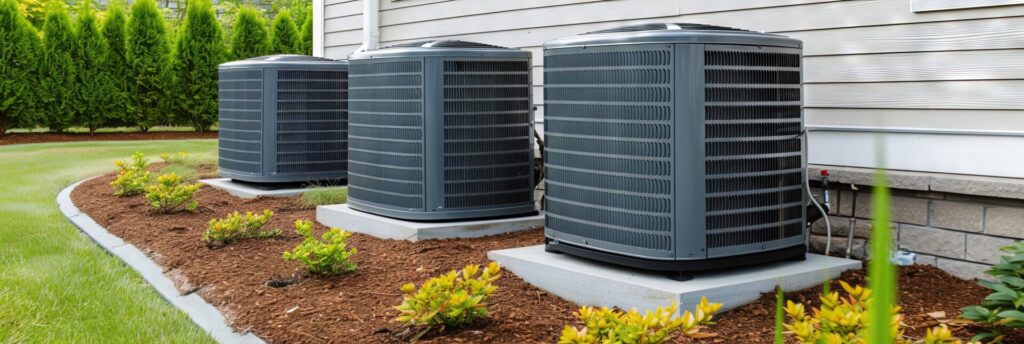
Buying a 5-ton air conditioner is not exactly a “grab it on the way home with milk and eggs” purchase. It is a major home investment, usually meant for larger houses, hot climates, or homes with serious cooling demands. And because a 5-ton AC system is one of the largest common residential central air conditioner sizes, the price tag can feel like it arrived wearing sunglasses and asking for its own parking space.
So, how much does a 5-ton air conditioner cost? In the United States, most homeowners can expect a professionally installed 5-ton central AC system to cost roughly $7,000 to $18,000, with some premium or complicated installations climbing above $20,000. A basic equipment-only condenser may cost far less, but most real-world replacement projects include labor, refrigerant line work, an indoor coil, permits, electrical adjustments, ductwork evaluation, thermostat setup, disposal of the old unit, and a contractor who knows which end of the refrigerant gauge is which.
This guide breaks down the real cost of a 5-ton air conditioner, what affects the final price, whether a 5-ton unit is right for your home, and how to avoid paying champagne money for lemonade-level comfort.
What Is a 5-Ton Air Conditioner?
A 5-ton air conditioner does not weigh five tons, which is good news for your driveway and the delivery crew. In HVAC language, “ton” refers to cooling capacity. One ton equals 12,000 BTUs of cooling per hour, so a 5-ton AC provides about 60,000 BTUs per hour.
That is a lot of cooling power. A 5-ton central air conditioner is usually considered for larger homes, often around 2,500 to 3,500 square feet, depending on climate, insulation, ceiling height, window quality, sun exposure, duct design, and how many people live in the home. A sunny two-story house in Phoenix is not the same cooling puzzle as a shaded ranch home in Ohio. Your AC system knows the difference, even if a quick square-foot rule does not.
Average Cost of a 5-Ton Air Conditioner
The average cost of a 5-ton air conditioner depends on whether you are replacing only the outdoor condenser, installing a matched indoor coil, upgrading to a high-efficiency system, or replacing ductwork as well. For a typical residential installation, a practical planning range looks like this:
| Project Type | Estimated Cost Range |
|---|---|
| 5-ton AC condenser only | $3,500–$7,500 |
| 5-ton AC with indoor coil installed | $7,000–$14,000 |
| High-efficiency 5-ton AC system | $12,000–$20,000+ |
| 5-ton AC plus major ductwork changes | $15,000–$25,000+ |
For many homeowners, the sweet spot lands between $9,000 and $16,000 for a properly installed 5-ton central AC replacement. Lower bids may be possible in simpler installations with easy access and existing compatible ductwork. Higher bids are common when the home needs electrical upgrades, new refrigerant lines, zoning, duct repairs, or a premium variable-speed system.
Why 5-Ton AC Prices Vary So Much
Two neighbors can both buy a 5-ton air conditioner and still receive very different quotes. That is not always because one contractor is wearing a pirate hat. The installation details matter.
1. Efficiency Rating
Modern central air conditioners are rated using SEER2, which measures seasonal cooling efficiency under updated testing standards. A standard-efficiency 5-ton AC costs less upfront, while a higher-SEER2 model costs more but may reduce long-term electricity use.
For example, upgrading from a basic single-stage unit to a two-stage or variable-speed 5-ton air conditioner can add thousands of dollars to the installed price. However, the higher-end system may run more quietly, control humidity better, and avoid the dramatic on-off cycling that makes a house feel like a refrigerator one minute and a swampy attic the next.
2. Brand and Equipment Tier
Popular HVAC brands such as Carrier, Trane, Lennox, American Standard, Rheem, Goodman, Bryant, York, and Daikin offer different product tiers. Entry-level systems are usually single-stage and simpler. Mid-range systems may include better warranties, quieter cabinets, and two-stage operation. Premium systems often include variable-speed compressors, communicating controls, and advanced humidity management.
A budget-friendly 5-ton AC may cool the home just fine when installed correctly. A premium system may offer better comfort and efficiency, but it only makes financial sense if the added cost matches your climate, utility rates, and how long you plan to stay in the home.
3. Labor and Local Market
Labor is one of the biggest parts of the total 5-ton AC installation cost. HVAC contractors must remove old equipment, set the condenser, connect refrigerant lines, install or match the evaporator coil, pressure-test the system, pull a vacuum, charge refrigerant accurately, wire controls, test airflow, and confirm safe operation.
Labor rates are usually higher in major metro areas, hot-weather regions with peak summer demand, and locations with strict permitting requirements. In July, when every AC in town seems to break at once, contractor availability can become as rare as a polite mosquito.
4. Ductwork Condition
A 5-ton air conditioner needs enough duct capacity to move a large volume of air. If the ducts are too small, leaky, poorly insulated, or badly designed, the system may struggle even if the outdoor unit is powerful. Think of it like buying a race car and driving it through a hallway.
Duct repairs can add several hundred to several thousand dollars. Full duct replacement may add much more. But ignoring bad ductwork can waste energy, reduce comfort, shorten equipment life, and make your expensive new AC perform like it forgot why it came to work.
5. Electrical Upgrades
A 5-ton AC system may require a dedicated circuit, proper disconnect, correct breaker sizing, and adequate panel capacity. If your electrical system is older, your quote may include electrical work. This is not the glamorous part of the purchase, but it is essential for safety and code compliance.
6. Refrigerant Changes
Many newer air conditioners are moving toward lower-GWP refrigerants as the HVAC industry transitions away from older high-GWP options. This shift can affect equipment availability, technician training, installation procedures, and pricing. Homeowners replacing older R-410A systems may see quote differences depending on whether the new system uses R-32, R-454B, or another approved refrigerant.
Is a 5-Ton AC Unit Right for Your Home?
A 5-ton air conditioner is powerful, but bigger is not automatically better. Oversizing an AC system can cause short cycling, uneven temperatures, poor humidity removal, higher energy bills, and extra wear on the compressor. Undersizing can leave the system running constantly while your living room slowly becomes a grilled cheese sandwich.
The correct way to size an air conditioner is with a professional load calculation, often called a Manual J calculation. This considers square footage, insulation, windows, orientation, air leakage, climate zone, ceiling height, occupancy, and more. A contractor who sizes your system by glancing at the old unit and saying, “Yep, same thing,” may not be doing enough homework.
A 5-ton unit may be appropriate if your home is large, has high cooling loads, or is located in a hot climate. But if your home has improved insulation, new windows, better air sealing, or upgraded ducts, you may not need as much capacity as the old system had.
Equipment-Only vs. Installed Cost
When researching the cost of a 5-ton air conditioner online, you may see equipment prices that look surprisingly low. That is because the equipment-only price does not include professional installation. A condenser sitting in a box is not cooling your house; it is just expensive yard furniture.
Installed cost usually includes:
- Outdoor condenser
- Indoor evaporator coil when needed
- Labor and setup
- Refrigerant line connection or replacement
- Electrical connections
- Permit fees
- Old equipment removal
- System startup and testing
- Thermostat installation or configuration
- Warranty registration
This is why a 5-ton AC unit advertised at $4,500 can easily become a $10,000 to $15,000 installed project. The box is only part of the story.
5-Ton AC Cost by Efficiency Level
Efficiency has a major impact on cost. Here is a general breakdown:
Standard-Efficiency 5-Ton AC
A standard-efficiency 5-ton air conditioner is usually the least expensive option. It may be a single-stage system that runs at full power whenever it turns on. Installed cost may range from $7,000 to $11,000 in straightforward replacement situations. This option can make sense for rental properties, mild climates, or homeowners who need reliable cooling without premium features.
Mid-Range 5-Ton AC
A mid-range system may include better sound insulation, improved coil design, two-stage cooling, and stronger warranties. Installed prices often fall between $10,000 and $16,000. This is where many homeowners find the best balance between comfort and cost.
Premium 5-Ton AC
Premium 5-ton air conditioners may include variable-speed compressors, communicating thermostats, advanced humidity control, and very quiet operation. Installed prices often range from $15,000 to $22,000+. These systems can be excellent for large homes in hot climates, but the quote should clearly explain what benefits you are paying for.
Hidden Costs Homeowners Often Miss
The first quote is not always the final number. Here are common add-ons that can affect the total cost of a 5-ton air conditioner:
- Duct sealing or replacement: Poor ducts can sabotage performance.
- New thermostat: Smart thermostats add convenience and scheduling control.
- Permits: Many cities require HVAC permits and inspections.
- Crane or difficult access: Rooftop units or tight side yards can increase labor.
- Drain line repairs: Condensate drainage must be safe and reliable.
- Electrical upgrades: Older panels or wiring may need work.
- Air handler or furnace compatibility: The indoor equipment must match the outdoor AC.
Ask for an itemized quote. If a contractor gives you one mysterious number and a handshake, request details. Your wallet deserves subtitles.
How to Save Money on a 5-Ton AC System
Saving money does not mean choosing the cheapest bid. It means choosing the best long-term value.
Get at Least Three Quotes
Compare equipment model numbers, SEER2 ratings, warranty terms, labor coverage, permit handling, and included accessories. A cheaper quote may exclude important work that another contractor included.
Install During the Shoulder Season
Spring and fall may offer better scheduling flexibility than peak summer. Contractors are often busiest when temperatures are extreme, and emergency replacements rarely put homeowners in a strong bargaining position.
Check Rebates and Incentives
Utility companies, manufacturers, and local programs may offer rebates for high-efficiency equipment. Federal and state incentives can change, so homeowners should verify current programs before signing a contract.
Do Not Overspend on Features You Will Not Use
A top-tier variable-speed system can be wonderful, but not every home needs one. If you plan to sell soon or live in a moderate climate, a mid-range system may be the smarter buy.
Improve the House Before Oversizing the AC
Air sealing, attic insulation, duct sealing, window shading, and filter maintenance can reduce cooling demand. Sometimes the best way to make a 5-ton AC cheaper is to discover you only need a properly installed 4-ton system.
Repair or Replace a 5-Ton AC?
If your current 5-ton air conditioner is less than 10 years old and the repair is minor, fixing it may be reasonable. If it is 12 to 18 years old, uses older components, needs a compressor, leaks refrigerant, or has repeated breakdowns, replacement may be the better investment.
A simple rule many homeowners use is to multiply the repair cost by the system age. If that number is high enough to make you stare silently into the distance, replacement deserves serious consideration. For example, a $2,000 repair on a 14-year-old system is not exactly whispering “good financial decision.”
Example Cost Scenarios
Scenario 1: Basic Replacement
A homeowner replaces an old 5-ton condenser and matching coil. The ductwork is in good shape, the electrical panel is adequate, and access is easy. Estimated cost: $8,500 to $12,000.
Scenario 2: High-Efficiency Upgrade
A large home in Texas upgrades to a two-stage or variable-speed 5-ton AC with a smart thermostat and better humidity control. Estimated cost: $13,000 to $19,000.
Scenario 3: Difficult Installation
A homeowner needs a 5-ton system, duct repairs, refrigerant line replacement, electrical upgrades, and permit work. Estimated cost: $16,000 to $25,000+.
Questions to Ask Before Buying
- Did you perform a Manual J load calculation?
- Is 5 tons truly the correct size for my home?
- What SEER2 rating is included?
- Is the indoor coil included?
- Will you inspect and test duct airflow?
- Are permits included?
- What refrigerant does this system use?
- What parts and labor warranties are included?
- Is this a single-stage, two-stage, or variable-speed unit?
- What maintenance does the warranty require?
Good contractors welcome smart questions. If someone acts offended because you asked about airflow, efficiency, or permits, that is not a red flag. That is a red flag wearing a marching band uniform.
Real-World Experiences With the Cost of a 5-Ton Air Conditioner
In real life, the cost of a 5-ton air conditioner often comes down to the story behind the house. One homeowner may receive a reasonable quote because the old system is easy to access, the ductwork is clean and properly sized, and the electrical setup is ready. Another homeowner may start with the same 5-ton AC unit but end up paying thousands more because the attic ducts look like they were designed during a lunch break in 1987.
A common experience is sticker shock. Many people expect the outdoor unit to be the main cost, then discover that installation quality is where the money goes. A proper installation takes time: checking static pressure, confirming refrigerant charge, sealing connections, making sure the evaporator coil matches, and testing the system under real operating conditions. The homeowner may not see these steps from the kitchen window, but they strongly affect comfort and energy bills.
Another real-world lesson is that the cheapest quote is not always the cheapest outcome. Suppose one contractor quotes $8,000 and another quotes $11,500. At first glance, the lower quote wins. But if the lower quote excludes permits, uses a mismatched coil, ignores duct leakage, or provides only a short labor warranty, the homeowner may pay later through repairs, poor humidity control, or early equipment failure. With a 5-ton system, small mistakes can become large expenses because the equipment moves so much air and uses significant power.
Homeowners in hot climates often value two-stage or variable-speed systems more than they expected. A single-stage 5-ton AC can cool aggressively, but it may turn on and off frequently if oversized or if the load varies throughout the day. Better equipment can run longer at lower output, which may help with humidity and temperature consistency. In places with sticky summers, that difference can feel less like a luxury and more like finally convincing the house to stop breathing soup.
Many homeowners also learn that ducts are the hidden boss fight of HVAC replacement. A new 5-ton unit connected to undersized ducts can be noisy, inefficient, and uncomfortable. Rooms far from the air handler may stay warm, while rooms near the supply ducts feel like a walk-in cooler. This is why experienced contractors often inspect duct size, return air, insulation, and leakage before recommending a final system.
The best homeowner experiences usually follow the same pattern: multiple itemized quotes, clear model numbers, proof of sizing, permit handling, warranty explanation, and a contractor who explains trade-offs without pressure. The worst experiences usually involve rushed decisions during a heat wave, vague bids, and buying the biggest unit because “bigger must be better.” In HVAC, bigger is not always better. Correct is better.
For most homeowners, a 5-ton air conditioner is worth the cost only when the home truly needs that much capacity and the system is installed as part of a complete cooling plan. That plan should include the condenser, indoor coil, airflow, ducts, thermostat, insulation, and maintenance. When all those pieces work together, the result is not just colder air. It is quieter operation, better comfort, fewer emergency calls, and a home that does not turn into a toaster with curtains every July.
Conclusion
The cost of a 5-ton air conditioner usually ranges from $7,000 to $18,000 installed, with premium or complex projects exceeding $20,000. The final price depends on efficiency rating, brand, labor, ductwork, electrical needs, refrigerant type, local market, and installation complexity.
The smartest move is not simply to buy the largest or cheapest system. It is to buy the correctly sized system, installed by a qualified contractor, with ductwork and airflow that allow the equipment to perform as promised. A 5-ton AC can be a comfort hero in the right home. In the wrong home, it can be an expensive metal box with confidence issues.
Before signing a contract, ask for a load calculation, compare itemized quotes, review warranties, and understand exactly what is included. Your future summer self will thank you, probably while standing near a vent with a cold drink and the calm confidence of someone who made a smart HVAC decision.