

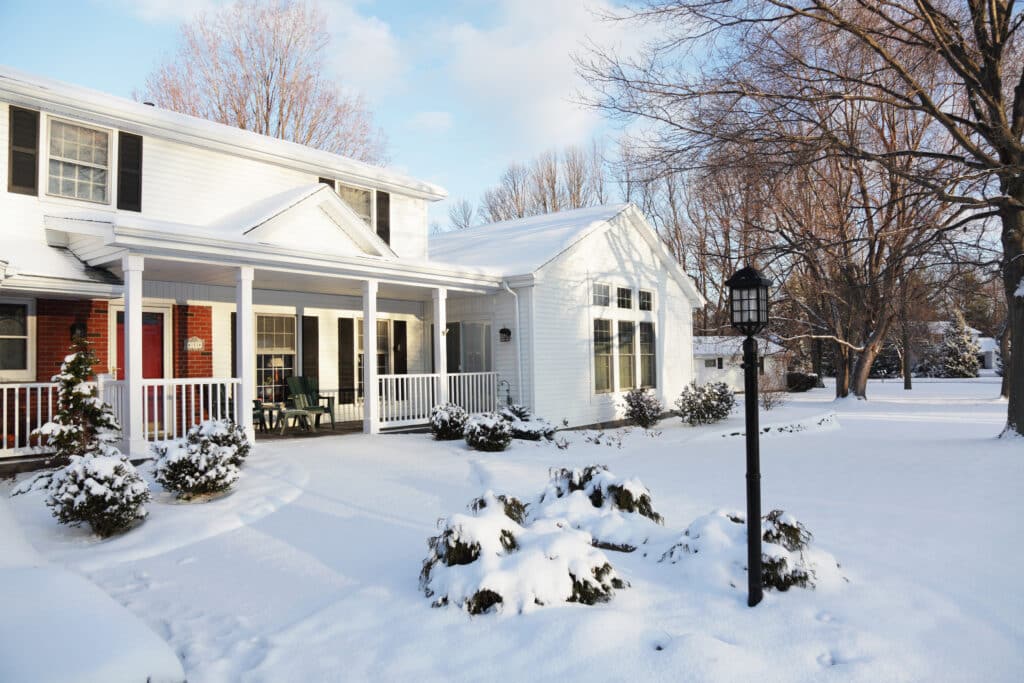
Winter is expensive. Not “oops, I bought one extra latte” expensive. We’re talking about the season when a thermostat becomes a financial decision, your driveway turns into a part-time job, and your car suddenly needs tires, washer fluid, de-icer, and possibly emotional support. So, which states spend the most in winter? The answer depends on what we mean by “spend”: household heating bills, electricity and fuel costs, snow removal, transportation, home maintenance, winter gear, and even seasonal recreation.
When all those cold-weather costs are considered together, the usual suspects rise to the top: Alaska, North Dakota, Maine, Vermont, Minnesota, New Hampshire, Montana, Wyoming, Wisconsin, and Michigan. These states combine harsh weather, long heating seasons, rural housing patterns, snow-heavy roads, and in many cases, higher-cost heating fuels such as heating oil, propane, or electricity. In other words, winter does not merely visit these places. It moves in, takes the guest room, and runs the utility bill.
How Winter Spending Is Measured
There is no single national scoreboard labeled “Winter Spending by State,” because winter expenses are spread across many categories. A household may pay more for natural gas, electricity, heating oil, or propane. A state government may spend heavily on plows, salt, road crews, and storm response. Families may also spend on snow tires, roof repairs, insulation, warm clothing, school delays, lost work hours, and higher grocery runs before a storm.
To understand which states spend the most in winter, it helps to look at several real-world factors: heating degree days, home energy use, local utility prices, heating fuel mix, snowfall, road maintenance needs, housing age, rural distance, and household income. A cold state with cheap natural gas may feel winter less painfully than a slightly warmer state where many homes depend on heating oil. Likewise, a snowy state with dense cities may spend differently than a rural state where every errand is a 40-mile expedition through wind that seems personally offended by human life.
The States That Likely Spend the Most in Winter
1. Alaska: The Champion of Cold-Weather Costs
Alaska belongs at the top of nearly any winter spending list. The state faces extreme cold, long heating seasons, remote communities, expensive logistics, and large transportation challenges. Many goods must travel long distances before reaching households, which raises the cost of fuel, food, building materials, and emergency supplies. In rural areas, energy costs can be dramatically higher because communities may rely on delivered fuel or isolated power systems.
Winter spending in Alaska is not just about keeping a house warm. It is about keeping pipes from freezing, vehicles operating, roofs safe under snow loads, and households stocked when weather interrupts travel. For many residents, winter budgeting is not optional. It is survival planning with a spreadsheet.
2. North Dakota: Cold, Windy, and Energy-Hungry
North Dakota ranks high because it combines severe cold, strong winds, rural living, and high residential energy use per person. The state’s winter temperatures often drop well below freezing, and wind chill can make ordinary outdoor tasks feel like a polar expedition sponsored by bad decisions.
Households in North Dakota may benefit from access to energy resources, but consumption is still substantial because homes must be heated for long stretches. Rural residents also face higher vehicle-related expenses in winter, including fuel, maintenance, tires, batteries, and emergency gear. In this state, winter does not just raise the heating bill; it raises the cost of moving through daily life.
3. Maine: Heating Oil Makes Winter More Expensive
Maine is one of the clearest examples of how heating fuel mix changes winter spending. Many homes in Maine rely on heating oil, which can be more volatile in price than natural gas. Add cold New England temperatures, older housing stock, rural roads, and heavy snow, and the result is a winter budget that deserves its own snow shovel.
Compared with states where natural gas pipelines are more common, Maine households may face higher seasonal swings. A cold snap can quickly turn into a costly month, especially for families in older homes with poor insulation. Even residents who use wood stoves, pellet stoves, or supplemental heat still face costs for fuel, chimney maintenance, tools, and time.
4. Vermont: Small State, Big Winter Bills
Vermont may be charming enough to appear on postcards, but its winter expenses are very real. The state has cold temperatures, snowy roads, rural households, and many homes that use fuel oil, propane, wood, or electric heat. It also has plenty of older houses, and older homes often leak heat like a gossip column leaks secrets.
Vermont’s winter costs include heating, snow removal, vehicle preparation, and home maintenance. Residents often invest in insulation, storm windows, backup generators, firewood, and roof care. Even simple daily routines can become more expensive when snow, ice, and steep roads enter the conversation.
5. Minnesota: Snow Removal Is a Serious Business
Minnesota earns its place because winter is long, cold, and operationally demanding. Heating demand is high, but the state’s public and private snow removal costs are also significant. From state highways to city streets to suburban driveways, snow management is part of the winter economy.
Residents spend on heating, winter clothing, snow blowers, ice melt, car batteries, tires, and garage repairs. Local governments spend on plows, salt, labor, and road repair. Minnesota winters are not subtle. They arrive with confidence, stay too long, and leave potholes as souvenirs.
6. New Hampshire: Cold Weather Meets High Energy Prices
New Hampshire faces a costly mix of cold winters and relatively high energy prices. Many homes use heating oil or propane, and electricity prices in New England tend to be higher than in several other regions. That creates pressure for households using electric heat pumps, baseboard systems, or backup electric heating.
New Hampshire also has rural and mountainous areas where winter driving is expensive and snow removal is constant. Homeowners may pay for roof raking, driveway plowing, insulation upgrades, and backup power. Renters may not directly control heating systems, which can make winter costs feel even more frustrating.
7. Montana: Long Distances and Brutal Cold
Montana’s winter spending profile is shaped by cold temperatures, large homes, rural distances, and transportation needs. Even when energy prices are not the highest in the nation, usage can be heavy because the state gets cold and stays cold. Heating a detached home during a Montana cold snap is not exactly a low-impact hobby.
Rural households may spend more on propane, wood, equipment maintenance, and long-distance driving. Snow tires, chains, engine block heaters, and emergency kits are not luxury items; they are practical tools. In Montana, winter spending is partly about comfort and partly about keeping life moving across big geography.
8. Wyoming: High Residential Energy Use
Wyoming often ranks near the top for residential energy consumption per person. That does not automatically mean every household has the highest bill, but it does show that homes use a lot of energy. The reasons are easy to understand: cold winters, wind exposure, detached housing, rural living, and long travel distances.
Wyoming households may face winter expenses for heating, vehicle fuel, snow equipment, livestock or property care, and emergency preparedness. A homeowner with acreage may spend far more in winter than a renter in a compact apartment, even within the same state.
9. Wisconsin: Heating, Snow, and Lake-Effect Challenges
Wisconsin has a classic high-winter-spending profile: cold temperatures, frequent snow, icy roads, and a long heating season. Some areas also experience lake-effect snow, which can make local costs higher than statewide averages suggest.
Households spend on natural gas, electricity, snow removal, winter clothing, and vehicle maintenance. Municipalities spend heavily to keep roads passable, and businesses must budget for heating large buildings, clearing parking lots, and managing winter safety risks. Wisconsin winter is beautiful, but beauty gets expensive when it requires salt trucks.
10. Michigan: Lake-Effect Snow and Home Heating Demand
Michigan’s winter costs are driven by cold weather, heavy snow in many regions, and the complications of Great Lakes weather. Lake-effect snow can create intense local snowfall, especially in western and northern parts of the state. That means more plowing, more roof stress, more heating, and more transportation delays.
Michigan also has many older homes that may need insulation, furnace service, window sealing, and weatherization. For households living in areas with high snowfall, winter spending includes snow blowers, driveway service, ice melt, boots, coats, and the annual ritual of wondering where the other glove went.
States With High Winter Bills but Different Spending Patterns
Some states may not always rank at the top for cold severity but still deserve attention. Massachusetts, Connecticut, Rhode Island, and New York can have high winter utility costs because of energy prices, older housing, and heating oil or electric heating in certain areas. However, dense housing in cities can reduce per-household heating needs because apartments share walls and lose less heat than detached homes.
Colorado and Utah are also interesting cases. Their winter household heating costs can be significant, especially in mountain communities, but they also attract major winter recreation spending. Ski trips, lodging, gear, lift tickets, restaurant spending, and winter tourism make these states major winter-spending economies, even if not every resident pays the same level of home heating costs.
Why Heating Fuel Matters So Much
The type of heating fuel a home uses can change the winter budget dramatically. Natural gas is common across much of the United States and is often less expensive per unit of heat than heating oil, propane, or electric resistance heat. Heating oil is concentrated in the Northeast, especially in states like Maine, Vermont, New Hampshire, Massachusetts, and Connecticut. Propane is common in rural areas where natural gas pipelines are not available.
Electric heating is becoming more common, especially as heat pumps improve and more homes move away from fossil fuels. Efficient heat pumps can be cost-effective in many climates, but electric resistance heating can become expensive in cold weather. The final bill depends on electricity rates, equipment efficiency, insulation, and how low the temperature drops.
Public Spending: Snowplows, Salt, and Road Repairs
Winter spending is not limited to households. State and local agencies spend billions nationally on snow and ice control. In colder states, winter road maintenance can consume a major share of transportation budgets. Plows, salt, brine, sand, labor, overtime, equipment repairs, and post-winter pavement damage all add up.
States such as Minnesota, Wisconsin, Michigan, New York, Pennsylvania, Maine, Vermont, and New Hampshire face recurring snow and ice management costs. Mountain states like Colorado, Wyoming, Montana, and Utah also spend heavily in specific corridors where elevation and storms create dangerous travel conditions. Winter road maintenance is one of those expenses most people only notice when it fails. Nobody praises a plowed road, but everyone becomes a transportation critic when the road looks like a frozen lasagna.
Household Winter Spending Beyond Heating
Heating is the star of the winter-cost show, but it is not the entire cast. Households in high-winter-cost states also spend on snow shovels, snow blowers, roof rakes, ice melt, windshield washer fluid, boots, coats, gloves, humidifiers, furnace filters, generator fuel, and emergency supplies. Cars may need winter tires, battery replacement, antifreeze checks, and more frequent maintenance.
Homes also require extra care. Frozen pipes, ice dams, roof leaks, drafts, and furnace breakdowns are common winter problems. A single emergency repair can turn an already expensive season into a budget ambush. This is why many residents in cold states treat fall as preparation season: service the furnace, seal the windows, clean the chimney, test the generator, and locate the snow shovel before the first storm turns the garage into an archaeological dig.
Winter Spending and Energy Burden
The states that spend the most in winter are not always the states where winter hurts the most. Energy burden matters. A wealthy household in a large New England home may spend more dollars, but a lower-income household in a rural area may spend a much higher share of income on heating. That difference is important.
Winter can be especially hard for seniors, renters, families in older homes, and households using expensive fuels. People may lower thermostats to uncomfortable levels, delay repairs, or rely on space heaters when central systems are too costly. Programs such as weatherization assistance and heating-bill support exist because winter energy costs can become a serious affordability issue, not just a seasonal annoyance.
How Residents Reduce Winter Costs
The most effective savings usually come from reducing heat loss. Air sealing, attic insulation, duct sealing, weatherstripping, and regular HVAC maintenance can make a major difference. Smart thermostats can also help, especially for homes that are empty during the day or have predictable schedules.
Simple habits matter too: lowering the thermostat while sleeping, replacing furnace filters, opening curtains on sunny days, closing them at night, using door draft stoppers, and sealing basement rim joists. In very cold states, small improvements can save real money because heating systems run for so many months. A tiny draft in October becomes a very expensive breeze by February.
Real-Life Winter Spending Experiences
To understand winter spending, imagine three households. The first is a family in Maine living in an older farmhouse heated by oil. They start watching fuel prices before Halloween. By December, they are checking the tank level the way other people check social media. A delivery can cost hundreds of dollars, and a colder-than-expected month changes the family budget instantly. They may supplement with a wood stove, but that brings its own work: stacking wood, cleaning ash, maintaining the chimney, and making sure the house stays evenly warm enough to protect pipes.
The second household is in Minnesota. Their home uses natural gas, so the heating bill may be more predictable, but snow removal becomes a major part of life. They own a snow blower, keep bags of ice melt near the door, and budget for car maintenance before the first hard freeze. A weak battery is not a minor inconvenience in January; it is a morning disaster wearing mittens. They also spend on winter sports, school snow pants, heavier coats, and extra fuel when commutes slow down during storms.
The third household is in rural Montana. The house is far from town, the driveway is long, and winter preparation starts early. They keep extra food, water, flashlights, blankets, and vehicle emergency supplies. If they use propane, they think carefully about delivery timing. If they heat partly with wood, they know warmth has a labor cost. A trip to the grocery store is not just a quick errand when roads are icy and daylight is short. Winter spending includes time, fuel, caution, and backup plans.
These experiences show why winter spending cannot be measured only by one utility bill. The true cost of winter is a bundle of household decisions. Do you pay for driveway plowing or do it yourself? Do you buy the better boots now or suffer through cold feet and regret? Do you replace the furnace before it fails, or wait and hope it does not choose the coldest night of the year to retire dramatically?
In high-cost winter states, people often develop practical habits that outsiders may not notice. They keep curtains closed at night. They put plastic film over drafty windows. They store blankets in the car. They know which rooms are colder, which pipes are vulnerable, and which neighbor owns the heroic snow blower. They may compare fuel suppliers, buy pellets early, schedule furnace service in fall, and keep an emergency fund for the kind of repair that always arrives with freezing rain.
There is also a psychological side to winter spending. In warm states, a cold week may feel like a novelty. In cold states, winter is a long financial season. People plan around it. They delay purchases, stock up strategically, and make tradeoffs between comfort and cost. The joke is that winter builds character. The truth is that winter builds invoices.
Final Answer: Which States Spend the Most in Winter?
The states that likely spend the most in winter are Alaska, North Dakota, Maine, Vermont, Minnesota, New Hampshire, Montana, Wyoming, Wisconsin, and Michigan. Alaska leads because of extreme cold and logistics. North Dakota, Montana, and Wyoming rank high because of cold weather, rural housing, and heavy energy use. Maine, Vermont, and New Hampshire face high heating demand and costly fuel mixes. Minnesota, Wisconsin, and Michigan carry major snow removal, heating, and transportation costs.
Still, the answer changes depending on the category. For household heating pain, look closely at Alaska and northern New England. For snow removal and road maintenance, the Upper Midwest and Great Lakes states stand out. For winter recreation spending, Colorado and Utah enter the conversation. For energy burden, lower-income households in many states may struggle even when their total dollar spending is not the highest.
The big lesson is simple: winter spending is about climate, fuel, housing, infrastructure, and income all working together. A cold state is expensive, but a cold state with older homes, rural roads, high energy prices, and volatile heating fuels is where winter really opens its wallet and starts ordering appetizers.
Note: This article synthesizes information from U.S. energy, consumer spending, climate, transportation, census, and energy-efficiency sources. The ranking is an editorial analysis based on winter-related cost drivers, not a single official government ranking.