

Note: This article is for educational purposes only and does not replace advice from a qualified healthcare professional. People living with HIV should talk with their HIV care provider, pharmacist, or infectious disease specialist about COVID vaccines, boosters, antiviral treatment, and possible drug interactions.
COVID-19 and HIV are two very different viruses, but they do have one awkward thing in common: both can make people think about the immune system more than they ever wanted to. One virus can cause a short-term respiratory infection that sometimes becomes severe. The other is a lifelong condition that affects immune cells and requires ongoing care. Put them together in one search bar, and suddenly the internet becomes a dramatic soap opera starring “risk,” “vaccines,” “variants,” and one very confused immune system.
The good news is that the real story is more practical than scary. For many people living with HIVespecially those taking antiretroviral therapy, maintaining an undetectable viral load, and keeping healthy CD4 countsCOVID-19 prevention and treatment look very similar to the approach used for everyone else. The risk picture changes, however, when HIV is untreated, advanced, or accompanied by other health conditions such as diabetes, heart disease, lung disease, kidney disease, or older age.
This guide explains the link between COVID and HIV, what vaccines mean for people living with HIV, how treatment works, what myths deserve retirement, and how to make smart everyday decisions without turning your medicine cabinet into a conspiracy board with red string.
COVID and HIV: What Is the Connection?
COVID-19 is caused by SARS-CoV-2, a coronavirus that mainly spreads through respiratory droplets and aerosols. It can cause symptoms such as fever, cough, sore throat, fatigue, shortness of breath, body aches, loss of taste or smell, congestion, stomach upset, or no symptoms at all. In some people, it can lead to pneumonia, blood clots, hospitalization, long COVID, or death.
HIV, or human immunodeficiency virus, attacks CD4 cells, which are a type of white blood cell that helps coordinate immune defense. Without treatment, HIV can weaken the immune system over time and progress to AIDS. With modern antiretroviral therapy, often called ART, many people living with HIV can achieve an undetectable viral load, protect their immune health, and live long, active lives.
The link between COVID and HIV is not that one automatically causes the other. COVID does not cause HIV, and HIV does not cause COVID. The connection is about immune function, inflammation, access to healthcare, vaccine response, and the risk of severe illness in certain groups.
Does HIV Increase the Risk of Severe COVID?
The answer is: sometimes, depending on the person’s immune status and overall health. HIV is not a single risk category where everyone has the same experience. A person who has been on ART for years, has an undetectable viral load, and has a strong CD4 count may face a much different level of risk than someone with untreated HIV, a very low CD4 count, or multiple chronic conditions.
People living with HIV may be at higher risk for severe COVID-19 when they have advanced or untreated HIV, low CD4 counts, unsuppressed viral load, older age, or additional medical conditions. This matters because COVID severity is often influenced by layers of risk. Think of it like stacking luggage before a trip: one small bag is manageable; five oversized suitcases and a wobbly backpack make everything harder.
Key factors that may affect COVID risk in people with HIV
CD4 count: A lower CD4 count can suggest weaker immune protection. People with very low CD4 counts may have a harder time fighting infections.
Viral load: An undetectable or suppressed HIV viral load generally means HIV is well controlled. Unsuppressed HIV may signal a need for closer medical care.
ART adherence: Taking HIV medication consistently helps protect immune function. Skipping doses can allow HIV to rebound and may increase health risks.
Other conditions: Diabetes, obesity, chronic kidney disease, heart disease, lung disease, cancer, smoking, and older age can increase the chance of severe COVID outcomes.
Access to care: Delayed testing, delayed treatment, lack of insurance, stigma, transportation problems, and medication interruptions can all make outcomes worse.
Can COVID Affect HIV?
For most people on stable HIV treatment, getting COVID does not mean HIV treatment suddenly stops working. COVID can temporarily stress the body, increase inflammation, interrupt routines, and make it harder to keep appointments or refill medications. But the most important rule is simple: do not stop ART unless a qualified clinician specifically tells you to.
During an acute illness, lab numbers can sometimes wobble. A person may feel exhausted, miss meals, sleep poorly, or forget a dose. That does not mean everything has collapsed. It means the body is dealing with a viral guest that was not invited and has terrible manners. After recovery, an HIV care team may check viral load or CD4 count if there is concern.
People with HIV who test positive for COVID should contact their healthcare provider promptly, especially if they are older, immunocompromised, pregnant, have chronic medical conditions, or have symptoms that are getting worse. Early treatment works best when started quickly.
COVID Vaccines and HIV: Are They Safe?
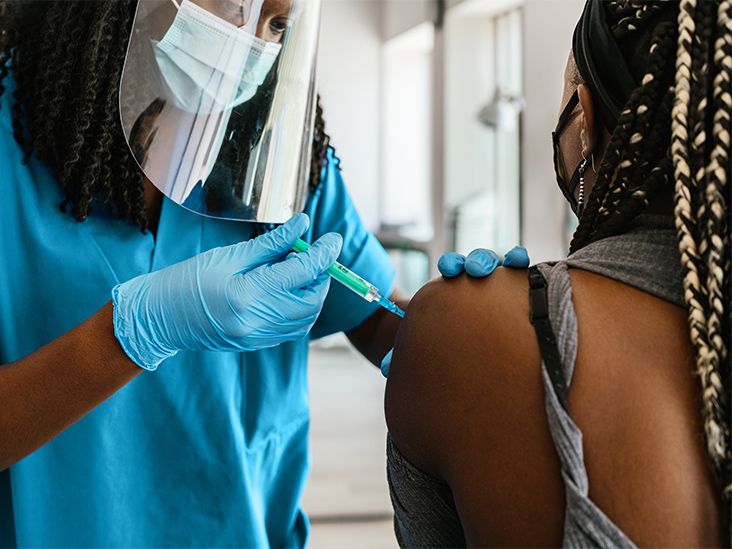
COVID vaccines are considered safe for people living with HIV. HIV is not a reason to automatically avoid COVID vaccination. People with HIV were included in COVID vaccine studies, and public-health agencies continue to recommend that people with HIV discuss vaccination with their healthcare provider based on their age, immune status, vaccine history, and current guidance.
COVID vaccines do not give a person HIV. They do not contain HIV. They do not interfere with ART or PrEP. They also do not make someone “more infectious” with HIV. That rumor belongs in the same dusty attic as “you can get the flu from the flu shot” and “gum stays in your stomach for seven years.”
Why vaccination matters
Vaccines train the immune system to recognize parts of SARS-CoV-2 so the body can respond faster if exposed. They may not prevent every infection, especially as variants change, but they reduce the risk of severe illness, hospitalization, and death. For people with HIV, especially those with additional risk factors, that protection can be important.
People who are moderately or severely immunocompromised may need a different vaccine schedule or additional doses. This can include some people with advanced or untreated HIV. The exact recommendation depends on age, vaccine history, immune status, and the vaccine formulation available at the time.
Common vaccine side effects
Side effects are usually short-lived and may include a sore arm, fatigue, headache, chills, fever, muscle aches, or swollen lymph nodes. These symptoms are signs that the immune system noticed the vaccine and is doing paperwork. Annoying? Yes. Usually brief? Also yes.
People who have had severe allergic reactions to a vaccine ingredient should discuss options with a clinician. People who are currently sick with COVID should usually wait until they are no longer infectious and symptoms have improved before getting vaccinated.
Do People With HIV Respond Normally to COVID Vaccines?
Many people living with HIV respond well to COVID vaccines, especially when HIV is well controlled. Studies have shown that vaccinated people with HIV can develop strong immune responses. However, vaccine response may be weaker in people with advanced HIV, low CD4 counts, or unsuppressed viral load.
This does not mean vaccination is pointless. It means some people may need additional protection, such as staying up to date with recommended doses, improving ART adherence, treating other health conditions, masking in high-risk settings, improving ventilation, testing early, and seeking COVID treatment quickly when eligible.
In other words, protection is not one magic shield. It is a layered outfit. Vaccine? Jacket. ART? Boots. Testing? Umbrella. Antiviral treatment? Emergency rain poncho. Masking in crowded indoor spaces? The hat you thought you did not need until the weather got rude.
COVID Treatment for People Living With HIV
COVID treatment for people with HIV is generally similar to treatment for people without HIV. The biggest difference is that clinicians must check for drug interactions, especially when using antiviral medicines.
Some people at higher risk for severe COVID may be eligible for antiviral treatment. Options may include oral antivirals or IV treatment, depending on availability, timing, medical history, kidney or liver function, pregnancy status, and medication interactions. Treatment usually works best when started early, often within the first few days of symptoms.
Medication interactions matter
One commonly used COVID antiviral includes ritonavir, which can interact with many medications. Ritonavir is also familiar in HIV care because it has been used as a boosting agent in some HIV regimens. That does not automatically mean a person cannot take COVID treatment, but it does mean a doctor or pharmacist should review the full medication list.
People with HIV should tell their clinician about all prescriptions, over-the-counter medicines, supplements, and recreational substances. Yes, even the “natural” supplement with a label that looks like it was designed by a wizard. Natural does not always mean interaction-free.
Should You Change HIV Medication During COVID?
People should not change or stop HIV medication because of COVID unless their healthcare provider recommends it. There is no general rule that ART must be changed during COVID infection. Staying on ART is one of the best ways to protect immune health.
Some early pandemic theories suggested that certain HIV medications might protect against COVID. Research has not supported using HIV medicine as a DIY COVID shield. HIV treatment should be chosen to control HIV, not to chase internet theories about coronavirus prevention.
Long COVID and HIV
Long COVID refers to symptoms that continue or appear after the acute infection has passed. Symptoms may include fatigue, brain fog, shortness of breath, chest discomfort, sleep problems, dizziness, digestive issues, joint pain, mood changes, or post-exertional crashes. The condition can affect people who had mild or severe initial infections.
Researchers are still studying whether people with HIV have a higher risk of long COVID. The answer may depend on immune status, viral suppression, inflammation, age, vaccination status, repeated infections, and other health conditions. Because HIV itself can be associated with chronic inflammation, scientists are especially interested in how these two conditions overlap.
People with HIV who experience lingering symptoms after COVID should not assume everything is “just stress” or “just HIV.” They deserve a careful evaluation. A clinician may check oxygen levels, heart and lung function, anemia, thyroid problems, medication effects, depression, sleep issues, or other infections.
Prevention Tips for People With HIV
Prevention does not have to mean living in a bubble, ordering groceries through a telescope, or treating every elevator ride like a spy mission. It means making smart choices based on personal risk.
Stay consistent with HIV care
Take ART exactly as prescribed. Keep refills current. Attend routine appointments. Track viral load and CD4 count as recommended. If medication cost, side effects, housing, transportation, or stigma gets in the way, tell the care team. HIV care works best when it is realistic, not when it expects people to live like perfectly organized robots.
Stay updated on COVID vaccination
COVID vaccine recommendations change as variants evolve and public-health guidance updates. People with HIV should ask their clinician which dose schedule applies to them, especially if they have advanced HIV, low CD4 counts, recent treatment interruptions, or other immunocompromising conditions.
Use masks strategically
A high-quality mask can help in crowded indoor spaces, healthcare settings, airports, public transportation, or during surges. People at higher risk may choose to mask more often. Masking is not a personality trait; it is a tool. Like an umbrella, it is more useful when the forecast looks messy.
Test early when symptoms appear
Testing helps people make decisions quickly. If a person with HIV tests positive and has risk factors for severe COVID, early contact with a healthcare provider can open the door to timely treatment.
Improve indoor air
Ventilation and filtration reduce the amount of virus in indoor air. Opening windows, using HEPA filters, meeting outdoors, or improving airflow can lower risk without turning every gathering into a medical conference.
Myths About COVID and HIV
Myth 1: Everyone with HIV is severely immunocompromised
Not true. Many people living with HIV have strong immune systems because ART keeps the virus suppressed. Risk depends on the individual’s health, CD4 count, viral load, age, and other conditions.
Myth 2: COVID vaccines are unsafe for people with HIV
Not true. COVID vaccines are considered safe for people living with HIV. People with questions should discuss timing and dose schedules with their provider, not with a comment section named “TruthWarrior1978.”
Myth 3: ART protects against COVID by itself
Not proven. ART protects immune health by controlling HIV. It should not be treated as a substitute for COVID vaccination, testing, ventilation, masking, or COVID treatment when needed.
Myth 4: If your viral load is undetectable, COVID cannot affect you
Also not true. An undetectable HIV viral load is excellent for HIV control and prevents sexual transmission of HIV, but it does not make a person immune to COVID.
Questions to Ask Your Healthcare Provider
People living with HIV can make COVID decisions easier by asking direct questions during routine care. Helpful questions include:
- Am I considered moderately or severely immunocompromised?
- What is my latest CD4 count and viral load?
- Which COVID vaccine schedule applies to me this season?
- Should I receive additional vaccine doses?
- If I test positive for COVID, should I call immediately for antiviral treatment?
- Could COVID antivirals interact with my HIV medications?
- Do I need extra precautions at work, school, travel, or family events?
Practical Experiences and Real-Life Lessons
Consider a person named Marcus, who has lived with HIV for ten years, takes ART daily, and has an undetectable viral load. When COVID cases rise in his city, he does not panic. He checks whether he is up to date on his COVID vaccine, keeps a few rapid tests at home, and wears a high-quality mask on packed trains. When he gets a sore throat after a crowded wedding, he tests early. The result is negative, so he repeats the test the next day. Still negative. He drinks tea, rests, and does not turn the group chat into a medical thriller.
Now think about Elena, who was recently diagnosed with HIV and has not yet reached viral suppression. Her CD4 count is low, and she also has asthma. Her doctor explains that she may have a higher risk of severe COVID and should be extra careful while starting ART. Elena gets clear instructions: take HIV medication consistently, update vaccines, call quickly if COVID symptoms appear, and avoid delaying care. Her plan is not about fear. It is about giving her immune system backup while ART begins doing its job.
Another common experience involves medication interactions. James tests positive for COVID and asks for antiviral treatment. Before prescribing anything, his clinician reviews his HIV regimen, cholesterol medication, and blood pressure pills. This review matters because some COVID treatments can interact with other drugs. James does not guess, skip pills, or ask a search engine to play pharmacist. He gets a safe plan, starts treatment promptly, and monitors symptoms.
Some people living with HIV also describe emotional fatigue. After years of managing appointments, labs, insurance forms, stigma, and daily medication, COVID added another layer of “really, this too?” That feeling is valid. Health management can become exhausting when every new headline sounds like a pop quiz. A practical routine can help: keep medications filled, save the clinic number, know where to test, ask about vaccines during HIV visits, and write down which symptoms require urgent care.
There are also social experiences. A person may need to explain to family why they are masking indoors or skipping a crowded event during a surge. The conversation does not need to become a courtroom drama. A simple line works: “I’m being careful because of my health, and I’m following my doctor’s advice.” No one owes a full medical history to a cousin who learned immunology from memes.
The biggest lesson is that COVID and HIV care works best when it is personalized. A person with well-controlled HIV may focus on routine prevention. A person with advanced HIV may need closer follow-up. Someone with other conditions may need rapid treatment access. The goal is not to live nervously; it is to live prepared.
Conclusion
COVID and HIV are connected through the immune system, but the relationship is not one-size-fits-all. Well-controlled HIV with consistent ART, viral suppression, and stable immune health often means a person can follow standard COVID prevention and treatment guidance, with personalized advice from a clinician. Advanced or untreated HIV, low CD4 counts, unsuppressed viral load, older age, and other chronic conditions can increase the risk of severe COVID and may call for extra protection.
COVID vaccines are safe for people living with HIV, do not cause HIV, and do not interfere with ART or PrEP. Staying current on vaccination, maintaining HIV treatment, testing early, asking about antivirals, checking for drug interactions, and using layered prevention can make a real difference. The best plan is not panic. It is partnership: you, your healthcare team, your medications, and a few sensible precautions working together like a very responsible group project.