

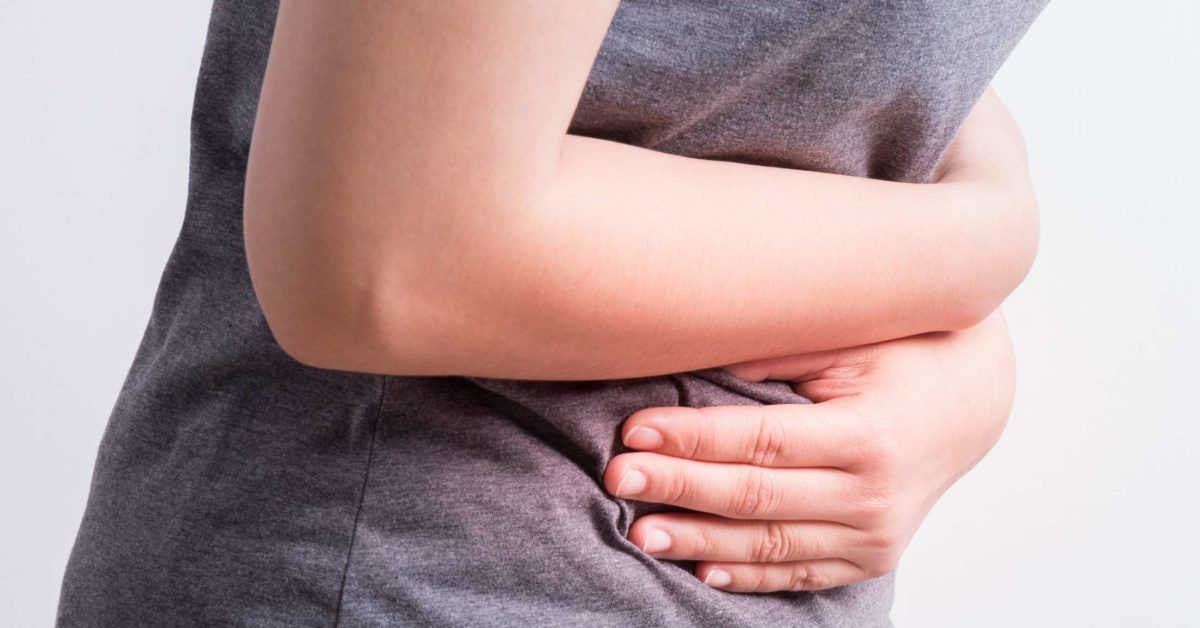
Birth control is often prescribed to calm menstrual cramps, so developing pelvic pain while using it can feel like a plot twist nobody ordered. The good news is that mild cramping may be a temporary response to hormonal changes, breakthrough bleeding, or a newly inserted intrauterine device. The less-comfortingbut importantnews is that persistent or severe pain can sometimes point to pregnancy, infection, an improperly positioned IUD, or an underlying gynecologic condition.
The meaning of cramps on birth control depends on the method you use, when the symptoms began, whether bleeding is present, and what other symptoms have joined the party. Understanding those clues can help you decide whether to try simple relief measures, schedule an appointment, or seek urgent care.
Can Birth Control Cause Cramps?
Yes, certain birth control methods can cause temporary cramps. However, many hormonal contraceptives eventually make periods lighter and less painful. Combination pills, progestin-only pills, patches, vaginal rings, injections, implants, and hormonal IUDs can reduce menstrual discomfort by suppressing ovulation, thinning the uterine lining, or reducing the hormonal signals that promote uterine contractions.
Menstrual cramps are largely associated with prostaglandins, chemicals that encourage the uterus to contract as it sheds its lining. A thicker lining can produce more prostaglandins and more vigorous contractions. Hormonal birth control often creates a thinner lining, leaving the uterus with less material to remove and, ideally, less reason to behave like it is auditioning for a demolition crew.
Results are not identical for everyone. A method that delivers peaceful, barely noticeable periods for one person may cause irregular bleeding and cramps for another. Symptoms may also change over time as the body adapts, health conditions evolve, or medication use becomes less consistent.
Common Causes of Cramps While on Birth Control
1. Your Body Is Adjusting to New Hormone Levels
Starting, stopping, or switching hormonal contraception changes the pattern of estrogen and progestin in the body. During the first several cycles, the uterine lining may shed irregularly, causing spotting, light bleeding, and cramp-like discomfort. These symptoms often improve as the body becomes accustomed to the new method.
Adjustment symptoms are especially common after beginning a new pill formulation, using an extended-cycle schedule, receiving an injection, or placing an implant. Some progestin-only pill information specifically lists stomach cramps, bloating, irregular periods, or painful periods among possible side effects.
2. Breakthrough Bleeding
Breakthrough bleeding is spotting or bleeding that occurs outside the expected withdrawal bleed or period. It is common during the early months of hormonal contraception and can be accompanied by mild cramping because the uterus is still shedding a small amount of lining.
Breakthrough bleeding may be more likely when pills are missed, taken late, or used alongside medications that affect hormone levels. It may also occur with implants, hormonal IUDs, continuous pill regimens, and progestin-only methods. The bleeding is usually not dangerous, but persistent, heavy, or painful bleeding deserves medical evaluation.
3. The Hormone-Free Interval
People using combination pills, the patch, or a vaginal ring may have a scheduled hormone-free interval. The bleeding that occurs during this interval is technically withdrawal bleeding rather than a natural menstrual period, but it can still come with uterine contractions and cramps.
Some clinicians recommend continuous or extended-cycle contraception for people with painful withdrawal bleeding. By reducing the number of hormone-free intervals, these schedules may reduce bleeding episodes and cramping. Spotting can be more frequent during the first few months, so the trade-off may initially feel like swapping one mildly annoying roommate for another.
4. Missed or Late Birth Control Pills
Missing pills can allow hormone levels to fall, which may trigger spotting, bleeding, and cramps. Missing doses can also reduce pregnancy protection, depending on the type of pill, the number of missed doses, and where the missed pills occurred in the pack.
Follow the instructions supplied with your specific contraceptive rather than relying on generic advice. Different pills have different timing rules. Consider a pregnancy test or contact a healthcare professional when pills were missed and pregnancy is possible, particularly if cramping occurs with a late withdrawal bleed, unusual spotting, nausea, or breast tenderness.
5. IUD Insertion and Early Adjustment
Cramping during and shortly after IUD insertion is common because the cervix and uterus are responding to the procedure and the presence of the device. Mild cramps and spotting may continue intermittently while the uterus adjusts.
With hormonal IUDs, bleeding and cramps often decrease over time, and some users eventually have very light periods or no periods. A copper IUD contains no hormones and may make periods heavier, longer, or more painful, especially during the first three to six months.
6. Ovulation or Ovarian Cysts
Not every contraceptive method consistently suppresses ovulation. Ovulation pain, sometimes called mittelschmerz, may feel like a brief ache or sharp cramp on one side of the lower abdomen. It often appears around the middle of a cycle.
Functional ovarian cysts can also cause pelvic pressure or pain. Many resolve without treatment, but sudden, severe, or persistent one-sided pain needs evaluation, especially when accompanied by vomiting, weakness, fever, or dizziness. Combined hormonal pills can prevent ovulation-related pain for some patients, although they are not appropriate for everyone.
7. An Underlying Gynecologic Condition
Birth control may reduce symptoms without eliminating the condition responsible for them. Endometriosis, adenomyosis, uterine fibroids, ovarian cysts, and other pelvic disorders can cause cramps even when contraception is used correctly.
Secondary dysmenorrhea is menstrual pain caused by an identifiable condition rather than ordinary prostaglandin-driven contractions. Warning patterns include pain that becomes progressively worse, begins later in adulthood, occurs between periods, continues after bleeding ends, or appears during sex or bowel movements.
8. Pelvic Infection
Birth control does not rule out a sexually transmitted infection. Most contraceptive methods also do not protect against STIs; condoms can provide additional protection when used correctly.
Pelvic inflammatory disease may cause lower abdominal pain, fever, unusual or foul-smelling discharge, painful urination, pain or bleeding during sex, and bleeding between periods. Symptoms can be mild, so new pelvic pain should not automatically be blamed on hormonesparticularly after a new sexual exposure.
9. Pregnancy, Including Ectopic Pregnancy
No reversible birth control method is completely failure-proof. Pregnancy should be considered when cramps occur with missed contraception, a late period, pregnancy symptoms, or unusual bleeding.
An ectopic pregnancy develops outside the main uterine cavity and can cause one-sided pelvic or abdominal pain, vaginal bleeding, shoulder pain, weakness, dizziness, or fainting. It can become life-threatening if it ruptures. A positive pregnancy test combined with pelvic pain requires prompt medical assessment, even if birth control was used.
10. A Cause Unrelated to Birth Control
Not every lower-abdominal cramp comes from the uterus. Constipation, intestinal gas, irritable bowel symptoms, urinary tract infections, kidney stones, muscle strain, and appendicitis can all produce discomfort that resembles menstrual cramps.
Urinary urgency, frequent urination, or burning may suggest a bladder infection. Pain that moves to the right lower abdomen, worsens rapidly, or appears with fever and vomiting needs urgent evaluation rather than another heating-pad session.
How to Treat Cramps on Birth Control
Use Heat
A heating pad, warm bath, or hot-water bottle can relax tense muscles and provide practical relief for mild menstrual cramps. Protect the skin with a layer of fabric and avoid falling asleep with an electric heating pad switched on.
Consider an Over-the-Counter Pain Reliever
Nonsteroidal anti-inflammatory drugs, such as ibuprofen or naproxen, can reduce prostaglandin production and are commonly used for menstrual pain. They may work best when taken near the beginning of symptoms rather than after pain has reached its grand finale. Follow the product label or your clinician’s directions.
NSAIDs may not be suitable for people with kidney disease, stomach ulcers, certain bleeding disorders, NSAID allergies, or those taking blood thinners. Acetaminophen may be an alternative for some people, although it does not have the same anti-inflammatory effect. Ask a healthcare professional when you are unsure which medication is safe.
Try Gentle Movement
Light walking, stretching, yoga, or another comfortable form of activity may ease muscle tension and support circulation. Rest is reasonable when pain is intense, but staying completely motionless for hours can sometimes make stiffness and bloating feel worse.
Track Symptoms
Record when the cramps begin, how long they last, where they are located, and whether they occur with bleeding, sex, urination, bowel movements, or missed contraception. Also record pain severity, medication use, and any associated fever, discharge, nausea, dizziness, or pregnancy symptoms.
A clear symptom log can help a clinician distinguish an expected adjustment effect from endometriosis, infection, an IUD problem, or another condition. It can also reveal whether symptoms consistently appear during a hormone-free interval.
Review How You Use Your Method
Check whether pills have been taken late, a patch detached, a ring remained out longer than recommended, an injection was delayed, or medications were started that might affect contraception. Use the official instructions for the specific product and contact a pharmacist or clinician when the guidance is unclear.
Do not double doses, alter a hormone schedule, or remove an IUD on your own unless a qualified professional has instructed you to do so.
Discuss Changing the Method or Schedule
When cramps continue beyond the expected adjustment period or interfere with daily life, a different formulation may be more comfortable. Options may include changing pill doses, using a different progestin, switching from a copper IUD to a hormonal method, or using a continuous hormonal schedule to reduce withdrawal bleeding.
The best choice depends on medical history, pregnancy goals, migraine history, blood pressure, smoking status, clotting risks, medication interactions, and personal preferences. Contraception should be selected through informed, voluntary decision-makingnot through a contest to see how much discomfort someone can tolerate.
Treat the Actual Cause
If testing identifies an infection, endometriosis, adenomyosis, fibroids, a cyst, or another condition, treatment should target that diagnosis. Hormonal contraception may remain part of the plan, but additional medication, antibiotics, imaging, pelvic-floor therapy, or surgery may be appropriate in selected cases.
When Should You Contact a Healthcare Professional?
Arrange a medical appointment when cramps:
- Persist for several cycles without improving.
- Become noticeably worse after previously being manageable.
- Interfere with work, sleep, school, exercise, or normal activities.
- Occur between periods or after sex.
- Continue well after bleeding has stopped.
- Come with unusually heavy, prolonged, or irregular bleeding.
- Begin after an IUD has been in place without problems for months or years.
- Do not improve with appropriate over-the-counter treatment.
A clinician may review medication use, perform a pregnancy or STI test, complete a pelvic examination, or recommend an ultrasound depending on the symptoms.
Seek Urgent Care for Red-Flag Symptoms
Get urgent medical attention for sudden or severe abdominal or pelvic pain, fainting, marked dizziness, shoulder pain, rapidly increasing bleeding, fever with pelvic pain, repeated vomiting, a rigid or extremely tender abdomen, or a positive pregnancy test with cramps or bleeding. These symptoms should not be treated as a routine birth control side effect.
Experiences With Cramps on Birth Control: What the Adjustment Period May Feel Like
The following scenarios are illustrative composites rather than individual medical case reports. They show common symptom patterns and the practical decisions people may face.
The New Pill and the Surprise Week-Two Cramps
Imagine someone who starts a combination pill because her natural periods arrive with cramps powerful enough to cancel weekend plans. During the second week of the first pack, she develops light spotting and a dull lower-abdominal ache. Understandably, she wonders whether the pill is making everything worse.
She checks the instructions, confirms that no pills were missed, and tracks the symptoms. The discomfort remains mild, improves with heat, and disappears after two days. Similar spotting occurs during the second pack but is lighter. By the fourth pack, her scheduled bleeding is shorter and her cramps are significantly less intense.
This pattern can fit hormonal adjustment. The important details are that the pain was mild, temporary, and not accompanied by fever, unusual discharge, severe bleeding, or pregnancy risk. Tracking the trend helped her see improvement instead of judging the entire method based on one inconvenient Tuesday.
The Copper IUD and the Extra-Dramatic Period
Another person chooses a copper IUD because she prefers hormone-free contraception. The insertion causes strong cramps that settle over the next day. Her first two periods are heavier and more painful than usual. She uses an approved pain reliever, applies heat, and records how frequently she changes menstrual products.
During the following months, the flow gradually becomes more manageable, although her periods remain somewhat heavier than before. Because the symptoms improve and no warning signs appear, she decides that the convenience of long-term contraception outweighs the additional cramping.
A different person might make the opposite decision, and that is equally valid. If copper-IUD cramps remain severe, cause anemia, or disrupt normal life, discussing removal or a hormonal IUD is reasonable. Contraception is supposed to work for the person using it, not merely win an award for technical effectiveness.
The Cramp That Was Not a Birth Control Side Effect
Consider someone who has used a hormonal IUD comfortably for two years and suddenly develops one-sided pelvic pain. Because she has an IUD, she initially assumes pregnancy is impossible. The pain intensifies, light bleeding begins, and she becomes dizzy. A pregnancy test is positive.
This combination requires urgent evaluation for ectopic pregnancy. The lesson is not that IUDs are unsafe; they are among the most effective reversible contraceptives. The lesson is that a major change from an established pattern deserves attention. A symptom that appears after two stable years is different from mild cramping during the first week after insertion.
The “Normal” Cramps That Kept Getting Worse
One more common experience involves a person whose cramps improve slightly on birth control but never disappear. Over time, the pain begins earlier, lasts longer, and occurs during bowel movements and sex. She assumes painful periods are simply part of adulthood until the symptoms start interfering with work.
After evaluation, her clinician suspects endometriosis and discusses further testing and treatment. Birth control was not necessarily causing the cramps; it may have been partially suppressing an underlying condition. This distinction matters because repeatedly switching contraceptives without investigating progressive pain can delay an accurate diagnosis.
What These Experiences Have in Common
Timing, severity, associated symptoms, and changes from a person’s usual pattern provide more useful information than the word “cramp” alone. Mild discomfort soon after starting a method may improve. Severe, progressive, one-sided, or unusual pain needs a different response.
People also define “tolerable” differently. One person may accept temporary spotting for lighter future periods, while another may prefer a method that produces more predictable bleeding. A good healthcare conversation should consider effectiveness, safety, pain, bleeding patterns, convenience, cost, and personal comfortnot effectiveness alone.
Conclusion
Cramps on birth control can result from early hormonal adjustment, breakthrough bleeding, missed doses, a hormone-free interval, IUD insertion, or the naturally crampier periods sometimes associated with a copper IUD. In many cases, symptoms improve with time, heat, appropriate pain relief, and consistent contraceptive use.
Persistent or severe cramps should not be dismissed. Pregnancy, ectopic pregnancy, pelvic infection, endometriosis, adenomyosis, fibroids, ovarian cysts, and non-gynecologic problems can all cause pelvic pain. Pay particular attention to symptoms that are sudden, one-sided, progressive, or accompanied by fever, fainting, unusual discharge, heavy bleeding, or a positive pregnancy test.
The right birth control method should provide reliable pregnancy prevention without making daily life miserable. When a method is not meeting both goals, a clinician can help identify the cause and discuss safer, more comfortable alternatives.