

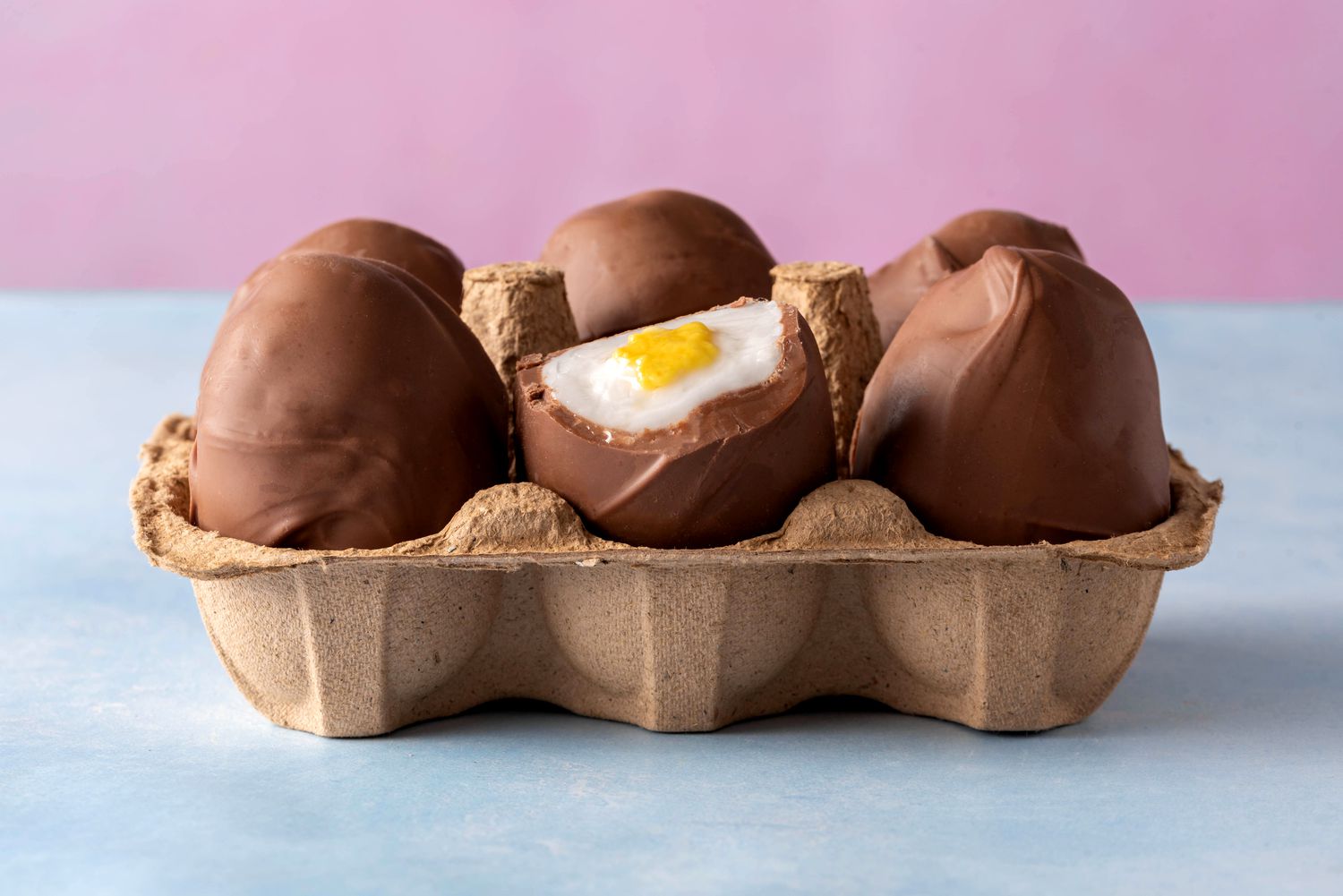
If Easter candy had a dramatic lead actor, it would absolutely be the creme-filled chocolate egg. It has everything: a glossy chocolate shell, a sweet vanilla center, a bright little “yolk” moment, and just enough mess potential to make you feel like a very ambitious genius in the kitchen. The good news? You do not need a candy factory, a golden ticket, or nerves of steel to make a batch at home.
This Creme-Filled Chocolate Eggs Recipe is a homemade, crowd-pleasing version of the classic spring candy. It uses a soft fondant-style filling made with pantry staples, then wraps that creamy center in melted chocolate for the ultimate homemade Easter candy. The result is rich, sweet, nostalgic, and a little over-the-top in the best possible way.
If you have ever wanted to make copycat creme eggs, impress the dessert table, or simply prove that you can indeed make tiny edible masterpieces in your own kitchen, this recipe is for you. Let’s make some chocolate magic.
Why This Recipe Works
Homemade creme-filled eggs are easier than they look because the process is mostly about texture, not complicated pastry science. The filling is thick enough to shape, soft enough to bite into, and sweet enough to taste like classic Easter candy. A small yellow center gives each egg that familiar look, while chilling the shaped filling makes dipping much less chaotic.
The chocolate shell matters too. When you melt chocolate gently and keep it smooth, your eggs look prettier, set faster, and are less likely to turn into blotchy little heartbreaks. In other words, this recipe is built for real kitchens, real schedules, and real people who occasionally drip chocolate on the counter and call it “decorating.”
Ingredients for Homemade Creme-Filled Chocolate Eggs
For the creme filling
- 1/2 cup unsalted butter, softened
- 1/3 cup light corn syrup
- 1 teaspoon vanilla extract
- 1/4 teaspoon fine salt
- 3 to 3 1/2 cups powdered sugar, sifted
- Yellow food coloring, optional but highly recommended for the “yolk” effect
For the chocolate coating
- 12 to 16 ounces good-quality milk chocolate or semisweet chocolate, finely chopped
- 1 to 2 teaspoons neutral oil or vegetable shortening, only if needed for smoother dipping
Optional finishing touches
- Flaky sea salt for contrast
- White chocolate drizzle
- Sprinkles, because restraint is not always necessary
Equipment You’ll Want Nearby
You do not need specialty candy equipment, but a few tools will make life easier:
- Mixing bowl
- Hand mixer or sturdy spoon
- Baking sheet or tray lined with parchment paper
- Small cookie scoop or spoon
- Fork or dipping tool
- Microwave-safe bowl or double boiler setup
If you own candy molds, great. If not, no problem. These eggs can be shaped by hand, which is honestly part of the fun.
How to Make Creme-Filled Chocolate Eggs
1. Make the filling
In a medium bowl, beat the softened butter, corn syrup, vanilla, and salt until smooth and creamy. Gradually add the powdered sugar, mixing until a thick dough forms. The texture should be soft but moldable, like a firm frosting that suddenly got serious about its career.
If the filling feels too sticky, add a little more powdered sugar, one tablespoon at a time. If it feels too stiff and crumbly, mix in a tiny drop of corn syrup.
2. Create the yolk centers
Take about 1/4 of the filling and place it in a separate small bowl. Tint it yellow with a drop or two of food coloring. Scoop tiny pieces and roll them into small oval shapes. These will become the yolks inside your chocolate eggs.
3. Shape the eggs
Scoop some of the white filling and flatten it in your palm. Place one yellow “yolk” in the center, then wrap the white filling around it completely. Roll gently, then shape into an egg. Repeat with the remaining filling.
Set the shaped eggs on the parchment-lined tray and refrigerate for 30 to 45 minutes, or freeze for about 15 minutes, until firm. You want them cold enough to dip, not frozen solid like tiny candy hockey pucks.
4. Melt the chocolate
Place the chopped chocolate in a microwave-safe bowl. Microwave in short 20-second bursts, stirring between each round, until mostly melted. Then stir until smooth. You can also melt it over a double boiler if that is your preferred method.
If the chocolate seems too thick for dipping, stir in a small amount of neutral oil or shortening. Do this sparingly. The goal is smooth and glossy, not oily and suspicious.
5. Dip the eggs
Using a fork or candy dipping tool, lower one chilled egg into the melted chocolate. Turn gently to coat, then lift it out and tap off the excess. Place it back on the parchment-lined tray. Repeat with the remaining eggs.
If you want a cleaner finish, use a toothpick to nudge the chocolate under the base of each egg as it sets. This is the kind of tiny detail that makes people assume you have your life together.
6. Let them set
Allow the chocolate eggs to set at cool room temperature or place the tray in the refrigerator for 10 to 15 minutes. Once set, you can drizzle with white chocolate, add a pinch of flaky salt, or leave them plain and glorious.
Tips for the Best Chocolate Easter Candy
Use good chocolate
This is not the time for mystery chocolate from the back of the pantry. Because the shell is such a big part of the flavor, choose a chocolate you already enjoy eating on its own. Milk chocolate gives the most classic candy-store vibe, while semisweet makes the final egg less sugary.
Keep the centers cold
Cold filling is easier to dip and far less likely to fall apart in warm chocolate. If the centers soften while you work, pop the tray back into the refrigerator for a few minutes.
Do not overheat the chocolate
Chocolate is a little dramatic. Too much heat and it can scorch, seize, or become dull. Melt it slowly, stir often, and stop heating once only a few pieces remain. Residual heat will finish the job.
Work in batches
Only take out a few centers at a time for dipping. That way they stay cold, the coating goes on more smoothly, and your kitchen avoids becoming a sticky Easter crime scene.
Easy Variations
Dark chocolate creme eggs
Use dark chocolate for a less sweet finish and a more grown-up flavor. The vanilla filling stands out beautifully against the slightly bitter shell.
Peanut butter version
Add 2 to 3 tablespoons of smooth peanut butter to part of the filling for a richer, nutty twist. This turns the candy into a mash-up between a creme egg and a peanut butter egg, which is frankly a strong life choice.
Coconut creme eggs
Mix finely shredded sweetened coconut into the filling for extra texture and a candy-shop feel. Coconut lovers will act very normal about this. By which I mean they will immediately ask for the recipe.
Mini creme eggs
Make bite-size versions for dessert platters, Easter baskets, or edible gifts. They are easier to serve, easier to sneak from the fridge, and dangerously snackable.
Troubleshooting Common Problems
The filling is too soft
Add more powdered sugar a little at a time, then chill the mixture before shaping. Warm hands can also soften the filling quickly, so work fast.
The chocolate is too thick
Warm it gently and stir well. If needed, add the tiniest amount of shortening or neutral oil. Too much will make the coating greasy, so go slow.
The coating looks streaky or dull
This usually means the chocolate got too warm, cooled unevenly, or was not handled gently. The eggs will still taste great. Think of them as rustic. Very fashionable, artisanal rustic.
The eggs look lumpy
Shape the centers more smoothly before chilling. The chocolate shell tends to reveal every bump, valley, and ambitious thumbprint.
How to Store Creme-Filled Chocolate Eggs
Store the finished eggs in an airtight container in a cool room for a day or two, or refrigerate them for longer storage. If your kitchen runs warm, the refrigerator is your friend. Separate layers with parchment paper so the shells stay neat.
For the best texture, let refrigerated eggs sit at room temperature for a few minutes before serving. The filling becomes creamier, the chocolate tastes fuller, and everyone suddenly starts hovering near the plate.
How to Serve Them
These homemade chocolate-filled eggs are perfect for Easter dessert boards, spring brunches, edible gifts, party favors, and nostalgic late-night snacking. Wrap them individually in colorful foil for a polished look, or pile them onto a serving plate with toasted coconut and berries for a cheerful holiday display.
They also make a fun kitchen project with older kids or beginner candy makers. There is something wildly satisfying about slicing one open and seeing that bright little yolk in the middle. It is a tiny dessert reveal with big main-character energy.
Frequently Asked Questions
Can I make these ahead of time?
Yes. These are great make-ahead Easter candies. Prepare them one to three days in advance and keep them chilled in an airtight container.
Do I need candy molds?
No. You can shape the eggs entirely by hand. They may be slightly rustic, but rustic homemade candy has charm.
Can I use white chocolate?
Absolutely. White chocolate creates a sweeter shell and a pretty pastel-ready base if you want to decorate the eggs with colored drizzle.
Can I freeze them?
Yes, although the texture of the chocolate may change slightly when thawed. Freeze in layers with parchment paper, then thaw in the refrigerator before serving.
Final Thoughts
This Creme-Filled Chocolate Eggs Recipe proves that homemade candy can be both impressive and manageable. With a creamy vanilla filling, a chocolate shell, and that classic yolk-style center, these eggs hit the sweet spot between nostalgic and showstopping. They are perfect for Easter, but honestly, they are also perfect for any day when regular dessert feels a little too reasonable.
Make a batch for your family, package a few for friends, and save the prettiest one for yourself. You earned it. After all, once you have hand-dipped your own chocolate eggs, you are not just making candy anymore. You are making edible bragging rights.
Kitchen Experiences With Creme-Filled Chocolate Eggs
One of the funniest things about making creme-filled chocolate eggs at home is how confidently people begin and how humbly they continue. The first egg always feels like it should look magazine-perfect. Then the chocolate drips sideways, the filling leans to one side, and suddenly the baker is having a very personal conversation with a fork. That is part of the experience. Homemade Easter candy has a way of teaching patience, flexibility, and the important life lesson that ugly candy still tastes excellent.
Many home bakers discover that the shaping step is where the recipe becomes surprisingly relaxing. Rolling the yellow centers, wrapping them in white filling, and turning them into tidy egg shapes feels almost like edible arts and crafts. It is the sort of kitchen project that slows people down in a good way. Even bakers who usually prefer quick cookies or sheet cakes often admit that these eggs are oddly soothing to make once they get into the rhythm.
Another common experience is the dramatic improvement from egg number one to egg number six. The first dipped chocolate egg may look like it went through a weather event. By the middle of the tray, though, the coating gets smoother, the tapping motion gets lighter, and the eggs start looking polished. This recipe rewards repetition. It is not about perfection at the start; it is about getting better with each piece and pretending that was always the plan.
There is also the great filling debate. Some people want the inside thick and creamy. Others want it softer and more gooey. Some insist on milk chocolate for that classic candy-bar taste, while others swear semisweet chocolate gives better balance. That is part of what makes homemade creme-filled eggs so enjoyable. They become personal very quickly. Every batch starts to reflect the baker’s preferences, whether that means extra vanilla, a darker shell, tiny eggs for gifting, or massive eggs for dramatic dessert energy.
These eggs also tend to create a very specific household reaction: curiosity followed by crowding. Someone sees the tray in the refrigerator and asks, “Are those homemade?” Someone else slices one open “just to check the middle.” A third person casually takes two and claims it was for comparison purposes. Few recipes attract this much attention before they are even fully set.
For many people, the strongest experience tied to this recipe is nostalgia. The shape, the creamy center, the chocolate shell, and the springtime colors all feel familiar. But the homemade version adds a new layer to that memory. Instead of just unwrapping candy from a package, you are mixing, shaping, dipping, and sharing something you made yourself. That transforms the treat from a seasonal sugar rush into an event.
And perhaps that is the best part of the whole recipe. Creme-filled chocolate eggs are not only delicious; they are memorable. They invite laughter, experimentation, and a few imperfect batches along the way. They are the kind of treat people talk about after the holiday is over. Not because every egg looked flawless, but because they tasted special and came with a story. In the world of Easter desserts, that is a pretty sweet win.