

Design has a funny way of telling on us. After years of whisper-soft beige rooms, anonymous furniture, and homes that looked like they were afraid of their own personalities, the mood has shifted. The current obsession in design news is not simply “more color” or “more stuff.” It is something better: spaces that feel awake, optimistic, layered, and emotionally useful.
Welcome to the bright side of design inspiration, where a room can be practical without being boring, polished without being stiff, and joyful without resembling a craft-store explosion. The best interior design trends of 2026 are not asking homeowners to throw everything away and start over. Instead, they encourage smarter layering: a richer wall color, sculptural lighting, handmade details, vintage pieces, warmer wood, better texture, and a little design bravery where it counts.
This is the year of personality with manners. The most exciting homes are becoming brighter in spirit, not necessarily louder in volume. A deep espresso wall can feel bright if it gives a dining room confidence. A cloud-white backdrop can feel bright if it creates calm and clarity. A striped ceiling can feel bright because it makes everyone look up and say, “Well, that was unexpectedly delightful.” Design’s new optimism is less about chasing trends and more about creating rooms that make daily life feel more considered.
The Big Design Mood: Optimism With Texture
The biggest design news right now is the return of the human hand. Interiors are moving away from blank, algorithm-approved sameness and toward homes that look collected, lived in, and personal. That does not mean clutter is suddenly a virtue. It means a room should have evidence of taste, memory, and curiosity.
Curated maximalism is one of the strongest examples. Instead of filling a room with random accessories and calling it “eclectic,” designers are layering bold colors, vintage heirlooms, collected art, tactile fabrics, and sculptural furniture in ways that feel intentional. Think less “yard sale in a tornado” and more “a very interesting person lives here and probably makes excellent coffee.”
Texture is doing a lot of emotional heavy lifting. Boucle had its long fuzzy moment, but the brighter direction now leans into linen, velvet, reeded wood, parchment finishes, woven fibers, stone, plaster, tile, and performance fabrics that look elegant instead of plastic-coated. The result is a home that looks good in photos but feels even better in real life.
Color Trends: Bright Does Not Always Mean Neon
One of the most interesting things about current color trends is the tension between softness and saturation. On one side, Pantone’s 2026 Color of the Year, Cloud Dancer, points toward calm, clarity, and visual breathing room. On the other, paint and design brands are spotlighting smoky jade, espresso brown, khaki, terracotta, moody green, raspberry pink, oxblood, teal, and other grounded shades with real presence.
Cloud Whites and Calm Neutrals
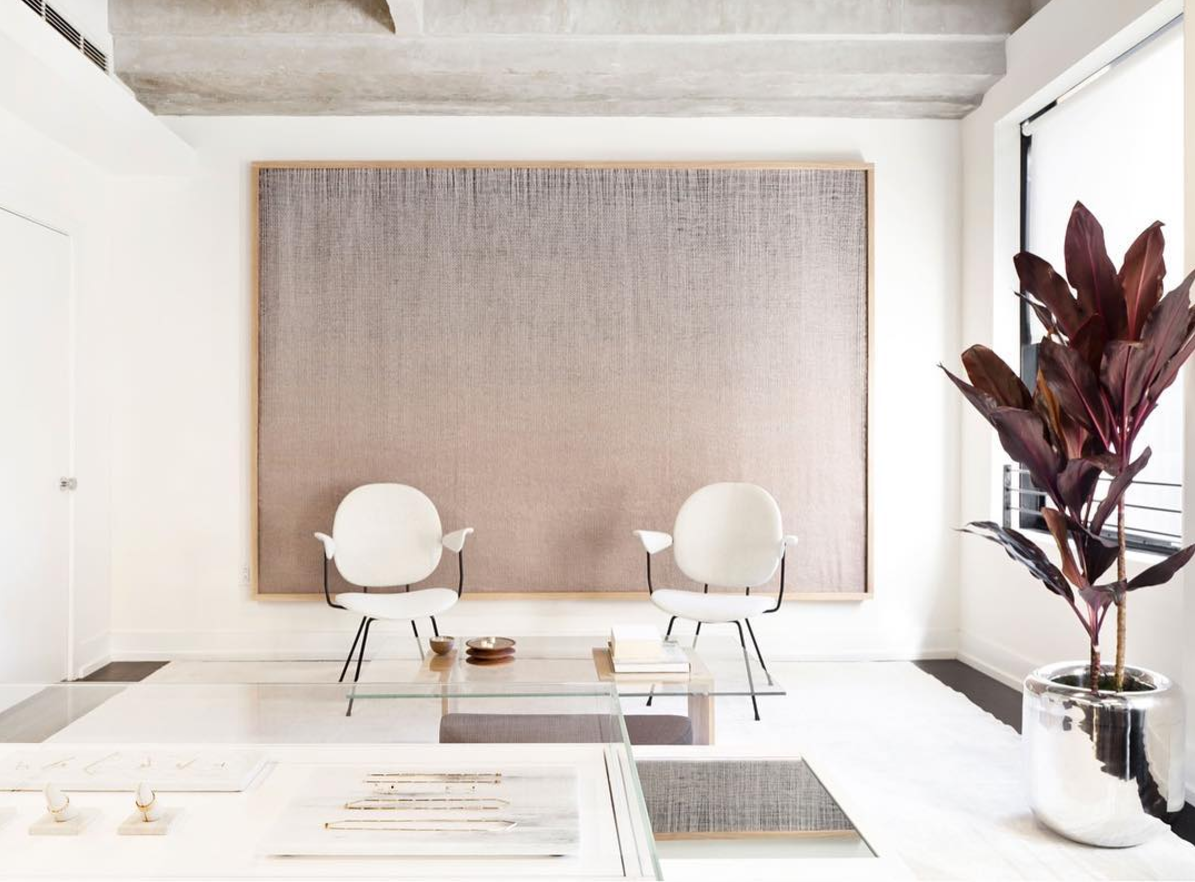
White is not disappearing; it is being reinterpreted. A soft white like Cloud Dancer works best when it is not treated as a default setting. Pair it with warm wood, handmade ceramics, woven shades, a vintage rug, or glossy color accents, and it becomes a canvas rather than a surrender flag.
Sherwin-Williams’ Universal Khaki also fits this calmer side of the palette. It is a tailored neutral that brings warmth without shouting. These shades are useful for homeowners who want a bright space but do not want every wall to behave like a highlighter pen.
Deep Browns, Jade Greens, and Moody Warmth
Benjamin Moore’s Silhouette AF-655, a deep espresso-brown tone with charcoal notes, shows the darker side of optimism. That may sound contradictory, but deep colors can make a space feel safe, stylish, and cinematic. Behr’s Hidden Gem, a smoky jade, speaks to the ongoing appetite for colors that feel connected to nature but still polished enough for modern interiors.
These shades are especially strong in powder rooms, dining rooms, cabinetry, libraries, and entryways. They create a sense of arrival. A small room painted in a deep color often feels more intentional than a small room painted white because someone got nervous at the paint store.
Sage and Terracotta: The Friendly Power Couple
Sage and terracotta continue to be one of the most usable color combinations for bright, grounded design. Sage brings softness and a botanical feeling; terracotta adds warmth, history, and a little sunbaked charm. Together, they work in offices, kitchens, bedrooms, patios, and living rooms because they balance calm with energy.
The combination also plays nicely with natural materials. Add walnut, clay tile, cream linen, black iron, or unlacquered brass, and the palette immediately feels layered instead of trendy. It is a color story that says, “I read design magazines, but I also know where the snack drawer is.”
Pattern Is Back, But It Has Learned Some Manners
Pattern is one of the brightest forms of design inspiration right now. Wallpapering, color-drenching, stripe-drenching, checkerboard floors, animal prints, and statement ceilings are all part of the current conversation. The difference is that pattern is being used architecturally, not just decoratively.
Stripe Drenching and Statement Ceilings
Stripe drenching is exactly what it sounds like: stripes carried across walls, ceilings, or architectural details for a room that feels energized and complete. It can be playful in a child’s room, crisp in a hallway, or dramatic in a powder bath. The key is scale. Thin stripes can feel tailored, wide stripes can feel graphic, and tonal stripes can offer movement without chaos.
Statement ceilings are also gaining momentum because homeowners are finally remembering that a room has six planes, not four. Painted ceilings, wallpapered ceilings, wood-clad ceilings, and striped ceilings can make a space feel finished. It is the design equivalent of remembering earrings before leaving the house.
Animal Print, Florals, and Grandmillennial Energy
Animal print is back, but not in the “1998 hotel lobby had a very bold week” way. Today’s animal prints are being used as accents: a leopard ottoman, zebra pillow, small upholstered bench, or patterned stair runner. When paired with warm neutrals, wood tones, and tailored upholstery, animal print becomes witty rather than wild.
Meanwhile, grandmillennial style is maturing into something fresher. Floral prints, pleated lampshades, antique trays, skirted tables, drapery, and vintage art are being mixed with contemporary furniture and clean silhouettes. The result feels nostalgic but not dusty. Grandma’s good taste is back, and this time it has better lighting.
Neo Deco: Glamour Gets Livable
Neo Deco is one of the most elegant design trends currently gaining attention. Inspired by Art Deco, it uses rich materials, sculptural forms, glossy details, dark wood, marble, velvet, polished metal, and jewel-toned color. But unlike full theatrical Deco, Neo Deco is more edited and livable.
You do not need a full Gatsby renovation to try it. A rounded mirror, a dark walnut console, a marble lamp, a velvet chair, a lacquered tray, or a small bar cart can bring the mood into a room. The goal is not costume design. It is a little everyday glamour that makes Tuesday feel less like a loading screen.
Neo Deco works especially well because it bridges several current obsessions at once: color-drenching, vintage influence, richer woods, sculptural furniture, and bolder materials. It is formal enough to feel special but flexible enough to coexist with modern sofas, antique art, or a family dog who has zero respect for velvet.
Lighting Is Becoming the Jewelry and the Therapist
Lighting has become one of the most important sources of design inspiration because it changes how a room feels before anyone notices the furniture. Warm lighting, amber glass, fabric shades, sculptural pendants, rechargeable lamps, picture lights, and circadian rhythm lighting are all part of the brighter design conversation.
Circadian lighting is especially interesting because it connects beauty with wellness. The concept is simple: cooler, brighter light during the day can support focus, while warmer, softer light in the evening helps the body wind down. Even if you do not install a full smart lighting system, you can use the idea by layering lamps, dimmers, and warmer bulbs in living areas and bedrooms.
Sculptural lighting also lets homeowners add personality without committing to a bold wall color. A playful lamp on a side table or a dramatic pendant over a dining table can transform a plain room quickly. Lighting is the one design category where being a little extra is often practical. After all, nobody ever complained that a room had too many flattering lamps.
Biophilic Design: Nature, But Make It Comfortable
Biophilic design is not just about putting a fiddle-leaf fig in the corner and hoping for enlightenment. The modern version focuses on natural light, air quality, organic materials, plants, earthy color palettes, sound comfort, and layouts that support rest. It is design that understands people are not machines, even if our laptops strongly disagree.
Natural materials are central to this movement. Wood, stone, clay, wool, cotton, linen, bamboo, rattan, cork, and recycled materials bring warmth and sensory depth into a space. Greenery still matters, but so does the feeling of the room: breathable, calm, grounded, and not overprocessed.
For small homes, biophilic design can be simple. Add woven shades, a wood stool, plants near a window, clay vessels, a natural-fiber rug, and a color palette inspired by moss, sand, sky, or soil. The point is not to recreate a forest. The point is to make home feel less like a storage unit for electronics.
Furniture Trends: Soft, Sculptural, and Social
Furniture is becoming softer in silhouette and more social in purpose. Curved sofas, arched backs, modular sectionals, oversized chairs, rounded tables, and low-slung seating are showing up because they make rooms feel welcoming. The straight-line minimalism of the past decade is giving way to furniture that invites people to sit, talk, lounge, and stay too long.
Modular seating is especially useful for modern life. It adapts to movie nights, guests, naps, pets, and the occasional ambitious decision to rearrange the living room at 10:37 p.m. Outdoor furniture is also borrowing more from indoor design, with better silhouettes and performance fabrics that do not scream “patio set.”
Warm wood is another major shift. Lighter bleached finishes are making room for walnut, mahogany, stained oak, and richer brown tones. This pairs beautifully with the return of vintage furniture and heirlooms. A darker wood table or cabinet adds gravity to a room, especially when balanced with lighter walls, textured textiles, and good lighting.
Design Inspiration for Real Homes, Not Fantasy Showrooms
The best way to use current design news is not to copy every trend. It is to identify the emotional result you want. Do you want your home to feel brighter, calmer, warmer, more creative, more grown-up, or more welcoming? Once you know the feeling, the trends become tools instead of homework.
If your space feels flat, add texture before buying more decor. Try woven shades, a wool rug, linen curtains, ribbed glass, plaster-like paint, or a wood accent piece. If your space feels cold, add warm lighting, brown tones, terracotta, brass, or richer wood. If your space feels boring, try a patterned lampshade, a painted ceiling, a bold cushion, or art that does not look like it came free with the frame.
For renters, removable wallpaper, plug-in sconces, peel-and-stick tile, curtains, rugs, and freestanding storage can create a major mood shift without risking your security deposit. For homeowners, millwork, paint, statement stone, built-ins, and lighting upgrades offer longer-term impact.
Experience Notes: Living on the Bright Side of Design
The most useful design lesson I have learned is that brightness is not only about the amount of white in a room. A room can be white and still feel lifeless. A room can be painted deep green, espresso brown, or smoky blue and feel incredibly bright because it has contrast, intention, and warmth. The bright side is emotional. It is the feeling that a space is paying attention to you.
One of the easiest ways to experience this is through lighting. A single overhead fixture can make even a beautiful room feel like a waiting room at a dentist’s office. Add two lamps, a dimmer, and a warmer bulb, and suddenly the same room becomes softer, more flattering, and more human. Good lighting is not a finishing touch; it is the atmosphere machine.
Another experience worth trying is living with one bold detail before committing to a whole trend. Paint the inside of a bookcase. Add a striped pillow. Try a raspberry, jade, or terracotta accent in a small room. Put a vintage tray on a modern coffee table. Hang one piece of art that makes no attempt to match the sofa. Small experiments teach you more than endless scrolling because you see how color and shape behave in your real light, with your real furniture, beside your real laundry basket that somehow keeps reappearing like a design villain.
Texture also changes the way a home feels day to day. A linen curtain moving in the breeze, a wood table with visible grain, a ceramic lamp with an imperfect glaze, or a woven rug under bare feet can make a room feel alive. These details do not always shout in photos, but they matter in person. They are the difference between a space that looks decorated and a space that feels cared for.
The brightest design choices are often the ones connected to memory. A flea market mirror, an inherited chair, a framed postcard, a handmade bowl, or a lamp found on a random Saturday can give a room a story. Current design trends support this beautifully because the mood is moving toward collected interiors, richer materials, and personal expression. In other words, your home does not need to look like everyone else’s to be stylish. In fact, that may be the whole point.
Living on the bright side of design means choosing details that make ordinary routines feel better. A cheerful entryway can make coming home feel like a reset. A cozy reading corner can make a phone-free hour more tempting. A colorful kitchen cabinet can make morning coffee feel less like a survival tactic. A patterned powder room can make guests grin. These are not shallow upgrades. They shape the small emotional moments that make a house feel like a home.
So if you are craving design inspiration, start with one question: what would make this room feel more alive? The answer might be color, but it might also be light, softness, pattern, plants, art, vintage wood, or simply removing the thing you never liked in the first place. The bright side is not a single trend. It is a way of editing your space until it reflects the life you actually want to enjoy inside it.
Conclusion
Current design news is filled with optimism, but not the flimsy kind that disappears after one season. The strongest interior design trends of 2026 are rooted in personality, comfort, craftsmanship, and emotional intelligence. Bright design now means rooms with warmth, story, texture, color, and purpose. It means using Cloud Dancer white as a canvas, Silhouette brown as drama, Hidden Gem jade as calm, Universal Khaki as quiet confidence, and bold patterns as invitations to have a little more fun.
The best design inspiration is not about copying a showroom. It is about noticing what makes you feel more awake, more relaxed, more creative, or more at home. Whether you try Neo Deco accents, stripe-drenched walls, sculptural furniture, warm lighting, biophilic details, or vintage pieces with soul, the bright side of design is waiting in the choices that make your home feel unmistakably yours.