

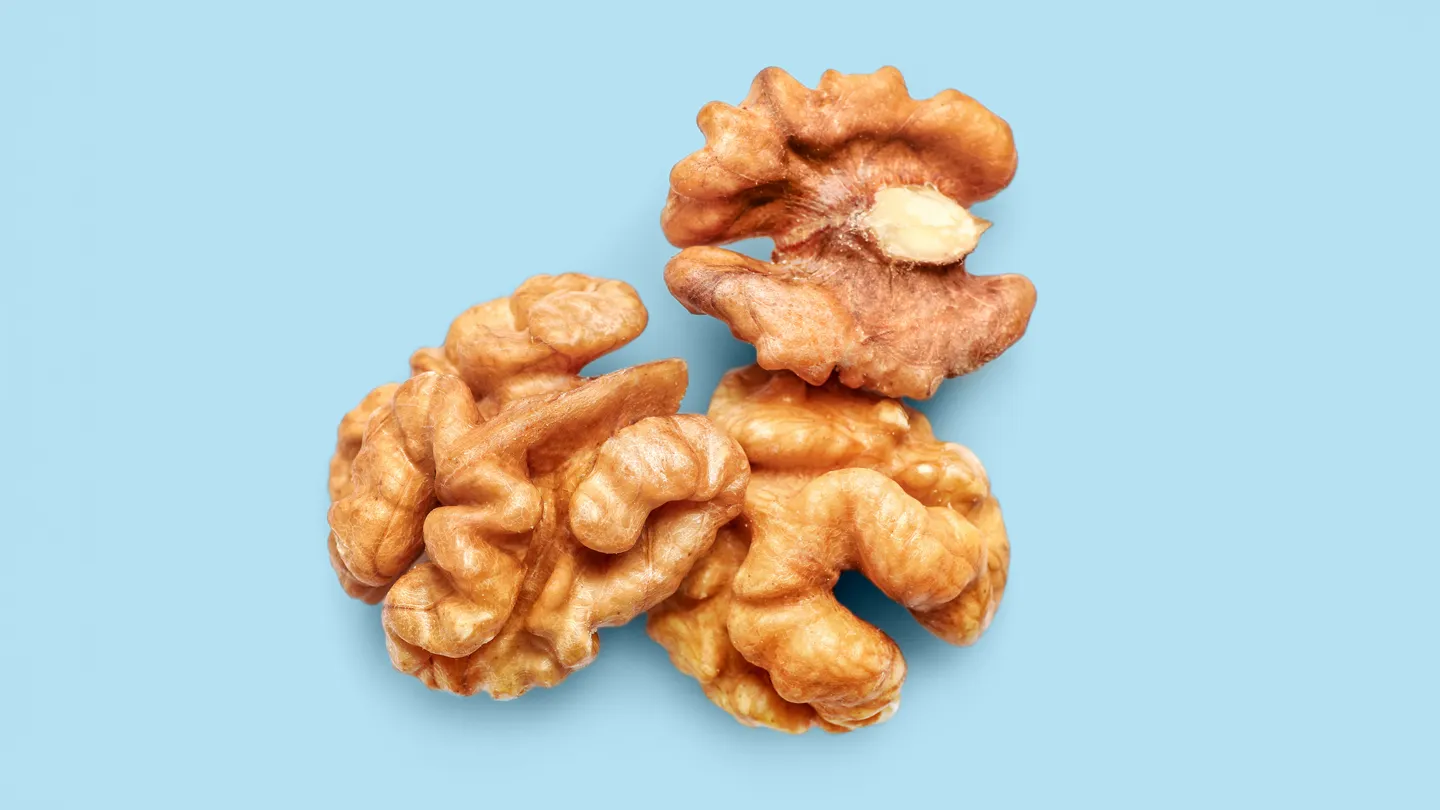
Walnuts have a public reputation as a “healthy snack.” And they are. But your stomach doesn’t read nutrition headlines.
Sometimes it reads walnuts as: “Interesting. Why do I feel like a balloon animal right now?”
If you’ve ever eaten walnuts and ended up with bloating, cramps, nausea, heartburn, or a sudden sprint to the bathroom,
you’re not imagining things. Walnuts can trigger digestive discomfort for a handful of very specific reasonsmost of them
preventable, and a few of them important enough to treat like a real red flag.
This guide breaks down the most common causes of “walnuts and upset stomach,” how to tell intolerance from allergy, and
practical ways to keep walnuts on your menu without turning your gut into a complaint department.
Why Walnuts Can Cause an Upset Stomach
Walnuts are a dense, high-fat, fiber-containing food. That’s part of why they’re satisfyingbut it’s also why they can be
tough on digestion if your body is sensitive, if you eat a large portion, or if the walnuts are old, rancid, or triggering an
allergy response.
Digestive symptoms after walnuts usually fall into one of these buckets:
- Normal digestion overload (too much fat/fiber at once)
- Food intolerance / sensitivity (not immune-based)
- IBS trigger (some people react to certain carbs/fiber patterns)
- Allergy (immune-based, potentially serious)
- Quality issue (rancid, contaminated, or cross-contaminated nuts)
Common Causes of Walnuts and Stomach Upset
1) Portion size: when “a few” quietly becomes “a small wheelbarrow”
A typical serving of walnuts is about 1 ounce (roughly 12–14 walnut halves, about 1/4 cup).
That’s not a moral judgmentjust a useful baseline. When you eat several servings quickly (hello, “just grabbing a handful”
three times), your stomach has to process a lot of fat and fiber at once.
Result: fullness, queasiness, reflux, bloating, or crampingespecially if you’re eating walnuts on an empty stomach or
alongside other rich foods.
2) High fat content: great for satiety, not always great for sensitive digestion
Walnuts are rich in unsaturated fats. Fat is not “bad,” but it can be harder to tolerate if you’re prone to indigestion,
acid reflux, gallbladder issues, or delayed stomach emptying (gastroparesis). High-fat foods can contribute to nausea or
that heavy “food just sits there” feeling in people who are sensitive.
If walnuts reliably make you feel nauseated or overly full after a small amount, fat tolerance might be part of the story.
3) Fiber and fermentable effects: your gut bacteria throw a party (and forget to invite your comfort)
Walnuts contain fiber, which supports gut health long-term. But if you’re not used to fiberor you increase it quickly
gas, bloating, and cramping can show up fast. This is especially true if your overall diet recently changed, or if you’re
stacking walnuts on top of other high-fiber foods in the same meal.
Translation: walnuts might not be the villain. They might just be the last guest who arrived when the party was already
too crowded.
4) IBS or functional gut sensitivity: small triggers can feel big
If you have irritable bowel syndrome (IBS) or you suspect you do, walnuts can be a “sometimes food.” Some people do fine
with a small serving and get symptoms with larger amounts. Others notice trouble when walnuts are paired with other common
triggers (high-fat meals, lots of raw vegetables, sugar alcohols, very large meals, or stressbecause your gut loves drama).
A practical takeaway: dose matters. If 5 walnuts are fine and 25 are not, you’ve learned something useful
(and you didn’t even need a lab coat).
5) Allergy to walnuts (tree nut allergy): the “don’t ignore this” cause
Sometimes stomach symptoms aren’t “sensitivity”they’re an allergic reaction. Tree nut allergies, including walnut allergy,
can cause abdominal pain, nausea, vomiting, and diarrhea, often with skin or breathing symptoms. Reactions can
range from mild to severe, and severe reactions can be life-threatening.
Seek urgent medical care if walnut intake is followed by any of the following:
- Hives, swelling of lips/face/tongue, or widespread itching
- Wheezing, coughing, throat tightness, trouble breathing, or hoarse voice
- Repeated vomiting, severe cramps, dizziness, or fainting
- A “this is escalating quickly” feeling (trust that instinct)
Even if symptoms are “just” nausea or vomiting, an allergy is still possibleespecially if the reaction is consistent
and happens soon after exposure.
6) Oral Allergy Syndrome (pollen-food syndrome): mouth symptoms that can be a warning
Some people with seasonal allergies experience itching or tingling in the mouth/throat after certain foods, sometimes
including nuts. This is often called oral allergy syndrome (also known as pollen-food syndrome). It can feel
mildlike a weird mouth itchbut allergy experts advise taking nut-related mouth symptoms seriously and discussing them with
an allergist, because nuts can also be associated with more serious reactions.
7) Rancid or improperly stored walnuts: your stomach hates stale chemistry experiments
Walnuts contain unsaturated fats that can oxidize over time. When walnuts turn rancid, they may smell paint-like, bitter,
or just “off.” Eating rancid nuts isn’t just unpleasantit can be a fast track to nausea for some people.
Storage matters more than most people realize:
- Cool + dark + airtight slows rancidity.
- Refrigeration or freezing extends freshness and reduces oxidation.
- Bulk bins can be convenient but may increase exposure to air/light and cross-contact risks.
8) Mold/contamination concerns: rare, but quality matters
Like many plant foods, nuts can be susceptible to mold during growing, storage, or processing. Food safety guidance often
highlights aflatoxin risk in certain nuts (more commonly peanuts, pistachios, and Brazil nuts), but the broader lesson is:
avoid nuts that look moldy, taste musty, or smell wrong, and store nuts properly.
If multiple people get stomach symptoms after eating the same walnuts (or walnut-containing dish), consider foodborne
illness or contamination and discard the product.
How to Tell: Intolerance vs. Allergy vs. “Too Many Walnuts”
Timing can help
-
Within minutes to 2 hours: can be allergy, oral allergy syndrome, or fast-trigger intolerance; pay attention to
skin/breathing symptoms. - A few hours later: often digestion overload, IBS trigger, or intolerance patterns.
- Later with severe diarrhea/vomiting: could be foodborne illness, especially if others are affected.
Symptom patterns can help
- Allergy-leaning: hives, swelling, wheeze, throat tightness, repeated vomiting, dizziness
- Intolerance-leaning: bloating, gas, cramping, diarrhea without skin/breathing symptoms
- Overload-leaning: you ate a large amount or combined walnuts with other rich foods, symptoms improve with smaller portions
If you’re unsure, treat it cautiously and talk with a clinicianespecially if symptoms are escalating or consistent.
Food allergy testing is a real thing, and guessing wrong is not a fun hobby.
Prevention: How to Eat Walnuts Without the After-Party
1) Start with a smaller serving (and stay there for a few days)
If walnuts have bothered you before, don’t “test” them with half a bag. Start with a small amount (like 3–5 halves) and
see how you feel over the next 24 hours. If that goes well, gradually increase toward a standard serving.
2) Pair walnuts with easier-to-digest foods
Walnuts can hit harder on an empty stomach. Try them with foods that feel gentle for youlike oatmeal, yogurt, a smoothie
you tolerate, or a balanced meal (not a greasy buffet lineup).
3) Chew thoroughly (your teeth are the first digestive tool)
Nuts are dense. Large pieces can be more irritating, and swallowing quickly can increase air intake (hello, gas). Slow down,
chew well, and let your stomach do less surprise heavy lifting.
4) Try different forms: chopped, ground, or walnut butter
Some people tolerate walnuts better when they’re chopped finely or blended (for example, in a pesto or smoothie). Walnut
butter can also be easier for some peoplethough portion size still matters because the calories and fat add up quickly.
5) Consider roasting (gently) if raw walnuts bother you
Light roasting can change flavor and texture, and some people find roasted nuts easier on the stomach. Just avoid walnuts
that taste overly bitter or stale, and don’t “revive” old walnuts by roastingthey may still be rancid underneath the glow-up.
6) Store walnuts like they’re precious (because your stomach thinks they are)
- Buy walnuts in sealed packaging when possible.
- Store shelled walnuts in an airtight container.
- Keep them in the refrigerator for regular use, or the freezer for longer storage.
- Label the container with the date so you don’t accidentally snack on “historical artifacts.”
7) Watch the “walnut combos” that commonly trigger symptoms
Walnuts often show up in meals that are already hard on digestion:
- Big salads with lots of raw vegetables + beans + onions + walnuts
- Desserts (high fat + sugar + walnuts)
- Heavy, creamy dishes with walnuts on top
- Trail mix (multiple servings disappear faster than you can say “handful”)
If walnuts “cause” symptoms only in these settings, it may be the overall loadnot the walnuts alone.
8) If allergy is possible, don’t keep “testing” at home
If you suspect a walnut allergyespecially if you’ve had hives, swelling, or breathing symptomsstop eating walnuts and seek
medical advice. This is not the moment for culinary bravery.
When to See a Doctor
Occasional mild bloating after a big serving of walnuts is usually a “portion” problem, not a crisis.
But you should get medical advice if:
- Symptoms are severe or worsening
- You have signs of an allergic reaction (skin, swelling, breathing symptoms)
- You vomit repeatedly, see blood, or have severe abdominal pain
- You have unexplained weight loss, persistent diarrhea, or symptoms that disrupt daily life
- Walnuts trigger symptoms even in tiny amounts, consistently
A clinician can help rule out food allergy, intolerance patterns, reflux, functional dyspepsia, gallbladder problems,
or other digestive conditions.
Quick Troubleshooting Checklist
- Did you eat more than a standard serving? Scale back to 3–5 halves and retest later.
- Were the walnuts fresh? If they smell/taste bitter, paint-like, or stale, toss them.
- Any mouth itch, hives, swelling, wheeze? Treat as possible allergy and seek medical advice.
- Do you have IBS-like symptoms? Track portion size and meal context; consider dietitian support.
- Was it a “combo meal”? The walnuts may be innocent by association.
FAQ
Can walnuts cause diarrhea?
They can, especially if you eat a large amount or if you’re sensitive to high-fat foods or fiber. In some cases, diarrhea
after walnuts can be part of an allergic reaction or an intolerance pattern. If diarrhea is severe, persistent, or paired
with other allergy symptoms, get medical advice.
Why do walnuts make me nauseous?
Nausea can happen from eating a lot of walnuts (fat load), eating them when you’re already prone to indigestion or reflux,
or eating walnuts that are rancid. Nausea can also be an allergy symptom, especially if it starts quickly after eating.
Are soaked walnuts easier to digest?
Some people report better tolerance when nuts are soaked and then dried/roasted, but results vary. If soaking helps you
reduce symptoms, it may be worth tryingjust store them safely and don’t keep soaked nuts at room temperature for long periods.
Should I avoid walnuts if I have acid reflux?
Not automatically. But if high-fat foods worsen your reflux, walnuts may contributeespecially in larger amounts. Try a
smaller portion, eat them with a balanced meal (not late at night), and track your symptoms.
Conclusion
Walnuts are nutritious, versatile, andwhen they behavean easy upgrade to snacks and meals. If they give you an upset stomach,
the most common culprits are portion size, fat/fiber load, IBS sensitivity, or
stale/rancid nuts. The key is to treat walnuts like the concentrated food they are: start small, store them well,
and pay attention to patterns.
But if you notice warning signsespecially hives, swelling, throat symptoms, wheezing, or repeated vomitingdon’t
brush it off as “my stomach is dramatic.” That’s when walnuts move from “snack” to “medical conversation.”
Experiences: Real-World Patterns People Notice with Walnuts (And What They Try Next)
The internet is full of walnut stories, and while everyone’s digestion is unique, people tend to describe a few repeat themes.
Think of the experiences below as common patternsuseful for recognizing yourself in the plot and picking a smarter next step.
(Your stomach will still be the main character, though.)
The “Trail Mix Incident”
A classic: someone keeps a bag of trail mix nearby “for healthy snacking.” Next thing they know, they’ve eaten multiple
servings while answering emails, driving, or watching a show. A couple hours later: bloating, cramps, maybe some nausea.
The takeaway most people land on is surprisingly simple: walnuts weren’t the problemthe invisible portion size was.
What they try next: pre-portioning walnuts into snack bags, switching to a small bowl instead of eating from the container,
or using walnuts as a topping (measured) rather than a free-range snack.
The “Healthy Salad That Wasn’t Gentle”
Some people notice symptoms only when walnuts show up on a salad loaded with raw veggies, onions, beans, and a rich dressing.
The walnuts get blamed because they’re the crunchy, memorable partbut the meal is basically a full gut obstacle course.
What they try next: keeping walnuts but simplifying the salad (fewer raw triggers), reducing onion, choosing a lighter dressing,
or spreading fiber across the day instead of stacking it into one heroic meal.
The “Why Do Fresh Walnuts Feel Fine but These Don’t?” Moment
Another common report: walnuts from one bag are totally fine, but a different container causes nausea or an odd aftertaste.
People describe the “bad” walnuts as bitter, stale, or having a faint paint-like smell. Once they learn rancidity is a thing,
they start trusting their senses more than the “best by” date.
What they try next: buying smaller quantities more often, storing walnuts in the fridge/freezer, avoiding warm pantry storage,
and skipping bulk bins if freshness has been inconsistent.
The “Tiny Amount, Big Reaction” Red Flag
A smaller group of people notice symptoms after just a small amount of walnutssometimes with mouth itching, lip tingling,
hives, or throat discomfort. They often describe the reaction as fast and unmistakable. These stories tend to shift quickly
from “digestive annoyance” to “okay, this needs an allergist.”
What they try next: stopping walnuts completely, checking labels for cross-contact warnings, and seeking medical advice for
proper evaluation (and an emergency plan if needed).
The “I Changed the Format and It Helped” Experiment
Some people can’t tolerate raw walnut halves but do better with walnuts chopped finely, blended into a sauce, or used as a
smaller sprinkle on food. Others say roasted walnuts feel easier than raw. This could be due to texture, pace of eating,
or simply consuming less.
What they try next: chopped walnuts instead of whole, walnut butter in a measured amount, or mixing walnuts into meals
(rather than eating them alone) to slow things down.
The “It Wasn’t the Walnuts (It Was My Gut Situation)” Realization
Finally, some people discover walnuts are just the messenger. When they track symptoms, they realize discomfort spikes during
high-stress weeks, after large late-night meals, or when reflux/indigestion is flaring. Walnuts become an “easy scapegoat”
because they’re concentrated, but the bigger pattern is a sensitive digestive system needing calmer inputs overall.
What they try next: smaller meals, avoiding heavy/high-fat meals close to bedtime, addressing reflux triggers, hydrating
better, and keeping a simple food-and-symptom log for a couple weeks to find the real pattern.
Bottom line from these experiences: walnuts are often tolerated when they’re fresh, measured,
and eaten in a context your gut likes. If symptoms are intense, fast, or come with allergy signs, don’t “push through.”
That’s not resiliencethat’s roulette.