

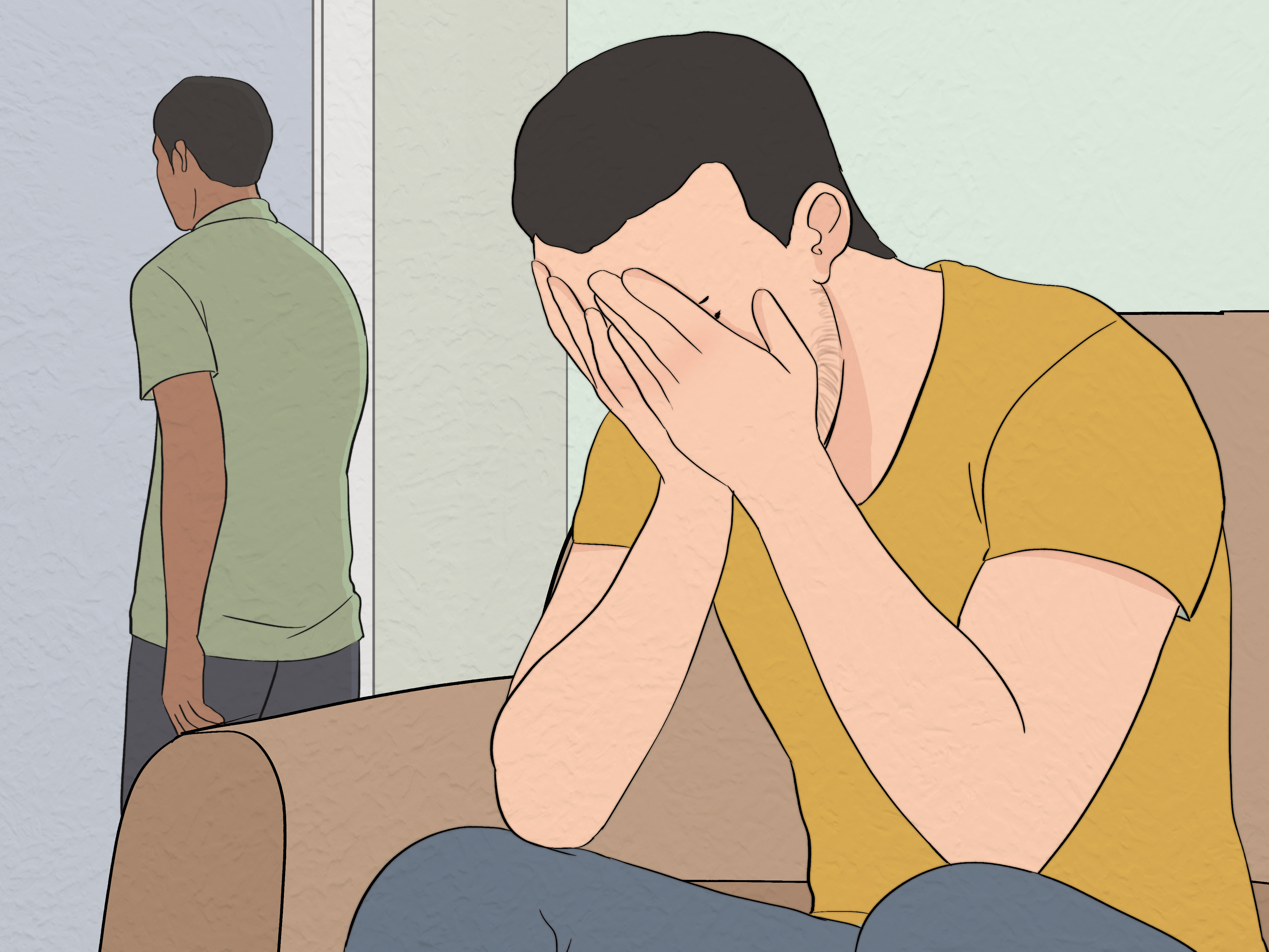
Cutting people out sounds dramaticlike you’re about to appear in a reality show confessional and say, “For my peace, I had to do what I had to do.” But most of the time, it’s not about drama. It’s about boundaries, mental bandwidth, and choosing relationships that don’t leave you feeling wrung out like a dish sponge.
Still, “just cut them off” is the emotional equivalent of “just move to a new city.” Sometimes it’s the right call. Sometimes it’s a shortcut that skips important stepslike communicating needs, setting limits, and checking whether the relationship is fixable.
This guide breaks down eight expert-backed strategies for ending or reducing contact with someonewithout turning your life into a messy group chat investigation. You’ll get practical scripts, decision points, and real-world examples so you can protect your peace and keep your integrity intact.
First: Are You Cutting Them Outor Turning Down the Volume?
Not every difficult relationship requires a full “no contact” move. Think of connection like a volume knob, not a light switch. Options include:
- Boundaries: “I’m not discussing that topic,” “I can’t lend money,” “I’m leaving if yelling starts.”
- Limited contact: You interact less often, for shorter periods, in safer settings.
- Low contact: You keep things polite but distantlike a professional relationship, not an emotional one.
- No contact: You stop communicating (often necessary for repeated manipulation, harassment, or unsafe dynamics).
The “right” option depends on the pattern, the risk level, your shared responsibilities (kids, work, family events), and whether the person respects limits once you set them.
Cutting People Out of Your Life: 8 Expert Tips
1) Get Specific About the Pattern (Not Just the Vibe)
“They’re toxic” might be true, but it’s also vague. Specificity helps you make a confident decisionand communicate clearly if you choose to.
Try this quick clarity formula:
- Behavior: What do they do repeatedly?
- Impact: How does it affect you (stress, anxiety, guilt, fear, exhaustion)?
- Boundary failure: What happens when you say “no” or ask for change?
Example: “When I don’t respond immediately, they spam my phone, accuse me of not caring, and pick a fight. I end up anxious and distracted for hours.” That’s not a one-off bad daythat’s a pattern that punishes you for having a life.
This step matters because it separates “this relationship is challenging” from “this relationship consistently harms my well-being.”
2) Set a Boundary You Can Actually Enforce
A boundary isn’t a wish. It’s a limit you’re willing to back up with action.
Unenforceable: “Stop being rude.”
Enforceable: “If you insult me, I’m ending the call.”
Make boundaries concretetime, topic, tone, access, or money.
- Time boundary: “I can stay for one hour.”
- Topic boundary: “I won’t discuss my dating life.”
- Respect boundary: “If you raise your voice, I’m leaving.”
- Access boundary: “Don’t come to my home without asking.”
Pro tip: Keep the explanation short. You’re not writing a courtroom closing argument. Over-explaining can invite negotiation from someone who treats your boundaries like optional terms and conditions.
3) Choose Your Exit Strategy: Direct, Gradual, or No Contact
There’s more than one way to step back. Pick the approach that fits your situation and safety.
- Direct conversation: Best for relationships that may improve, or where closure matters.
- Gradual distance (“slow fade”): Useful for casual friendships or acquaintances where a big talk would create unnecessary conflict.
- No contact: Often appropriate when there’s repeated manipulation, stalking/harassment, threats, or ongoing disrespect after boundaries.
Example: If a friend is draining but not dangerous, you might reduce hangouts and stop being their on-call therapist. If someone repeatedly violates boundaries and escalates when you enforce them, stronger distance may be necessary.
If your gut says, “This person will retaliate,” take that seriously. Safety matters more than being “nice.”
4) Use Clear, Calm Communication (and “I” Statements) If You’re Addressing It
If you decide to communicate directly, aim for respectful clarity. A clean message beats a long messageespecially with someone who twists your words.
Try this structure:
- State the decision: “I’m stepping back from this relationship.”
- State the boundary: “Please don’t contact me for a while.”
- Optional brief reason: “I need space for my well-being.”
Sample scripts:
- “I’m not available for this friendship in the way you want. I’m taking distance, and I’m not going to debate it.”
- “I care about you, but this dynamic isn’t healthy for me. I’m stepping back.”
- “When conversations turn insulting, I’m ending them. If it happens again, I’ll take a longer break from contact.”
Notice what’s missing: a detailed biography of every time they disappointed you since 2019. Keep it simple, especially if conflict tends to spiral.
5) Plan for Pushback (Guilt, Anger, or a Sudden “I’ve Changed!”)
Some people respond to boundaries with respect. Others respond like you just deleted their favorite app.
Common pushback includes:
- Guilt: “After everything I’ve done for you…”
- Minimizing: “You’re too sensitive.”
- Blame-shifting: “You’re the problem.”
- Love-bombing: Over-the-top apologies that vanish the moment you relax.
Use the “broken record” techniquerepeat your boundary without adding new material to argue about:
- “I’m not discussing this. I’m taking space.”
- “I understand you’re upset. My decision stands.”
- “I’m not available for this conversation.”
Reminder: Their feelings can be real and your boundary can remain firm. You’re not responsible for managing someone else’s reaction to you having limits.
6) Protect Your Digital Space (Yes, That Counts as Real Life)
Sometimes you “cut someone out” emotionally, but your phone still acts like a tiny doorway they can stroll through at midnight.
Digital boundaries can include:
- Muting or unfollowing (especially if seeing them triggers stress or guilt)
- Leaving group chats that turn into drama factories
- Blocking if someone harasses you, won’t stop contacting you, or uses social media to poke you
- Adjusting privacy settings so your life isn’t available for commentary
Example: If an ex-friend comments on every post with backhanded compliments, you don’t have to keep handing them a microphone “to be mature.” You can quietly remove access.
If the person is volatile or unsafe, consider saving evidence of harassment and involve appropriate support (trusted adults, HR, campus resources, or local services) rather than trying to handle it alone.
7) Expect GriefEven When You’re the One Who Ended It
Ending contact can be the healthiest move you makeand still hurt. You’re not just losing a person; you might be losing routines, shared history, identity (“we’ve always been close”), or the hope that things would become what you wanted.
Healthy ways to process the fallout:
- Name what you miss: the good moments, the idea of them, the role they played
- Replace the gap on purpose: schedule time with supportive friends, hobbies, exercise, rest
- Journal without judgment: “Here’s what I tolerated,” “Here’s what I want next time”
- Talk to a professional: especially if the relationship involved manipulation, fear, or long-term stress
Grief isn’t proof you made the wrong choice. It’s proof you’re human.
8) Create a “Future You” Plan (So You Don’t Get Pulled Back In)
Many people cut someone out… and then slowly drift back when the person is charming, lonely, apologetic, or suddenly “different.” Sometimes change is real. Sometimes it’s a temporary performance.
Before you reconsider contact, ask:
- Have they taken consistent responsibility over timeor just offered intense words?
- Do they respect boundaries now, even small ones?
- When you say no, do they stay respectfulor punish you?
- Do you feel calmer with distance, or constantly on edge?
Write down your boundary in one sentence and keep it somewhere you’ll see it:
“I don’t stay in relationships where my ‘no’ is treated like an insult.”
That sentence becomes your anchor when nostalgia tries to rewrite history.
When Cutting Contact Isn’t Just HealthyIt’s Safety
If the relationship includes threats, coercion, stalking, controlling behavior, or any kind of abuse, prioritize safety over explanations. In these cases, direct confrontation can sometimes increase risk.
Consider safety planning and support from qualified resources. If you’re a teen, involve a trusted adult (parent/guardian, school counselor, coach, or another safe person). If you’re an adult, consider contacting local services or hotlines for confidential guidance.
This article is not legal or medical advicebut your safety is always more important than someone else’s opinion of you.
Quick FAQs (Because Your Brain Will Ask These at 2:00 a.m.)
Is it wrong to cut someone out without explaining?
Not automatically. If you’ve communicated needs, set boundaries, or the person repeatedly violates your limits, you don’t owe endless debates. In unsafe situations, explanation can be risky.
What if we share mutual friends or family?
Keep it simple: “I’m taking space for my well-being. I hope you can respect that.” Avoid recruiting mutuals as messengers. If you must attend the same events, plan short visits, bring a support person, and have an exit plan.
Should I do the “closure” conversation?
Closure is great when both people can be respectful. If history shows the person argues, manipulates, or twists your words, you might get more peace from a clear message and distance than from a long talk.
How do I know I’m not being too harsh?
Ask yourself: “Am I protecting my well-beingor punishing them?” Boundaries are about protecting your health and values. Punishment is about trying to control their feelings. If your goal is safety and stability, you’re likely in boundary territory.
Common Experiences (): What It Really Feels Like to Cut Someone Out
Most people don’t wake up on a Tuesday and think, “Ah yes, the perfect day to emotionally uninstall a human.” What usually happens is quieter: you notice your shoulders tense when their name pops up, you rehearse conversations in your head, and you start avoiding your own phone like it’s a haunted object.
Experience #1: The “Emotional Subscription Service” Friend.
Many people describe a friendship that slowly turns into a 24/7 support line. The friend only calls when they’re in crisis, expects instant responses, and disappears when you need anything. At first, you tell yourself you’re being kind. Then you realize kindness without boundaries becomes resentment with excellent handwriting. The turning point is often one small moment: you say, “I can’t talk right now,” and they punish youcoldness, guilt, or a blow-up. That reaction teaches you a hard lesson: they don’t want support; they want access. People who’ve been here often say the best fix wasn’t a dramatic speechit was a calm boundary and a refusal to re-enter the same loop.
Experience #2: The Family Member Who “Jokes” Like a Chainsaw.
Family relationships can be complicated because there’s history, obligation, and holidays that show up whether you RSVP or not. A common story is the relative who uses sarcasm or “teasing” to criticize your appearance, choices, or life direction. You try to laugh it off, then you dread every gathering. People often find relief by shifting from “I need them to change” to “I control my participation.” They set a limit like, “If you comment on my body, I’m leaving,” and thenthis is the keythey actually leave. The first time feels terrifying. The second time feels powerful. By the third time, your nervous system starts to believe you.
Experience #3: The Coworker Who Treats You Like a Spare Battery.
Some relationships aren’t personal, but they still drain you. People talk about coworkers who dump tasks, take credit, or constantly “need a quick favor.” Cutting someone out here looks less like blocking and more like professional boundaries: written communication, clear timelines, “I can help for 15 minutes,” or “I can’t take that on.” Many people say their anxiety drops when they stop being “the reliable one” at the cost of their own workload and reputation.
Experience #4: The Relapse (a.k.a. “Maybe They’re Better Now?”).
A very human experience is missing the good parts and second-guessing yourself. People often reconnect after an apology or a lonely season, only to watch the old pattern return: the disrespect, the guilt, the chaos. What helps is having a “future you” notesomething you wrote when you were clear-headed: “Distance made me calmer,” “I stopped walking on eggshells,” “My sleep improved.” When nostalgia tries to edit the past into a highlight reel, that note brings you back to reality.
Across these stories, one theme repeats: cutting someone out isn’t about becoming cold. It’s about becoming honestabout what you can tolerate, what you value, and what kind of peace you’re willing to protect.
Conclusion: Peace Isn’t Petty
Cutting people out of your life can be a boundary, a reset, or a safety decision. The goal isn’t to “win” a breakup with a friend, partner, or family member. The goal is to build a life where your relationships don’t constantly cost you your self-respect.
Start with clarity. Set enforceable boundaries. Choose the right level of contact. Expect pushback. Protect your digital space. Allow grief. And make a plan for “future you” so you don’t get pulled back into the same painful pattern.
If you remember nothing else, remember this: you’re allowed to choose relationships that feel safe, respectful, and steady. That’s not selfish. That’s healthy.