

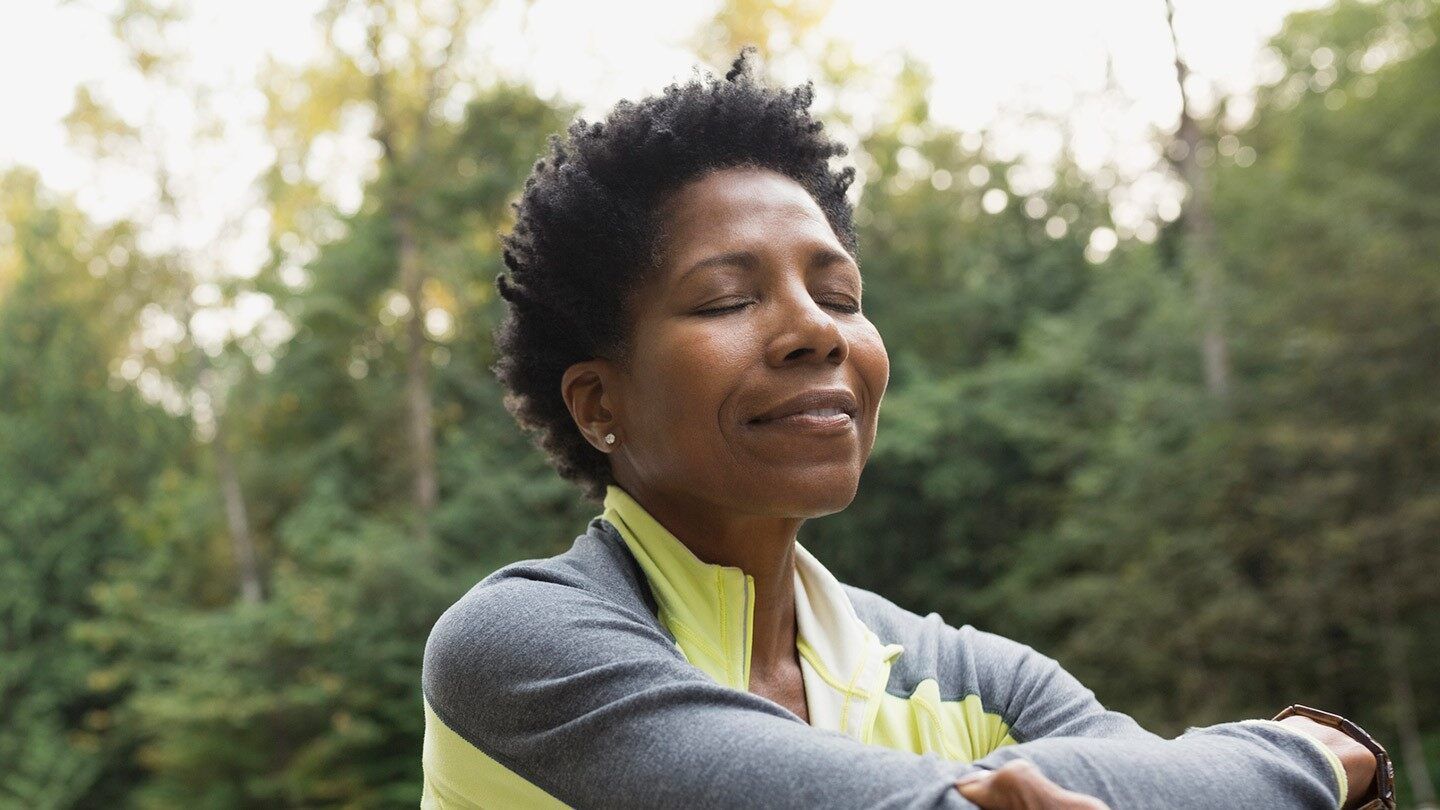
Deep breathing sounds almost suspiciously simple. In a world where wellness trends can involve expensive gadgets, imported powders, and routines that require the flexibility of a circus performer, the idea that you can feel calmer by breathing differently may seem too easy. But here is the plot twist: your breath is not just background noise. It is one of the fastest, most accessible ways to send your body a “we are not being chased by a bear” message.
Deep breathing, also called diaphragmatic breathing, belly breathing, abdominal breathing, or breath focus, is a relaxation technique that encourages slower, fuller breathing from the diaphragm rather than shallow breathing from the upper chest. It is commonly used for stress management, anxiety support, sleep preparation, mindfulness, and general relaxation. It is not magic, and it will not fold your laundry, answer your emails, or convince your neighbor to stop using a leaf blower at sunrise. But practiced regularly, it can become a practical tool for calming the nervous system and creating a little breathing roomliterally and emotionally.
This complete guide explains what deep breathing is, how it works, how to practice it, common techniques to try, mistakes to avoid, and how to make it part of daily life without turning your schedule into a wellness spreadsheet.
What Is Deep Breathing?
Deep breathing is a controlled breathing practice that slows the breath and encourages air to move deeply into the lungs. Instead of lifting the shoulders and breathing from the upper chest, you allow the belly and lower ribs to expand as the diaphragm contracts. The diaphragm is a large, dome-shaped muscle beneath the lungs that plays a major role in efficient breathing.
When you breathe deeply, you typically inhale slowly through the nose, let the abdomen rise, then exhale slowly and completely. The goal is not to take the biggest breath humanly possible. This is not a balloon-animal competition. The goal is to breathe smoothly, comfortably, and intentionally.
Deep Breathing vs. Shallow Breathing
Shallow breathing often happens during stress. You may breathe quickly, mostly through the chest, while your shoulders tighten and your jaw auditions for the role of “human vise grip.” This pattern can make the body feel more alert and tense.
Deep breathing shifts the pattern. It slows the rhythm, encourages the diaphragm to do more work, and may help reduce the physical signs of stress, such as a racing heart, tight muscles, or restless energy. The difference is subtle at first, but with practice, it can feel like switching your nervous system from emergency mode to maintenance mode.
How Deep Breathing Helps the Body Relax
The body has two major modes that matter here: the sympathetic nervous system and the parasympathetic nervous system. The sympathetic system is associated with the “fight-or-flight” response. It is useful when you need to react quickly, but less helpful when your biggest threat is a calendar reminder titled “urgent.”
The parasympathetic system supports the “rest-and-digest” state. Slow, steady breathing can help nudge the body toward this calmer mode. Research and clinical guidance suggest that relaxation techniques such as deep breathing may be associated with slower breathing, lower heart rate, reduced muscle tension, and a greater sense of calm.
The Role of the Vagus Nerve
The vagus nerve helps connect the brain with many organs, including the heart, lungs, and digestive system. Slow breathing, especially with a longer exhale, may stimulate vagal activity and support relaxation. This is one reason breathing techniques often emphasize not only inhaling deeply but also exhaling slowly.
Why the Exhale Matters
Many beginners focus only on the inhale. They try to suck in as much air as possible, then release it like a sigh after opening a utility bill. But the exhale is where much of the relaxation magic happens. A long, controlled exhale can help slow the breathing rate and signal safety to the body.
A helpful rule is to make the exhale slightly longer than the inhale. For example, inhale for four counts and exhale for six counts. This simple rhythm is easy to remember and gentle enough for most people.
Benefits of Deep Breathing
Deep breathing is popular because it is free, portable, and does not require Wi-Fi. It can be practiced at a desk, in bed, in a parked car, before a presentation, after a stressful conversation, or while pretending not to be annoyed in a long grocery line.
1. Supports Stress Relief
Deep breathing can help reduce the physical intensity of stress. When practiced regularly, it gives the mind and body a familiar calming cue. Instead of waiting until stress reaches “volcano with a laptop” level, you can use breathing as an early reset.
2. May Help Calm Anxiety Symptoms
Deep breathing is often used as a self-regulation tool for anxious moments. It may help slow rapid breathing, reduce tension, and bring attention back to the present. It is not a substitute for professional mental health care, especially for severe anxiety, panic disorder, trauma, or ongoing distress, but it can be a useful coping skill.
3. Encourages Better Sleep Preparation
A racing mind can make bedtime feel like a late-night committee meeting where every worry gets a microphone. Deep breathing can help create a calming bedtime transition. It gives the brain something simple to focus on and helps the body shift away from daytime stimulation.
4. Improves Breath Awareness
Many people do not notice how they breathe until they are stressed, exercising, or trying to climb stairs while carrying too many grocery bags. Deep breathing builds awareness of breath patterns. Over time, you may notice when your breathing becomes shallow and correct it earlier.
5. Helps Relax Tight Muscles
Stress often hides in the shoulders, neck, chest, jaw, and belly. Deep breathing encourages these areas to soften. Pairing slow breathing with a body scan can make the effect even stronger: inhale, notice tension; exhale, release what you can.
How to Practice Basic Deep Breathing
Start with the simplest version. You do not need incense, ocean sounds, or a dramatic robe. A quiet place helps, but it is not required.
Step-by-Step Deep Breathing Exercise
- Find a comfortable position. Sit upright in a chair or lie on your back. Let your shoulders drop.
- Place one hand on your chest and one hand on your belly. This helps you feel where the breath is moving.
- Inhale slowly through your nose. Let your belly rise gently. The chest may move slightly, but the belly should do more of the work.
- Pause briefly. Do not strain or hold your breath aggressively.
- Exhale slowly through your mouth or nose. Let the belly fall. Try to make the exhale longer than the inhale.
- Repeat for two to five minutes. Keep the breath smooth, quiet, and comfortable.
If you feel dizzy, lightheaded, or uncomfortable, stop and return to normal breathing. Deep breathing should feel calming, not like you are training for an underwater escape scene.
Popular Deep Breathing Techniques
Once you understand basic diaphragmatic breathing, you can experiment with different breathing techniques. The best one is the one you will actually use. Fancy is optional; consistency is the prize.
Box Breathing
Box breathing uses four equal parts: inhale, hold, exhale, hold. A common version is:
- Inhale for four counts
- Hold for four counts
- Exhale for four counts
- Hold for four counts
This technique can be helpful when you want structure. Visualize tracing the four sides of a box as you breathe. If holding the breath feels uncomfortable, shorten the count or skip the holds.
4-7-8 Breathing
The 4-7-8 method is often used for relaxation and sleep preparation. The pattern is:
- Inhale through the nose for four counts
- Hold for seven counts
- Exhale slowly for eight counts
This technique creates a long exhale, which can feel deeply calming. However, it may not be ideal for everyone, especially beginners who dislike breath-holding. Start with fewer rounds and keep it gentle.
Pursed-Lip Breathing
Pursed-lip breathing is often recommended for people who experience shortness of breath, including some people with lung conditions. The basic idea is to inhale through the nose and exhale slowly through pursed lips, as if blowing through a straw or cooling soup that is definitely too hot because patience left the building.
Try inhaling for two counts and exhaling for four counts. Keep the neck and shoulders relaxed. The slow exhale helps control the pace of breathing.
Equal Breathing
Equal breathing is exactly what it sounds like: inhale and exhale for the same length. Try inhaling for four counts and exhaling for four counts. This is simple, balanced, and easy to use during the day.
Extended Exhale Breathing
This technique makes the exhale longer than the inhale. Try inhaling for four counts and exhaling for six counts. If that feels comfortable, try inhaling for four and exhaling for eight. Do not force it. Your lungs are not trying to win a talent show.
When to Use Deep Breathing
Deep breathing works best when it becomes a regular habit, not just an emergency button. Practice when you are already calm so the technique feels familiar when life gets spicy.
Before a Stressful Event
Use deep breathing before a meeting, exam, presentation, medical appointment, difficult conversation, or performance. Two minutes can help settle your body before your mind starts narrating worst-case scenarios in surround sound.
During Work Breaks
Try a one-minute breathing break between tasks. Close unnecessary tabs, both digital and mental. Take five slow breaths. Return to work with slightly less chaos in your internal weather forecast.
At Bedtime
Deep breathing can become part of a sleep routine. Dim the lights, put the phone away, and practice slow breathing for five minutes. It may not knock you out like a cartoon frying pan, but it can help your body prepare for rest.
After Conflict
After an argument or tense moment, deep breathing can help you avoid sending the “as per my last email” message your future self may regret. Breathe first. Respond second.
Common Mistakes to Avoid
Trying Too Hard
Deep breathing should not feel forced. If you gasp, strain, or overfill the lungs, you may feel more tense. Keep the breath comfortable and natural.
Raising the Shoulders
If your shoulders rise toward your ears, you are probably breathing from the upper chest. Relax the shoulders and let the belly expand.
Practicing Only During Panic
If the first time you try deep breathing is during peak stress, it may feel awkward. Practice during neutral moments so your body learns the rhythm.
Expecting Instant Perfection
Some people feel calmer immediately. Others need days or weeks of practice. Both are normal. Relaxation is a skill, not a vending machine.
Who Should Be Careful With Deep Breathing?
Deep breathing is generally safe for many people, but it is not always the right fit in every situation. Stop if you feel dizzy, faint, short of breath, panicky, or uncomfortable. People with respiratory conditions, heart conditions, trauma histories, panic disorder, or medical concerns should consider asking a qualified healthcare professional how to practice safely.
If you have chest pain, severe shortness of breath, fainting, confusion, or symptoms that feel urgent, seek medical care right away. Deep breathing is a wellness tool, not an emergency treatment.
How to Build a Deep Breathing Routine
The easiest routine is the one that attaches to something you already do. Habit experts call this “habit stacking.” Everyone else calls it “tricking your brain with convenience.”
Try This Simple Daily Plan
- Morning: Take five slow breaths before checking your phone.
- Midday: Practice two minutes after lunch or before returning to work.
- Evening: Use five minutes of deep breathing before bed.
Start small. Even three intentional breaths can interrupt the stress loop. Over time, increase the length if it feels helpful.
Use Reminders That Do Not Annoy You
A phone reminder can help, but make it gentle. “Breathe for one minute” is better than “RELAX NOW,” which sounds like a tiny digital drill sergeant. You can also use visual cues: a sticky note, a bracelet, a water bottle, or the moment you sit in your car before driving.
Deep Breathing and Mindfulness
Deep breathing pairs naturally with mindfulness because the breath gives attention a place to land. You do not have to empty your mind. That is nearly impossible, especially if your brain enjoys replaying embarrassing moments from 2011. Instead, notice the inhale, notice the exhale, and return gently when the mind wanders.
A simple mindfulness breathing practice looks like this:
- Sit comfortably.
- Notice the natural breath.
- Inhale slowly and feel the belly expand.
- Exhale slowly and feel the body soften.
- When thoughts appear, label them “thinking” and return to the breath.
This practice builds patience and emotional awareness. It can help you respond to stress instead of reacting automatically.
Real-Life Examples of Using Deep Breathing
Example 1: Before Public Speaking
Imagine you are about to give a presentation. Your heart is thumping, your mouth is dry, and your brain has decided this is the perfect time to forget every word you know. Try extended exhale breathing: inhale for four, exhale for six. Repeat for two minutes. This can help slow the stress response and give your voice a steadier launchpad.
Example 2: During a Busy Parenting Moment
A child is crying, dinner is burning, and someone has put a toy in a shoe for reasons known only to the toddler council. Before reacting, take three slow belly breaths. It will not make the chaos disappear, but it may help you respond with more calm and less thunder.
Example 3: After Reading the News
If headlines leave you tense, pause before scrolling further. Place a hand on your belly and breathe slowly for one minute. Let the exhale be long. This creates a boundary between information and emotional overload.
Experiences Related to Deep Breathing: What It Feels Like in Real Life
The experience of deep breathing is often quieter than people expect. Many beginners imagine relaxation should arrive like a cinematic wave: soft music, glowing light, sudden inner peace, maybe a wise owl landing nearby. In reality, the first session may feel ordinary. You sit down, breathe in, breathe out, and wonder whether you are doing it correctly. That is normal. Deep breathing is subtle at first because the body is learning a new rhythm.
One common experience is noticing how shallow your usual breathing has become. Many people are surprised to discover that their “normal” breath lives high in the chest. During a stressful workday, the breath may become short and tight without anyone noticing. Then, when practicing belly breathing, the first few inhales feel almost unfamiliar. The belly rising can seem strange, especially for people used to holding in their stomach. But after a few minutes, the body often starts to understand: this is not a performance; this is permission.
Another experience is emotional release. Sometimes a slow exhale brings a sigh, a yawn, or even unexpected tears. This does not mean something is wrong. The body may be letting go of tension it has been politely carrying around like an overpacked suitcase. For some people, deep breathing creates a feeling of warmth in the hands, heaviness in the limbs, or softness around the eyes and jaw. Others simply feel a little less rushed. That counts too.
Deep breathing can also reveal impatience. Sitting still for three minutes may sound easy until the mind starts tapping its foot. You may think about your grocery list, a message you forgot to answer, or whether penguins have knees. The point is not to stop thoughts. The point is to notice them and come back to the breath. Every return is a repetition, like a mental push-up without the gym membership.
People who practice regularly often describe deep breathing as a “reset button.” It may become something they do before opening email, after parking the car, before sleep, or during a tense conversation. Over time, the breath becomes a familiar anchor. The body starts recognizing the pattern: slow inhale, longer exhale, loosen the shoulders, unclench the jaw, soften the belly.
There can be awkward moments too. You may breathe too deeply and feel lightheaded. You may try 4-7-8 breathing and decide the seven-count hold feels like waiting for a slow elevator. You may forget to practice for a week and then remember during a stressful moment. None of this ruins the process. Deep breathing is forgiving. You can restart with the very next breath.
Perhaps the best experience is realizing that calm does not always require perfect circumstances. You can be in a noisy house, a crowded airport, a tense office, or a messy kitchen and still take one intentional breath. That breath may not fix everything, but it can change the next moment. Sometimes that is enough. Then you take another breath, and another, and gradually the mountain becomes a hill with paperwork.
Conclusion
Deep breathing is one of the simplest relaxation techniques available, but simple does not mean weak. By slowing the breath, engaging the diaphragm, and extending the exhale, you can help your body shift toward a calmer state. It is practical, flexible, beginner-friendly, and available wherever you areunless you are underwater, in which case please prioritize swimming.
Use deep breathing before stressful events, during work breaks, after conflict, or as part of a bedtime routine. Start with two minutes a day, keep the breath comfortable, and practice when you are calm so the skill is ready when life becomes loud. Deep breathing will not remove every stressor, but it can change how you meet them. And sometimes, the most powerful wellness tool is not hidden in a fancy bottle. It is right under your nose.
Note: This article is for general educational and wellness purposes only. It is not a substitute for medical advice, diagnosis, or treatment. If breathing exercises cause discomfort or if you have ongoing anxiety, panic, chest pain, shortness of breath, or a medical condition, consult a qualified healthcare professional.