

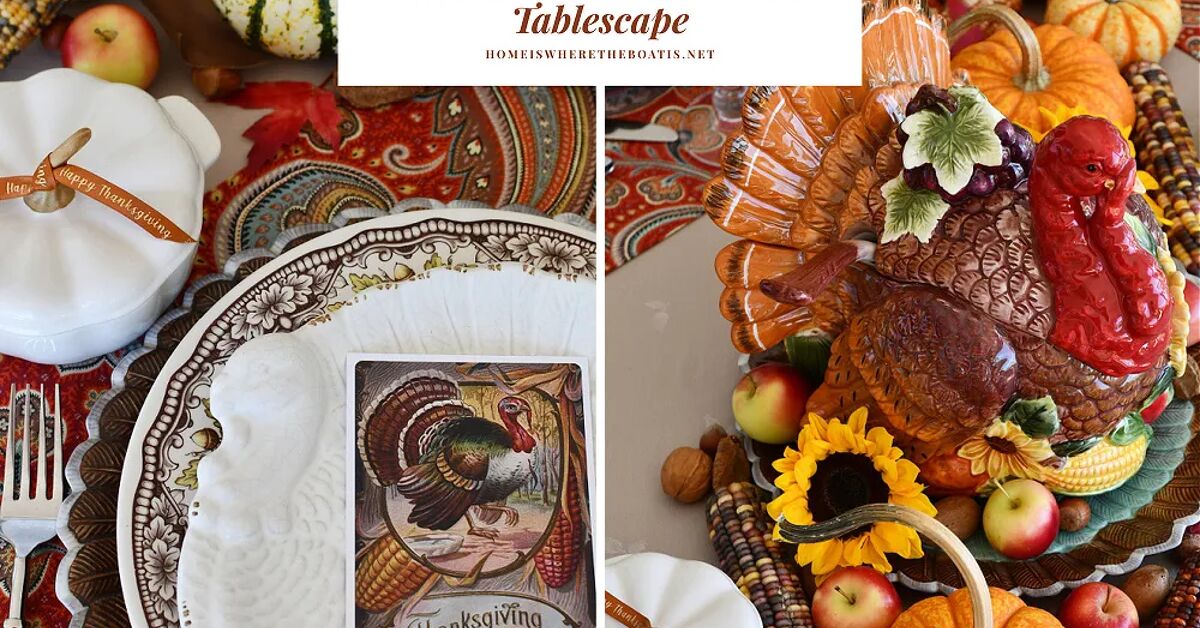
Thanksgiving has a funny way of turning ordinary people into part-time chefs, seating-chart negotiators, gravy therapists, and last-minute decorators. Somewhere between checking the turkey temperature and wondering why there are never enough serving spoons, the table still needs to look warm, festive, and intentional. The good news? A beautiful DIY easy table centerpiece for Thanksgiving does not require a florist, a giant budget, or the crafting skills of someone who owns twelve kinds of glue.
The best Thanksgiving centerpiece is simple, low enough for conversation, safe around food, and made from materials that already feel like fall: pumpkins, gourds, apples, pears, greenery, dried grasses, candles, leaves, pinecones, herbs, and cozy linens. Think of it as decorating with Thanksgiving’s supporting cast. The turkey may be the main character, but the centerpiece is the scene-stealer sitting quietly in the middle of the table saying, “Yes, this host has everything under control.” Even if you absolutely do not.
This guide walks you through an easy, flexible centerpiece anyone can make, plus styling variations for farmhouse, modern, rustic, minimalist, and kid-friendly Thanksgiving tables. You will also find practical tips for scale, color, safety, budget, and real-life hosting, because a centerpiece should not block the mashed potatoes or set the napkins on fire. That is a low bar, but an important one.
Why a DIY Thanksgiving Centerpiece Works So Well
A handmade centerpiece gives your Thanksgiving table personality. Store-bought arrangements can be gorgeous, but DIY decor lets you match your home, dishes, table size, and budget. It also gives you freedom to use natural materials, seasonal produce, family keepsakes, or simple objects you already own.
Another advantage is flexibility. If you are hosting a formal dinner, you can use a linen runner, taper candles, eucalyptus, and muted pumpkins. If your gathering is casual, use a wooden board, mini gourds, apples, and mason jars. If children will be at the table, swap real candles for battery-operated ones and add paper leaves where guests can write what they are thankful for.
The most successful Thanksgiving table centerpiece follows three rules: keep it low, keep it balanced, and keep it practical. Guests should be able to see each other without leaning around a floral skyscraper. Serving dishes should have room to land. And the design should survive real dinner conditions, including elbows, refills, and Uncle Dave reaching dramatically for the rolls.
The Easiest Thanksgiving Centerpiece Formula
Here is the simple formula that works almost every time: base + height + texture + color + glow. That may sound fancy, but it is basically the decorating version of building a sandwich.
1. Start With a Base
Your base grounds the centerpiece and keeps everything from looking scattered. Use a table runner, wooden tray, dough bowl, cutting board, shallow basket, long platter, or even brown kraft paper. A base also makes cleanup easier because you can lift the whole arrangement when it is time to clear the table.
2. Add Low Height
Use mini pumpkins, small vases, short jars, low bowls, or squat candle holders. The key word is “low.” A centerpiece should add beauty, not create a decorative wall between people trying to discuss pie rankings.
3. Layer Texture
Texture makes a centerpiece feel rich without making it expensive. Mix smooth pumpkins with rough pinecones, soft dried grasses, glossy apples, crinkled leaves, woven placemats, or linen napkins. A few different textures create depth and make even a simple arrangement look styled.
4. Choose a Color Story
Classic Thanksgiving colors include orange, gold, burgundy, cream, brown, and deep green. For a modern look, try white pumpkins, sage greenery, brass candle holders, and beige linens. For a dramatic table, use plum, copper, charcoal, and dark red flowers. Pick three main colors so the centerpiece feels pulled together rather than like the craft aisle had a confetti incident.
5. Finish With Glow
Candles add warmth, but safety matters. Use flameless LED candles if children, pets, or crowded serving dishes are involved. If you use real candles, place them in sturdy holders, keep them away from greenery and paper, and never leave them unattended. Unscented candles are best for Thanksgiving because nobody wants vanilla-pumpkin-sandalwood competing with stuffing.
Materials for a Simple DIY Thanksgiving Table Centerpiece
You do not need every item on this list. Choose what fits your table and style.
- One table runner, tray, board, platter, or shallow basket
- Three to seven mini pumpkins or gourds
- Fresh greenery such as eucalyptus, rosemary, sage, magnolia leaves, or olive branches
- Seasonal fruit such as apples, pears, figs, oranges, or persimmons
- Pinecones, acorns, dried wheat, corn husks, or preserved leaves
- Two to five small candles or LED votives
- Small vases, jars, or cups for flowers
- Optional flowers: mums, roses, dahlias, sunflowers, carnations, or hydrangeas
- Ribbon, twine, place cards, or handwritten gratitude notes
A budget-friendly trick is to shop your home first. Look for wooden boards, cake stands, old jars, small bowls, cloth napkins, brass candlesticks, or leftover Halloween pumpkins. Then fill the gaps with grocery-store greenery, fruit, or inexpensive seasonal stems. The goal is not perfection. The goal is “effortlessly charming,” which is decorator language for “I made this while the cranberry sauce was cooling.”
Step-by-Step: DIY Easy Table Centerpiece for Thanksgiving
Step 1: Clear and Measure the Table
Before you decorate, set out your plates, glasses, napkins, and serving pieces. This helps you see how much room the centerpiece can occupy. For a rectangular table, a long narrow arrangement usually works best. For a round table, a compact centerpiece in the middle is easier to manage.
As a general rule, keep the centerpiece under about 12 inches tall if it sits directly between guests. Taller branches or flowers can work on a buffet, sideboard, or entry table, but the dining table should encourage conversation, not peekaboo.
Step 2: Lay Down the Base
Place your runner, tray, or board in the center. A runner softens the table and creates a long visual line. A tray or board gives a rustic, collected feel. A shallow basket adds texture and makes the arrangement look cozy. If you are using kraft paper, roll it down the center of the table and let kids or guests write gratitude notes directly on it.
Step 3: Place the Largest Items First
Add your mini pumpkins, gourds, or small vases first. Use odd numbers when possible because groups of three or five often look more natural. Place the largest pumpkin slightly off-center rather than perfectly in the middle. This creates movement and prevents the centerpiece from looking too stiff.
Step 4: Tuck in Greenery
Cut greenery into smaller pieces and tuck it around the pumpkins. Let some stems spill casually over the edge of the tray or runner. Rosemary and sage are especially nice because they look seasonal and connect visually to the Thanksgiving meal. Eucalyptus adds a soft, elegant look, while magnolia leaves bring Southern charm and structure.
Step 5: Add Fruit for Color
Apples, pears, oranges, figs, and persimmons make a centerpiece feel abundant. They are also practical because you can eat them later. Place fruit in small clusters instead of lining them up like a grocery store display. A few deep red apples or golden pears can add instant richness to a neutral table.
Step 6: Add Flowers or Dried Stems
If you want flowers, keep them low and loose. Use short jars or small bud vases instead of one large bouquet. Grocery-store mums, carnations, roses, and alstroemeria can look beautiful when trimmed short and arranged in small groups. For a longer-lasting display, use dried wheat, bunny tails, preserved leaves, or faux stems mixed with natural pumpkins.
Step 7: Add Candles Safely
Place candles last so you can see where they fit without crowding the table. Use votives, tea lights, short pillars, or tapers in stable holders. For the easiest and safest option, choose battery-operated candles. They still give that cozy holiday glow, and nobody has to nervously watch a napkin drift toward an open flame.
Step 8: Step Back and Edit
Once everything is placed, step back and look at the table from different angles. Remove anything that feels too tall, crowded, or distracting. A good Thanksgiving centerpiece should feel full but not chaotic. When in doubt, take one item away. This is also excellent advice for Thanksgiving side dishes, but nobody listens.
Easy Thanksgiving Centerpiece Ideas by Style
Rustic Farmhouse Centerpiece
Use a wooden dough bowl or long tray filled with white pumpkins, pinecones, dried wheat, and eucalyptus. Add a few amber glass votives for glow. This style works beautifully with linen napkins, stoneware plates, and a neutral table runner.
Modern Minimalist Centerpiece
Choose one color palette and keep the arrangement clean. Try white mini pumpkins, olive branches, black taper candles, and simple ceramic dishes. Leave negative space between objects so the table feels calm and intentional.
Classic Harvest Centerpiece
Mix orange pumpkins, gourds, apples, pears, fall leaves, and warm candlelight. This look celebrates traditional Thanksgiving colors and feels generous without being fussy. It is perfect for family gatherings where nostalgia is part of the decor.
Elegant Floral Centerpiece
Hollow out a pumpkin and use it as a vase, or place a small cup inside a faux pumpkin to hold water. Fill it with roses, mums, dahlias, greenery, and berries. Keep the flowers low and rounded so guests can talk across the table.
Budget-Friendly Grocery Store Centerpiece
Buy one bouquet, one bag of mini pumpkins, and a few pears or apples. Divide the bouquet among small jars, scatter the pumpkins and fruit down the center of the table, and tuck in greenery from your yard if available. The result looks thoughtful but costs far less than a custom arrangement.
Kid-Friendly Thanksgiving Centerpiece
Use paper leaves, crayons, mini pumpkins, and flameless candles. Ask kids to write one thing they are thankful for on each leaf, then scatter the leaves down the center of the table. This turns the centerpiece into a conversation starter and keeps little hands busy before dinner.
Common Mistakes to Avoid
The first mistake is making the centerpiece too tall. A dramatic arrangement may look stunning in photos, but if guests have to lean sideways to ask for gravy, it is not doing its job.
The second mistake is using heavily scented candles or flowers. Thanksgiving already has strong food aromas, and scented decor can clash with the meal. Stick with unscented candles and lightly fragrant greenery.
The third mistake is overcrowding the table. Leave room for serving dishes, glasses, salt and pepper, butter, rolls, and the inevitable extra bowl someone brings “just in case.” Thanksgiving tables are working tables, not museum displays.
The fourth mistake is forgetting safety. Dry leaves, paper place cards, and open flames need distance. If your centerpiece includes flammable materials, flameless candles are the smarter choice.
How to Make Your Centerpiece Look Expensive
You can make a simple centerpiece look high-end with a few styling tricks. First, repeat materials. Repetition makes decor feel intentional. Use the same greenery in the centerpiece and at each place setting, or repeat the same mini pumpkins down the table.
Second, vary height slightly. Use a low vase, a few pumpkins, and small candle holders so the eye moves naturally. Keep everything within a low profile, but avoid making every item the exact same height.
Third, use real materials where they matter. Fresh greenery, fruit, and flowers add life. Faux pumpkins and flameless candles can fill in beautifully, especially when mixed with natural textures.
Fourth, add one metallic accent. Brass candlesticks, copper votives, gold-rimmed glasses, or bronze flatware can make the table feel polished. Use metallics sparingly so the centerpiece glows instead of shouting.
Make-Ahead Timeline for Thanksgiving Week
A centerpiece should reduce stress, not become another Thanksgiving emergency. Three to five days before Thanksgiving, gather nonperishable items such as trays, candles, faux pumpkins, ribbons, and linens. Two days before, buy flowers and greenery so blooms have time to open. The day before, set the table and build the base of the centerpiece with pumpkins, gourds, candles, and dried elements.
On Thanksgiving morning, add fresh greenery, fruit, and flowers. Refresh water in small vases and remove any bruised leaves or tired petals. Right before guests arrive, turn on flameless candles or light real candles only when someone will be nearby to supervise.
of Real-Life Experience: What Actually Works on Thanksgiving
After making Thanksgiving centerpieces for real tablesnot the imaginary kind where nobody spills cider and every napkin behavesthe biggest lesson is this: simple always wins. The centerpiece that gets compliments is rarely the most complicated one. It is the one that feels warm, fits the table, and does not interfere with dinner.
One of the easiest centerpieces I have used is a long wooden cutting board with three white pumpkins, two small jars of grocery-store flowers, rosemary sprigs, pears, and LED votives. It took about fifteen minutes, but it looked like I had planned it for weeks. The secret was balance. The pumpkins gave structure, the flowers added softness, the pears brought color, and the candles made everything look cozy once the room lights dimmed.
Another reliable approach is the “shop the kitchen” centerpiece. Apples, oranges, walnuts, cinnamon sticks, herbs, and a few small bowls can look surprisingly elegant when grouped with intention. This is especially helpful when the decorating budget has already been eaten by butter, cream, and the mysterious number of potatoes required to feed a crowd.
Fresh greenery is the fastest way to make a table feel finished. Even a few sprigs of rosemary tucked around pumpkins can change the whole mood. If you have access to safe, clean backyard clippings, use them carefully. Shake off debris, avoid anything toxic or irritating, and do not place unknown plants near food. When in doubt, buy a small bundle of eucalyptus, olive branches, or herbs from the grocery store.
The most practical Thanksgiving centerpiece is modular. Instead of building one huge arrangement, create several small clusters. That way, when the turkey arrives or someone needs space for the green bean casserole, you can move one section without dismantling the entire table. Small jars, votives, pumpkins, and fruit clusters are easy to shift around.
For family gatherings, personal touches matter more than perfect styling. Handwritten place cards, gratitude notes, inherited candle holders, or a small bowl from a grandparent’s kitchen can make the table feel meaningful. Thanksgiving decor should not look like a showroom unless your family happens to eat mashed potatoes in a showroom, which sounds stressful and probably echoey.
One final experience-based tip: take a photo of the centerpiece before dinner. Not because everything must be social-media-ready, but because once the meal begins, the table becomes wonderfully real. Glasses move, serving spoons appear, rolls vanish, and someone will absolutely place a giant bottle of sparkling cider directly in front of your prettiest pumpkin. That is not failure. That is Thanksgiving doing what Thanksgiving does best: turning a decorated table into a shared memory.
Conclusion
A DIY easy table centerpiece for Thanksgiving does not need to be expensive, elaborate, or stressful. With a simple base, seasonal textures, low-profile decor, warm light, and a clear color palette, you can create a Thanksgiving table that feels welcoming and beautiful. Use pumpkins, greenery, fruit, flowers, candles, or meaningful family pieces to build a centerpiece that fits your home and your guests.
The best centerpiece is one that supports the meal instead of competing with it. Keep it low, safe, flexible, and personal. Whether your style is rustic farmhouse, modern minimalist, classic harvest, or cheerful kid-friendly chaos, your table can look festive without requiring a crafting marathon. After all, Thanksgiving is about gratitude, connection, and second helpingsnot wrestling with floral foam while the oven timer screams.