

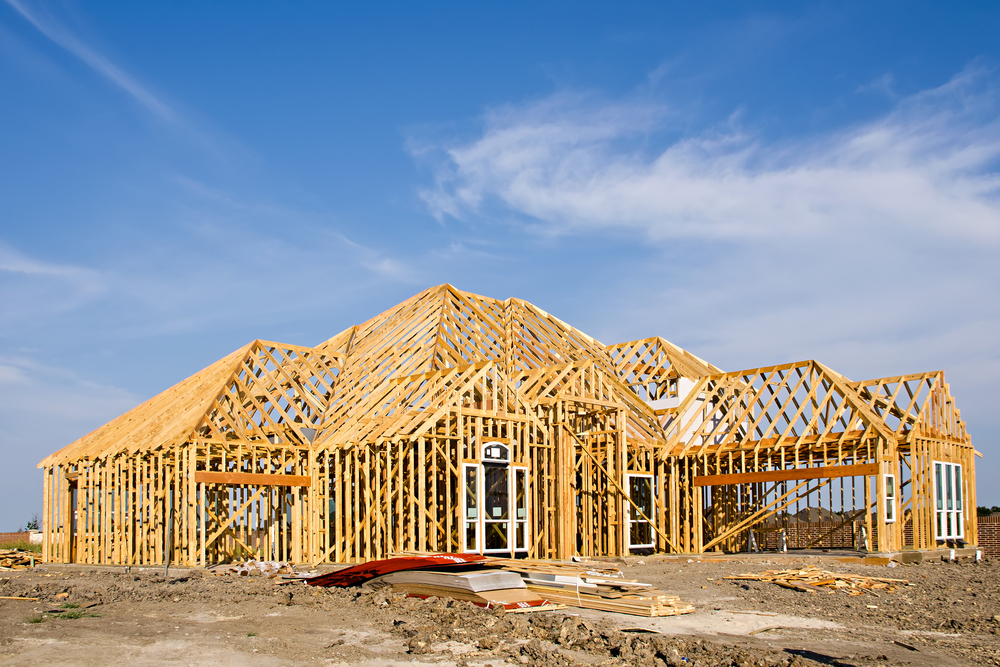
Building or renovating a home is excitingright up until someone asks, “So, what insurance covers the house before it’s actually a house?” Suddenly, your dream kitchen, new addition, or custom-built farmhouse has turned into a paperwork jungle filled with policy forms, endorsements, exclusions, certificates of insurance, and words like “course of construction.” Not exactly the stuff of Pinterest boards.
Yet insurance during construction is one of the most important decisions a homeowner can make. A standard homeowners insurance policy is built for a finished, occupied residence. A builders risk policy, also called course of construction insurance, is designed for a property that is being built, remodeled, repaired, or expanded. The difference matters because construction changes the risk. There may be exposed framing, temporary wiring, uninstalled cabinets, stacked lumber, subcontractors, open walls, weather exposure, theft risk, and a half-finished roof that looks peaceful until the forecast says “sideways rain.”
So, when comparing homeowners vs. builders risk insurance, the real question is not which policy sounds more familiar. The question is: which one matches the actual risk on the job site?
What Is Homeowners Insurance During Construction?
Homeowners insurance is the policy most people already have on their residence. It usually protects the dwelling, personal property, additional living expenses, and personal liability, subject to policy terms and exclusions. It works well for normal homeownership risks such as fire, wind, certain water damage, theft of personal belongings, and injuries that happen on the property.
However, a home under construction is not a normal household situation. When you start a major renovation or build from the ground up, your insurer may view the property differently. The home might be vacant, partially open to the weather, structurally altered, or filled with building materials that are not yet part of the finished structure. That can create coverage gaps.
When Homeowners Insurance May Be Enough
A homeowners policy may be suitable for small, low-risk projects when the home remains occupied and the work does not significantly change the structure. Examples may include painting, replacing flooring, updating fixtures, minor cabinet work, or a small bathroom refresh. Even then, you should notify your insurance agent before the project begins. Some improvements increase the home’s replacement cost, which means the dwelling limit may need to be updated.
For example, replacing laminate countertops with stone, installing custom cabinets, or finishing a basement can increase the cost to rebuild the home. If the policy limit stays the same while the home becomes more expensive to replace, the homeowner may be underinsured after a loss. That is like buying a larger pizza but keeping the same tiny takeout box. Something is not going to fit.
Where Homeowners Insurance Can Fall Short
The biggest issue is that homeowners insurance was not primarily designed for construction exposures. Depending on the policy, exclusions or limitations may apply to theft of building materials, vacant homes, unpermitted work, structural changes, faulty workmanship, or damage to materials before installation. Some policies may offer endorsements for a dwelling under construction, but those endorsements vary widely by insurer.
Another concern is liability. Your homeowners policy may provide personal liability protection, but it is not a substitute for the contractor’s commercial general liability insurance, workers’ compensation, or proper subcontractor coverage. If a contractor drops a beam through your living room ceiling, that is not the same as a guest slipping on your porch during a barbecue.
What Is Builders Risk Insurance?
Builders risk insurance is property insurance for a building project while work is in progress. It is commonly used for new construction, major renovations, additions, remodels, and installation projects. The policy usually starts before construction begins and ends when the project is completed, accepted by the owner, sold, occupied, or otherwise reaches the endpoint described in the policy.
Builders risk coverage often protects the structure under construction, materials, fixtures, equipment awaiting installation, and sometimes temporary structures. Depending on the policy, it may also cover materials stored off-site or in transit to the job site. This matters because construction materials have a magical way of becoming very expensive the moment they are sitting unattended in a driveway.
Common Builders Risk Coverages
A builders risk policy may cover direct physical loss caused by covered events such as fire, theft, vandalism, wind, hail, lightning, explosion, collapse, or certain weather-related damage. Many policies can be customized with endorsements for soft costs, debris removal, pollutant cleanup, ordinance or law, testing, temporary structures, scaffolding, and materials in transit.
For a homeowner building a custom house, this can be critical. Imagine $40,000 worth of windows are delivered on Friday, but installation is scheduled for Monday. If those windows are stolen over the weekend, a regular homeowners policy may not respond the way you expect. A properly written builders risk policy is more likely to address that type of construction-related property exposure.
Who Buys Builders Risk Insurance?
Builders risk insurance may be purchased by the homeowner, general contractor, property owner, developer, or another party with an insurable interest in the project. The construction contract should clearly state who is responsible for buying it, what limits are required, who is named as an insured, and when coverage must begin and end.
This is not a detail to “figure out later.” Later is usually when a storm has already blown rain through the framed second floor. The smarter move is to settle the insurance responsibility before anyone swings a hammer.
Homeowners vs. Builders Risk: The Core Difference
The simplest way to compare homeowners vs. builders risk is this: homeowners insurance is for a completed home; builders risk insurance is for a construction project. One protects a lived-in residence. The other protects a work in progress.
Homeowners Insurance Is Occupancy-Focused
Homeowners insurance assumes the home is generally complete, maintained, and occupied. The policy is built around ordinary residential exposures. It may include coverage for the dwelling, detached structures, personal property, loss of use, and personal liability. It may also have conditions about vacancy, occupancy, maintenance, and changes in risk.
Builders Risk Is Construction-Focused
Builders risk insurance assumes the property is changing. The value of the project increases over time as materials are delivered and work is completed. The risk also changes from day to day. One week the project is a foundation. A month later, it is framing. Later, it has electrical, plumbing, HVAC, drywall, cabinets, tile, and appliances waiting to be installed. Builders risk is designed for that moving target.
When You Should Consider Builders Risk Insurance
Builders risk insurance is usually worth serious consideration when the project involves major construction, structural changes, or a significant amount of materials and labor. If your project looks more like a job site than a weekend chore, it is time to call your agent.
1. Ground-Up New Construction
If you are building a new home from scratch, builders risk insurance is typically the better fit. A standard homeowners policy may not be available or appropriate because there is no completed dwelling yet. The project needs coverage while the structure is being created, not just after the welcome mat arrives.
2. Major Renovations or Gut Remodels
If walls are coming down, the roof is being opened, plumbing and electrical systems are being replaced, or the home will be temporarily unoccupied, builders risk coverage may be necessary. A gut renovation can expose the property to theft, weather, fire, and accidental damage in ways that ordinary homeowners insurance may not fully contemplate.
3. Large Additions
Adding a second story, expanding the kitchen, building an attached garage, or constructing a new wing changes both the value and the risk of the home. Builders risk insurance can protect the new work and materials while the project is underway.
4. High-Value Materials Stored On-Site
Custom windows, hardwood flooring, roofing materials, appliances, copper wiring, cabinets, fixtures, and specialty finishes can attract theft or be damaged before installation. If expensive materials will be stored at the site, ask whether your current policy covers them. Do not assume. Insurance assumptions are where budgets go to cry.
5. Lender or Contract Requirements
Construction lenders often require proof of builders risk insurance before releasing funds. Contractors may also require it in the construction agreement. If a lender, architect, or contractor asks for builders risk coverage, treat that as a sign the exposure is too large for casual guesswork.
When Homeowners Insurance May Still Play a Role
Choosing builders risk does not always mean your homeowners policy disappears. In many projects, both policies may be involved. The builders risk policy may cover the construction property exposure, while the homeowners policy may continue to provide personal liability or coverage for the existing residence, depending on the situation and insurer approval.
For example, if you are adding a detached garage while continuing to live in the home, your agent may recommend keeping the homeowners policy in force and adding builders risk for the garage project. If you are doing a major renovation and moving out for six months, your insurer may need to modify or replace the homeowners policy because vacancy and construction can change eligibility.
Key Coverage Questions to Ask Before Construction Begins
Before signing contracts or ordering materials, homeowners should ask practical insurance questions. These questions help uncover gaps before they become expensive surprises.
Ask Your Insurance Agent
- Will my current homeowners policy cover this project?
- Do I need a dwelling under construction endorsement?
- Would a separate builders risk policy provide broader protection?
- Are building materials covered before installation?
- Does coverage apply to materials stored off-site or in transit?
- What happens if the home is vacant during construction?
- Do I need to increase my dwelling limit after the renovation?
- Are flood, earthquake, windstorm, or ordinance issues excluded or limited?
Ask Your Contractor
- Do you carry commercial general liability insurance?
- Do you carry workers’ compensation coverage?
- Can you provide a current certificate of insurance?
- Will subcontractors be insured?
- Who is responsible for purchasing builders risk insurance?
- Who is responsible for materials before and after delivery?
- What does the construction contract say about insurance and risk of loss?
A reputable contractor should not act offended by these questions. Professional builders expect insurance paperwork. If someone reacts as if you asked for their secret chili recipe, that is a red flag.
Common Mistakes Homeowners Make
Mistake 1: Assuming the Contractor’s Insurance Covers Everything
A contractor’s general liability policy may cover certain damage caused by the contractor’s negligence, but it usually does not replace builders risk insurance. It may not cover theft of your materials, storm damage to the unfinished structure, or losses where no contractor negligence is involved.
Mistake 2: Forgetting About Vacancy
If you move out during construction, your homeowners policy may have vacancy or unoccupancy conditions. A vacant home under renovation can be viewed as a higher risk. Notify your insurer before you leave, not after the claim.
Mistake 3: Underinsuring the Completed Value
Builders risk limits are often based on the completed value of the project, including labor and materials. If the project is insured for less than it should be, claim payment may be affected. Rising material and labor costs make accurate valuation even more important.
Mistake 4: Ignoring Soft Costs
After a covered loss, the cost is not always limited to replacing damaged materials. There may be architectural fees, permit fees, loan interest, inspection costs, legal expenses, or additional taxes. Some builders risk policies can include soft cost coverage, but it must usually be selected or endorsed.
Mistake 5: Waiting Until Construction Starts
Insurance should be arranged before materials arrive and before work begins. Once construction is underway, coverage may be harder to place, and losses that happen before the policy starts will not be covered. Insurance is not a time machine, despite how useful that would be.
Cost Considerations: Is Builders Risk Worth It?
The cost of builders risk insurance depends on factors such as project value, location, construction type, duration, security, coverage limits, deductibles, and optional endorsements. A small remodel may cost far less to insure than a custom coastal home exposed to windstorm risk.
While homeowners naturally focus on premium, the better question is what a major uncovered loss would cost. If fire damages framing, thieves steal materials, or wind damages unfinished work, the cost of recovery can quickly exceed the insurance premium. Builders risk is often a small line item compared with the total construction budget, but it can protect the entire project from financial derailment.
Best Choice: Homeowners or Builders Risk?
For small cosmetic updates, your homeowners policy may be enough after your agent reviews the details. For new construction, major remodeling, structural work, large additions, vacant renovation properties, or high-value materials, builders risk insurance is usually the more appropriate solution.
The best answer is not one-size-fits-all. It depends on the project scope, contract terms, lender requirements, occupancy status, materials, location, and policy language. That is why an independent insurance agent can be especially helpful. They can compare options, explain exclusions, coordinate homeowners and builders risk policies, and help make sure the coverage matches the construction timeline.
Real-World Examples
Example 1: The Kitchen Refresh
A homeowner replaces countertops, paints cabinets, upgrades lighting, and installs new appliances while living in the home. This may be manageable under the homeowners policy, but the homeowner should still notify the insurer because the kitchen’s replacement value may increase.
Example 2: The Second-Story Addition
A family adds a second floor and moves out for four months. The roof is opened, framing is exposed, and materials are stored on-site. This is a strong builders risk scenario because the property is no longer just a normal occupied home.
Example 3: The Custom New Build
A couple buys land and hires a contractor to build a new house. Since there is no completed home yet, a builders risk policy should be arranged before construction starts. The policy should name the proper insureds and match the completed value of the project.
Example 4: The DIY Garage
A homeowner builds a detached garage with help from friends. This may create property and liability concerns. The homeowner should speak with an agent about builders risk, personal liability, permits, and whether unpaid helpers create additional exposure.
of Practical Experience: Lessons From Home Construction Insurance Decisions
One of the most common experiences homeowners describe during construction is surprise. They are surprised that their homeowners policy may not automatically cover a major remodel. They are surprised that the contractor’s insurance does not protect every part of the project. They are surprised that materials sitting in the driveway may be treated differently from materials installed in the wall. Most of all, they are surprised that insurance questions become urgent at the exact moment the project is already stressful.
A practical lesson is to bring insurance into the planning stage early. The best time to ask about homeowners vs. builders risk coverage is when you are reviewing bids, not when the framing crew is already on-site. Before signing the construction contract, homeowners should send the project description to their insurance agent. Include the estimated cost, start date, completion date, whether the home will be occupied, whether structural work is involved, and where materials will be stored. The more specific the information, the better the coverage recommendation.
Another experience that comes up often is confusion over who should buy the builders risk policy. Some contractors prefer to buy it because they manage the construction schedule and materials. Some homeowners prefer to buy it because they own the property and want control over the policy. Either approach can work, but the contract must be clear. If both sides assume the other person handled it, nobody handled it. That is not risk management; that is a group project gone wrong.
Homeowners also learn quickly that certificates of insurance matter. A contractor may say, “Yes, we are insured,” but you should ask for proof. Review the certificate dates, coverage types, and limits. Make sure subcontractors are also covered, especially for roofing, electrical, plumbing, excavation, and structural work. A certificate is not a full policy, but it is a useful first checkpoint.
Documentation is another underrated habit. Take photos before construction begins, during major phases, and after completion. Keep contracts, invoices, permits, change orders, inspection records, material receipts, and communication with the contractor. If a claim happens, organized documentation can make the process smoother. If no claim happens, congratulationsyou now have a very detailed scrapbook of drywall dust and financial decisions.
Finally, homeowners should update their insurance after the project is complete. A renovation may increase the home’s replacement cost, add liability exposure, or qualify for discounts if electrical, plumbing, roofing, security, or fire protection systems were improved. The end of construction is not the end of the insurance conversation. It is the moment to make sure the finished home is insured as the upgraded home it has become.
Conclusion
During home construction, homeowners insurance and builders risk insurance serve different purposes. Homeowners insurance protects a completed, lived-in residence. Builders risk insurance protects a project while it is being built, renovated, or expanded. For small cosmetic updates, your existing homeowners policy may be enough after review. For major construction, structural changes, new builds, vacant properties, or expensive materials, builders risk insurance is usually the stronger choice.
The smartest move is simple: talk to your insurance agent before work begins, confirm the contractor’s insurance, read the construction contract carefully, and match coverage to the real risks on the job site. A home construction project already has enough surprises. Your insurance coverage should not be one of them.
Note: This article is for general educational purposes only. Coverage varies by insurer, state, policy form, endorsements, exclusions, and project details. Homeowners should consult a licensed insurance agent before beginning construction or renovation.