

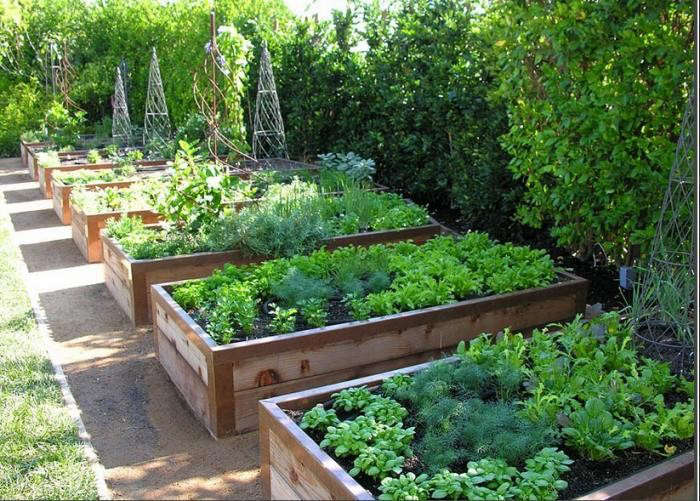
Growing your own vegetable garden sounds wonderfully wholesome until you meet your first tomato hornworm, forget what you planted where, and realize zucchini plants have the personal-space habits of an overexcited golden retriever. Still, a DIY vegetable garden is one of the most rewarding home projects you can start. It saves money, adds fresh flavor to your meals, gets you outside, and gives you a new reason to say, “I grew this,” with the confidence of a tiny backyard farmer.
The good news is that starting a vegetable garden does not require a tractor, a straw hat, or mysterious gardening wisdom passed down by someone named Earl. With smart planning, healthy soil, enough sunlight, consistent watering, and a few beginner-friendly crops, you can grow fresh vegetables in a backyard, raised bed, patio container, or even a sunny balcony.
This guide walks you through simple, practical tips for growing your own vegetable garden, from choosing the right location to harvesting your first salad. Whether you want tomatoes, lettuce, peppers, herbs, cucumbers, beans, carrots, or a little bit of everything, the goal is simple: grow more food, waste less effort, and avoid turning your garden into a botanical mystery novel.
Why Start a DIY Vegetable Garden?
A home vegetable garden gives you control over what you grow, when you harvest it, and how you care for your food. Freshly picked vegetables often taste better because they are harvested at peak ripeness instead of traveling halfway across the country in a truck while questioning their life choices.
Gardening also teaches patience, observation, and flexibility. Some seasons are generous. Some seasons are basically group projects with weather, insects, and soil microbes, and not everyone pulls their weight. But every season teaches something useful.
Benefits of Growing Vegetables at Home
Growing your own vegetables can help lower grocery costs, encourage healthier eating, reduce food miles, and create a relaxing outdoor routine. It also lets you grow varieties that may be hard to find in stores, such as colorful cherry tomatoes, purple carrots, lemon cucumbers, spicy peppers, or tender baby greens.
Even a small garden can produce a surprising amount of food. A few containers of herbs, lettuce, and tomatoes can upgrade weeknight dinners from “fine” to “look at me, I’m basically a chef.”
Start Small: The Golden Rule of Beginner Gardening
The most common beginner mistake is planting too much too soon. In spring, ambition is high, seed packets are pretty, and every gardener briefly believes they can manage 17 tomato plants, three melon vines, and enough kale to feed a yoga retreat. By July, the weeds are laughing.
Start with a garden you can maintain comfortably. A 4-by-4-foot raised bed, a 4-by-8-foot bed, or a few large containers is enough for a beginner. You can always expand later, after you learn what grows well in your space and what your schedule can handle.
Best Beginner Vegetables to Grow
For your first DIY vegetable garden, choose crops that are reliable and forgiving. Good beginner vegetables include lettuce, radishes, bush beans, cherry tomatoes, peppers, cucumbers, zucchini, spinach, Swiss chard, kale, carrots, and herbs like basil, parsley, mint, and cilantro.
Radishes grow quickly and are great for impatient gardeners. Lettuce and spinach are excellent for spring and fall. Beans are easy from seed. Cherry tomatoes are productive and cheerful, assuming they get enough sun and water. Zucchini is so productive that neighbors may begin locking their doors in August.
Choose the Right Garden Location
Location is the foundation of vegetable garden success. Most vegetables need full sun, which generally means at least six hours of direct sunlight per day, while many fruiting crops like tomatoes, peppers, cucumbers, and squash perform best with eight or more hours. If your garden is too shady, plants may grow slowly, produce fewer vegetables, and look like they are writing sad poetry.
Pick a spot that is sunny, level, well-drained, and close to a water source. Convenience matters. A garden tucked far behind the garage may sound charming in March, but in July heat, every watering trip will feel like a heroic expedition.
What to Avoid
Avoid areas where water stands after rain, because soggy soil can suffocate roots and encourage disease. Do not plant too close to large trees or shrubs, which compete with vegetables for sunlight, moisture, and nutrients. Also avoid areas that may have contaminated soil, especially near old painted structures, busy roads, or former industrial sites. If you are gardening in an urban area, consider soil testing for lead and other contaminants before planting food crops directly in the ground.
Test and Improve Your Soil
Healthy soil is the secret engine of a productive vegetable garden. Vegetables grow best in soil that is loose, deep, crumbly, rich in organic matter, and well-drained. Soil should hold enough moisture for roots but still allow air to move through it. Roots need oxygen too; they are not tiny submarines.
A soil test is one of the smartest first steps you can take. It tells you your soil pH, nutrient levels, and what amendments may be needed. Most vegetables prefer a slightly acidic to neutral soil, often around pH 6.0 to 7.0, though the ideal range can vary by crop and region.
Add Compost for Better Soil Structure
Compost improves soil structure, supports beneficial microorganisms, helps sandy soil hold water, and helps clay soil drain better. Add finished compost before planting and mix it into the top several inches of soil. Avoid adding huge amounts of unfinished organic matter directly before planting, because it may temporarily tie up nitrogen as it decomposes.
If your soil is heavy clay, add compost regularly rather than trying to “fix” it in one weekend. If your soil is sandy, compost helps improve water and nutrient retention. In both cases, compost is like a polite garden therapist: it helps everything communicate better.
Raised Beds, In-Ground Beds, or Containers?
You can grow a vegetable garden in several ways. The best choice depends on your space, soil quality, budget, and mobility needs.
Raised Beds
Raised beds are popular because they warm up faster in spring, drain well, reduce soil compaction, and make it easier to control the growing mix. They are especially useful if your native soil is rocky, compacted, poorly drained, or difficult to work. A common raised bed size is 4 feet wide, which allows you to reach the middle from either side without stepping into the bed.
Raised beds can dry out faster than in-ground beds, so regular watering is important. Add mulch and consider drip irrigation or soaker hoses to keep moisture consistent.
In-Ground Beds
In-ground beds are affordable and practical if your soil drains well and has decent fertility. They require less upfront material than raised beds, but you may need to improve the soil with compost and manage weeds more carefully.
Container Gardens
Containers are ideal for patios, balconies, renters, or gardeners with limited space. Use large pots with drainage holes and a quality potting mix, not heavy garden soil. Good container crops include herbs, lettuce, peppers, cherry tomatoes, bush beans, radishes, and compact cucumbers.
Containers dry out faster than garden beds, so check them often during hot weather. A tomato in a small black pot on a sunny patio can go from “thriving” to “dramatic Victorian fainting couch” in one afternoon.
Plan Before You Plant
A little planning prevents a lot of chaos. Before planting, sketch your garden on paper or use a simple digital layout. Mark where each crop will go, how much space it needs, and when it should be planted.
Group plants by season and size. Put tall crops like trellised tomatoes, pole beans, or cucumbers where they will not shade shorter plants. Plant fast-growing crops like radishes and lettuce in spaces that will later hold warm-season crops.
Understand Cool-Season and Warm-Season Crops
Cool-season vegetables grow best in spring and fall. These include lettuce, spinach, peas, radishes, kale, broccoli, carrots, beets, and cabbage. Warm-season vegetables need warm soil and frost-free weather. These include tomatoes, peppers, cucumbers, squash, beans, corn, eggplant, melons, and basil.
Planting at the right time matters. Tomatoes planted too early in cold soil may sulk for weeks. Lettuce planted in midsummer heat may bolt quickly and taste bitter. Plants are a bit like people: they perform better when not forced into terrible working conditions.
Use Seeds and Transplants Wisely
Some vegetables are best started from seed directly in the garden. These include carrots, radishes, beans, peas, corn, beets, and many leafy greens. Root crops do not love being transplanted because their edible roots can become twisted or stunted.
Other crops are easier to start as transplants, especially for beginners. Tomatoes, peppers, eggplants, broccoli, cabbage, and many herbs often do well when started indoors or purchased as young plants from a nursery.
Harden Off Transplants
Before moving indoor-grown seedlings outside permanently, harden them off. This means gradually exposing them to outdoor sun, wind, and temperature changes over several days. Without this adjustment, seedlings may suffer transplant shock, sunburn, or general plant-level betrayal.
Water Deeply and Consistently
Watering is where many beginner gardens succeed or stumble. Vegetables need consistent moisture, especially during seed germination, flowering, fruiting, and root development. Instead of shallow daily sprinkles, water deeply so moisture reaches the root zone.
Morning watering is usually best because leaves dry more quickly, reducing disease risk. Drip irrigation and soaker hoses are efficient because they deliver water directly to the soil instead of splashing leaves. Wet foliage can increase disease problems, especially in crops like tomatoes and cucumbers.
How to Know When to Water
Stick your finger into the soil about an inch or two deep. If it feels dry at that depth, water. If it still feels moist, wait. The surface can look dry while the root zone still has moisture, so do not judge by looks alone. Soil, like social media, can be misleading at the surface.
Mulch Like You Mean It
Mulch is one of the easiest ways to make a vegetable garden easier to manage. Organic mulch such as straw, shredded leaves, untreated grass clippings, or compost helps reduce weeds, conserve moisture, moderate soil temperature, and prevent soil from splashing onto leaves.
Apply mulch after seedlings are established and the soil has warmed. A layer of 2 to 4 inches is often useful, but keep mulch slightly away from plant stems to reduce disease and pest issues.
Best Mulch Materials for Vegetable Gardens
Good vegetable garden mulches include straw, shredded leaves, pine needles, compost, and dried grass clippings from lawns that have not been treated with herbicides. Avoid using hay unless you are certain it is weed-free, unless your secret goal is to grow a hayfield with occasional tomatoes.
Feed Plants Without Overfeeding
Vegetables need nutrients, but more fertilizer is not always better. Too much nitrogen can produce lush leaves and disappointing fruit, especially in tomatoes and peppers. Follow soil test recommendations whenever possible.
Compost provides slow-release nutrients and improves soil health, but heavy-feeding crops may need additional fertilizer during the season. Tomatoes, corn, cabbage, and squash often need more nutrients than herbs or beans. Always follow product directions and avoid applying fertilizer directly against stems or roots.
Control Weeds Early
Weeds compete with vegetables for light, water, nutrients, and space. The best time to control weeds is when they are small. Pulling tiny weeds is mildly satisfying. Pulling giant weeds with root systems the size of a family tree is character-building, but not recommended.
Mulch, close plant spacing, regular hand weeding, and clean pathways can all reduce weed pressure. Try to avoid disturbing the soil too deeply once plants are established, because buried weed seeds may be brought to the surface and germinate.
Prevent Pests and Diseases Naturally
A healthy vegetable garden starts with prevention. Choose disease-resistant varieties when possible, space plants properly for good airflow, water at the base, remove diseased leaves, and clean up old crop debris at the end of the season.
Inspect plants regularly. Look under leaves, check stems, and watch for early signs of pests, holes, spots, wilting, or yellowing. Catching problems early is much easier than discovering an insect convention after it has already elected officers.
Use Crop Rotation
Crop rotation means avoiding planting the same family of vegetables in the same spot year after year. For example, tomatoes, peppers, potatoes, and eggplants are all in the nightshade family. Rotating crops can help reduce disease and insect pressure while supporting better soil balance.
Invite Beneficial Insects
Not every bug is a villain. Lady beetles, lacewings, hoverflies, parasitic wasps, bees, and other beneficial insects can help pollinate crops or control pests. Planting flowers like marigolds, zinnias, alyssum, dill, fennel, and calendula can make your garden more inviting to helpful insects.
Harvest at the Right Time
Harvesting regularly keeps many plants productive. Beans, cucumbers, zucchini, basil, and leafy greens often produce more when picked frequently. Letting vegetables become overgrown can reduce quality and slow new production.
Pick leafy greens when leaves are tender. Harvest zucchini when it is small to medium-sized, before it becomes a green baseball bat. Pick tomatoes when fully colored and slightly soft. Harvest herbs before flowering for the best flavor.
Common Beginner Mistakes to Avoid
Every gardener makes mistakes. The trick is making small, educational mistakes instead of large, compost-scented disasters.
Planting Too Close Together
Seedlings look tiny at first, so it is tempting to pack them together. Resist. Crowded plants compete for resources and are more likely to develop disease because air cannot move freely around the leaves.
Ignoring Plant Labels
Seed packets and plant tags include valuable spacing, depth, light, and harvest information. Read them before planting. Future you will appreciate it.
Watering Inconsistently
Irregular watering can stress plants and contribute to problems such as cracked tomatoes, bitter cucumbers, poor germination, or blossom-end rot in tomatoes and peppers. Consistency is your friend.
Forgetting to Harvest
A vegetable garden is not a museum. Pick the vegetables. Eat the vegetables. Share the vegetables. Do not let cucumbers hide under leaves until they become canoe-sized.
DIY Vegetable Garden Experience: Lessons from the Soil
One of the most useful experiences in growing your own vegetable garden is learning that plants rarely follow your perfect plan. You may draw a tidy garden map, label every row, and imagine a postcard-worthy harvest. Then spring rain arrives late, the basil sulks, the beans leap ahead, and one mystery squash vine begins a slow campaign for regional dominance. This is normal. Gardening is part science, part art, and part “let’s see what happens if I move this pot three feet to the left.”
A practical beginner experience is to start with one small raised bed and a few containers. For example, plant cherry tomatoes and basil in one sunny corner, lettuce and radishes in a cooler section, and bush beans along the edge. Add a large pot of peppers near a patio where you can check it daily. This setup teaches several lessons at once: tomatoes need support, basil loves warmth, lettuce prefers cooler weather, radishes grow quickly, beans are generous, and container peppers will remind you immediately when they are thirsty.
Another lesson comes from watering. Many beginners water too lightly because the soil surface looks wet. Later, they discover the moisture never reached the roots. A better habit is to water slowly, pause, and check the soil depth. If the top inch is damp but the soil below is dry, keep watering. Over time, you begin to understand your garden’s rhythm. Sandy soil dries quickly. Clay soil holds water longer. Containers need more frequent attention. Raised beds may drain beautifully but dry faster during hot weather.
Mulching is another experience that feels almost magical once you see the difference. A mulched bed usually has fewer weeds, steadier moisture, and cleaner leaves after rain. The first time you skip mulch in one bed and use it in another, the comparison is hard to ignore. The unmulched bed seems to grow weeds as a side hustle, while the mulched bed stays calmer and easier to manage.
You also learn that harvesting is not just the reward; it is part of plant care. Picking beans encourages more beans. Cutting basil makes it bushier. Harvesting outer lettuce leaves lets the plant keep growing. Removing overripe zucchini prevents the plant from putting energy into giant vegetables that look less like dinner and more like evidence.
Perhaps the best experience is learning to observe instead of panic. Yellow leaves do not always mean disaster. One bug does not always mean infestation. A slow week does not mean failure. Gardens change daily, and the gardener’s job is to notice patterns. Are leaves wilting every afternoon but recovering by evening? Is the soil dry? Are lower tomato leaves spotted after heavy rain? Are seedlings stretching toward light? These clues help you adjust.
The most satisfying moment is the first real harvest. It may be a handful of radishes, a bowl of lettuce, three cherry tomatoes, or one slightly crooked cucumber. It will probably not look like a grocery store display, and that is part of the charm. Homegrown vegetables have personality. They also have flavor, freshness, and a tiny bit of bragging rights.
In the end, a DIY vegetable garden teaches you to work with nature instead of trying to control every detail. Start small, improve the soil, water deeply, mulch generously, plant what you love to eat, and keep notes. The garden will not be perfect. Neither is the gardener. Fortunately, vegetables are surprisingly forgiving, and every season offers another chance to grow something better.
Conclusion
Growing your own vegetable garden is one of the simplest DIY projects with the biggest everyday payoff. You do not need a huge yard or expert-level skills. Start with a sunny spot, healthy soil, a manageable layout, beginner-friendly crops, and a consistent care routine. Add compost, water deeply, mulch well, watch for pests, harvest often, and learn as you go.
A successful vegetable garden is not about perfection. It is about progress, fresh flavor, and the quiet thrill of walking outside to pick part of your dinner. Some plants will thrive, some will struggle, and at least one zucchini may behave like it owns the property. That is all part of the fun.
With these simple vegetable gardening tips, you can build confidence, grow healthier food, and turn a patch of soil or a few containers into a productive, delicious, and deeply satisfying garden.