

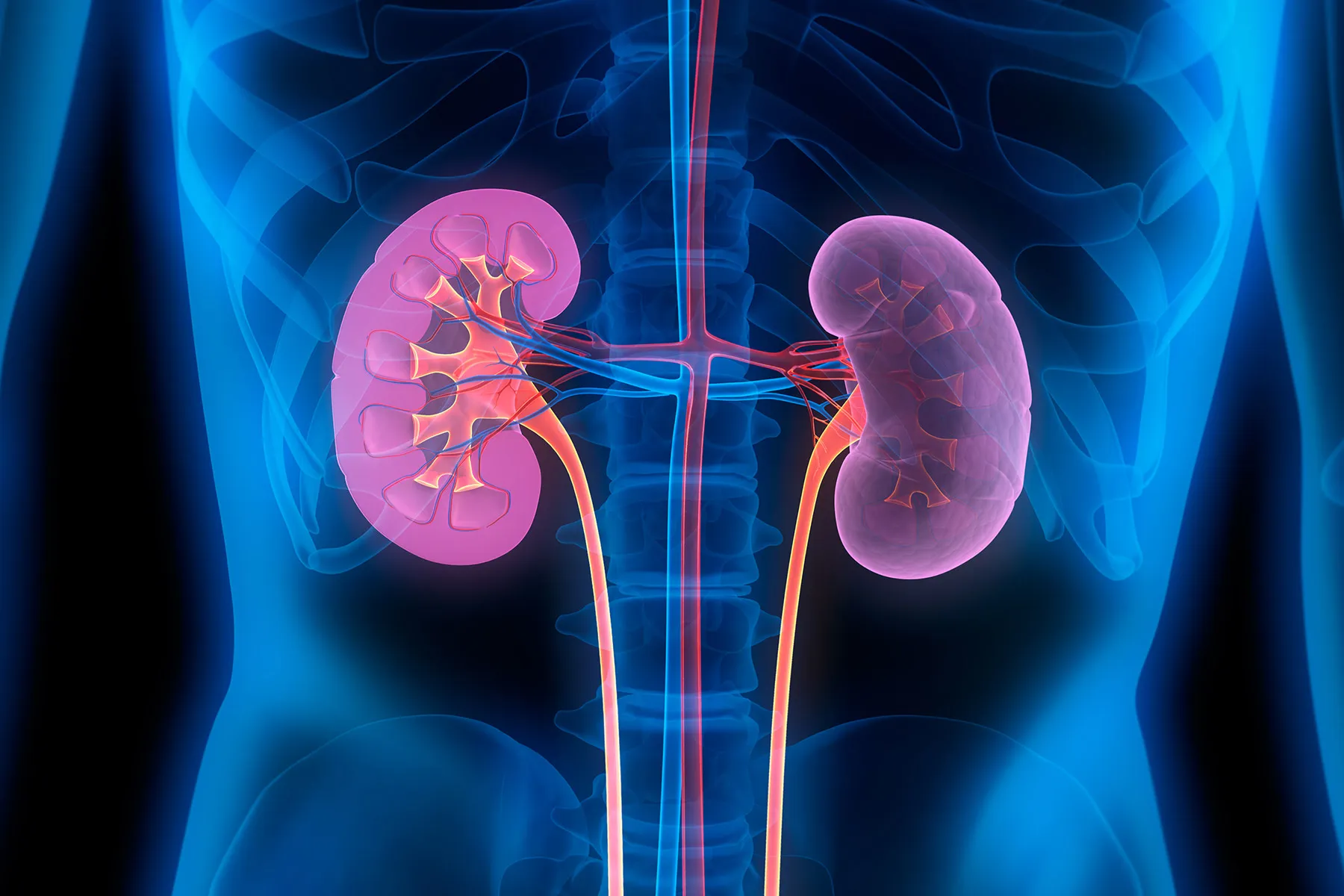
Kidney disease is one of those health topics that sounds distantuntil your doctor casually mentions “protein in the urine” or “your eGFR is lower than expected,” and suddenly your kidneys become the main characters of the day. These two bean-shaped organs may not get the celebrity treatment like the heart or brain, but they work around the clock like a highly efficient cleaning crew, filtering waste, balancing fluids, supporting blood pressure, helping make red blood cells, and keeping minerals in check.
When kidney disease develops, the kidneys become damaged and slowly lose their ability to filter blood properly. Waste, extra fluid, and certain minerals can build up in the body. The tricky part? Early kidney disease often has no obvious symptoms. That means a person can feel perfectly normal while their kidneys are quietly waving a tiny white flag in the background.
This guide explains the major causes, warning signs, testing options, treatments, and prevention strategies for kidney disease in plain American English. It is educational content, not personal medical advice, so always talk with a licensed health care professional about your own symptoms, test results, medications, and treatment plan.
What Is Kidney Disease?
Kidney disease refers to conditions that damage the kidneys and reduce their ability to do their job. The most common long-term form is chronic kidney disease, often shortened to CKD. Chronic kidney disease usually develops slowly over months or years. It is commonly staged from mild damage to kidney failure, depending on how well the kidneys filter blood and whether urine tests show signs of kidney injury.
There is also acute kidney injury, which happens suddenlysometimes within hours or daysbecause of severe dehydration, infection, certain medications, blocked urine flow, or major illness. Acute kidney injury may improve if the cause is treated quickly, while chronic kidney disease is usually managed over time to slow progression and protect overall health.
Why Kidneys Matter More Than Most People Realize
Your kidneys are not just “pee makers,” although yes, they do deserve credit for that glamorous assignment. They filter waste from the blood, remove extra fluid, help regulate blood pressure, balance electrolytes such as sodium and potassium, activate vitamin D for bone health, and support red blood cell production. When kidney function declines, the effects can ripple through the entire body.
Poor kidney function can contribute to high blood pressure, anemia, bone and mineral problems, swelling, heart disease, nerve symptoms, and serious fluid overload. That is why kidney disease is not only a kidney problem. It is a whole-body problem wearing a kidney-shaped hat.
Main Causes of Kidney Disease
1. Diabetes
Diabetes is one of the leading causes of chronic kidney disease. Over time, high blood sugar can damage the tiny blood vessels inside the kidneys. These filtering units, called nephrons, are delicate. When they are repeatedly exposed to high glucose levels, they can become scarred and leaky, allowing protein to appear in the urine.
Good diabetes management can make a major difference. Blood sugar control, blood pressure control, kidney function testing, urine albumin testing, healthy eating, physical activity, and prescribed medications can help reduce the risk of kidney damage or slow its progression.
2. High Blood Pressure
High blood pressure is another major cause of kidney disease. The kidneys are packed with blood vessels, and uncontrolled pressure can damage them over time. Unfortunately, kidney disease can also raise blood pressure, creating a frustrating loop: high blood pressure hurts the kidneys, and damaged kidneys make blood pressure harder to control. Not exactly a dream team.
Managing blood pressure is one of the most powerful ways to protect kidney function. This may include home blood pressure monitoring, reduced sodium intake, regular exercise, weight management, stress reduction, prescribed medications, and routine follow-up care.
3. Glomerulonephritis
Glomerulonephritis is inflammation of the kidney’s filtering units. It can happen after infections, because of autoimmune disease, or for reasons that are not always clear. Signs may include blood in the urine, protein in the urine, swelling, high blood pressure, or declining kidney function.
4. Polycystic Kidney Disease
Polycystic kidney disease is an inherited condition that causes fluid-filled cysts to grow in the kidneys. These cysts can enlarge the kidneys and reduce healthy kidney tissue over time. People with a family history of kidney disease should tell their doctor, because family history can change screening and monitoring plans.
5. Urinary Tract Problems and Blockages
Kidney stones, enlarged prostate, tumors, birth defects, or repeated urinary tract infections can interfere with normal urine flow. If urine cannot drain properly, pressure and infection can damage the kidneys. Pain, fever, blood in the urine, burning with urination, or trouble urinating should never be ignored.
6. Medication and Toxin-Related Kidney Injury
Some medicines can affect the kidneys, especially when taken frequently, at high doses, or by people who already have kidney disease. Nonsteroidal anti-inflammatory drugs, commonly known as NSAIDs, include ibuprofen and naproxen. These can be useful for pain, but they are not harmless little candy tablets in a medicine bottle. In higher-risk people, NSAIDs may reduce blood flow to the kidneys and contribute to kidney injury.
Certain antibiotics, contrast dyes, supplements, herbal products, and recreational drugs can also affect kidney function. Always tell your health care provider about everything you take, including over-the-counter medications and “natural” products. Natural does not automatically mean kidney-friendly; poison ivy is also natural, and nobody invites it to brunch.
Risk Factors for Kidney Disease
Some people have a higher risk of kidney disease than others. Major risk factors include diabetes, high blood pressure, heart disease, obesity, older age, smoking, a family history of kidney failure, repeated kidney infections, autoimmune diseases, and long-term use of certain medications. People from some racial and ethnic groups in the United States also experience higher rates of kidney disease, often due to a mix of genetics, access to care, social conditions, and higher rates of diabetes and hypertension.
Having a risk factor does not mean kidney disease is guaranteed. It does mean testing matters. Early detection can give you and your health care team time to act before major damage occurs.
Common Symptoms of Kidney Disease
Early kidney disease may cause no symptoms at all. That is why blood and urine tests are so important, especially for people with diabetes, high blood pressure, or a family history of kidney problems. When symptoms do appear, they may be subtle and easy to blame on stress, aging, poor sleep, or “I probably just need another coffee.”
Possible Warning Signs
- Fatigue, weakness, or low energy
- Swelling in the feet, ankles, hands, or around the eyes
- Foamy or bubbly urine, which may suggest protein in the urine
- Urinating more often, especially at night
- Urinating less than usual in advanced disease
- Blood in the urine
- High blood pressure or blood pressure that is hard to control
- Loss of appetite, nausea, or vomiting
- Dry, itchy skin
- Muscle cramps, especially at night
- Shortness of breath from fluid buildup or anemia
- Trouble concentrating or feeling mentally foggy
- Metallic taste in the mouth or bad breath
These symptoms can have many causes, so they do not automatically mean kidney disease. However, they do deserve medical attention, particularly if they are new, persistent, or combined with risk factors.
How Kidney Disease Is Diagnosed
Kidney disease is usually diagnosed through blood and urine tests. Two of the most important tests are eGFR and urine albumin. The estimated glomerular filtration rate, or eGFR, estimates how well the kidneys filter blood. A urine albumin-to-creatinine ratio checks whether albumin, a type of protein, is leaking into the urine. Protein in the urine can be an early sign of kidney damage.
Doctors may also order a basic metabolic panel, blood pressure checks, imaging tests such as ultrasound, or additional urine studies. In some cases, a kidney biopsy may be needed to identify the exact cause of kidney damage. The goal is not just to label the problem but to understand what is driving it and how to slow it down.
Treatment for Kidney Disease
Treatment depends on the cause, stage, symptoms, and overall health of the person. Many people with chronic kidney disease can live for years with stable kidney function when the condition is found early and managed carefully. The treatment plan usually focuses on slowing damage, reducing complications, and lowering the risk of heart disease.
Managing Blood Pressure
Blood pressure control is central to kidney protection. Health care providers may prescribe medicines such as ACE inhibitors or ARBs, especially when protein is present in the urine. These medications are not right for everyone, but for many patients, they help protect both the kidneys and the heart.
Managing Diabetes
For people with diabetes, keeping blood sugar in a healthy range is essential. Treatment may include lifestyle changes, glucose monitoring, oral medications, injectable medications, and regular kidney testing. Some newer diabetes medications have shown kidney and heart benefits for certain patients, but medication choices should always be personalized.
Diet and Nutrition
Kidney-friendly eating is not one-size-fits-all. A person in early kidney disease may need a different plan than someone on dialysis. Common recommendations may include reducing sodium, limiting highly processed foods, balancing protein intake, controlling added sugars, choosing heart-healthy fats, and adjusting potassium or phosphorus only when needed.
A registered dietitian who specializes in kidney disease can be incredibly helpful. They can turn vague advice like “eat healthier” into a realistic grocery list that does not make dinner taste like cardboard wearing a sad hat.
Treating Complications
Kidney disease can cause anemia, high potassium, acidosis, bone and mineral problems, fluid retention, and high cholesterol. Treatment may include iron, medications to support red blood cell production, diuretics, phosphate binders, vitamin D-related therapy, cholesterol medicine, or changes in diet and fluid intake.
Dialysis
If the kidneys fail, dialysis may be needed to remove waste and extra fluid from the blood. Hemodialysis uses a machine and filter to clean the blood, often at a dialysis center or sometimes at home. Peritoneal dialysis uses the lining of the abdomen as a natural filter and is usually done at home. Dialysis is life-sustaining, but it also requires planning, education, and support.
Kidney Transplant
A kidney transplant places a healthy kidney from a living or deceased donor into the body. For many people with kidney failure, transplant offers the best long-term quality of life, although it requires evaluation, surgery, lifelong anti-rejection medication, and regular monitoring.
How to Prevent Kidney Disease
Not all kidney disease can be prevented, especially inherited conditions. But many cases can be delayed, reduced, or managed earlier through consistent habits and regular medical care.
Keep Blood Pressure in a Healthy Range
Know your numbers. Blood pressure is not something to guess based on vibes. Home monitoring, regular checkups, lower sodium intake, exercise, stress management, sleep, and medication when prescribed can all help protect the kidneys.
Manage Blood Sugar
If you have diabetes or prediabetes, work with your health care team on a realistic plan. Food choices, physical activity, medication, weight management, and regular A1C testing can lower the risk of diabetic kidney disease.
Be Careful With Pain Relievers
Do not overuse NSAIDs such as ibuprofen or naproxen, especially if you have kidney disease, high blood pressure, heart disease, liver disease, dehydration, or take certain medications. Ask a clinician what pain relief options are safest for you.
Eat More Whole Foods and Less Sodium
Processed meats, canned soups, salty snacks, fast food, and frozen meals can be sodium traps. Choose more vegetables, fruits, whole grains, lean proteins, beans, nuts, and home-cooked meals when appropriate for your kidney stage. For people with advanced kidney disease, potassium and phosphorus may need individual guidance.
Stay Active
Regular physical activity supports blood pressure, blood sugar, weight, mood, and heart health. Walking is underrated. It is free, requires no dramatic gym entrance, and your kidneys do not care whether your sneakers match your outfit.
Quit Smoking
Smoking damages blood vessels and increases the risk of heart and kidney problems. Quitting is difficult, but support, counseling, nicotine replacement, and medications can improve the odds.
Get Tested If You Are at Risk
If you have diabetes, high blood pressure, heart disease, obesity, a family history of kidney failure, or other risk factors, ask about kidney testing. Early kidney disease can be silent, and testing is often the only way to catch it before symptoms appear.
When to Call a Doctor
Seek medical care if you notice swelling, blood in the urine, foamy urine, major changes in urination, persistent nausea, unexplained fatigue, shortness of breath, severe back or side pain, fever with urinary symptoms, or blood pressure that remains high. Get urgent care for confusion, chest pain, severe shortness of breath, inability to urinate, or sudden severe swelling.
Living With Kidney Disease: Practical Experience and Real-Life Lessons
Living with kidney disease is not just about lab numbers. It is about the daily experience of making choices when life keeps offering pizza, stress, busy schedules, family obligations, and that one relative who believes every problem can be solved with a mysterious herbal tea. For many people, the first emotional hurdle is accepting that kidney disease may be quiet but still serious. Because early CKD often does not hurt, it can feel unreal. A person may think, “How can something be wrong if I feel fine?” That is exactly why tracking eGFR, urine albumin, blood pressure, and blood sugar matters.
One common experience is learning to read food labels. At first, sodium numbers look like tiny math homework printed on a soup can. But after a few weeks, patterns become obvious. Restaurant meals, deli meats, instant noodles, frozen dinners, and packaged sauces can contain far more sodium than expected. People often discover that “healthy-looking” foods are not always kidney-friendly. A turkey sandwich can be reasonable, or it can become a sodium parade with processed meat, cheese, pickles, chips, and bottled dressing marching proudly across the plate.
Another practical lesson is that hydration should be personalized. Some people think kidney health means drinking as much water as humanly possible. Not quite. Many people benefit from staying well hydrated, but those with advanced kidney disease, heart failure, or dialysis needs may have fluid limits. The better goal is not “drink gallons because the internet said so,” but “ask your care team what is right for your body.”
Medication habits also become important. People with kidney disease often learn to check before taking over-the-counter pain relievers, cold medicines, supplements, or contrast imaging tests. Keeping an updated medication list on a phone can prevent confusion at doctor visits. It also helps to use one pharmacy when possible, because pharmacists can spot potential medication problems.
Many patients say the hardest part is consistency. Kidney protection is rarely dramatic. It is not one heroic weekend of kale and treadmill glory. It is the less glamorous routine: taking blood pressure medicine, showing up for labs, choosing lower-sodium meals, walking after dinner, managing diabetes, sleeping enough, and asking questions when something feels off. The wins may be quiet, too: stable kidney function, lower urine protein, better blood pressure, fewer symptoms, or delaying dialysis for years.
Support makes a real difference. A family member can help by learning the basics instead of acting like the food police. Friends can choose restaurants with flexible options. Patients can bring a notebook to appointments and write down questions such as: What stage is my kidney disease? What is my eGFR? Do I have protein in my urine? What should my blood pressure goal be? Do I need to change any medicines? Should I see a kidney dietitian or nephrologist?
The biggest experience-based takeaway is this: kidney disease management is a partnership. The patient brings daily habits, honesty, and questions. The medical team brings testing, diagnosis, treatment options, and monitoring. When both sides communicate clearly, kidney disease becomes less mysterious and more manageable. It may still be serious, but it does not have to be faced blindly.
Conclusion
Kidney disease can be silent, serious, and life-changing, but it is not hopeless. The most common causes, including diabetes and high blood pressure, can often be managed with early testing, smart treatment, and steady lifestyle habits. Symptoms such as swelling, foamy urine, fatigue, appetite changes, itchy skin, and changes in urination should be taken seriously, especially in people with known risk factors.
The best kidney strategy is not a dramatic detox, a miracle supplement, or a suspiciously expensive juice cleanse. It is regular testing, blood pressure control, blood sugar management, kidney-safe medication use, balanced nutrition, physical activity, and a good relationship with your health care team. In other words: protect the filters before the filters file a formal complaint.