

When most people hear “cannabis,” they picture dispensaries, gummies, and that one cousin who
“just really likes live music.” In a neurologist’s office, though, the word takes on a very
different meaningespecially when we’re talking about Epidiolex, the first and
only FDA-approved prescription medication in the United States that’s derived
from cannabis and specifically designed to treat certain types of seizures.
If you or someone you love lives with hard-to-control epilepsy, the phrase “FDA-approved
cannabis-derived drug for seizures” isn’t a headlineit’s hope. In this guide, we’ll break down
what Epidiolex is, how it works, who it’s for, what to expect in real life, and how it differs
from the CBD products lining store shelves. We’ll keep the tone human and occasionally
light-hearted, but the information serious, evidence-based, and medically grounded.
What Is Epidiolex, Exactly?
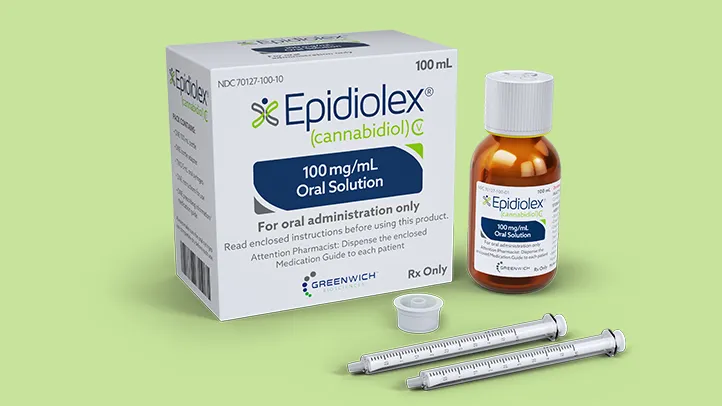
Epidiolex (generic name cannabidiol) is a prescription
oral solution made from highly purified CBD. Unlike many CBD oils and
tinctures sold over the counter, Epidiolex is:
- Standardized in strength and quality
- Rigourously tested in large clinical trials
- Manufactured to pharmaceutical-grade standards
- Approved by the U.S. Food and Drug Administration (FDA)
The FDA has approved Epidiolex for the treatment of seizures associated with three specific
conditions in patients 1 year of age and older:
- Lennox–Gastaut syndrome (LGS)
- Dravet syndrome (DS)
- Tuberous sclerosis complex (TSC)
All three are rare, often severe forms of epilepsy that usually begin in childhood and can be
highly resistant to standard seizure medications. Epidiolex is typically used
in addition to other anti-seizure medications, not as a standalone cure-all.
information only and cannot replace medical advice from your neurologist or other health care
professional.
How Epidiolex Works in the Brain
Here’s the fun twist: even though Epidiolex is meticulously studied, its
exact mechanism of actionhow it reduces seizuresis still not fully
understood. Scientists do know that cannabidiol interacts with many different receptors and
signaling systems in the brain and nervous system, including:
- Certain ion channels involved in neuron excitability
- Serotonin receptors, which can influence mood and seizure threshold
- TRPV1 (vanilloid) receptors, linked to pain and neuronal activity
One thing Epidiolex does not seem to do is directly activate the classic cannabinoid
receptors (CB1 and CB2) in the same way THC does. In plain English: it does not make
you high. That’s a key reason it could be used medically in children and adults while
still meeting safety and regulatory standards.
Instead of creating a euphoric effect, Epidiolex appears to gently nudge overactive brain
circuits toward a calmer, more stable rhythmreducing the frequency and severity of certain
seizures in many patients.
Who Might Be a Candidate for Epidiolex?
Epidiolex is not a general “CBD for everyone” solution. It’s approved for people
1 year of age and older with:
Lennox–Gastaut Syndrome (LGS)
LGS is a severe epilepsy syndrome that typically starts in early childhood. People with LGS can
have multiple seizure types (drop attacks, tonic seizures, atypical absence seizures, and
more), along with developmental delays or cognitive impairment. Seizures are often frequent and
hard to control with standard medications.
Dravet Syndrome
Dravet syndrome usually appears in the first year of life with prolonged fevers and seizures.
Over time, children often develop treatment-resistant seizures, balance issues, and
developmental challenges. Families may try multiple anti-seizure medications, ketogenic diets,
and devices before adding Epidiolex to the mix.
Tuberous Sclerosis Complex (TSC)
TSC is a genetic condition that causes benign tumors to form in many organs, including the
brain. These brain lesions can trigger difficult-to-control seizures. Epidiolex is approved
to treat seizures associated with TSC, again for patients 1 and older.
In practice, neurologists may also consider Epidiolex for some patients whose epilepsy doesn’t
exactly fit these “textbook” syndromes, although that would be considered
off-label use. Any such decision should be made cautiously, based on
specialist guidance and a careful risk–benefit discussion.
What Do the Studies Say? The Evidence Behind Epidiolex
Before FDA approval, Epidiolex went through multiple
randomized, double-blind, placebo-controlled clinical trialsthe gold
standard for testing whether a drug works.
-
In patients with Dravet syndrome, many experienced a significant reduction
in convulsive seizures when Epidiolex was added to their existing medications compared to
placebo. -
In Lennox–Gastaut syndrome, Epidiolex reduced the frequency of
“drop seizures” (sudden loss of muscle tone that can lead to falls and injuries). -
In TSC-associated seizures, clinical trials showed that cannabidiol cut
seizure frequency nearly in half on average for many participants, compared with smaller
reductions in the placebo group.
Not everyone responds, and very few people become completely seizure-free, but for families
living with dozensor hundredsof seizures per month, even a 30–50% reduction can dramatically
improve safety, learning, and quality of life.
How Epidiolex Is Taken: Dosing and Monitoring
Epidiolex is supplied as a strawberry-flavored oral solution
(100 mg/mL of cannabidiol). It’s usually taken twice a day, measured with a
special oral syringe provided with the prescription.
Typical Dosing Approach
Doctors usually start with a low dose based on body weight (mg per kg per day) and then slowly
increase it over several weeks. This “start low and go slow” approach helps:
- Reduce the risk of side effects
- Find the lowest effective dose
- Allow time to watch for drug interactions
For many patients, the maintenance dose falls in the range recommended on the official
prescribing information, but the exact number is personalized. If side effects become a
problem, your neurologist may adjust the dose up or down or change other medications.
Why Liver Tests Matter
Cannabidiol can affect the liver, especially when used with certain other drugs like
valproate. That’s why doctors typically order blood tests before starting
Epidiolex and repeat them at regular intervals, particularly in the first few months and
whenever the dose changes.
If liver enzymes rise significantly, your provider may adjust the Epidiolex dose, change other
medications, or in some cases stop the drug altogether.
Common Side Effects of Epidiolex
No medication is side-effect free, and Epidiolex is no exception. The most frequently reported
side effects in clinical trials included:
- Sleepiness or fatigue
- Decreased appetite and weight loss
- Diarrhea or digestive upset
- Increased liver enzymes on blood tests
- Fever or infections
These side effects are not guaranteed to happen, and for many patients they are mild or
manageable. However, caregivers quickly become experts at tracking behavior, appetite, and
sleep, and reporting changes to the medical team.
Mood and Mental Health Warnings
Like many anti-seizure medications, Epidiolex carries a warning about
suicidal thoughts or behavior and changes in mood. Anyone starting
Epidiolexespecially adolescents and young adultsshould be monitored for new or worsening:
- Depression or anxiety
- Agitation, irritability, or restlessness
- Unusual changes in behavior or personality
- Thoughts about self-harm
If these symptoms appear, contact the prescribing physician right away. Do not stop
Epidiolex suddenly without medical guidance, as abrupt changes in seizure medications can
trigger more seizures.
Drug Interactions: Why Your Medication List Matters
Epidiolex is processed by liver enzymes, and it can interact with a variety of other
medications. Some key interactions include:
-
Valproate: Combined use can significantly increase the risk of elevated
liver enzymes. Extra monitoring is usually required. -
Clobazam and other benzodiazepines: Cannabidiol can raise the active levels
of these drugs, increasing sleepiness or other side effects. -
Other central nervous system depressants: Opioids, sleep medications, and
certain muscle relaxants can add to drowsiness. -
Certain cholesterol drugs and other liver-metabolized medications: Levels
can increase when taken with Epidiolex, requiring dose adjustments.
Before starting Epidiolex, your health care provider should review all of your
medications and supplements, including over-the-counter CBD, herbal products, and “natural”
remedies. Bring your full listor a photo of every bottle in the cabinetto your visit.
Epidiolex vs. Store-Bought CBD: What’s the Difference?
If you’ve ever stood in front of a wall of CBD oils, gummies, and capsules at a store and
thought, “Isn’t this the same thing as Epidiolex?” the short answer is:
not really.
Key Differences
-
Quality control: Epidiolex is manufactured to strict pharmaceutical
standards with consistent dosing. Over-the-counter CBD products can vary widely in strength,
purity, and contamination. -
Evidence: Epidiolex has been tested in large, controlled clinical trials for
specific seizure disorders. Most retail CBD products have not undergone rigorous testing. -
Regulation: Epidiolex is an FDA-approved drug with detailed prescribing
information, warnings, and monitoring guidelines. Store-bought CBD is regulated more like a
supplement, with far fewer requirements. -
Medical supervision: Epidiolex is prescribed, monitored, and adjusted by a
health care professional. Many people take retail CBD on their own, which can be risky when
combined with other medications.
For serious seizure disorders, relying on unregulated CBD products instead of
evidence-based treatments can be dangerous. Epidiolex is not “just a fancy CBD oil”it’s a
carefully studied anti-seizure medication that happens to come from the cannabis plant.
Practical Tips for Patients and Caregivers
Living with epilepsy often means becoming part pharmacist, part data analyst, and part crisis
manager. Adding a new medication like Epidiolex can feel overwhelming, but a few practical
steps can make the process smoother.
1. Build a Routine
Take Epidiolex at the same times every dayusually morning and evening. Set phone alarms, use a
pillbox, or put a chart on the fridge. Consistency helps maintain steady drug levels and makes
it easier to notice what’s working.
2. Measure Carefully
Always use the oral syringe that comes with the medication. Kitchen spoons are
charming but wildly inaccurate. Double-check the markings when drawing up the liquid,
especially for small children.
3. Keep a Seizure and Side Effect Diary
Track:
- Number and type of seizures
- Triggers (fever, missed doses, lack of sleep)
- Side effects (sleepiness, stomach issues, mood changes)
- Any dose changes or new medications
This log becomes invaluable during clinic visits. It helps your neurologist fine-tune the
treatment plan instead of guessing based on fuzzy memory.
4. Ask About Cost and Insurance Support
Epidiolex is a specialty medication and can be expensive. Many families work with patient
assistance programs, copay support, or insurance case managers to reduce out-of-pocket costs.
Your health care team or pharmacist can help you explore available resources.
Real-World Experiences with Epidiolex (Extended Discussion)
While clinical trials give us the big-picture numbers, day-to-day life is painted in much finer
detail. Real-world experiences offer a more human view of what Epidiolex can mean for families
navigating complex seizure disorders.
Seeing the First Signs of Change
Many caregivers describe a period of cautious optimism after starting Epidiolex. The first
couple of weeks may feel uneventful, especially when doses are still low. Over time, though,
some families report:
-
Fewer “big” seizures: Convulsive or drop seizures may become less frequent,
shorter, or less intense. -
Better recovery after events: Even when seizures still happen, the child
might bounce back faster or seem less wiped out. -
Subtle gains in alertness or engagement: As the overall seizure burden
dropsor as other sedating drugs can be reducedsome children are more interactive, vocal, or
focused.
These improvements don’t always appear overnight, and they’re not universal, but when they do
happen, they can feel life-changing. Parents sometimes talk about seeing “more of their child”
again as the fog of constant seizures and heavy medication slowly lifts.
Balancing Benefits and Side Effects
Of course, the story isn’t always straightforward. Some families find that while seizures
decrease, side effects step into the spotlight. Common themes include:
-
Sleepiness: A child who once bounced off the walls might now nap more or
seem sluggish, especially as doses increase or when Epidiolex is combined with other
sedating medications. -
Appetite and weight changes: Caregivers sometimes notice picky eating,
reduced appetite, or weight loss. Cue creative meal planning, calorie-dense snacks, and
frequent “please just take three more bites” negotiations. -
Digestive issues: Diarrhea or stomach upset can be frustrating in the short
term, but often improve with dose adjustments, timing changes, or supportive care directed by
the medical team.
Neurologists often fine-tune the regimen: lowering the Epidiolex dose slightly, adjusting other
seizure medications, or changing how doses are spaced out. Real-world management is rarely a
one-and-done decision; it’s an ongoing conversation between families and clinicians.
Emotional Impact on Families
For many caregivers, Epidiolex represents something bigger than “just another medication.” It
symbolizes:
-
Validation: The idea that a plant many people dismissed as recreational or
taboo could yield a legitimate, FDA-approved therapy feels like a victory for science and
patient advocacy. -
Relief: When seizure counts finally begin to drop, families may experience a
huge emotional release. The constant fear of the next seizure doesn’t disappear, but it may
loosen its grip. -
New worries: At the same time, families take on new responsibilities:
monitoring liver tests, watching for interactions, budgeting for a high-cost medication, and
staying on top of refills.
Support groupsboth in-person and onlinecan become lifelines. Caregivers trade tips about
giving the medication to picky kids, managing side effects, and navigating insurance. Knowing
that other families are making similar choices with Epidiolex can ease the sense of isolation.
Looking Ahead: Where Epidiolex Fits in the Treatment Landscape
In the broader world of epilepsy care, Epidiolex is one important tool among many:
anti-seizure drugs, dietary therapies (like the ketogenic or modified Atkins diet), nerve
stimulation devices, and even epilepsy surgery for selected patients.
For some, Epidiolex offers an incremental gaina modest reduction in seizures that still makes
daily life safer. For others, it becomes a cornerstone of their treatment plan. And in a small
but significant subset, the change can feel dramatic, fundamentally shifting the trajectory of
their condition.
The key takeaway is that Epidiolex is not a miracle cure, but it is a
scientifically validated, cannabis-derived option that can meaningfully reduce seizure burden
for many patients with LGS, Dravet syndrome, or TSC. Used thoughtfully under medical
supervision, it reflects the best of both worlds: modern pharmaceutical rigor and the long
history of plant-based medicine.
Final Thoughts
Epidiolex sits at the intersection of science, policy, and human experience. It’s a cannabis
product that doesn’t aim to alter consciousnessit aims to stabilize it. For families living
with devastating seizure disorders, that distinction matters more than any debate about
recreational vs. medical use.
If you’re considering Epidiolex for yourself or a loved one, the best next step is a detailed
conversation with a neurologist who specializes in epilepsy. Bring your questions, your
concerns, your full medication list, and maybe a notebook. With the right guidance, Epidiolex
can be more than just a headlineit can be a meaningful part of a comprehensive seizure
treatment plan.