

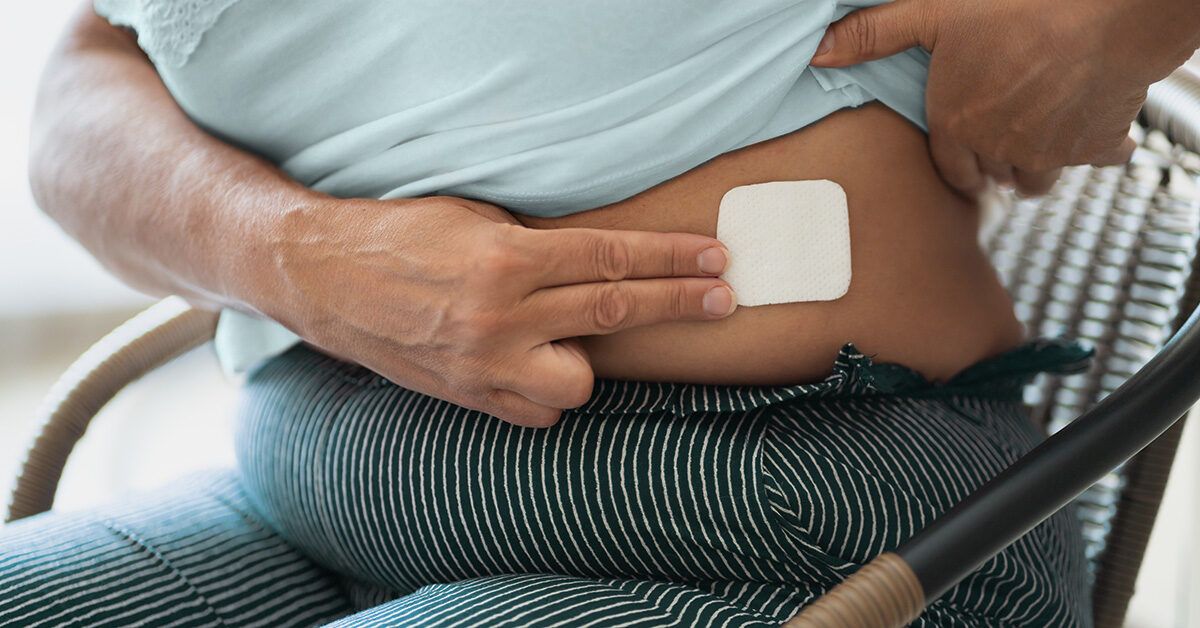
There is something undeniably appealing about a weight loss patch. You peel, stick, and then supposedly let modern wellness wizardry do the rest. No mixing powders, no swallowing giant capsules, no staring at a treadmill like it just insulted your family. It sounds wonderfully convenient, which is exactly why so many people search for answers to the question: Do weight loss patches work?
The honest answer is not nearly as glamorous as the marketing. Most weight loss patches are sold with bold claims, sleek packaging, and a “this one weird trick” energy that should probably come with dramatic music. But when you compare those promises with actual evidence, the hype starts wobbling like a folding table at a buffet. In general, there is very little strong proof that weight loss patches lead to meaningful, lasting fat loss.
That does not mean every patch is automatically dangerous or that every person who tries one is doomed to waste their money. It does mean you should approach these products with healthy skepticism, a functioning BS detector, and the understanding that sustainable weight loss still comes back to the basics: calorie balance, eating patterns you can maintain, physical activity, sleep, stress management, and, in some cases, evidence-based medical treatment.
This article breaks down how weight loss patches are supposed to work, why they are so popular, what the science actually says, and what real-world users often experience. If you are hoping for a magic sticker that melts body fat while you scroll on your phone, I regret to inform you that science remains frustratingly committed to reality.
What Are Weight Loss Patches Supposed to Do?
Weight loss patches are adhesive products that stick to the skin and are marketed as a way to deliver active ingredients into the body over time. Sellers often claim these patches can boost metabolism, curb appetite, increase energy, reduce cravings, or “support fat burning.” In theory, the appeal is obvious: steady delivery, no pills, and a wellness routine that takes five seconds.
Many of these patches are promoted with ingredients already familiar from the supplement world, such as plant extracts, stimulants, vitamins, or herbal blends. The marketing language often sounds suspiciously polished: “detox support,” “metabolic enhancement,” “targeted wellness,” or “all-natural appetite control.” Those phrases may sound sophisticated, but they do not automatically translate into effective weight loss.
The central problem is simple. A product can sound scientific without being clinically proven. And with many weight loss patches, that is exactly the issue.
How Weight Loss Patches Would Need to Work to Be Effective
To understand whether weight loss patches work, it helps to look at how transdermal delivery actually works. Your skin is not a welcome mat. It is a barrier. Its job is to keep things out, which is great news for germs and random mystery sludge, but less convenient for companies trying to push active ingredients through it.
For a patch to be effective, an ingredient usually needs the right molecular properties, the right dose, and a delivery system that can move enough of that substance through the skin and into the bloodstream. That is why legitimate transdermal medications are carefully engineered and studied. You do not just stick powdered optimism onto an adhesive square and hope biology gets collaborative.
When a weight loss patch contains ingredients that have only limited evidence even when swallowed, the case gets even weaker. If an herb or vitamin is not strongly proven to help with fat loss by mouth, there is even less reason to assume it will suddenly become impressive when worn on your shoulder blade.
So, Do Weight Loss Patches Work?
For most people, weight loss patches do not have strong evidence showing that they produce meaningful or lasting weight loss. That is the short version. The longer version is that the market moves much faster than the research, and the research has not kept up with the promises.
Some companies rely heavily on testimonials, before-and-after photos, or vague claims about “supporting metabolism.” Others borrow credibility from ingredients that are already familiar in weight-loss supplements. But testimonials are not the same as well-designed human trials. A person may lose weight while using a patch, but that does not prove the patch caused the result. They may also be eating less, exercising more, drinking more water, or simply paying more attention to their habits because they are trying to lose weight in the first place.
That is one reason these products can look more effective than they really are. Behavior changes often tag along with the patch, then the patch takes all the credit like a coworker who sends one email and calls it leadership.
Why the Marketing Feels So Convincing
1. Convenience is powerful
People like easy routines. A patch feels simpler than meal planning, strength training, or learning why your late-night snack somehow turns into a full second dinner.
2. “Natural” sounds safe
Words like “herbal,” “plant-based,” and “clean” can make a product sound gentler than it really is. But natural does not automatically mean safe, effective, or appropriate for everyone.
3. The placebo effect is real
Starting a new product can make people feel focused, hopeful, and more disciplined. Sometimes that mindset change leads to better food choices or fewer impulsive snacks. That does not mean the patch itself is doing the heavy lifting.
4. Weight loss stories spread fast
Successful testimonials travel far online. Quiet failures do not. Nobody rushes to post, “Day 28: my expensive sticker and I are no longer speaking.”
What the Biggest Red Flags Look Like
If you are shopping for a patch and the product page reads like it was written by a motivational speaker trapped in a marketing funnel, pause. Here are some warning signs:
- Claims that you can lose weight without changing diet or activity
- Promises of rapid or dramatic fat loss
- Vague phrases like “melts fat,” “targets stubborn belly fat,” or “flushes toxins”
- Heavy reliance on testimonials instead of clinical research
- “FDA approved” language used in a fuzzy or misleading way
- Ingredient lists that are incomplete, proprietary, or hard to verify
Those are not tiny issues. They are giant neon signs blinking, “Proceed with caution.”
Are Weight Loss Patches Safe?
Safe is not a one-size-fits-all word. Some people may wear a patch and notice nothing except a lighter wallet. Others may develop skin irritation, headaches, jitteriness, nausea, or unexpected reactions, especially if the patch contains stimulant-like ingredients or interacts with medications.
Another concern is product quality. The supplement marketplace can be messy. Labels may not always tell the full story, and some products marketed for weight loss have raised concerns over hidden ingredients or misleading claims. That matters because a patch is still a product you are putting on or through your body, not a decorative sticker with a wellness side hustle.
If you have high blood pressure, heart problems, anxiety, thyroid disease, diabetes, are pregnant, or take prescription medications, using weight-loss products without professional guidance is especially risky. “But it was trending online” is not a recognized medical safety standard.
Why Evidence-Based Weight Loss Looks Less Sexy but Works Better
The frustrating truth about sustainable fat loss is that it is usually not dramatic. It is built on repeatable habits, not gimmicks. The methods with the strongest support are not always flashy, but they are far more reliable than sticker-based wishful thinking.
Nutrition changes that are actually sustainable
A realistic eating plan matters more than a trendy product. That may mean portion awareness, higher protein meals, more fiber, fewer ultra-processed foods, or a calorie deficit that does not make you miserable by Wednesday afternoon.
Physical activity that you can keep doing
Exercise helps with energy balance, cardiovascular health, mood, and weight maintenance. It does not have to mean becoming a gym goblin. Walking, resistance training, cycling, swimming, and consistent movement all count.
Behavior change and structure
Sleep, stress, meal timing, food environment, and social support all influence body weight. The most effective plans usually address your life, not just your pantry.
Medical care when appropriate
For some people, obesity treatment may include prescription medications or, in certain cases, bariatric procedures. These options are not cosmetic shortcuts. They are evidence-based tools used in the right clinical context, often alongside nutrition and activity changes.
Weight Loss Patches vs. FDA-Approved Weight Loss Treatments
This comparison matters. When legitimate weight-loss medications are approved, they go through extensive research and regulatory review. Their benefits, side effects, dosing, and intended patient populations are studied in detail. That is a very different world from vague online claims about patches that promise effortless slimming.
Evidence-based medical treatments also come with something patch ads tend to avoid: specificity. Real medicine tells you who it is for, what it can reasonably do, what the risks are, and what monitoring may be needed. Gimmicky patch marketing tends to float in the opposite direction, using broad promises and airy language while avoiding hard numbers.
So if your question is whether weight loss patches work as well as proven treatments, the answer is no. They are not in the same league, and in many cases they are not even playing the same sport.
Can a Weight Loss Patch Ever “Help” Indirectly?
Possibly, but not in the magical way the label suggests. Some people use a patch as a ritual cue. Putting it on each morning may remind them that they are trying to eat better, skip the third soda, or get out for a walk. In that sense, the patch becomes a behavior prompt rather than a biologically powerful fat-loss tool.
But let us be clear: if the patch helps only because it reminds you to keep promises to yourself, the real hero is your routine, not the adhesive square. The patch is basically a sticky accountability buddy.
Who Should Be Especially Careful?
- People with chronic medical conditions
- Anyone taking prescription medications
- Pregnant or breastfeeding women
- Teens and older adults using unverified supplements
- People with sensitive skin or allergy histories
- Anyone drawn to products promising fast results with no effort
If a product seems to promise all reward and no trade-offs, that is usually not innovation. That is advertising doing cartwheels.
How to Evaluate a Weight Loss Patch Before Buying
Check the claims
If the brand promises dramatic fat loss without changing habits, that is a major problem. Healthy weight loss does not work like overnight shipping.
Look for actual human research
Not ingredient folklore. Not influencer enthusiasm. Not a graph with no citation. Real human studies on the actual product or a clearly equivalent delivery method matter.
Read the ingredient list carefully
If you cannot tell what is in it, how much is in it, or why it is there, that is not transparency. That is product camouflage.
Talk to a healthcare professional
This is especially important if you have a medical condition, take medicines, or have struggled with repeated dieting. Sometimes the best next step is not a patch. It is getting a plan that fits your body and your life.
Final Verdict: Do Weight Loss Patches Work?
Most weight loss patches do not have strong scientific evidence showing that they lead to meaningful, lasting weight loss. Their marketing often outruns their proof. While some people may feel more motivated when using them, that does not mean the patch itself is responsible for changes on the scale.
If you are serious about losing weight, it makes more sense to invest in approaches backed by evidence: better nutrition, regular movement, sleep, stress management, structured support, and medical treatment when appropriate. Those options are less glamorous than a miracle sticker, but they are far more honest.
In other words, if a patch helps you remember your goals, fine. If you expect it to quietly outsmart biology while you do absolutely nothing else, that is probably not a wellness strategy. That is fan fiction.
Experiences Related to “Do Weight Loss Patches Work?”
The experience many people have with weight loss patches often starts the same way: curiosity mixed with hope. A person sees an ad that promises easy appetite control, better metabolism, fewer cravings, and a simpler path to fat loss. That message lands because weight loss is hard, and hard things naturally make easy promises look attractive. So they buy a patch, wear it faithfully, and wait for the magic to begin.
In the first few days, some users report feeling encouraged simply because they are “doing something.” That feeling can be powerful. They may drink more water, snack less, or become more aware of what they are eating. If the scale moves a little, the patch gets the applause. But often, the more likely explanation is that the user became more intentional overall. The patch may have served as a trigger for better habits, not as the biological engine of weight loss.
Another common experience is disappointment. A person uses the patch exactly as directed, keeps expecting appetite suppression or a burst of energy, and notices very little. No major drop in cravings. No dramatic change in body fat. No cinematic “new me” montage. Just a patch on the skin and a growing suspicion that the marketing team deserves an award for imagination.
Some people also talk about practical annoyances. The patch may peel off, irritate the skin, feel itchy, or leave adhesive residue behind. Others become frustrated because they cannot tell whether the product is doing anything at all. Unlike a structured nutrition plan or a medically supervised program, there is often no clear framework, no measurable progression, and no real accountability beyond remembering to stick on another square tomorrow.
There are also users who say the patch “worked” because it helped them stay focused. That experience should not be dismissed. Routines matter. Symbols matter. If wearing a patch reminded someone to avoid mindless snacking and take a walk after dinner, that may have helped them make progress. But even in that scenario, the deeper lesson is that behavior change worked. The patch was just the mascot.
Perhaps the most useful experience-based takeaway is this: people tend to do best when they stop hunting for a shortcut and start building a system. The winning system might include meal prep, more protein, consistent walking, strength training, better sleep, a clinician’s guidance, or an evidence-based treatment plan. Those strategies are not flashy, but they are real. And real usually beats trendy in the long run.