

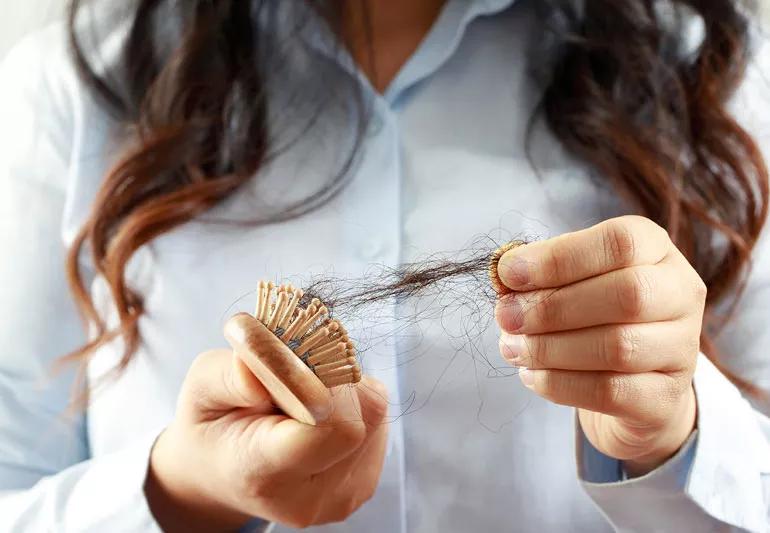
Hair loss has a special talent for turning an ordinary morning into a detective drama. One minute you are shampooing like a civilized human being, and the next you are staring at the shower drain as if it owes you an explanation. If you have been wondering, “Does iron deficiency cause hair loss?” the honest answer is: yes, it can contribute to hair shedding in some people, but it is rarely the only possible suspect.
Iron plays an important role in making hemoglobin, the protein in red blood cells that carries oxygen throughout the body. It also supports cellular function, muscle metabolism, and healthy tissue. Hair follicles are active little factories, and factories need supplies. When iron stores drop too low, the body may prioritize essential organs over hair growth. Your scalp, unfortunately, does not get a VIP pass when the body is in survival mode.
Still, low iron is not a magic explanation for every strand on your pillow. Hair loss can also come from genetics, stress, thyroid problems, pregnancy, medications, autoimmune conditions, scalp disorders, crash dieting, and normal aging. The key is not to panic-buy iron gummies at midnight. The key is to understand the signs, get the right tests, and treat the actual cause.
How Iron Deficiency May Lead to Hair Loss
Hair grows in cycles. The main stages are the growth phase, the transition phase, and the resting/shedding phase. When the body experiences stress from illness, nutrient deficiency, blood loss, or hormonal shifts, more hairs can shift into the shedding phase. This condition is often called telogen effluvium, a type of diffuse hair shedding that may show up as extra hair in the brush, shower, sink, or on your favorite black sweaterthe sweater always knows.
Iron deficiency may affect hair because iron is involved in oxygen transport and cellular energy. Hair follicles divide rapidly during active growth, so they need steady nutritional support. When iron stores are low, the follicle may not receive the same level of support it needs to maintain strong growth. This does not mean every person with low iron will lose hair, but it does mean iron deficiency is one of the issues worth checking when hair shedding is unexplained.
Iron Deficiency vs. Iron-Deficiency Anemia
These terms are related, but they are not identical. Iron deficiency means your iron stores are low. Iron-deficiency anemia means the deficiency has progressed enough to reduce healthy red blood cell production or hemoglobin. Some people may have low ferritin, a marker of stored iron, before they become anemic.
That distinction matters for hair loss. A person may feel tired, notice increased shedding, and still have a “normal” hemoglobin level. In that case, a ferritin blood test may reveal low iron stores. Ferritin is a protein that stores iron, and a ferritin test helps show how much iron the body has available in reserve.
What Does Hair Loss From Low Iron Look Like?
Hair loss related to iron deficiency often looks like increased shedding rather than a single bald patch. You may notice:
- More hair than usual in the shower drain
- Extra strands on your pillow, clothing, or hairbrush
- A thinner ponytail
- Wider-looking part lines
- General thinning across the scalp
- Hair that feels weaker, drier, or less full
This pattern is different from alopecia areata, which often causes round patches of hair loss, or classic male-pattern baldness, which commonly affects the hairline and crown. In women, female-pattern hair loss may show as widening at the part or thinning over the top of the scalp. Iron deficiency can overlap with these patterns, which is one reason a dermatologist can be so helpful. Hair loss likes to wear disguises.
Common Symptoms of Iron Deficiency
Hair loss may be one clue, but iron deficiency usually brings other hints. Symptoms can develop slowly, so many people explain them away as “busy life,” “bad sleep,” or “I am powered entirely by coffee and deadlines.” Common signs include:
- Fatigue or unusual weakness
- Shortness of breath during normal activities
- Dizziness or lightheadedness
- Headaches
- Pale skin
- Cold hands and feet
- Fast heartbeat or palpitations
- Brittle nails or spoon-shaped nails
- Sore or smooth tongue
- Restless legs
- Cravings for ice, dirt, paper, or other nonfood items, known as pica
- Difficulty concentrating or brain fog
If these symptoms appear along with hair shedding, it is reasonable to ask a health care provider about iron testing. Do not diagnose yourself from a hairbrush alone. The brush is dramatic, but it is not a laboratory.
Who Is Most at Risk for Iron Deficiency?
Iron deficiency can happen to anyone, but certain groups are more likely to develop low iron stores. These include people with heavy menstrual bleeding, pregnant people, teens during rapid growth, endurance athletes, people who follow vegetarian or vegan diets without careful planning, and anyone with blood loss from the digestive tract.
People who have had gastric bypass surgery may absorb less iron. Conditions such as celiac disease or inflammatory bowel disease can also interfere with absorption. Kidney disease, frequent blood donation, and certain medications may raise risk as well. If you are losing blood, not absorbing iron well, or not getting enough iron from food, your body’s iron savings account can run low.
How Doctors Check for Iron Deficiency and Hair Loss
If you are dealing with persistent shedding, a clinician may start with a medical history, scalp exam, and blood work. Useful tests may include:
- Complete blood count: Checks red blood cells, hemoglobin, and hematocrit.
- Ferritin: Measures stored iron and may detect low iron reserves.
- Serum iron and transferrin saturation: Help evaluate iron circulating in the blood.
- Total iron-binding capacity: Helps show how well the blood can transport iron.
- Thyroid tests: Thyroid problems can also cause hair loss and fatigue.
- Vitamin D, B12, zinc, or other tests: Sometimes ordered depending on symptoms and diet.
A dermatologist may also perform a hair pull test, examine the scalp under magnification, review medications, and ask about recent illness, childbirth, surgery, stress, weight loss, or restrictive dieting. In some cases, a scalp biopsy may be needed, but most people do not need that as a first step.
Can Hair Grow Back After Iron Deficiency?
In many cases, yes. Hair shedding related to iron deficiency can improve once the deficiency is corrected and the underlying reason is treated. However, hair growth is not instant. Hair follicles are not smartphones; you cannot reboot them and watch a full ponytail download by lunchtime.
Because hair grows in cycles, it may take several months to notice less shedding and even longer to see visible fullness return. Some people see improvement after three to six months, while others need more time. Recovery depends on how low iron stores were, how long the deficiency lasted, whether another hair-loss condition is present, and whether the cause of iron deficiency has been fixed.
Should You Take Iron Supplements for Hair Loss?
Only take iron supplements if testing shows you need them or your health care provider recommends them. This is important because too much iron can be harmful. Excess iron may cause digestive problems and, in serious cases, can damage organs. Iron supplements can also interact with some medications and may not be appropriate for everyone.
Common side effects of oral iron include constipation, nausea, stomach cramps, dark stools, and general digestive grumbling. Some people tolerate one form of iron better than another. Your clinician may recommend a specific dose, schedule, and follow-up testing. If iron deficiency is severe or oral iron is not absorbed well, iron infusions may be considered under medical supervision.
Why “Hair Growth” Supplements Can Be Tricky
Many hair supplements promise thicker, shinier, fairy-tale hair. Some contain iron, while others include biotin, vitamin A, selenium, zinc, collagen, herbs, or mystery blends with names that sound like spa menu items. The problem is that supplements are not regulated like prescription medications before they are sold. More is not always better, and too much of certain nutrients can actually contribute to hair loss.
That is why blood testing matters. If your iron is normal, taking extra iron is unlikely to solve your shedding and may create new problems. Treat the deficiency you have, not the deficiency an advertisement hopes you will imagine.
Best Iron-Rich Foods for Hair Health
Food is often the safest long-term foundation for healthy iron levels. Iron comes in two main forms: heme iron and non-heme iron. Heme iron, found in animal foods, is generally easier for the body to absorb. Non-heme iron, found in plant foods, is still valuable but may need a little help from vitamin C.
Heme Iron Sources
- Beef
- Lamb
- Turkey, especially dark meat
- Chicken
- Sardines
- Clams, mussels, and oysters
- Eggs, though they are not the highest source
Non-Heme Iron Sources
- Lentils
- Beans
- Chickpeas
- Tofu
- Spinach
- Kale and collard greens
- Pumpkin seeds
- Fortified cereals
- Quinoa
- Blackstrap molasses
To boost absorption from plant-based iron, pair these foods with vitamin C. Think lentil soup with tomatoes, spinach salad with strawberries, tofu stir-fry with bell peppers, or beans with a squeeze of lime. Your plate gets more colorful, and your iron gets a better chance at making it past the velvet rope.
What Can Block Iron Absorption?
Some foods and drinks can reduce non-heme iron absorption when consumed at the same time as iron-rich meals. Coffee and tea contain compounds that may interfere with absorption. Calcium supplements or large amounts of calcium-rich foods can also compete with iron. Phytates in some grains and legumes may reduce absorption, although soaking, sprouting, fermenting, and cooking can help.
This does not mean you must break up with coffee. Let us remain civilized. It may simply help to avoid drinking tea or coffee right with your highest-iron meal or iron supplement. If your doctor prescribes iron, ask how to time it around calcium, antacids, thyroid medication, or other prescriptions.
Other Reasons Your Hair May Be Falling Out
Iron deficiency is one possible cause of hair loss, but it is not the whole cast list. Other common causes include:
- Genetics: Male-pattern and female-pattern hair loss can run in families.
- Stress or illness: Fever, surgery, emotional stress, or major life events can trigger shedding months later.
- Pregnancy and postpartum changes: Hormonal shifts can cause temporary shedding.
- Thyroid disorders: Both overactive and underactive thyroid conditions can affect hair.
- Autoimmune disease: Alopecia areata can cause patchy hair loss.
- Medications: Some prescriptions may contribute to shedding.
- Scalp conditions: Psoriasis, seborrheic dermatitis, fungal infections, or inflammation may affect growth.
- Traction: Tight ponytails, braids, extensions, and buns can pull on follicles.
- Low protein or crash dieting: Hair is sensitive to major calorie or nutrient restriction.
If you have sudden, patchy, painful, scaly, or rapidly worsening hair loss, schedule a medical evaluation. The sooner the cause is identified, the better your odds of protecting existing hair and supporting regrowth.
Practical Steps If You Suspect Iron-Related Hair Loss
1. Track the Pattern
Notice when shedding started. Did it happen after an illness, heavy period, diet change, childbirth, surgery, stressful event, or new medication? Hair shedding often appears two to three months after a trigger, which makes the timeline sneaky.
2. Ask for Blood Work
Ask your health care provider whether a complete blood count, ferritin, iron studies, and thyroid testing make sense. Mention fatigue, heavy bleeding, dizziness, brittle nails, pica, or restless legs if you have them.
3. Do Not Start High-Dose Iron Without Guidance
Iron is not a casual beauty supplement. It is a mineral your body needs in the right amount. If you are deficient, treatment can help. If you are not deficient, extra iron is not a shortcut to thicker hair.
4. Build an Iron-Friendly Diet
Add iron-rich foods and pair plant sources with vitamin C. If you eat mostly plant-based meals, be extra intentional because non-heme iron is less efficiently absorbed.
5. Be Patient With Regrowth
Reduced shedding may come before visible thickness. Take photos under the same lighting once a month rather than inspecting your scalp every twelve minutes. Your mental health deserves better lighting and fewer panic zooms.
When to See a Doctor or Dermatologist
See a professional if your hair loss lasts more than a few months, appears suddenly, causes bald patches, includes scalp itching or pain, or comes with symptoms such as extreme fatigue, shortness of breath, chest pain, dizziness, heavy menstrual bleeding, or unexplained weight loss. These signs may point to iron deficiency, anemia, thyroid disease, autoimmune conditions, or another medical issue that needs attention.
You should also seek care if you are pregnant, recently gave birth, have very heavy periods, follow a restrictive diet, have digestive symptoms, donate blood often, or have a history of bariatric surgery. Hair loss can be cosmetic, emotional, and medical all at once. You do not have to “just live with it” while your vacuum cleaner becomes a hair collection museum.
Experiences Related to Iron Deficiency and Hair Loss
Many people first notice iron-related hair shedding in ordinary, almost boring moments. It is not always a dramatic clump in the hand. Sometimes it starts with a ponytail that feels thinner. Sometimes the shower drain needs cleaning twice a week instead of once. Sometimes a person sees more scalp in photos and wonders if the bathroom mirror has developed a personal vendetta.
One common experience is the “busy woman with heavy periods” story. She may feel tired for months, but she explains it away as work, parenting, school, stress, or poor sleep. Her hair begins shedding, and she buys a thickening shampoo. Then she buys a scalp serum. Then she considers bangs, which is how you know the situation has become serious. Eventually, blood work shows low ferritin or iron-deficiency anemia. With medical treatment, better iron intake, and follow-up testing, shedding may gradually slow. The lesson is not that shampoo is useless; the lesson is that shampoo cannot replace hemoglobin.
Another common experience happens after restrictive dieting. Someone cuts calories aggressively, skips protein, avoids red meat, and lives on salads that look healthy but do not provide enough energy or iron. A few months later, hair starts falling. This can happen because the body reads under-fueling as stress. When nutrition improves, hair may recover, but it needs time. Hair is often a delayed reporter. It files the story months after the event.
Plant-based eaters may have a different experience. A vegetarian or vegan diet can absolutely support healthy hair, but it requires planning. Lentils, beans, tofu, seeds, greens, and fortified foods can provide iron, especially when paired with vitamin C. However, if intake is low or absorption is poor, ferritin can drop. The fix may involve smarter meal pairing, medical testing, and sometimes supplementation if a clinician recommends it.
Postpartum shedding can also overlap with iron issues. Many new parents experience hair shedding after childbirth because of hormonal changes. If delivery involved significant blood loss or iron stores were already low during pregnancy, iron deficiency may add fuel to the shedding bonfire. In that situation, evaluation matters because “normal postpartum hair loss” and “iron deficiency that needs treatment” can occur together.
People recovering from illness or surgery may notice similar timing. A major physical stressor can trigger telogen effluvium, and if appetite was poor or blood loss occurred, low iron may make recovery harder. The person may feel weak, foggy, cold, and frustrated that their hair seems to be leaving the group chat. A clinician can help separate temporary shedding from nutritional deficiency or other causes.
The emotional side is real, too. Hair loss can affect confidence, identity, and daily routines. People may avoid bright lighting, change hairstyles, stop wearing their hair up, or feel anxious every time they brush. That stress is understandable. The helpful move is to replace guessing with information: document the shedding, get appropriate labs, review diet and menstrual history, and work with a doctor or dermatologist. When iron deficiency is part of the problem, correcting it can support healthier regrowth. When it is not the problem, testing still helps because it points the search in a better direction.
Conclusion
So, does iron deficiency cause hair loss? It can. Low iron stores and iron-deficiency anemia may contribute to increased shedding, especially diffuse hair loss linked with telogen effluvium. Iron supports oxygen transport, cellular function, and the demanding work of hair growth. When iron runs low, hair may become one of the first places where the body trims its budget.
However, hair loss is rarely a one-cause mystery. Genetics, hormones, thyroid disease, stress, medications, scalp conditions, low protein intake, and autoimmune issues can all play a role. The smartest approach is to get evaluated, check ferritin and other relevant labs, and treat the root cause. If iron deficiency is confirmed, diet changes and medically guided supplementation may help hair recover over time.
Do not treat hair loss with guesswork and random supplements. Treat it with evidence, patience, and a good clinician. Your hair may be dramatic, but your plan does not have to be.