

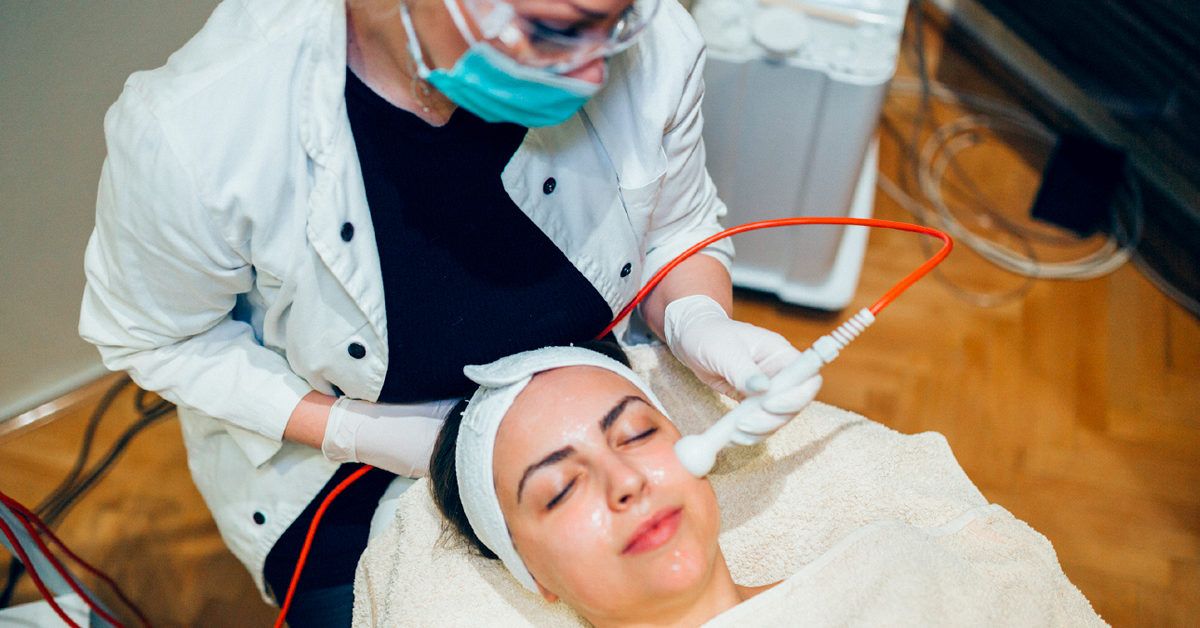
Radio frequency skin tightening sounds a little like something a spaceship might do before takeoff. In reality, it is a non-surgical cosmetic treatment that uses controlled heat to encourage firmer, smoother-looking skin. No scalpels. No dramatic soap-opera recovery scene. Just energy, warmth, collagen, and a hopeful patient wondering whether their jawline is about to make a comeback.
So, does radio frequency skin tightening work? The honest answer is: yes, for the right person, with the right expectations, and in the hands of a qualified provider. It can help mild to moderate skin laxity, fine lines, crepey texture, and early sagging. It will not replace a facelift, erase decades overnight, or turn your neck into a marble statue by Friday. RF skin tightening is more of a slow-burn glow-up than a magic wand.
In this guide, we will break down how radio frequency treatments work, what benefits you can realistically expect, possible side effects, who makes a good candidate, and what real-world experiences often look like after treatment.
What Is Radio Frequency Skin Tightening?
Radio frequency skin tightening, often called RF skin tightening, is a cosmetic procedure that uses radiofrequency energy to heat the deeper layers of the skin. This heat is carefully controlled so it warms the dermis without intentionally damaging the skin surface. The goal is to trigger collagen contraction and stimulate new collagen and elastin production over time.
Collagen is the protein that gives skin structure, bounce, and firmness. Unfortunately, collagen production slows as we age. Sun exposure, weight changes, smoking, stress, and genetics can speed up visible skin laxity. RF treatments aim to wake up the skin’s repair process and encourage it to behave a bit more like it did when it still tolerated all-nighters and cheap foundation.
How Does RF Skin Tightening Work?
RF devices deliver electrical energy into the skin, creating heat in targeted tissue. When the skin reaches a therapeutic temperature, collagen fibers may contract, producing a subtle immediate tightening effect. More importantly, the heat encourages remodeling, which means the skin gradually builds new support proteins in the weeks and months after treatment.
Different devices use different RF technologies. Some are non-invasive and glide over the skin. Others combine RF with microneedling, where tiny needles deliver energy below the surface. There are also monopolar, bipolar, multipolar, and fractional RF devices. Translation: not all RF treatments are the same, and the device, settings, treatment depth, and provider skill matter a lot.
Does Radio Frequency Skin Tightening Actually Work?
Yes, radio frequency skin tightening can work, especially for people with early signs of sagging, mild jowling, fine lines, loose skin after weight loss, or crepey texture on the face, neck, abdomen, arms, or thighs. Studies and clinical experience suggest RF can improve skin elasticity, texture, wrinkles, and mild laxity. However, results are usually subtle to moderate, not surgical.
The best way to think of RF skin tightening is this: it helps your skin act more organized and supported. It may smooth, firm, and lift a little. It may make makeup sit better. It may help the lower face look less tired. But it will not remove large amounts of loose skin. If the skin is severely sagging, surgery may still be the more effective option.
When Will You See Results?
Some people notice a mild tightening effect soon after treatment because collagen fibers respond to heat. The more meaningful results usually appear gradually over 6 to 12 weeks as collagen remodeling develops. Depending on the device and treatment plan, results may continue improving for several months.
Many providers recommend a series of sessions. Non-invasive RF treatments may require multiple visits spaced a few weeks apart. RF microneedling often requires fewer sessions but may involve more downtime. Maintenance treatments may be suggested every 6 to 12 months, depending on age, skin condition, lifestyle, and goals.
Main Benefits of Radio Frequency Skin Tightening
1. Firmer-Looking Skin Without Surgery
The biggest appeal of RF skin tightening is that it can firm the skin without incisions, stitches, or general anesthesia. For people who are not ready for surgery, do not qualify for surgery, or simply do not want major downtime, RF can be an attractive middle ground.
2. Improved Fine Lines and Wrinkles
Because RF stimulates collagen production, it may soften fine lines around the eyes, mouth, cheeks, and neck. It is not the same as Botox, which relaxes muscle movement, or filler, which restores volume. RF works more on skin quality and firmness.
3. Better Skin Texture
Many patients report smoother, more refined skin after RF treatments. RF microneedling may be especially useful for uneven texture, enlarged pores, and acne scars because it combines controlled micro-injury with heat-based remodeling.
4. Minimal Downtime
Non-invasive RF treatments often involve little to no downtime. You may look slightly flushed afterward, as if you had a spicy lunch or lost an argument with a treadmill. RF microneedling can cause more redness, swelling, pinpoint bleeding, peeling, or tenderness for several days.
5. Works on Many Skin Tones
RF energy is not attracted to pigment in the same way some lasers are. That means it can often be used on a broader range of skin tones. Still, darker skin tones can be more prone to post-inflammatory hyperpigmentation after aggressive treatments, especially RF microneedling, so provider experience remains essential.
6. Can Treat Multiple Body Areas
RF is commonly used on the face, jawline, neck, under the chin, abdomen, arms, thighs, knees, and sometimes the chest. It can help areas where skin has become mildly loose after aging, pregnancy, or weight fluctuation.
Radio Frequency Skin Tightening Side Effects
Most side effects from RF skin tightening are temporary. Common reactions include redness, swelling, warmth, tingling, tenderness, dryness, and mild bruising. These usually fade within hours to several days, depending on the treatment intensity.
More aggressive treatments, especially RF microneedling, can carry higher risks. Possible complications include burns, blisters, infection, scarring, pigment changes, fat loss, uneven texture, and nerve irritation. These complications are uncommon, but they are serious enough that RF should be treated like a medical procedure, not a casual beauty errand squeezed between coffee and dry cleaning.
Who Is a Good Candidate?
A good candidate for radio frequency skin tightening usually has mild to moderate skin laxity, realistic expectations, good general health, and a willingness to wait for gradual improvement. RF may be helpful if your skin is starting to look loose but does not yet require surgical lifting.
You may not be a good candidate if you are pregnant, have an implanted electrical device such as a pacemaker, have active skin infection, have certain metal implants near the treatment area, are prone to keloid scarring, or have severe skin laxity that needs surgery. Always discuss your medical history with a licensed provider before treatment.
RF Skin Tightening vs. RF Microneedling
Non-invasive RF skin tightening uses a device that applies energy through the skin surface. It is often comfortable, quick, and low-downtime. It is commonly used for mild tightening and general skin firming.
RF microneedling uses tiny needles to create controlled channels in the skin while delivering RF energy deeper into tissue. It can be more effective for acne scars, texture, wrinkles, and deeper remodeling, but it can also involve more discomfort, more downtime, and a higher risk of complications if performed incorrectly.
Choosing between the two depends on your skin concerns. If you want gentle firming and minimal recovery, non-invasive RF may be enough. If you are treating acne scars, deeper wrinkles, or more noticeable laxity, RF microneedling may be recommended by a qualified dermatology or plastic surgery provider.
What Happens During a Treatment?
A typical RF skin tightening appointment starts with cleansing the skin. A gel may be applied, and the provider moves the device across the treatment area. You will feel warmth, and some devices create a pulsing or massaging sensation. The session may take 20 to 60 minutes, depending on the area.
For RF microneedling, a numbing cream is usually applied first. The provider then stamps or glides the device over the skin, creating tiny punctures while delivering energy. Afterward, the skin may look red and swollen, similar to a sunburn. You will usually receive aftercare instructions, including avoiding harsh actives, sun exposure, heavy workouts, and makeup for a short period.
How Long Do Results Last?
Results vary. Some people enjoy visible improvement for several months to a year or longer, especially with good skincare and maintenance treatments. Aging continues, because biology is rude like that, so RF does not permanently stop skin laxity. Sun protection, stable weight, healthy nutrition, sleep, and not smoking can help preserve results.
How to Choose a Safe Provider
Provider skill is one of the most important factors in RF treatment safety. Look for a board-certified dermatologist, board-certified plastic surgeon, or licensed professional working under appropriate medical supervision. Ask what device they use, how often they perform the treatment, what settings are appropriate for your skin type, and what complications they have seen.
Be cautious with bargain treatments, vague credentials, and aggressive promises. If someone guarantees a facelift-like result from one session while standing next to a suspiciously dusty machine, consider that your cue to exit gracefully.
At-Home RF Devices: Are They Worth It?
At-home RF devices are generally weaker than professional systems. They may help with temporary plumping or very mild firmness when used consistently, but results are usually modest. The upside is convenience. The downside is that incorrect use can cause burns, irritation, or disappointment with a charging cord.
If you use an at-home RF device, follow the instructions exactly, avoid overuse, do not treat irritated or broken skin, and stop if you feel burning or pain. At-home devices are not a substitute for professional evaluation if you have significant laxity, scarring, or medical skin concerns.
Realistic Expectations: What RF Can and Cannot Do
RF skin tightening can improve firmness, texture, fine lines, and mild sagging. It can make the skin look fresher and more supported. It can be a smart maintenance treatment for people who want natural-looking improvement without surgery.
RF cannot remove heavy excess skin, dramatically lift deep jowls, replace lost facial volume, or fix advanced neck banding. It also cannot stop aging. Think of it as a helpful tool in a larger skin plan, not the entire toolbox.
Experience Section: What Radio Frequency Skin Tightening Feels Like in Real Life
Many people walk into their first radio frequency skin tightening appointment with the same question: “Is this going to hurt, or is everyone online pretending to be brave?” The experience depends on the device, treatment area, and personal pain tolerance, but non-invasive RF is often described as warm, tolerable, and sometimes even relaxing. It can feel like a hot stone massage performed by a very focused robot.
During a facial RF session, the provider usually moves the handpiece slowly along the cheeks, jawline, chin, and neck. The warmth builds gradually. Some spots may feel hotter than others, especially near thinner skin or bony areas. A good provider checks in often and adjusts settings when needed. The goal is therapeutic heat, not “why does my face feel like a grilled cheese?” heat.
Immediately afterward, the skin may look pink, slightly puffy, or extra glowy. Some patients love this stage because the face looks refreshed right away. Others see almost nothing at first and wonder whether their collagen missed the meeting. That is normal. RF results are usually gradual. The real changes often show up weeks later, when the skin begins to feel a little firmer or smoother.
People who try RF for the jawline often notice subtle definition rather than a dramatic lift. The change may be something like, “My face looks less tired,” not “My driver’s license is now legally inaccurate.” For the neck, results can be more variable. Thin, crepey skin may improve, but heavy folds or loose hanging skin usually need stronger treatments or surgery.
RF microneedling feels different. Even with numbing cream, patients may feel pressure, prickling, heat, or snapping sensations. Afterward, the skin can look red and rough for a few days. Tiny grid marks, dryness, flaking, and mild swelling may happen. The payoff is that RF microneedling can produce more noticeable improvement in texture, acne scars, and wrinkles for some people.
The emotional experience is also worth mentioning. RF skin tightening requires patience. It is easy to stare at your reflection after three days and think, “Well, that was expensive warmth.” But collagen remodeling is not instant. Taking photos before treatment and again at 8 to 12 weeks can help you judge results more fairly. Daily mirror-checking is a dangerous sport.
Aftercare is usually simple but important. Most providers recommend gentle cleanser, bland moisturizer, sunscreen, and avoiding retinoids or exfoliating acids for a short time. Sun protection is non-negotiable. Spending money on collagen stimulation and then roasting your skin outdoors is like ordering a salad and washing it down with frosting.
Overall, real-world satisfaction tends to be highest among people who understand that RF skin tightening is subtle, progressive, and best for early laxity. It is not a one-session miracle, but it can be a useful treatment for smoother, firmer, fresher-looking skin when performed safely.
Final Verdict: Does Radio Frequency Skin Tightening Work?
Radio frequency skin tightening does work for many people, but the results are best described as natural and gradual. It can improve mild sagging, fine lines, skin texture, and firmness by heating deeper skin layers and encouraging collagen remodeling. It is especially appealing because it is non-surgical and usually involves limited downtime.
However, RF is not risk-free, and it is not a replacement for surgery in cases of significant loose skin. Side effects are usually mild, but burns, scarring, pigment changes, fat loss, and nerve-related complications can occur, particularly with more aggressive RF microneedling or poorly performed treatments. The safest path is to choose a qualified provider, ask specific questions, and keep your expectations grounded.
If your goal is refreshed, firmer-looking skin without dramatic downtime, RF skin tightening may be worth considering. If your goal is a major lift, you may need a different plan. Either way, your skin deserves science, skill, and sunscreennot hype in a fancy robe.
SEO Metadata
Note: This article is for informational publishing purposes only and should not replace advice from a board-certified dermatologist, plastic surgeon, or licensed medical professional.