

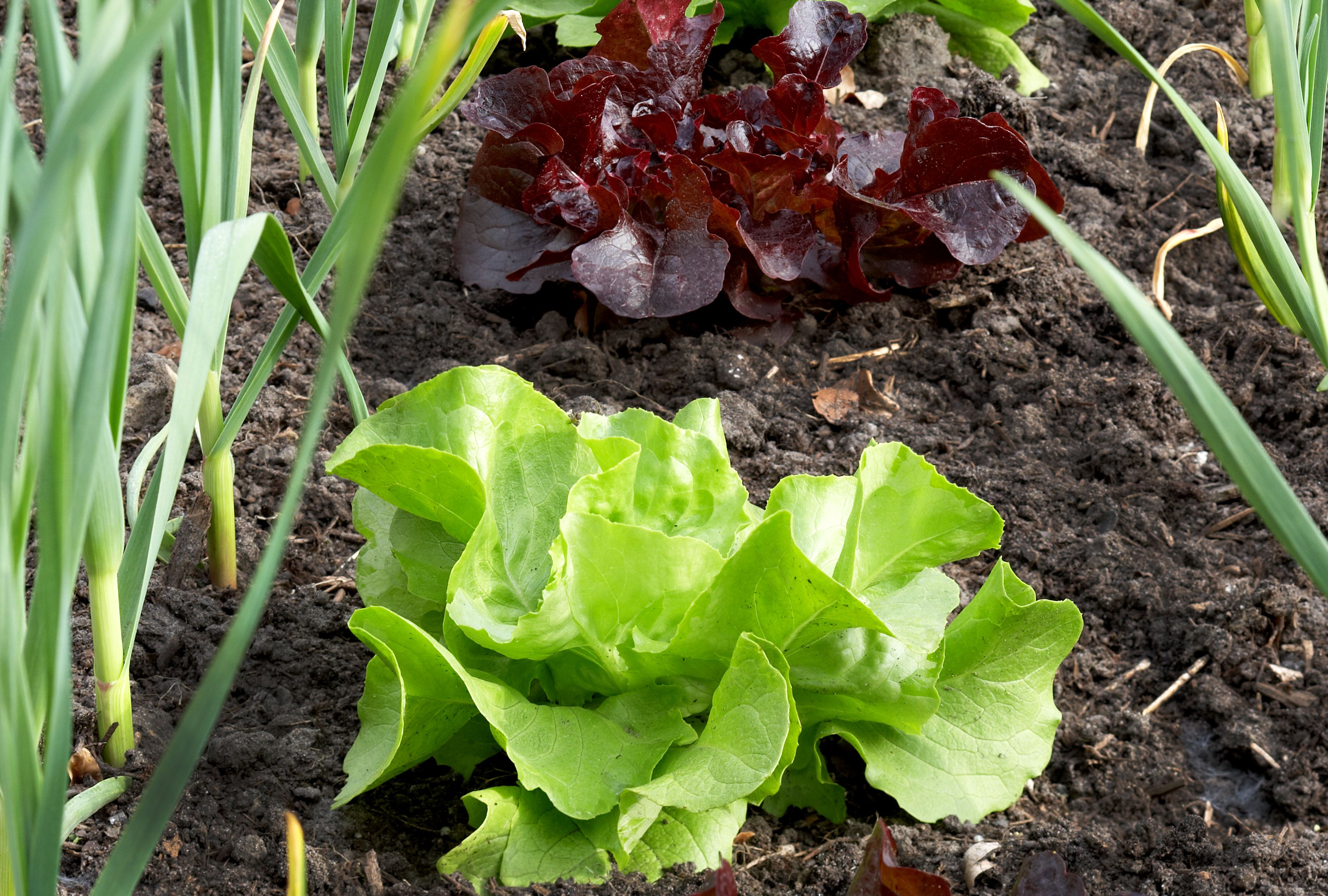
Note: This article is written for home gardeners who want practical, real-world lettuce companion planting ideas based on reliable gardening guidance, not garden folklore wearing a fake mustache.
Lettuce may look delicate, but in the garden it is a fast-moving, cool-season superstar. Give it loose soil, steady moisture, and a little protection from harsh heat, and it rewards you with crisp leaves, tender heads, and the kind of salad confidence that makes store-bought greens look nervous.
Still, lettuce has a few diva moments. It dislikes heat, bolts when stressed, has shallow roots, and can attract aphids, slugs, flea beetles, and other leaf-munching freeloaders. That is where lettuce companion plants come in. The right neighbors can help shade the soil, use garden space efficiently, attract beneficial insects, reduce pest pressure, and make your vegetable bed look less like a lettuce parking lot and more like a tiny edible ecosystem.
Below are the 10 best lettuce companion plants to grow together, plus spacing tips, examples, and hands-on gardening experience to help you build a healthier, more productive salad garden.
What Makes a Good Companion Plant for Lettuce?
A good lettuce companion plant usually does at least one of four things: it grows in a different soil zone, matures at a different speed, attracts helpful insects, or provides light shade during warm weather. Lettuce has shallow roots, so it often pairs beautifully with deeper-rooted crops like carrots and radishes. It also grows quickly, making it useful between slower crops such as tomatoes, onions, cucumbers, and peas.
Companion planting does not mean every plant is secretly whispering motivational quotes to its neighbor. Sometimes the benefit is simple: better use of space, less exposed soil, more insect diversity, or a little afternoon shade. That is practical gardening, and practical gardening is usually where the magic happens.
1. Carrots
Carrots are one of the classic companion plants for lettuce because the two crops use garden space in different ways. Lettuce spreads its leaves above the soil and keeps its roots near the surface, while carrots send their edible roots downward. This means they are less likely to compete aggressively for the exact same space.
Planting lettuce between rows of carrots can also help shade the soil, reduce weed growth, and keep the carrot bed looking full while those slow carrot seedlings take their sweet time to appear. Carrots are not famous for dramatic entrances. Lettuce, on the other hand, shows up early and gets the party started.
How to grow them together
Sow carrot seeds in rows, then transplant loose-leaf lettuce or sow lettuce seed between the rows. Harvest outer lettuce leaves as the carrots grow. Once the carrots need more space, remove mature lettuce plants and enjoy dinner. That is not thinning; that is strategic salad management.
2. Radishes
Radishes are fast, compact, and excellent for interplanting with lettuce. Many radish varieties mature in about three to four weeks, which makes them perfect for filling short-term gaps in the lettuce bed. They loosen the soil slightly, mark rows quickly, and give impatient gardeners something to harvest before the lettuce reaches full size.
Because radishes grow so quickly, they work especially well around young lettuce seedlings. By the time lettuce plants need more elbow room, the radishes are already out of the ground, rinsed, sliced, and pretending to be fancy on toast.
How to grow them together
Sow radishes along the edges of lettuce rows or in alternating short rows. Keep soil evenly moist so radishes stay crisp instead of turning woody and spicy enough to wake the neighbors. Harvest radishes promptly to avoid crowding the lettuce.
3. Onions
Onions are strong lettuce companions because they grow upright, take up little horizontal space, and bring a pungent aroma that may help confuse some pests. Lettuce fills the open ground around onions, while onions rise like green exclamation points above the bed.
This partnership is especially useful in small gardens. Instead of leaving bare soil between onion rows, you can tuck in lettuce and harvest it before onions reach full size. The lettuce helps cover the soil, and the onions do not create dense shade that blocks young lettuce from growing.
How to grow them together
Plant onions in rows or clusters, leaving enough space for airflow. Add loose-leaf lettuce between onion rows, especially in spring or fall. Avoid crowding both crops too tightly; onions need sunlight and lettuce needs airflow to reduce disease risk.
4. Chives
Chives belong to the allium family, just like onions and garlic, but they are smaller, easier to tuck into corners, and wonderfully useful around lettuce. Their slender leaves do not compete heavily for space, and their purple flowers can attract pollinators when allowed to bloom.
Chives are also a great choice for gardeners who want an edible border around a lettuce patch. Snip a few leaves for baked potatoes, eggs, salads, or soup, then let the plant keep growing. Chives are basically the low-maintenance roommate lettuce deserves.
How to grow them together
Plant chives at the ends of lettuce rows or along the border of a raised bed. Keep them trimmed if they begin shading small lettuce seedlings. In perennial beds, divide chive clumps every few years so they stay productive and do not become a grassy little kingdom.
5. Garlic
Garlic is another useful allium companion for lettuce. It grows vertically, takes up limited space, and has a strong scent that may help make the lettuce patch less attractive to certain soft-bodied pests. While garlic will not turn your garden into a pest-free fortress, it can be part of a smart, diverse planting plan.
Garlic and lettuce also work well seasonally. Garlic is often planted in fall and harvested in summer, while lettuce thrives in cool spring and fall conditions. In mild climates, lettuce can grow around garlic during the cool months, making excellent use of bed space before the weather gets too hot.
How to grow them together
Plant garlic cloves with proper spacing, then sow lettuce in open spaces between rows in early spring. Harvest lettuce before garlic bulbs begin sizing up heavily. Do not overwater the garlic late in its season just to keep lettuce happy; soggy garlic is nobody’s dream harvest.
6. Strawberries
Strawberries and lettuce can make a surprisingly attractive and productive pair. Strawberries form low-growing plants with flowers that attract beneficial insects, while lettuce fills empty spaces between young strawberry plants. Both enjoy fertile soil and consistent moisture, though strawberries need excellent drainage.
This combination works especially well in raised beds, edible borders, and small-space gardens where every square foot needs to earn its keep. The visual effect is also charming: bright green lettuce leaves, strawberry blossoms, and red fruit. It is basically cottage garden energy with snacks.
How to grow them together
Plant lettuce between young strawberry plants in spring, leaving enough room for strawberry runners if you want the patch to expand. Use mulch to keep berries clean and soil moisture steady. Harvest lettuce before strawberry plants become too dense.
7. Cucumbers
Cucumbers are good lettuce companions when they are grown vertically. A cucumber trellis can provide light shade for lettuce, especially in late spring when temperatures start rising. Lettuce appreciates protection from harsh afternoon sun because heat can trigger bolting, which makes leaves bitter and sends the plant into flower mode.
The key is control. A cucumber vine left to sprawl can smother lettuce faster than you can say “I should have installed that trellis.” But trained upward, cucumbers become a living shade screen that helps lettuce last longer in warm weather.
How to grow them together
Place cucumbers on a trellis on the sunny side of the bed where they can climb without covering lettuce completely. Grow lettuce near the base but not directly under dense cucumber foliage. Water consistently, because both crops dislike drying out.
8. Tomatoes
Tomatoes and lettuce are a smart warm-season pairing when timed correctly. Lettuce grows quickly in spring, while tomatoes take longer to become large plants. You can plant lettuce around young tomato transplants and harvest many of the greens before the tomato canopy expands.
Later in the season, taller tomato plants can provide partial shade that helps protect lettuce from intense sun. This is especially helpful for gardeners trying to extend lettuce harvests into warmer weeks. The tomato gets ground cover, the lettuce gets shade, and you get the ingredients for a garden sandwich. Everybody wins.
How to grow them together
Transplant tomatoes with proper spacing, then sow or transplant lettuce around them while the tomatoes are still small. Keep lettuce outside the main tomato stem area so watering and airflow remain easy. Remove lettuce plants before they crowd tomato roots or block mulch and maintenance access.
9. Peas
Peas are excellent companions for lettuce, especially in cool-season gardens. Like lettuce, peas prefer mild weather, and trellised peas can create gentle shade. Peas are legumes, which means they work with soil bacteria to fix nitrogen. While this does not instantly feed lettuce like a magical fertilizer sprinkler, legumes can support healthier soil systems over time.
Peas also grow upward when supported, leaving room below for lettuce. This makes the pair ideal for raised beds, small gardens, and early spring planting plans. It is vertical gardening with a salad bonus.
How to grow them together
Sow peas along a trellis, then plant lettuce in front where it receives morning sun and afternoon protection. Keep the bed moist but not soggy. Harvest lettuce leaves regularly, and pick peas often to keep the vines producing.
10. Marigolds
Marigolds bring color, insect diversity, and old-school garden charm to a lettuce bed. They are often planted near vegetables because their flowers attract beneficial insects and add diversity to the garden. Some gardeners also use marigolds as part of broader pest-management strategies.
For lettuce, marigolds are best used as edge plants rather than packed tightly between rows. Lettuce needs airflow and steady moisture, while marigolds prefer sun and room to bloom. Give each plant its space and they can share the garden without turning it into a botanical traffic jam.
How to grow them together
Plant compact marigold varieties at the corners or edges of lettuce beds. Avoid very large marigold varieties that shade lettuce too heavily. Deadhead flowers to keep blooms coming and to make the garden look like someone has their life together.
Quick Companion Planting Layout for Lettuce
For a simple raised-bed design, plant peas or cucumbers on a trellis along the north side of the bed if you are in the Northern Hemisphere, so they do not block all the sun. Add lettuce in the middle, carrots or radishes in alternating rows, and chives or marigolds around the edges. If you are growing tomatoes, place them with enough spacing and use lettuce as an early-season filler crop.
This layout gives lettuce cool-season friends, vertical shade, edible borders, and quick harvest opportunities. It also keeps the bed diverse, which is one of the most practical benefits of companion planting.
Plants to Avoid Growing Too Close to Lettuce
Not every garden neighbor is a good neighbor. Some plants may compete too strongly, cast too much shade, or create management problems. Fennel is commonly avoided near many vegetables because it can suppress nearby plant growth. Large brassicas such as cabbage, broccoli, cauliflower, and Brussels sprouts can also be challenging near lettuce because they are heavy feeders and may crowd small greens.
Parsley is sometimes listed as a questionable partner for lettuce, and sprawling squash can overwhelm lettuce unless carefully managed. The safest rule is simple: do not plant lettuce beside anything that will bully it for light, water, or root space. Lettuce is polite. Squash is not always polite.
Tips for Growing Lettuce Successfully With Companion Plants
Keep moisture consistent
Lettuce grows best with steady moisture. Dry soil can cause stress, bitter leaves, and early bolting. Companion plants should not be allowed to steal all the water, especially in raised beds or containers.
Use partial shade wisely
Lettuce likes sun in cool weather but appreciates afternoon shade as temperatures climb. Trellised peas, cucumbers, and tomatoes can help, but too much shade will slow growth. Aim for filtered protection, not full darkness.
Harvest often
Loose-leaf lettuce can be harvested by picking outer leaves while the center continues growing. Frequent harvesting improves airflow and keeps plants productive. It also gives you an excuse to eat more salad, which is cheaper than letting lettuce bolt and become compost with attitude.
Watch spacing
Companion planting is not the same as cramming. Lettuce still needs space for airflow, and crowded plants are more likely to struggle with disease. Follow spacing guidelines for each crop, then adjust based on variety and garden conditions.
My Practical Experience Growing Lettuce With Companions
After trying lettuce in plain rows, mixed beds, containers, and raised-bed corners, the biggest lesson is this: lettuce loves a thoughtful neighborhood, but it does not love chaos. The best results usually come from pairing lettuce with plants that have different shapes, root habits, and harvest times.
One of the most reliable combinations is lettuce with radishes and carrots. Radishes are quick enough to harvest before lettuce needs more room, and carrots continue growing after the lettuce has been picked. This setup is perfect for gardeners who want the bed to stay productive without constantly replanting from scratch. It also helps beginners feel successful because radishes deliver a fast harvest while the slower crops catch up.
Lettuce with onions or chives is another practical pairing. The upright growth of alliums leaves plenty of room for lettuce leaves to spread. In small gardens, this matters. A row of onions with lettuce tucked between the rows can produce more food from the same space than either crop alone. The only trick is to avoid overplanting. If the bed looks like a green carpet with no visible soil or airflow, it may be time to harvest some leaves.
For warm weather, the most useful companions are trellised peas, cucumbers, or young tomatoes. Shade can make a real difference, especially when spring suddenly turns into “surprise summer.” Lettuce under a little afternoon shade often stays tender longer than lettuce sitting in full blazing sun. However, shade should be partial. If cucumber vines completely cover the lettuce, the greens become weak and stretched. A trellis is your best friend here.
Marigolds are helpful in a different way. They do not directly feed lettuce, and they will not magically repel every pest in the county, but they bring flowers, insect activity, and visual diversity. A garden with flowers mixed into vegetables often feels more balanced and alive. I like marigolds near the edges rather than in the middle of lettuce rows because they can become bushy.
Strawberries with lettuce are excellent in spring beds. Lettuce fills the open gaps before strawberry plants spread, and the combination looks beautiful. The main challenge is moisture management. Strawberries dislike soggy crowns, while lettuce likes consistent water. The solution is well-drained soil, mulch, and careful watering at soil level.
The biggest mistake with lettuce companion planting is expecting companion plants to replace basic care. Good neighbors help, but they do not fix poor soil, drought, overcrowding, or planting lettuce in midsummer heat without shade. Start with compost-rich soil, plant at the right season, water regularly, and harvest early. Companion planting works best as a support system, not a miracle cure.
If you are new to lettuce companion planting, start with one simple bed: lettuce, radishes, carrots, chives, and a few marigolds on the border. Once that feels easy, add trellised peas or cucumbers for shade. The goal is not to create a complicated garden puzzle. The goal is to grow crisp lettuce with fewer problems, better space use, and more joy every time you walk outside with a salad bowl and unreasonable optimism.
Conclusion
The best lettuce companion plants are not random garden buddies; they are practical partners. Carrots and radishes use different soil space. Onions, chives, and garlic bring upright growth and strong scents. Strawberries make beautiful use of spring beds. Cucumbers, tomatoes, and peas can provide helpful shade when trained properly. Marigolds add flowers, beneficial insect activity, and color.
When you combine these plants thoughtfully, lettuce becomes easier to grow and the whole garden becomes more productive. Keep the soil moist, avoid overcrowding, harvest regularly, and remember that companion planting is about balance. Lettuce may be tender, but with the right neighbors, it can hold its own beautifully.