

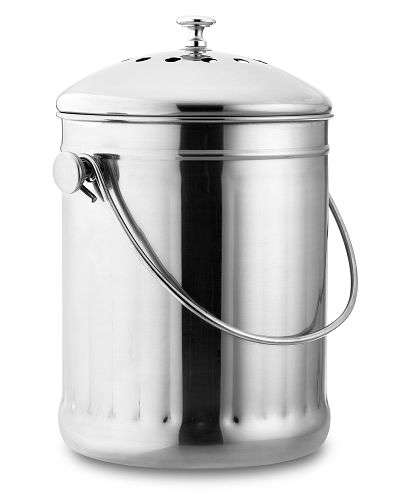
Some kitchen tools earn their counter space by being glamorous. A stand mixer looks ready for a magazine spread. A copper pan whispers, “I make French sauces on Tuesdays.” And then there is the humble metal compost pail: a small, sturdy container whose main job is to sit near your cutting board and politely hold onion skins, coffee grounds, banana peels, eggshells, and the occasional lettuce leaf that gave up on life in the crisper drawer.
Yet in the world of domestic science, metal compost pails are far more interesting than they look. They solve a very real household problem: how to collect kitchen food scraps cleanly, conveniently, and without turning your kitchen into a fruit-fly nightclub. A good metal compost pail makes composting feel less like an eco-chore and more like a normal part of cooking. Chop vegetables, scrape scraps into the pail, close the lid, carry it outside later. That is the entire magic trick.
This guide explores why metal compost pails, especially stainless steel compost pails, have become a favorite for home composting, what features actually matter, how to prevent odors, and how to use one without making rookie mistakes. Think of it as home economics with a modern twist: less chalkboard, more carrot peels.
What Is a Metal Compost Pail?
A metal compost pail is a small kitchen container designed to temporarily store food scraps before they are moved to an outdoor compost bin, curbside organics cart, community compost drop-off, or backyard pile. It does not usually “make compost” on your countertop. Instead, it acts as a tidy transfer station between dinner prep and the real composting process.
Most metal compost pails are made from stainless steel, galvanized steel, or powder-coated metal. Stainless steel is the most popular because it resists rust, cleans easily, and does not absorb stains or smells the way some plastic containers can. Many models include a lid, a carry handle, and a replaceable charcoal or carbon filter to help reduce odors.
In simple terms, a kitchen compost pail is like a lunchbox for leftovers that nobody wants to eat but the soil will happily accept later. It keeps scraps contained, makes composting more convenient, and helps households reduce the amount of organic waste going into the trash.
Why Metal Compost Pails Belong in Modern Domestic Science
Domestic science, sometimes called home economics, is really about making the household work better. Not fancier. Not more complicated. Better. A metal compost pail fits beautifully into that idea because it turns a messy daily habit into a clean routine.
Food scraps are unavoidable in most kitchens. Apple cores, potato peels, coffee filters, wilted herbs, and vegetable stems pile up quickly. When those scraps go into the trash, they often create odors and add weight to garbage bags. When they go into a compost system, they become part of a cycle that can support healthier soil.
Composting works through aerobic decomposition, meaning microorganisms break down organic materials in the presence of oxygen. The result is compost, a soil amendment that can improve soil structure, help retain moisture, and return nutrients to gardens and landscapes. When food waste goes to landfills instead, it breaks down in low-oxygen conditions and can contribute to methane emissions. That is a big environmental reason why many cities, gardeners, and zero-waste households encourage food scrap separation.
But here is the practical truth: people are more likely to compost when the system is easy. Nobody wants to walk outside after every cucumber peel. A countertop metal compost pail creates convenience. It gives scraps a temporary home and gives the cook a reason not to say, “Forget it, the trash can is right there.” Convenience is not laziness. Convenience is how good habits survive real life.
Metal vs. Plastic vs. Ceramic Compost Pails
Kitchen compost bins come in many materials, but metal pails have several advantages that make them especially appealing for busy households.
Metal Compost Pails
Metal compost pails, particularly stainless steel models, are durable, easy to rinse, and resistant to lingering odors. They also tend to look neat on a countertop. If your kitchen has stainless appliances, a stainless steel compost pail blends in nicely instead of announcing, “Hello, I contain old broccoli.”
The biggest advantage is that metal is nonporous. It does not easily absorb the smell of garlic skins, coffee grounds, or citrus peels. A smooth metal interior is also easier to scrub clean, which matters because compost pails deal with moisture, acids, and tiny bits of food that love to hide in corners.
Plastic Compost Pails
Plastic compost pails are usually lightweight and affordable. Some are dishwasher-safe and designed with smooth interiors for easy cleaning. However, plastic can stain, scratch, and hold odors over time. Once a plastic bin has developed a permanent “old cabbage personality,” it can be difficult to reverse.
Ceramic Compost Pails
Ceramic pails can look beautiful. They often have a farmhouse style and may include a carbon filter in the lid. The downside is that ceramic can chip or crack if dropped, and it is heavier than metal. For careful households, ceramic can work well. For households with kids, pets, or people who frequently drop things before coffee, metal may be the safer bet.
Best Features to Look for in a Metal Compost Pail
Not every metal compost pail is equally useful. Some are practical workhorses; others look charming but are secretly difficult to clean. Before choosing one, focus on features that support daily use.
1. Stainless Steel Construction
A stainless steel compost pail is usually the strongest choice for long-term kitchen use. Look for rust-resistant stainless steel with a smooth interior. Avoid cheaply coated interiors that may chip after repeated washing. A good pail should survive coffee grounds, citrus peels, vinegar rinses, and the occasional “I forgot to empty this for three days” incident.
2. A Tight-Fitting Lid
The lid should sit securely without being annoying to remove. If the lid is too loose, odors and fruit flies may escape. If it is too tight, you may avoid using the pail because opening it becomes a two-handed wrestling match. The best lid is simple, snug, and easy to lift during cooking.
3. Charcoal or Carbon Filter
Many metal compost pails include a carbon filter in the lid. The filter helps absorb odors before they spread into the kitchen. It is not a magic force field, but it helps. Filters need regular replacement because they eventually become saturated. If your pail smells even after cleaning, the filter may be past its prime.
4. Comfortable Handle
A metal compost pail is meant to travel from countertop to outdoor bin, garden pile, or curbside cart. A strong handle makes that trip easier and less risky. Nobody wants to discover that a weak handle has failed while carrying coffee grounds across the kitchen floor. That is not a composting journey; that is a mop appointment.
5. Practical Capacity
Most countertop compost pails hold around one gallon. That size works well for many households because it is large enough for daily scraps but small enough to encourage frequent emptying. Larger families or serious home cooks may prefer a bigger pail, while small apartments may need a compact model.
A good rule: choose a size you can empty every one to three days. If the pail is so large that scraps sit for a week, odor problems become much more likely.
What Can Go Into a Kitchen Compost Pail?
Your metal compost pail is only a temporary container, so what goes inside should match the final destination. A backyard compost pile may have different rules than a municipal organics program. Always check local guidance if you use curbside collection.
Common Compostable Kitchen Scraps
Most home compost systems can handle fruit and vegetable scraps, coffee grounds, paper coffee filters, tea leaves, eggshells, nutshells, stale bread in small amounts, plain grains, and plant-based leftovers. Chopping scraps into smaller pieces helps them break down faster once they reach the main compost system.
Items to Avoid in Basic Backyard Composting
For ordinary backyard composting, avoid meat, fish, bones, dairy, oily foods, and greasy leftovers. These materials can smell strongly, attract pests, and break down poorly in a small home pile. Some municipal composting programs accept these items because they use larger, professionally managed systems, but home composters should be more cautious.
The Browns-and-Greens Rule
Food scraps are considered “greens,” meaning they are nitrogen-rich and moist. Compost piles also need “browns,” which are carbon-rich materials such as dry leaves, shredded cardboard, straw, paper, or wood chips. A common home composting rule of thumb is to mix two to three parts browns with one part greens. This balance helps reduce odors and keeps the pile from becoming wet and slimy.
The metal compost pail handles the greens. The outdoor bin needs the browns. One without the other is like a sandwich with only mustard: technically possible, but emotionally troubling.
How to Prevent Odors in a Metal Compost Pail
A metal compost pail should not stink if it is used correctly. If it does, the problem is usually moisture, time, trapped food residue, or a tired filter.
Empty It Often
The simplest odor-control method is frequent emptying. During cooler months, every two or three days may be fine. In warm weather, daily emptying is better, especially if the pail contains melon rinds, onion scraps, or anything particularly juicy.
Use a Paper Liner
A sheet of newspaper, a brown paper bag, or a piece of paper towel at the bottom of the pail can absorb moisture and make cleanup easier. Some people use certified compostable bags, especially for curbside programs, but not all compost facilities accept them. If you use bags, check local rules first.
Keep Wet Scraps Under Control
Very wet scraps create odor faster. Drain coffee grounds before adding them. Let tea bags cool and drip first. If you have juicy fruit scraps, wrap them in a little newspaper or add them directly to the outdoor compost bin when possible.
Try the Freezer Trick
If you cook seafood, cut lots of fruit, or live in a hot climate, store the smelliest scraps in a container in the freezer until compost day. Freezing pauses decomposition and keeps odors away. It also gives your freezer a new identity as a tiny food-waste waiting room.
Clean the Pail Weekly
Even stainless steel needs cleaning. Rinse the pail after emptying and wash it with warm, soapy water at least once a week. For lingering smells, wipe the inside with diluted white vinegar, then rinse and dry completely. Do not forget the lid, filter area, and handle joints, where sneaky bits of food can hide.
Where to Keep a Metal Compost Pail
The best location is close to where you prepare food. Near the cutting board, sink, or trash can usually works well. If the pail is too far away, it becomes decorative instead of useful. Composting success often depends on friction: the easier the habit, the more likely people are to keep doing it.
Avoid placing the pail in direct sunlight, especially near a warm window. Heat speeds decomposition and can increase odors. A shaded countertop, under-sink space, or pantry shelf may work better. If you keep it under the sink, make sure you still see and use it regularly. Out of sight can become out of composting commitment.
How to Use a Metal Compost Pail Step by Step
Step 1: Set Up the Pail
Place the pail where food prep happens. Add a paper liner if desired. Make sure the carbon filter is installed correctly if your model uses one.
Step 2: Add Food Scraps During Cooking
Drop in vegetable peels, fruit cores, coffee grounds, eggshells, and other accepted scraps. Keep liquids out as much as possible. A compost pail is not a soup pot, even if the onion skins are trying to convince you otherwise.
Step 3: Empty Frequently
Carry the scraps to your outdoor compost bin, municipal organics cart, worm bin, community compost drop-off, or freezer storage container. If you backyard compost, cover fresh food scraps with brown materials to discourage pests and odors.
Step 4: Rinse and Dry
After emptying, rinse the pail. Dry it before replacing the lid. Moisture left inside encourages smell and may shorten the life of filters.
Step 5: Replace Filters as Needed
If your metal compost pail uses charcoal filters, replace them according to the manufacturer’s guidance or when odors become noticeable. A dirty filter cannot perform miracles. It is a filter, not a wizard.
Common Mistakes People Make With Compost Pails
The first mistake is assuming the pail itself composts the food. Most metal compost pails only collect scraps. Decomposition happens later in the outdoor pile, worm bin, tumbler, or municipal facility.
The second mistake is letting scraps sit too long. Even the best stainless steel compost pail cannot make week-old melon smell like lavender. Emptying often is the real secret.
The third mistake is ignoring moisture. Wet scraps create odors faster, attract fruit flies, and make the pail unpleasant to clean. Add paper, drain liquids, and keep the pail dry between uses.
The fourth mistake is forgetting the outdoor compost balance. Dumping endless kitchen scraps into a pile without dry leaves, shredded paper, or cardboard can create a soggy mess. The pail begins the process, but browns finish the job.
Are Metal Compost Pails Worth It?
For many households, yes. A metal compost pail is worth it because it makes food scrap collection cleaner and more attractive. It reduces the excuse factor. Instead of carrying scraps outside after every meal, you collect them neatly and empty them on a schedule.
Metal pails also last a long time when properly cared for. They resist staining, usually clean faster than plastic, and often look good enough to leave on the counter. If you are trying to build a composting habit, that visibility matters. A pail that looks nice and works well becomes part of the kitchen routine.
The best metal compost pail is not necessarily the most expensive one. The best choice is the one you will actually use. Look for a sturdy build, easy cleaning, a comfortable handle, a practical size, and simple odor control. If it checks those boxes, it can become one of the most useful unglamorous tools in your kitchen.
Domestic Science in Action: Turning Scraps Into a System
The phrase “domestic science” may sound old-fashioned, but the idea is surprisingly modern. It asks: how can everyday household choices become smarter, cleaner, and more efficient? Metal compost pails answer that question in a very practical way.
They do not ask you to become a full-time gardener. They do not require a lab coat, although wearing one while peeling carrots would be a bold personal brand. They simply help separate organic waste at the source. That one small habit supports larger systems: backyard composting, municipal food scrap collection, community gardens, and healthier soil.
In a world where sustainability advice can sometimes feel overwhelming, the metal compost pail is refreshingly ordinary. It says, “Start here. Put the banana peel in me.” That is domestic science at its best: small, repeatable actions that make the home work better.
Personal Experiences and Practical Lessons With Metal Compost Pails
The first lesson many people learn from using a metal compost pail is that placement matters more than motivation. If the pail sits right beside the cutting board, it gets used. If it hides under the sink behind cleaning sprays, it becomes a forgotten museum artifact. A countertop pail may seem like a small detail, but when you are chopping carrots on a busy weeknight, convenience wins. Every time.
Another useful experience is discovering that stainless steel feels cleaner over time. After several rounds of coffee grounds, citrus peels, onion skins, and vegetable trimmings, plastic containers can sometimes hold onto smells. A metal compost pail is easier to reset. A quick wash with dish soap, a vinegar wipe, and a full dry usually bring it back to neutral. That matters because nobody wants yesterday’s cabbage joining today’s breakfast conversation.
Families also tend to use compost pails better when the rules are simple. A small note near the pail can help: “Yes: fruit, veggies, coffee, eggshells. No: meat, dairy, oil.” This is especially useful in households where several people cook. Without clear rules, someone will eventually toss in a cheesy leftover and create a mystery smell with dramatic potential.
One surprisingly helpful habit is adding a small piece of paper towel or newspaper to the bottom of the pail each morning. It catches moisture, makes emptying cleaner, and prevents scraps from sticking to the bottom. Coffee grounds are wonderful for compost, but they are also talented at forming a damp paste that clings to metal like it signed a lease. A paper liner keeps that from becoming a daily annoyance.
People who cook often may find that a one-gallon pail is the sweet spot. It holds enough scraps for a day or two but is not so large that food sits too long. Smaller pails are great for apartments or single-person households. Larger pails work for big families, but they require discipline. A large pail can trick you into waiting too long between trips outside. When in doubt, choose the size that encourages frequent emptying.
The freezer method is another real-life lifesaver. In hot weather, fruit scraps can attract fruit flies quickly. If you are cutting watermelon, pineapple, or a mountain of peach skins, freezing those scraps until compost day can keep the kitchen calmer. This is especially helpful for people who use curbside organics pickup once a week. The freezer may not sound glamorous, but neither is chasing fruit flies with a dish towel at 10 p.m.
Another experience worth mentioning: the outdoor compost bin determines whether the kitchen pail feels successful. If scraps are dumped into an outdoor pile and left uncovered, odors and pests may appear. Covering fresh scraps with dry leaves, shredded cardboard, or straw makes a huge difference. The pail is only the first act. The browns are the supporting cast that saves the show.
For apartment dwellers, a metal compost pail can still be useful even without a backyard. It can hold scraps for a community compost drop-off, farmers market collection, local garden program, or municipal organics cart. The key is matching the pail routine to the available disposal option. If drop-off happens every Saturday, empty the pail into a freezer container midweek or choose a model with strong odor control.
Finally, metal compost pails teach a quiet lesson about waste. Once scraps are visible in a separate container, it becomes easier to notice patterns. Maybe too much lettuce is being tossed. Maybe coffee grounds are the household’s true daily crop. Maybe meal planning could improve. The pail does not judge. It simply holds the evidence. In that sense, it is not just a composting tool; it is a tiny kitchen mirror showing what the household uses, wastes, and can improve.
Note: This article is original, publisher-ready content written in standard American English. It synthesizes practical composting guidance from reputable U.S. environmental, university extension, gardening, and home product testing resources, without inserting source links into the article body.
Conclusion
Metal compost pails are small, but they can change how a kitchen handles waste. They make food scrap collection cleaner, easier, and more attractive, which is exactly what a good domestic science tool should do. A stainless steel compost pail with a tight lid, comfortable handle, and replaceable carbon filter can reduce odors, simplify cleanup, and help turn everyday scraps into part of a healthier soil cycle.
The secret is not buying the fanciest pail on the market. The secret is building a routine: keep the pail near your prep area, empty it often, control moisture, clean it regularly, and balance kitchen scraps with brown materials in the main compost system. Do that, and your metal compost pail becomes more than a container. It becomes a quiet little engine of household efficiency.
And yes, it may still hold onion skins. Domestic science is practical, not precious.