

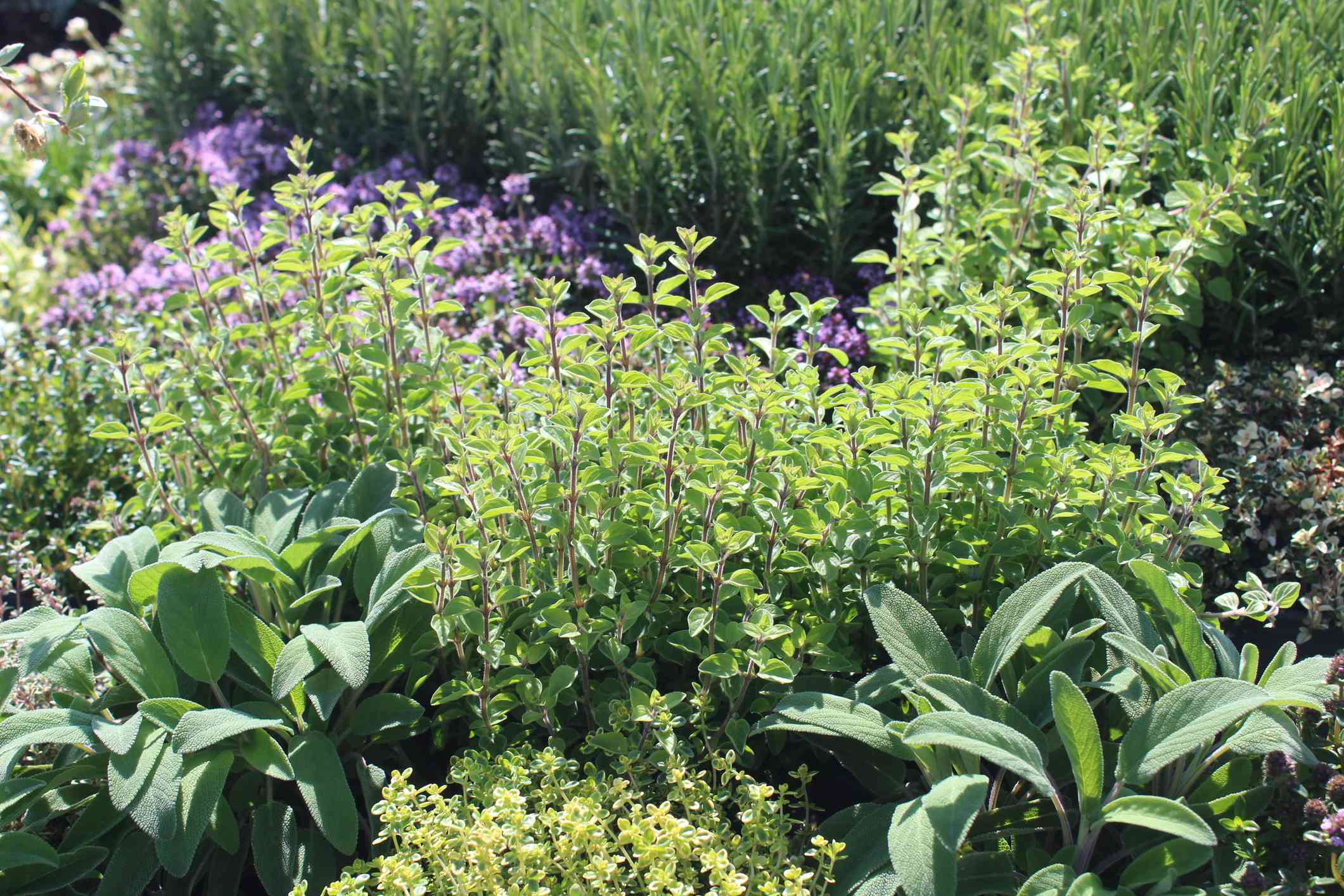
Every fall, gardeners get the same itchy impulse: grab the pruners, march outside, and give every herb a tidy pre-winter haircut. It feels productive. It looks neat. It also happens to be one of the easiest ways to annoy your rosemary, confuse your thyme, and send your sage into winter looking brave but alarmingly underdressed.
Here’s the truth: not every herb should be cut back before winter. Some herbs appreciate a good trim before cold weather rolls in, while others would strongly prefer that you back away slowly with the shears and let them coast into dormancy in peace. Knowing which herbs to prune before winter comes down to one simple question: is your herb soft and tender, or woody and perennial?
Once you understand that difference, fall herb care gets much easier. You can protect plant health, improve next year’s growth, and still harvest a pile of fragrant leaves for drying, freezing, or turning into the kind of compound butter that makes people think you have your life together.
Why Fall Pruning Isn’t One-Size-Fits-All
Herb pruning before winter matters because a late-season cut changes how a plant responds to cold. Some herbs bounce back fast and would rather you harvest them hard before frost finishes the job. Others react to heavy pruning by pushing out tender new growth at exactly the wrong time. That soft new growth can get damaged by freezing weather, and the plant heads into winter weaker than it started.
That’s why the old “cut everything down in autumn” rule is not really a rule at all. A basil plant and a rosemary shrub may both end up in your pasta sauce, but they do not want the same haircut.
As a general guide, herbs fall into three easy categories:
- Annual or frost-tender herbs: usually fine to harvest hard before cold weather.
- Soft-stemmed perennial herbs: often need light cleanup, not total scalping.
- Woody perennial herbs: usually best left mostly alone until spring.
The 30-Second Test: Soft Stem or Woody Stem?
If you are standing in the garden wondering what on earth your herb qualifies as, do the stem test. Gently bend a stem between your fingers.
- If it is green, juicy, and snaps like a salad ingredient, it is probably a softer herb.
- If it is brown, rigid, twiggy, or looks like it belongs in a tiny campfire, it is probably woody.
Soft-stemmed herbs usually tolerate stronger harvest cuts. Woody herbs are different. Many of them store energy in older stems and hate being cut deeply into old wood right before winter. That is the core reason some herbs should be pruned in spring instead of fall.
Herbs You Can Cut Back Before Winter
Annual herbs: harvest freely before frost
Annual herbs are your easiest decision. If they are going to die with frost anyway, there is no prize for leaving them standing in the cold like little green martyrs.
These herbs are usually safe to harvest heavily before winter:
- Basil
- Dill
- Cilantro in many gardens, especially if it is already nearing the end of its cycle
- Summer savory
- Marjoram if grown as an annual in your climate
With annual herbs, you can often cut stems low, gather the final usable growth, and preserve what you do not cook right away. Basil can be turned into pesto, cilantro can be frozen in oil, and dill can head straight for pickles or the freezer. This is the season for generous harvesting, not sentimentality.
That said, do not shear annual herbs weeks before warm weather ends if they are still actively growing and you want one more flush. Time your final cut close to frost. The goal is to collect the last good harvest, not force the plant to regrow when winter is already clearing its throat.
Chives: yes, these can be cut back
Chives are one of the friendlier herbs on the fall-pruning list. If the foliage starts flopping, yellowing, or looking like a bad haircut from July that somehow lasted until November, cutting it back is usually fine. Many gardeners trim chives down to a couple of inches above the soil line after frost or once the tops begin to decline.
Think of chives as the low-drama friend of the herb bed. They disappear, nap through winter, then return in spring as if nothing happened.
Mint and lemon balm: cleanup is usually fine
Mint and lemon balm are vigorous soft perennials, which is garden-speak for “they will probably outlive us all.” In most climates, you can cut them back once the season winds down, especially if they are sprawling, messy, or showing disease. A light to moderate cleanup before winter is often perfectly reasonable.
If you live in a colder zone, many gardeners still leave a bit of top growth until hard frost and then mulch lightly. The plant’s crown matters more than its fashion sense.
Herbs That Need a Light Touch, Not a Buzz Cut
Parsley: harvest it, but do not butcher it
Parsley confuses people because it is often treated like an annual, but botanically it is a biennial. In plain English, that means it does not always behave like a one-season throwaway. In many gardens, parsley stays green surprisingly late into fall, handles light frosts, and may even overwinter depending on your climate.
So yes, harvest parsley before winter. But do it intelligently. Snip outer stalks near the base and leave the center growing point intact. If you cut the whole plant down too early just because the calendar says “fall,” you may lose weeks or months of useful growth.
Parsley’s message is simple: pick me, don’t flatten me.
Oregano: proceed with moderation
Oregano lives in the gray area. Some kinds behave more like soft perennials, while others have a woodier structure, especially older plants. That means a huge pre-winter haircut is not always the best idea. In many gardens, a light trim is fine, but major shaping is better saved for spring or the active growing season.
If your oregano still has plenty of green, flexible growth, you can harvest some for drying. But if the plant has a woody base and the weather is cooling fast, resist the urge to whack it into a perfect dome. Herbs are not hedge sculptures, and winter is not the moment to start topiary school.
Herbs You Usually Shouldn’t Hard-Prune Before Winter
Rosemary
Rosemary is the poster child for “please do not do that in late fall.” It is woody, often slow to recover from deep cuts, and in colder climates it may already be dealing with winter survival issues. A hard prune before winter can encourage tender regrowth or expose the plant to more cold damage.
Instead, take only light harvests if needed, avoid cutting into old brown wood, and save major pruning for spring or early summer. If you garden where winters are rough, rosemary is often better grown in a pot so it can be sheltered or moved indoors.
Sage
Sage is another herb that usually prefers its real pruning in spring. Older sage plants can become woody and leggy, which makes gardeners want to “fix” them in late fall. Unfortunately, that timing is not ideal. A heavy cut before winter can reduce hardiness and leave the plant more vulnerable.
What to do instead? Harvest lightly, remove obviously dead or diseased stems, and wait until new growth resumes in spring for more serious shaping. Your future sage will thank you by not sulking.
Thyme
Thyme may look tiny and tough, but it still leans toward spring pruning for major cleanup. As thyme ages, it gets woodier at the base. If you cut deeply into old stems before winter, regrowth may be poor or patchy. Light tip harvesting is fine, but deep renovation cuts are best delayed until spring.
This is especially true for gardeners trying to keep thyme dense and productive year after year. A patient spring trim generally works better than a panicked November chop.
Lavender
Lavender is technically a subshrub rather than a classic kitchen herb, but it often shares the same bed and the same pruning confusion. The key rule is easy: do not cut lavender back hard in fall. Wait until spring, when you can see new growth and remove winter damage more safely.
Lavender dislikes wet crowns, heavy mulch piled against the base, and deep cuts into old wood. In other words, it is fragrant, gorgeous, and a little dramatic.
French tarragon
French tarragon can be another “leave it mostly alone” herb heading into winter, especially in colder climates where top growth can help protect the crown. Some gardeners tidy it lightly once it yellows, while others prefer to leave the tops standing and clean it up in spring. If you are unsure, go conservative. Winter is not the season for bold experimentation with a plant you want back next year.
A Quick Herb-by-Herb Cheat Sheet
- Basil: Cut hard before frost. Harvest everything useful.
- Dill: Final harvest before hard frost; save leaves or seed heads.
- Cilantro: Harvest generously, but know it may self-seed or fade on its own.
- Parsley: Keep harvesting outer stems; do not scalp the whole plant early.
- Chives: Cut back after decline or frost if desired.
- Mint: Light to moderate cleanup is usually fine.
- Lemon balm: Similar to mint; tidy after the season winds down.
- Oregano: Light trim only in fall; bigger shaping later.
- Sage: Do not hard-prune in late fall; shape in spring.
- Thyme: Avoid deep fall cuts into woody growth.
- Rosemary: Light harvesting only; major pruning later.
- Lavender: Wait until spring for real pruning.
- French tarragon: Be conservative; spring cleanup is often safest.
What to Do Instead of Over-Pruning
If you are not supposed to cut every herb to the ground before winter, what should you do? Quite a bit, actually.
1. Harvest smart
Take what you can use from annual herbs and soft growth on perennials. This gives you a flavorful final harvest without forcing risky regrowth on woody plants.
2. Remove the obviously bad stuff
Dead, diseased, or damaged stems can go. Just do not confuse “slightly untidy” with “must be erased from existence.”
3. Mulch the right herbs
Cold-hardy herbs such as chives and mint often appreciate winter protection, especially in colder regions. Apply mulch after the ground begins to cool or freeze, not while the soil is still warm and soggy.
4. Improve drainage
Many Mediterranean herbs suffer more from winter wet than from winter cold. Rosemary, thyme, sage, and lavender all prefer excellent drainage. A soggy winter bed is often worse than a chilly one.
5. Bring tender herbs indoors
If you grow rosemary, bay, or other less hardy herbs in containers, fall may be less about pruning and more about relocation. Sometimes the smartest winter strategy is simply not leaving the plant outside to negotiate with frost.
6. Preserve the harvest
Dry, freeze, or infuse herbs before cold weather shuts things down. Fall pruning decisions become much easier when you know your final harvest will actually be used instead of turning into a sad green heap on the patio table.
Common Fall Herb-Pruning Mistakes
- Cutting woody herbs too late: late-season regrowth is vulnerable to cold.
- Pruning into old wood: some herbs resprout poorly from older stems.
- Treating every herb the same: basil is not sage, and sage is definitely not chives.
- Mulching crowns too heavily: especially risky for lavender and other herbs that hate staying wet.
- Ignoring climate: what works in a mild winter garden may fail in a colder USDA zone.
The Bottom Line
If you remember nothing else, remember this: soft herbs usually welcome fall harvesting, woody herbs usually prefer spring pruning. That one idea will save you from most seasonal mistakes.
So before you cut every herb before winter, pause. Check the stems. Think about the plant’s growth habit. Decide whether you are helping it prepare for dormancy or accidentally sending it into cold weather with a fresh wound and unrealistic expectations.
Gardening already gives us enough surprises. Your herb bed does not need to become an annual experiment in “well, that seemed like a good idea in November.”
Experience: The Year I Gave Every Herb the Same Haircut
There is a very specific kind of confidence that appears in late fall. The tomatoes are done, the flower pots are fading, and suddenly you feel like the most organized gardener on Earth. One year, that confidence led me straight to the herb bed with sharp pruners and absolutely no restraint. My logic was simple, tidy, and deeply flawed: if cutting back some herbs is good, cutting back all of them must be better.
So I went down the line like a tiny landscaping tornado. Basil got chopped. Fine. Dill got yanked. Also fine. Chives got trimmed into little green stubble. Still acceptable. Then I moved on to the woody crew with the same enthusiasm: sage, thyme, rosemary, and lavender. I clipped them into neat little mounds that looked very satisfying for about forty-eight hours.
Then winter arrived, and my gorgeous “organized” herb bed began to look less like a triumph and more like a crime scene. The rosemary never really forgave me. The sage limped into spring with a few weak shoots and a distinctly judgmental attitude. The thyme came back patchy, like it had reconsidered our relationship. Only the chives returned with their usual cheerful energy, because apparently chives believe in second chances.
That experience taught me something useful: a clean-looking garden in November is not always a healthy garden in March. I had pruned for appearance, not plant biology. I treated soft herbs and woody herbs as if they all followed the same seasonal script, and they absolutely do not.
Since then, my fall herb routine is much calmer. I harvest annuals generously, because they are headed out anyway. I snip parsley from the outside and keep using it as long as the weather allows. I let woody herbs keep more of their structure, even if they look a little shaggy by winter standards. And instead of trying to make the whole bed look perfectly tidy, I focus on what gives each herb the best chance of coming back strong.
Oddly enough, that less-fussy approach has made the garden look better over time. The rosemary stays fuller. The sage produces more tender new shoots in spring. The thyme forms a denser mound. And I no longer confuse “doing a lot” with “doing the right thing,” which is a lesson that applies to gardening and, frankly, several other areas of life.
If you have ever over-pruned an herb bed before winter, welcome to the club. Membership is large, slightly embarrassed, and smells faintly of rosemary. The good news is that herbs are generous teachers. They do not need perfection. They just need the right cut at the right time.