

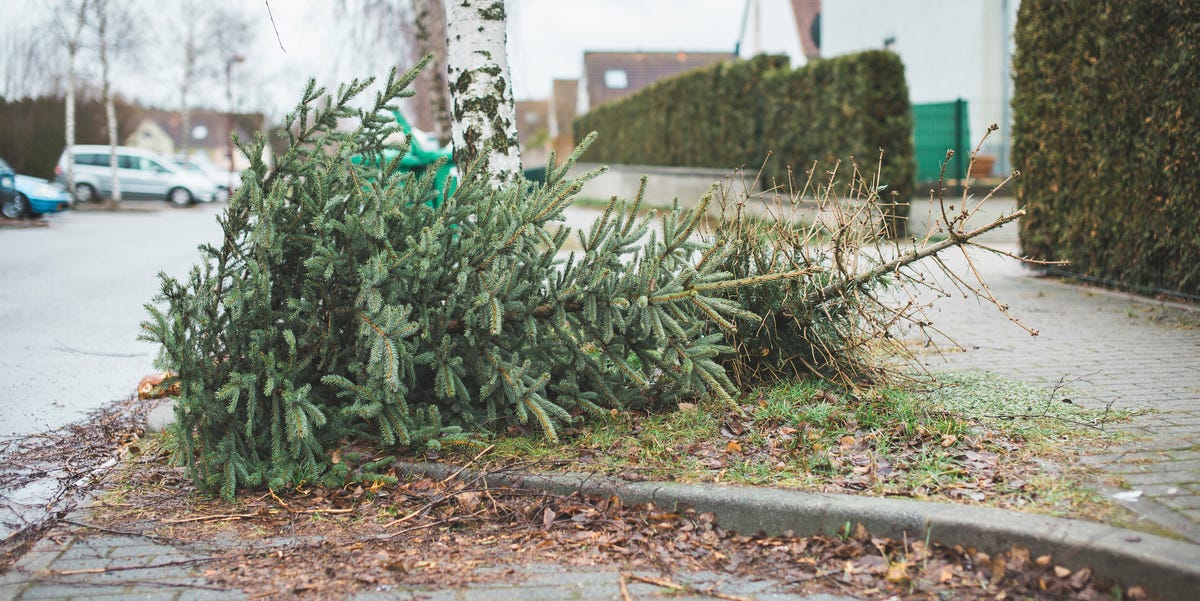
When the ornaments come off and the living room suddenly looks emotionally unavailable, most Christmas trees face the same sad destiny: the curb. But a real tree still has plenty of useful life left after the holiday sparkle fades. In fact, that slightly scruffy evergreen can become mulch, winter plant protection, backyard bird shelter, rustic decor, compost material, or the starting point for a whole lot of clever low-waste projects.
So before you drag that tree outside like it personally ruined your electric bill, pause for a minute. A real Christmas tree is not just holiday decor. It is organic material, habitat, texture, scent, and structure. Translation: it still has range. And with a little creativity, you can turn a post-holiday mess into something practical, beautiful, and surprisingly satisfying.
This guide walks through the smartest ways to reuse a real Christmas tree, what to avoid, and how to choose the best option for your space, your skills, and your level of willingness to sweep pine needles one more time. The goal is simple: waste less, make more, and let your tree earn one final round of applause before it fully retires.
Why Your Real Christmas Tree Deserves an Encore
A real Christmas tree is biodegradable, which already puts it in a better position than most seasonal clutter. Once the lights and tinsel are gone, what remains is useful natural material that can help insulate plants, support wildlife, improve compost, or add rustic charm to winter decor. Many local communities even collect trees specifically to turn them into mulch for parks, landscapes, and public spaces.
That matters because tossing a whole tree into the trash is basically the least imaginative ending possible. And for something that spent weeks being the glamorous center of your home, that feels rude. More importantly, reusing your tree can reduce waste, stretch the value of what you already bought, and give you a practical winter project that costs almost nothing.
There is also something oddly rewarding about seeing a Christmas tree keep working after Christmas. Instead of becoming one more thing you consumed and discarded, it becomes part of the season after the season. That shift may sound small, but it changes the whole mood. Suddenly, cleanup feels less like defeat and more like a creative handoff.
Before You Start, Do These Three Things First
1. Remove every non-natural decoration
Take off the lights, hooks, ribbon, tinsel, ornament hangers, garland, fake snow, and any wire or plastic. This step is not optional. If you plan to compost, mulch, recycle, or use the tree for birds and wildlife, the tree needs to be completely stripped down to its natural parts.
2. Confirm whether your tree is real, flocked, or treated
These second-life ideas are meant for real trees. If your tree is flocked or heavily sprayed, some local recycling programs may not accept it, and it is not a great candidate for wildlife or garden reuse either. A plain, untreated real tree is the gold standard here.
3. Act before the tree becomes a fire hazard
Once a Christmas tree dries out, it moves from “cozy holiday icon” to “please do not look at it near a heat source.” Do not leave it indoors for too long, and do not burn it in a fireplace or wood stove. Dry evergreen material can flare fast, throw sparks, and contribute to creosote buildup. In other words: festive? No. Dangerous? Very.
8 Smart Things to Make or Do With Your Old Christmas Tree
Turn the Branches Into a Winter Mulch Blanket
One of the easiest and most useful ways to reuse a Christmas tree is to cut or snap off the branches and lay them over perennial beds, bulbs, roses, or tender garden spots. Evergreen boughs act like a loose protective blanket, helping regulate soil temperature and reduce winter heaving. They can also help shield shallow roots from harsh wind and repeated freeze-thaw drama.
This works especially well in flower beds that look bare and vulnerable in January. Suddenly, your retired tree becomes a practical garden helper instead of a guilt trip on the sidewalk. The look is rustic, the effort is low, and your plants get a little extra winter backup.
Create a Backyard Bird Hotel and Snack Bar
If you have a yard, your old tree can become a temporary refuge for birds. Set it upright in a sheltered outdoor spot, secure it so it will not tip, and let the branches provide cover from wind and predators. Then add simple natural treats like orange slices, seed ornaments, or a bit of suet. Congratulations: your tree is now a seasonal wildlife lounge.
This is one of the most charming ways to reuse a Christmas tree because it turns post-holiday cleanup into something lively and visible. You are not just “disposing” of a tree. You are turning it into a tiny winter ecosystem. And on gray days, watching birds move in and out of those branches can feel like the house still has a little holiday magic left.
Use Small Branches for Winter Porch Pots, Swags, and Wreaths
Not every part of the tree has to go straight outside in one giant piece. Snipped evergreen branches can be tucked into porch planters, woven into a simple winter swag, or added to a bare wreath base for a fresh, natural look. The nice thing about this approach is that it extends your decor beyond Christmas without screaming “I forgot to redecorate.”
Keep it simple. Strip away the red bows and glittery extras, and let the greenery do the work. Evergreen branches look perfectly at home in January and February when paired with neutral ribbon, pinecones, dried orange slices, or plain twine. The result feels woodsy, calm, and seasonal rather than overly holiday-specific.
Chip It Into Mulch or Compost the Smaller Pieces
If you already have access to community tree recycling, this may be the smartest choice of all. Many towns chip old Christmas trees into mulch for parks, pathways, and landscaping. If your area offers a collection or drop-off program, take advantage of it. That is the easiest way to give your tree a useful second life without turning your weekend into a forestry experiment.
At home, smaller branches and needles can also work well in compost systems when balanced with other materials. The texture is helpful, the organic matter is useful, and it is a good reminder that even holiday leftovers can go back into the natural cycle. Just do not expect a whole trunk to politely disappear overnight. Compost is many things, but it is not a magic trick.
Build a Rustic Garden Edge or Seasonal Path Accent
Evergreen boughs can also be laid along garden borders, around dormant beds, or beside a winter path for a soft, natural edge. This is less about strict landscaping precision and more about texture. In cold months, when the yard can look flat and tired, those green branches bring shape and visual interest back into the picture.
This idea works especially well if your outdoor space leans cottage, woodland, or casual garden rather than perfectly clipped and formal. Think of it as winter styling with materials you already own. Fancy? Not exactly. Effective and surprisingly beautiful? Absolutely.
Use the Trunk for Simple Rustic Decor
The trunk is the part people forget, which is a shame because it has a lot of craft potential. With adult help and proper tools, trunk slices can become rustic coasters, little display risers, gift tags, ornaments, or miniature signs. Sand them smooth, keep them plain, or decorate them with paint, woodburned designs, names, or dates.
Even if you are not a major crafter, these pieces can be charming in a low-key way. They work for winter tablescapes, handmade gifts, or holiday memory boxes for next year. And because they come from your actual tree, they carry a little story with them. Store-bought decor cannot compete with that. It is cute, sentimental, and just smug enough to feel satisfying.
Donate It to a Community Recycling or Habitat Program
If you do not want to DIY the whole thing, that is fine. Your tree can still be useful. Many communities run Christmas tree recycling programs, and some conservation groups or local organizations use collected trees for erosion control, mulching, or approved wildlife habitat projects. In some areas, trees may be used in suitable ponds or restoration efforts, but that should always happen through authorized channels and with permission.
This is the best option for people who love sustainable ideas in theory but do not want to spend Saturday morning transforming a pine trunk into artisanal coasters. No shame. Sometimes the most responsible choice is simply getting the tree where it can be processed correctly.
Choose a Tree Next Year That Can Keep Living
If this topic makes you realize you want an even lower-waste holiday next time, plan ahead. A potted or balled-and-burlapped tree may be planted after the season, depending on your climate and the species. Some nurseries also offer rented live trees that go back to continue growing once the holidays are over.
This option takes more planning, more care, and a little more commitment, but it can be incredibly satisfying. Instead of saying goodbye to your tree after one season, you turn it into part of your landscape story. That is a pretty decent upgrade from “shoved to the curb on trash day.”
What Not to Do With an Old Christmas Tree
Do not burn it indoors
This is the big one. Burning an old Christmas tree in a fireplace or wood stove is a bad idea. Dry needles can ignite fast, sparks can fly, and the oils and resins in evergreen wood can create chimney problems. Your tree may have looked lovely next to the fireplace in December, but that does not mean it belongs inside it in January.
Do not dump it in random woods, fields, or waterways
A tree is natural, but that does not mean every place is the right place for it. Random dumping can create mess, block drainage, damage habitat, or violate local rules. “I thought nature would want it” is not a legal strategy.
Do not leave it attached to decorations “because it is mostly clean”
Mostly clean is not clean. One strand of tinsel is still plastic. One metal ornament hook is still metal. If your tree is headed outdoors for reuse, strip it completely.
How to Choose the Best Reuse Option for Your Home
The best way to reuse a Christmas tree depends on what you actually have: a yard, a porch, a compost setup, a local collection program, or just a desire not to waste a perfectly good trunk. If you want the easiest solution, use curbside recycling or a city drop-off program. If you want the most charming solution, make a bird shelter. If you want the most decorative solution, save the branches for winter planters and the trunk for simple rustic pieces.
And if you want the best mix of effort and reward, do more than one thing. Use a few branches over your perennials, tuck a handful into an outdoor container, and send the rest to a municipal mulch program. You do not need to squeeze every molecule of usefulness out of the tree to make a meaningful difference. This is not a final exam in evergreen optimization.
The Real Joy of Making Something Instead
There is a practical reason not to toss a Christmas tree, and then there is the deeper reason: it feels better to transform something than to discard it. The season already moves fast. One moment the tree is the star of the room; the next it is shedding on the rug like a fading celebrity. Reusing it gives the whole holiday cycle a more thoughtful ending.
Instead of seeing cleanup as the dull part, you start seeing it as part of the tradition. The tree shelters birds. The branches protect the garden. The trunk becomes a keepsake. The leftovers feed the compost. And suddenly your Christmas decor has a second chapter, which is more than most decorations can say.
So no, do not toss that X-Mas tree just yet. Make something instead. Make mulch. Make habitat. Make winter decor. Make a porch display. Make a few rustic keepsakes. Make less waste. Make better use of what you already brought home. Your tree already did the job of looking festive. Now let it do the job of being useful, too.
Experience: What It Feels Like to Give a Christmas Tree a Second Life
One of the most surprising things about reusing a Christmas tree is how different the post-holiday mood feels. Usually, taking down decorations comes with a tiny emotional crash. The lights are gone, the room looks bigger in a rude way, and the tree that once looked majestic now looks like it stayed up too late at a New Year’s party. But when that tree becomes part of a project instead of part of the trash, the whole experience changes. Cleanup starts to feel useful instead of gloomy.
A lot of people notice this first when they move the tree outside and turn it into a bird shelter. The house may feel less festive, but the yard suddenly feels more alive. Birds start landing in the branches, the green shape still catches your eye from the window, and the tree keeps doing something beautiful even after the ornaments are gone. It is a weirdly comforting transition. The holiday does not end all at once. It just shifts form.
There is also something deeply satisfying about using the branches in the garden. Beds that looked empty and tired suddenly get a little texture and purpose. Porch pots that seemed finished in December still look attractive in January with a few evergreen clippings tucked in. Even a simple swag on the front door can make the house feel warm without looking overly “Christmas.” It becomes winter decor instead of holiday decor, and that distinction matters more than people think.
The craft side can be just as meaningful. Saving part of the trunk for simple rustic pieces gives the tree a memory function. A slice can become an ornament for next year, a coaster, a gift tag, or a little keepsake with the year written on it. That kind of object tends to outlast trendier decorations because it has a story attached. It came from your tree, from your home, from that specific season. It is less about perfection and more about connection.
Another common experience is that reusing the tree makes people more aware of future holiday choices. Once you have mulched, composted, or repurposed a real tree, you start shopping differently the next year. You think about whether the tree is untreated, whether your town offers recycling, whether you want a potted version, or whether you can plan for a living tree that stays in your landscape. A small reuse project often turns into a bigger mindset shift, and that is where the real value shows up.
Maybe the best part is that none of this has to be fancy. You do not need a perfect homestead, a giant garden, or a workshop full of tools. Even one reused branch in a planter or one bird-friendly setup in the yard is enough to make the tree feel appreciated instead of discarded. That simple act carries a quiet kind of satisfaction. The tree gave your home beauty for a season, and in return, you let it remain useful a little longer. That is a pretty good deal, and honestly, a much nicer ending than the curb.