

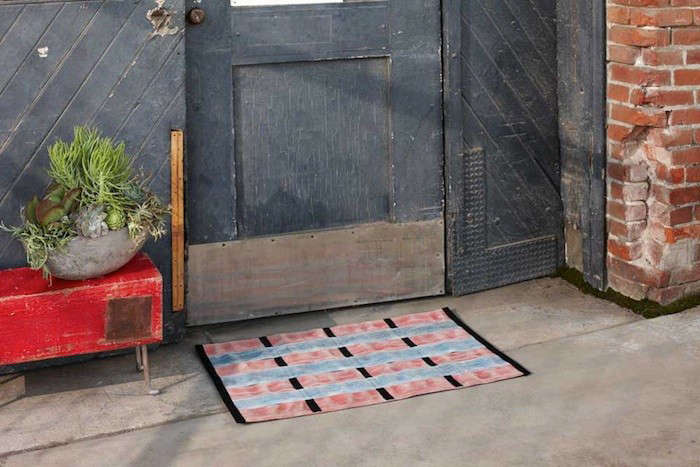
Some home products whisper, “I’m practical.” Others shout, “I have a backstory.” Door mats made from recycled fire hoses do both at once. They sit at your threshold looking rugged, slightly rebellious, and weirdly stylish, as if a utility object wandered into a design showroom and decided to stay. The idea is simple but clever: take decommissioned fire hose that can no longer be used in emergency service, clean it, cut it, stitch or bind it, and turn it into a mat tough enough to handle muddy shoes, wet paws, and the endless parade of daily life.
It is also the kind of product that checks several modern boxes without trying too hard. It speaks to sustainability, but not in a preachy “I compost my cereal box tears” kind of way. It offers durability, texture, and a genuine sense of character. And because retired hose often keeps its original markings, color differences, and work-worn surface, no two mats look exactly alike. In a world full of mass-produced beige rectangles, that is a small thrill.
Below, we take a closer look at what makes these mats special, why they appeal to eco-minded shoppers and design nerds alike, what to know before buying one, and what it is actually like to live with a door mat that once had a much more dramatic job description.
What Are Door Mats Made from Recycled Fire Hoses?
At the most basic level, these mats are exactly what they sound like: entry mats or small rugs made from retired fire hose. In many cases, the hose comes from U.S. fire departments after it has been taken out of service. Once the material is no longer fit for firefighting, some makers salvage it rather than letting it head straight for disposal. From there, it is cleaned, cut into sections, arranged into panels or slats, and finished into mats meant for mudrooms, porches, entryways, studios, workshops, or even offices.
That origin story matters. Fire hose is built for hard use. It is designed to handle water, abrasion, weather, dragging, rolling, and general abuse that would send ordinary fabric into an early retirement. When that same material becomes a doormat, it brings a toughness that most decorative mats can only dream about. A coir mat may shed. A cheap synthetic mat may curl at the corners and start looking tired after one rainy season. A recycled fire-hose mat tends to arrive with a “go ahead, try me” attitude.
Why the Idea Resonates Right Now
Part of the appeal is purely visual. The texture is raw and industrial, but not in a cold way. It has the kind of honest wear that designers love because it cannot be faked well. A scuff here, a faded stencil there, a little variation in weave or color: these details make the mat feel real. It looks used because, in a past life, it was.
But the bigger reason this product resonates is that it fits neatly into the broader conversation about reuse and material waste. Americans throw away a tremendous amount of textile-related material, and reuse is widely considered better than simply disposing of functional material before its useful life is truly over. Turning retired fire hose into a home product is not going to single-handedly save the planet, of course. Your doormat is not the Chosen One. Still, it represents a practical example of giving an extremely durable material a second life instead of treating it like trash.
It also helps that the story is memorable. People understand the concept immediately. “Wait, this used to be a fire hose?” is the kind of sentence guests enjoy saying. It is a conversation starter, but a useful one. That is a rare category.
What Makes These Mats Different from Ordinary Doormats?
1. They are built from serious material
Most doormats are designed for basic foot traffic. Recycled fire-hose mats begin with material made for extreme conditions. That does not mean every single one is indestructible, but it does mean the starting point is unusually strong. For high-traffic homes, dog-owning households, muddy back doors, and utility-heavy entryways, that toughness is a real advantage.
2. No two look exactly the same
This is one of the biggest aesthetic benefits. Makers often preserve the hose’s natural wear, department markings, color shifts, and surface imperfections. That means your mat may show faint lettering, subtle striping, repaired sections, or signs of previous service. In a market crowded with perfectly identical products, individuality feels refreshing.
3. They often blur the line between utility and decor
A lot of doormats do one thing well: they sit there. Recycled fire-hose mats can actually add personality to a space. They work especially well in homes that lean modern, industrial, rustic, workshop-inspired, coastal, or utilitarian. They are functional enough for a back door and visually interesting enough for a front entry.
4. They tend to be easy to clean
Many makers describe these mats as hose-down friendly, machine washable, or suitable for pressure washing, depending on construction. That is not glamorous, but it is glorious. A mat that can face mud, slush, and dog footprints without requiring an emotional support vacuum is a beautiful thing.
How Recycled Fire-Hose Mats Are Typically Made
The process varies by maker, but the best examples share a few common steps. First, retired hose is sourced from departments or surplus channels. Then it is cleaned thoroughly. Some makers specifically discuss decontamination as part of the process, which is an important detail because fire gear and hose do not come from a particularly delicate environment. After cleaning, the hose is cut and shaped, then stitched, trimmed, or bound into a finished mat.
Some mats use a slatted layout, where strips are placed side by side so debris can fall through. Others are sewn into flat, rug-like panels. Some keep the original rounded or flattened form of the hose more visibly. Construction details matter here: binding, edging, backing, thickness, flexibility, and drainage all affect how the mat performs in real life.
There is also variation in feel. Some retired hose is softer and more flexible, while some is noticeably stiffer. That can depend on the type of hose used. For shoppers, this is less a flaw than a reminder that recycled materials are not identical. Uniform perfection is not really the point.
The Benefits of Choosing One
Durability that makes sense
If you want a mat that is mostly decorative, there are cheaper options everywhere. But if you want a mat that can handle actual life, with all its wet boots and impatient dogs and grocery-bag chaos, a recycled fire-hose mat starts making a lot of sense. This is especially true for side entries, mudrooms, garage doors, porches, and workspaces.
A sustainability story with substance
Plenty of “eco” products feel vague. This one is easy to understand. An existing material gets reused in a way that takes advantage of its original strength. That is a much more satisfying story than slapping the word green on a product and hoping nobody asks follow-up questions.
Character you cannot mass-produce
The scuffs, faded numbers, department stamps, and visible wear are not defects. They are the charm. These mats have a lived-in authenticity that brand-new faux-vintage products usually fail to imitate. They do not pretend to have history. They actually do.
Made-for-America appeal
Many examples in this niche are handcrafted or hand-finished in the United States, often with a strong regional identity. That gives the category extra appeal for shoppers who care about small-batch production, domestic craftsmanship, or gifts with a genuine story behind them.
The Drawbacks You Should Know About
No good product analysis is complete without a little honesty, so here it is: recycled fire-hose mats are not for everyone.
They can cost more
Because the material is salvaged, cleaned, sorted, and often handmade into finished pieces, these mats usually cost more than a basic store-brand doormat. You are paying for labor, sourcing, originality, and durability, not just square footage.
They are not plush
If you want something soft under bare feet, this is probably not your soul mate. These mats tend to be firm, rugged, and more functional than cozy. They are a “wipe your boots here” product, not a “sink your toes into a cloud” product.
Weight and stiffness vary
Some versions are more flexible than others. Some lie perfectly flat right away, while others may need a little settling. If you want a featherweight mat you can flick around with one toe, recycled fire hose may feel a little more serious than you expected.
Not every version is ideal for every doorway
Some are best outdoors, some work beautifully in covered entries, and some feel more like indoor utility mats. Always check thickness, backing, drainage, and whether the style is meant for full weather exposure. A front porch in Arizona and a snow-soaked mudroom in Vermont do not ask the same things from a doormat.
How to Choose the Right Recycled Fire-Hose Mat
Look at construction, not just the story
The origin is cool, but the build quality is what determines whether you will love it in six months. Check the edging, seams, stitch quality, and whether the mat has a backing or open slats. Ask yourself: where will grit go, where will water go, and will this stay put?
Think about your entryway habits
Do you need heavy scraping power for muddy boots? Easy rinse-off cleaning? A mat that handles rain? A piece that looks stylish in a covered front entry? Let function lead the romance. It is still okay to enjoy the romance.
Pay attention to size
Some popular versions in the market are around 2-by-3 feet, which works well for a standard entry, but larger sizes exist too. If you have double doors, a wide porch, or a high-traffic mudroom, going larger can make a big difference in daily usefulness.
Expect variation
Do not buy recycled material and then get upset that it looks recycled. Variation in color, markings, surface wear, and stiffness is part of the appeal. If you want laboratory-level sameness, this category is probably not your best fit.
Design and Styling Ideas
One of the nicest surprises about these mats is how flexible they are visually. They can look industrial in a downtown loft, outdoorsy in a mountain cabin, clean-lined in a modern entry, or charmingly rugged in a farmhouse mudroom. The color palette often helps: muted khakis, weathered reds, charcoal tones, industrial yellows, or faded blues all play well with wood, concrete, black metal, brick, and neutral paint.
Try one under a slim bench in a mudroom. Use one at a workshop entrance where you want something durable but less boring than a rubber slab. Pair one with galvanized planters and matte black hardware on a porch. Or let it toughen up a polished entryway that needs a little texture and less “showroom pretending nobody lives here.”
They also make memorable gifts. For firefighters, firehouse supporters, practical design fans, or that one friend who gets suspiciously excited about well-made bags, boots, and cast-iron pans, a recycled fire-hose mat lands in the sweet spot between thoughtful and unusual.
Specific Real-World Examples in the Market
The U.S. market for these mats is small but interesting. Bay Area brand Oxgut helped bring recycled fire-hose home goods into design conversations, especially with mats and rugs that preserve the material’s rugged history. Other makers and retailers have emphasized details such as department stamps, authenticity tags, weather resistance, easy cleaning, and one-of-a-kind markings. In other words, there is a real pattern in how the category is presented: toughness, story, and visible material character are the stars of the show.
Some brands lean more design-forward, aiming for elevated indoor-outdoor appeal. Others emphasize a more straightforward utility angle, presenting fire-hose rugs as washable, durable, patriotic, or giftable. That range is good news for shoppers. It means you can find options that feel sculptural and refined, or ones that proudly look like they came straight from a beautifully organized station garage.
Extended Experience: Living With a Door Mat Made from Recycled Fire Hoses
Living with a recycled fire-hose door mat is a little different from living with a standard doormat, and that difference shows up right away. The first thing you notice is the feel. It does not feel flimsy or fuzzy or disposable. It feels substantial. You set it down and immediately get the sense that this object has already survived a more dramatic career than most things in your hallway. It is not trying to be precious. That is part of its charm.
Over the first week, the biggest surprise is how often people comment on it. Guests do not usually compliment a doormat unless it says something aggressively cheerful like HELLO THERE, SUNSHINE. But a mat made from recycled fire hose gets attention because it looks different. The texture catches the eye. The markings look intriguing. Someone always asks what it is made from, and then someone else bends down for a closer look like they are inspecting a minor museum artifact by the front door.
In day-to-day use, the experience is practical in a satisfying way. Wet sneakers, dirty boots, grocery runs in the rain, the dog coming back from the yard with suspiciously energetic paws: this is where the mat earns its keep. It does not feel delicate, so you actually use it instead of treating it like decor you are afraid to disturb. Mud brushes off. Grit does not seem to bother it. If the mat has small gaps or slats, bits of debris fall away rather than sitting on the surface staging a long-term occupation.
There is also a psychological benefit that is hard to quantify but easy to appreciate. A lot of home products require babysitting. They stain easily, bend easily, fade quickly, or start to look shabby after one bad season. A recycled fire-hose mat gives off the opposite energy. It invites use. It practically dares bad weather to try something. That confidence makes an entryway feel more relaxed and more lived-in.
That said, the experience is not all romance and heroic backstory. If you are used to a soft coir or cushioned textile mat, this category may feel more rugged underfoot. It is not unpleasant, but it is definitely firmer. Depending on the hose type and construction, one version may feel more flexible while another feels almost architectural. Some people will love that. Others will decide their front porch needs less “utility chic” and more softness.
Cleaning is one of the best parts. Instead of babying the thing with a handheld vacuum and a sigh, you can usually shake it out, rinse it down, or give it a more serious wash depending on the maker’s instructions. That is when the product’s origin makes perfect sense. The material was never meant for a fragile life. It appreciates straightforward treatment.
After a month or two, the mat tends to settle into the home in an oddly natural way. It stops feeling like a novelty and starts feeling like the obvious choice for that spot. It belongs near boots, umbrellas, keys, leashes, and all the messy little rituals of entering and leaving home. And every so often, when you glance down and catch an old stencil mark or a patch of weathered color, you remember that this object had a whole life before yours. That is a rare pleasure for something as humble as a doormat.
Final Thoughts
Door mats made from recycled fire hoses are more than a clever upcycling project. At their best, they are a smart meeting point between sustainability, craftsmanship, and everyday usefulness. They offer serious durability, real material history, and a look that stands out without resorting to gimmicks. They are not the cheapest option, the softest option, or the most conventional option. That is exactly why people love them.
If your idea of a great home product is something that works hard, looks distinctive, and carries a story worth telling, this niche is worth your attention. A recycled fire-hose mat does not just greet people at the door. It says something about the home behind it: practical, thoughtful, maybe a little design-savvy, and not afraid of materials that have actually done something interesting before ending up under your boots.