

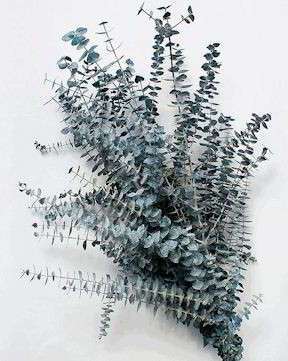
Some decor trends arrive with jazz hands. Others stroll in quietly, looking expensive without trying too hard. Preserved eucalyptus branches – blue belong in the second category. They bring a cool-toned, sculptural look that feels airy, modern, and a little bit dreamylike your living room suddenly learned how to speak fluent design.
Blue preserved eucalyptus has become a favorite in homes, weddings, retail displays, and event styling because it checks several boxes at once. It looks natural, lasts far longer than fresh greenery, works across seasons, and adds movement without visual chaos. It is the decor equivalent of a guest who is attractive, helpful, and never overstays.
If you are considering blue preserved eucalyptus for a vase arrangement, mantel display, entry table, wedding arch, or shelf styling, this guide will walk you through what it is, why people love it, how to use it, how to care for it, and how to buy the right stems without ending up with a sad bunch of crunchy disappointment.
What Are Preserved Eucalyptus Branches – Blue?
Preserved eucalyptus branches are real eucalyptus stems that have been treated so they keep much of their shape, flexibility, and color long after harvest. Unlike fresh branches, they are not meant to live in water. Unlike artificial greenery, they are still real plant material, which is why they often have more natural texture, subtle color variation, and a slightly organic bend that faux stems struggle to imitate.
The word blue can describe a few different looks. In some cases, it refers to naturally cool, silvery, blue-green eucalyptus varieties such as baby blue or silver dollar types. In other cases, it refers to preserved branches that are enhanced or dyed to hold a stronger steel-blue, dusty blue, or federal blue tone for decorative impact. Either way, the result is a branch with soft, muted color that plays beautifully with white ceramics, warm wood, stone, brass, linen, and seasonal florals.
This is one reason blue eucalyptus decor feels so versatile. It can look coastal, modern farmhouse, minimalist, rustic, romantic, or editorial depending on what you pair it with. That is a rare talent for a branch.
Why Blue Preserved Eucalyptus Is So Popular
1. It delivers color without shouting
Blue preserved eucalyptus sits in that sweet spot between green and gray. It adds color, but it behaves like a neutral. That makes it easy to style with cream, taupe, charcoal, blush, terracotta, black, gold, and natural wood. If bright decor feels like too much caffeine, this greenery offers a calmer mood.
2. It has movement and structure
The branching pattern of eucalyptus gives arrangements a natural shape. Even a few stems in a tall vase can look intentional. The leaves tend to cascade or fan out in a way that softens hard corners and makes a space feel less flat.
3. It lasts much longer than fresh greenery
Fresh eucalyptus can look lovely for a short stretch, but preserved eucalyptus stems are designed for long-term display. That makes them a practical option for people who want the look of real botanicals without weekly replacements, constant trimming, or the guilt of watching another bouquet surrender by Thursday.
4. It works year-round
Some greenery screams one season. Blue eucalyptus does not. It looks crisp in spring, airy in summer, layered in fall, and elegant in winter. Use it with peonies in May, amber glass in October, or candles and evergreens in December. It adapts like a seasoned stylist.
How Preserved Eucalyptus Differs from Fresh, Dried, and Faux
When shopping, people often lump everything leafy into one bucket. That is understandable, but not especially helpful. Here is the practical difference:
Fresh eucalyptus
Fresh stems are living cut branches. They may smell stronger at first and can be placed in water. They have a shorter display life and gradually dry out, curl, or shed.
Dried eucalyptus
Dried eucalyptus arrangement stems are air-dried or dehydrated. They can look beautiful, but they are usually more brittle than preserved stems and may shed more easily over time.
Preserved eucalyptus
Preserved eucalyptus branches – blue are real stems treated to maintain softness, shape, and color. High-quality preserved foliage usually feels less fragile than fully dried material and keeps a more polished look for longer.
Artificial eucalyptus
Faux eucalyptus is man-made. It can be extremely durable and useful in tricky locations, but it usually lacks the subtle variation, real-leaf texture, and honest imperfection that make preserved botanicals feel special.
If your goal is “real, but lower maintenance,” preserved eucalyptus is often the sweet spot.
Best Ways to Style Preserved Eucalyptus Branches – Blue
In a tall vase
This is the easiest win. Place several stems in a ceramic, glass, or stone vase and let the branches do the work. Tall floor vases suit longer stems in an entryway, while medium vases work beautifully on a dining table, sideboard, or open shelf.
Mixed with dried flowers
Blue eucalyptus pairs well with preserved hydrangea, dried lavender, bunny tails, bleached ruscus, thistle, palm spears, and neutral grasses. The cool foliage helps brighter or warmer blooms look more refined.
Wedding and event design
Baby blue eucalyptus is popular in bouquets, table runners, ceremony arches, and aisle markers because it adds fullness without overpowering focal flowers. Blue-toned preserved stems are also useful when designers want consistency across installations that need to look fresh for more than one day.
Mantels and console tables
Lay a loose cluster horizontally across a mantel with candles and books, or style a low arrangement on a console with framed art and pottery. The dusty blue-green tone keeps the look elegant rather than fussy.
Seasonal layering
In spring, pair preserved eucalyptus stems with white florals and pale wood. In summer, combine them with linen, shells, or woven textures. In fall, add copper, rust, dried wheat, or amber glass. In winter, blend them with cedar, pinecones, ribbon, and candlelight for a cooler, modern holiday look.
How to Choose High-Quality Blue Preserved Eucalyptus
Not all preserved branches deserve your money. Some are soft, full, and beautifully toned. Others look like they lost an argument with a hair dryer. When buying, pay attention to these factors:
Stem length
Longer stems are better for statement vases, oversized arrangements, and event work. Shorter stems suit compact arrangements and shelf styling. Always check measurements before buying so your “dramatic centerpiece” does not arrive looking like a garnish.
Leaf fullness
Good branches should look balanced and reasonably full, with branching that creates shape. Sparse stems can still work in minimal styling, but they should look intentionally airy, not accidentally underdressed.
Color quality
The best blue preserved eucalyptus has dimension. Look for soft tonal variation rather than a flat, overly saturated color. Beautiful stems often read as blue-green, dusty blue, silver-blue, or muted slate rather than cartoon blue.
Flexibility
Preserved foliage should not feel wet, but it also should not crumble at a glance. A little flexibility is usually a sign of better preservation.
Use case
Some stems are ideal for home decor, while others are packed for wholesale event work. If you are decorating a small apartment, a giant bulk case might be excessive unless you also moonlight as a florist.
Care Tips for Preserved Eucalyptus Branches
One of the biggest benefits of preserved eucalyptus stems is that care is simple. The trick is to remember that “low maintenance” does not mean “invincible.”
Do not put them in water
Preserved branches belong in a dry vase. Water can damage the finish, affect the preservation treatment, and shorten their decorative life.
Avoid high humidity
Bathrooms, covered patios, and very humid rooms are not always ideal. Too much moisture can encourage bleeding, warping, stickiness, or mildew in preserved botanicals.
Keep them out of harsh direct sunlight
Bright, direct sun can fade color over time. Soft indirect light is usually better if you want the blue tone to stay looking rich and elegant.
Handle gently
Real preserved leaves can still shed or bruise if they are constantly bumped. Style them once, then let them live their best quiet life.
Dust lightly
Use a feather duster, soft cloth, or gentle air puff. Do not scrub them like you are cleaning a frying pan. These are branches, not cookware.
Where Blue Preserved Eucalyptus Works Best in the Home
The beauty of preserved greenery is that it fills visual gaps. Use it anywhere a room needs height, texture, or softness.
- Entryway: A tall vase of preserved eucalyptus creates a polished first impression.
- Living room: Style it on a coffee table, shelf, mantel, or side table for a natural accent.
- Bedroom: Blue tones feel restful and pair well with neutral bedding.
- Dining room: A loose arrangement can add shape without blocking conversation.
- Office: It gives a clean, elevated look without the maintenance of a live plant.
Things to Keep in Mind Before You Buy
Because eucalyptus contains aromatic oils, preserved or fresh eucalyptus products should be kept away from pets and children who may chew on leaves or stems. The same goes for any concentrated eucalyptus oil products used around the home. Blue preserved eucalyptus is meant for display, not for snacking, tea experiments, or mystery craft chemistry.
It is also smart to remember that each bunch may vary slightly. Since preserved eucalyptus is real plant material, one batch may be fuller, darker, curlier, or a touch moodier than another. That variation is part of the appeal. If you want identical perfection, artificial stems may be a better fit. If you like natural character, preserved is where the magic lives.
Why This Look Keeps Winning
Preserved eucalyptus branches – blue continue to stand out because they bring together what many people want from decor right now: natural texture, muted color, long-lasting beauty, and flexible styling. They feel organic without being messy, elegant without being stiff, and current without chasing trends too hard.
That makes them ideal for people who want decor with personality but not clutter, style but not stress, and beauty without a weekly flower budget that starts to look suspiciously like a small car payment.
Experiences with Preserved Eucalyptus Branches – Blue
The most interesting thing about using blue preserved eucalyptus in real spaces is how quickly it changes the mood of a room without making a scene. People often expect a branch to behave like background filler, but these stems tend to become quiet scene-stealers. Set a bunch in a tall matte vase near a window, and suddenly the room looks styled, even if everything else is just your regular life doing its best.
One common experience is surprise at the color. Buyers often imagine “blue” will look overly artificial, but high-quality preserved eucalyptus usually reads as soft and smoky rather than bright. In person, it tends to land somewhere between silver-green, slate, and dusty blue. That makes it easier to decorate with than many people expect. It does not fight with wall color, wood tones, or seasonal accents. It just slips into the room and starts earning compliments.
Another frequent experience is discovering how useful the stems are for fixing awkward spaces. A blank corner, an empty tabletop, a shelf that feels flat, or a console that looks unfinished can all benefit from a few branches with height and movement. Blue preserved eucalyptus is especially good at making sparse styling look intentional. Even when the rest of the setup is simplea vase, a stack of books, a candleit can create that “someone here understands proportion” effect.
For event designers and hosts, the practical appeal becomes obvious fast. Fresh greenery can be beautiful, but it also comes with timing issues, hydration concerns, and the occasional last-minute panic. Preserved stems offer more predictability. They are easier to test in mock-ups, easier to store, and easier to reuse in some cases. That alone makes them attractive for weddings, dinner parties, photo shoots, and seasonal installs where consistency matters.
Homeowners also tend to appreciate that the branches age more gracefully than many trendy decor pieces. A neon acrylic object may have a short, dramatic season. Blue preserved eucalyptus is quieter and more adaptable. It can look modern with black accents, soft with linen and ceramics, or rustic with old wood and woven baskets. Because the tone is muted, people find themselves moving it from room to room and using it longer than expected.
There is, however, a learning curve. Many first-time buyers treat preserved greenery like fresh greenery and instinctively want to add water. That is a mistake. Once people understand that these stems need a dry vase, low humidity, and gentle handling, the experience improves a lot. Another lesson is placement: direct afternoon sun can dull the color over time, while a calmer spot lets the foliage keep its charm much longer.
Perhaps the most memorable part of the experience is how tactile and real preserved eucalyptus feels compared with faux alternatives. The leaves are not perfect, and that is exactly the point. They curve differently, catch light unevenly, and create depth in a way that helps a space feel lived-in rather than staged. In a world full of shiny things trying very hard, blue preserved eucalyptus feels refreshingly relaxed. It does not need applause. It already knows it looks good.
Conclusion
If you want greenery that feels refined, flexible, and easy to live with, preserved eucalyptus branches – blue are a smart choice. They bring the authenticity of real foliage, the endurance of preserved botanicals, and the cool-toned elegance that works across interior styles and seasons. Whether you are styling one vase or an entire event, they offer that rare mix of beauty and practicalityand they do it without demanding much in return.