

Deep vein thrombosis prophylaxis, often shortened to DVT prophylaxis, is the set of steps used to reduce the risk of dangerous blood clots forming in deep veins, usually in the legs. It may sound like something whispered in a hospital hallway by people carrying clipboards, but the idea is refreshingly practical: keep blood moving, reduce clotting risk when needed, and catch warning signs early.
DVT matters because a clot in a deep vein can become more than a leg problem. If part of the clot breaks loose, it can travel to the lungs and cause a pulmonary embolism, a medical emergency. The good news is that many blood clots are preventable, especially in high-risk situations such as surgery, hospitalization, long travel, pregnancy, cancer treatment, serious illness, or long periods of immobility.
This guide explains what DVT prophylaxis means, who may need it, which preventive measures are commonly used, and how everyday habits can help. Think of it as a circulation-friendly roadmap, minus the scary medical fog.
What is DVT prophylaxis?
DVT prophylaxis means prevention of deep vein thrombosis before a clot forms. It can include simple movement strategies, mechanical devices, compression stockings, and prescription anticoagulant medications. The best plan depends on a person’s clot risk, bleeding risk, medical history, current illness, and the situation that triggered concern.
In hospitals, DVT prevention is often part of routine safety care. A patient admitted for major surgery, severe infection, stroke, trauma, heart failure, or limited mobility may be assessed for venous thromboembolism risk. Venous thromboembolism, or VTE, is the umbrella term that includes both DVT and pulmonary embolism.
Outside the hospital, DVT prophylaxis may matter during long-distance travel, after certain orthopedic procedures, during pregnancy or postpartum recovery, or for people with previous clots or clotting disorders. The key is not to treat everyone the same. A healthy person taking a two-hour flight usually does not need the same plan as someone recovering from hip replacement surgery.
Why blood clots form
Blood clots are not villains by default. They are the reason a paper cut does not become a dramatic mini-fountain. Trouble starts when clotting happens in the wrong place, especially inside a deep vein where blood flow is slow.
Doctors often think about clot risk using three broad ideas: slow blood flow, injury to a blood vessel, and blood that is more likely to clot. These can show up in real life as bed rest, surgery, trauma, cancer, pregnancy, hormone therapy, inherited clotting conditions, smoking, obesity, dehydration, or a previous DVT.
Common risk factors for DVT
Some people have only one temporary risk factor, while others have several stacked together like a very unfair game of medical Jenga. Risk factors include:
- Recent surgery, especially hip, knee, abdominal, pelvic, or cancer-related surgery
- Hospitalization or prolonged bed rest
- Major injury or trauma
- Previous DVT or pulmonary embolism
- Cancer or active cancer treatment
- Pregnancy and the months after delivery
- Use of estrogen-containing birth control or hormone therapy
- Older age, especially over 60
- Obesity
- Smoking
- Long periods of sitting, including long flights, bus rides, train rides, or car trips
- Inherited or acquired blood clotting disorders
Risk does not automatically mean a clot will happen. It means prevention deserves attention. In medicine, that is a win: spotting a problem before it kicks down the door.
Major types of DVT prophylaxis
1. Early movement and walking
Movement is one of the simplest ways to prevent DVT. Calf muscles act like pumps, helping push blood back toward the heart. When a person lies still or sits for long periods, blood can pool in the legs. That pooling increases the chance of clot formation.
After surgery or hospitalization, healthcare teams often encourage patients to get out of bed as soon as it is safe. This may begin with sitting up, standing with assistance, walking to a chair, or taking short hallway walks. No one expects a post-surgery patient to sprint like an Olympic medalist. The goal is steady, safe movement.
At home or during travel, ankle circles, heel raises, calf squeezes, and brief walking breaks can help. If you are stuck in a car, stop every couple of hours when possible. If you are on a plane, flex your ankles, avoid crossing your legs for long stretches, and walk the aisle when safe. Your seatmate may not applaud, but your veins quietly will.
2. Mechanical prophylaxis
Mechanical DVT prophylaxis uses physical pressure to improve blood flow in the legs. It is especially useful for people who cannot safely take blood-thinning medication because of bleeding risk.
Common mechanical options include:
- Intermittent pneumatic compression devices: inflatable sleeves placed around the legs that squeeze and release to encourage circulation.
- Graduated compression stockings: snug stockings that apply more pressure near the ankle and less pressure higher on the leg.
- Foot pumps: devices that stimulate blood movement through the feet and lower legs.
Compression devices work best when they are actually worn. That sounds obvious, but in real life people remove them because they feel warm, awkward, or annoying. If a device is uncomfortable, tell a nurse or clinician instead of quietly launching it across the room with your eyes.
3. Pharmacologic prophylaxis
Pharmacologic DVT prophylaxis means using medication to reduce clot formation. These medicines are often called anticoagulants or blood thinners, although they do not literally make blood watery. They reduce the blood’s ability to clot.
Common medications used in DVT prevention may include low-dose unfractionated heparin, low-molecular-weight heparin such as enoxaparin, fondaparinux, direct oral anticoagulants in selected situations, or aspirin in certain orthopedic protocols. The exact choice depends on the clinical setting, kidney function, bleeding risk, procedure type, and provider judgment.
Medication-based prophylaxis can be highly effective, but it must be balanced against bleeding risk. A person with recent internal bleeding, certain brain injuries, severe platelet problems, or upcoming procedures may need a different approach. This is why DVT prevention should be individualized, not copied from someone else’s discharge papers.
DVT prophylaxis in the hospital
Hospital-associated blood clots are a major patient safety concern. People in the hospital may be less mobile, recovering from procedures, fighting inflammation, or dealing with serious illness. For that reason, many hospitals use VTE risk assessments at admission and throughout the stay.
A typical hospital prevention plan may include:
- Reviewing medical history and clotting risk factors
- Assessing bleeding risk
- Ordering anticoagulant medication if appropriate
- Using compression devices when medication is not enough or not safe
- Encouraging early mobility
- Teaching patients about symptoms before discharge
Patients and families can play an active role. Good questions include: “Am I at risk for blood clots?” “Do I need compression devices?” “Should I be receiving blood clot prevention medication?” and “Do I need prevention after I go home?” These questions are not rude. They are smart. Hospitals run on teamwork, and informed patients are part of the team.
DVT prophylaxis after surgery
Surgery increases clot risk for several reasons. Blood vessels may be injured, inflammation rises, mobility drops, and the body’s natural clotting response becomes more active. Orthopedic surgeries, especially hip and knee replacement, are well-known examples where extended clot prevention may be recommended.
After surgery, DVT prophylaxis may involve walking, leg exercises, compression devices, and medication. Some patients need preventive medication only while in the hospital. Others may need it for days or weeks after discharge, especially after major orthopedic procedures or cancer-related surgery.
The most important rule is simple: follow the plan exactly. If you are prescribed an anticoagulant, take it as directed. Do not stop early because you “feel fine.” Blood clots do not send calendar invites before forming. Also, report unusual bruising, black stools, red urine, severe headache, vomiting blood, or uncontrolled bleeding right away.
DVT prophylaxis during travel
Long-distance travel can increase DVT risk because sitting for hours slows circulation in the legs. Air travel gets much of the attention, but long car, train, or bus trips can create similar immobility problems.
For most travelers, practical prevention includes drinking water, avoiding excessive alcohol, wearing loose clothing, moving the legs often, and standing or walking when possible. Travelers at higher risk may be advised to wear properly fitted graduated compression stockings. In select high-risk cases, a clinician may recommend medication before travel, but this should never be self-prescribed.
Aspirin is sometimes casually mentioned as a travel clot-prevention trick, but it is not the right choice for everyone and is not a substitute for individualized medical advice. The safest travel plan is boring in the best way: move, hydrate, stretch, and ask a clinician if your risk is high.
Compression stockings: helpful, but not magic socks
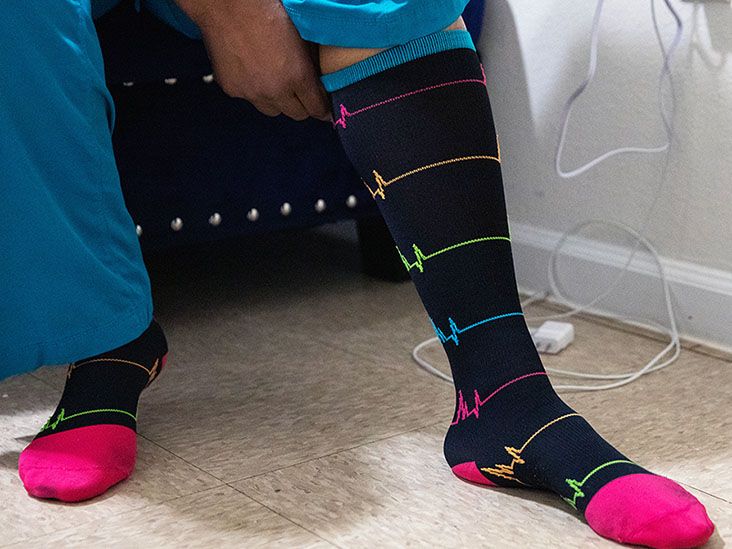
Graduated compression stockings can help reduce leg swelling and support venous return. They may be used during travel, after certain procedures, or for people with chronic venous issues. However, they need to fit correctly. Stockings that are too loose may do little. Stockings that are too tight can cause discomfort or skin problems.
People with severe peripheral artery disease, certain skin infections, severe neuropathy, or fragile skin should ask a healthcare provider before using compression stockings. The goal is improved circulation, not turning your legs into overstuffed sausages.
Medication safety: what patients should know
Anticoagulants reduce clot risk, but they also increase bleeding risk. That does not make them bad; it makes them powerful. Like chainsaws, airplanes, and espresso machines, they work best when used correctly.
Patients taking anticoagulants should know the medication name, dose, schedule, missed-dose instructions, and warning signs of bleeding. They should also tell every healthcare provider, dentist, and pharmacist that they take a blood thinner. Some medications, supplements, and foods can interact with certain anticoagulants, especially warfarin.
Never double up on a missed dose unless a clinician or pharmacist specifically tells you to. Never stop an anticoagulant without medical guidance. And if you fall, hit your head, develop severe bleeding, or notice symptoms of a pulmonary embolism, seek urgent care.
Warning signs of DVT and pulmonary embolism
DVT can happen with mild symptoms, obvious symptoms, or no symptoms at all. Possible signs include swelling in one leg, pain or tenderness, warmth, redness, tightness, or cramping that does not behave like an ordinary muscle strain.
A pulmonary embolism can cause sudden shortness of breath, sharp chest pain, rapid heartbeat, coughing blood, fainting, dizziness, or unexplained anxiety with breathing trouble. These symptoms require emergency medical care. This is not a “wait and see after lunch” situation.
Everyday prevention habits
Not all DVT prevention happens in hospitals. Everyday habits can support healthy circulation and reduce risk over time.
- Move regularly, especially if you sit for work.
- Take walking breaks during long travel.
- Maintain a healthy weight when possible.
- Stay hydrated.
- Avoid smoking or seek help quitting.
- Discuss hormone therapy risks with a clinician.
- Keep follow-up appointments after surgery or hospitalization.
- Take prescribed medications exactly as directed.
For desk workers, a practical routine is to stand or walk for a few minutes every hour. You do not need a dramatic office fitness performance. A short walk to refill water, stretch calves, or climb a flight of stairs can help. Bonus: it also gives your eyes a break from the screen’s glowing rectangle of doom.
Who should talk to a doctor about DVT prophylaxis?
You should ask a healthcare professional about DVT prevention if you are scheduled for major surgery, have had a previous blood clot, are pregnant or recently gave birth, have cancer, use estrogen-containing medication, have a known clotting disorder, have prolonged immobility, or are planning long-distance travel with multiple risk factors.
It is also wise to ask after hospital discharge: “Do I still need clot prevention at home?” Many clots occur after people leave the hospital, when they are moving more but not yet back to normal. Discharge instructions should be clear, especially if medications or stockings are involved.
Common myths about DVT prophylaxis
Myth 1: “I walk a little, so I cannot get a clot.”
Walking helps, but it does not erase every risk. Some hospitalized or surgical patients need medication or mechanical prophylaxis in addition to movement.
Myth 2: “Only older adults get DVT.”
Risk increases with age, but younger adults can develop DVT, especially with surgery, pregnancy, hormonal medications, inherited clotting disorders, cancer, injury, or long immobility.
Myth 3: “Compression stockings are one-size-fits-all.”
Fit matters. The wrong size can be ineffective or uncomfortable. Medical-grade stockings should be selected carefully, especially for people with circulation or skin problems.
Myth 4: “Blood thinners are too dangerous.”
Anticoagulants do carry bleeding risk, but for many high-risk patients, the benefit of preventing a dangerous clot outweighs that risk. The decision should be personalized.
Experiences related to DVT prophylaxis: real-world lessons from prevention
One of the most useful ways to understand DVT prophylaxis is to picture the ordinary moments when prevention actually happens. It is rarely dramatic. There is usually no movie soundtrack. Prevention often looks like a nurse reminding a patient to keep compression sleeves on, a traveler choosing an aisle seat, or a post-surgery patient taking slow laps around the living room while wearing slippers that have seen better days.
Consider the experience of a patient recovering from knee replacement. The first day after surgery, walking may feel like negotiating a peace treaty with one very stubborn leg. Still, the care team encourages small, safe movement. The patient may also receive an injectable anticoagulant or an oral medication, plus compression devices while resting. At first, all of this can feel excessive. “I just had surgery,” the patient may think. “Now I have homework?” But each part has a purpose: movement improves blood flow, medication reduces clot formation, and compression helps prevent pooling in the legs.
Another common experience happens during long travel. A person with a previous DVT plans a cross-country flight. Instead of hoping for the best, they call their clinician before the trip. They are advised to wear properly fitted compression stockings, hydrate, avoid long stretches of stillness, and walk when the seatbelt sign is off. They set a quiet phone reminder to move their ankles every 30 minutes. Is it glamorous? Not exactly. But neither is explaining to airport security why you are doing calf raises beside a coffee kiosk. Prevention is practical, and practical is powerful.
Family caregivers also learn important lessons. After a loved one comes home from the hospital, the discharge paperwork may include anticoagulant instructions. The caregiver helps organize doses, watches for bleeding warning signs, and encourages short walks. This support matters because recovery can be tiring, and tired people forget things. A pill organizer, written schedule, and clear emergency plan can make DVT prophylaxis less confusing.
People who work desk jobs have a different but relatable experience. Hours can disappear while answering emails, editing spreadsheets, or sitting through meetings that somehow could have been three bullet points. Adding movement breaks may feel awkward at first, but it becomes easier when tied to routine: stand during phone calls, refill water hourly, stretch calves before lunch, or walk after long meetings. These small habits are not a replacement for medical prophylaxis in high-risk situations, but they support healthy circulation.
The biggest real-world lesson is that DVT prevention works best when it is understandable. Patients are more likely to follow a plan when they know why it matters. “Wear these sleeves” is less motivating than “These sleeves help move blood through your legs while you are not walking much.” “Take this medication” is less useful than “This lowers the chance of a clot after your surgery, but call us if you notice bleeding.” Clear explanations turn medical instructions into actions people can actually follow.
DVT prophylaxis is not about fear. It is about respecting risk and using the right tools at the right time. Whether the setting is a hospital bed, airplane seat, office chair, or living room after surgery, prevention is often built from small decisions repeated consistently. Your veins may not send thank-you cards, but they appreciate the effort.
Conclusion
DVT prophylaxis is a practical, evidence-based approach to preventing deep vein thrombosis and reducing the risk of pulmonary embolism. The right prevention plan may include early movement, compression devices, graduated compression stockings, anticoagulant medication, or a combination of these measures. The best choice depends on individual clot risk, bleeding risk, surgery type, medical conditions, and mobility level.
For patients, the most important steps are to ask about clot risk, follow medication instructions, keep moving when safe, use compression devices correctly, and recognize warning signs. For everyday prevention, regular movement, hydration, smoking cessation, weight management, and smart travel habits can all support healthier circulation. DVT prevention may not be flashy, but it can be lifesavingand that is a pretty strong brand identity.