

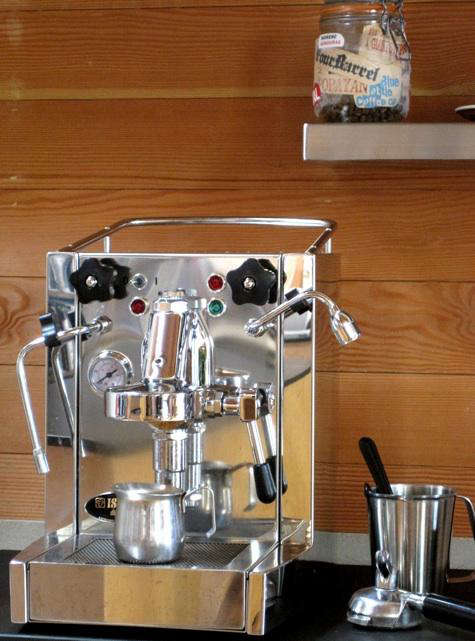
The Elektra MicroCasa A Leva is what happens when an espresso machine decides that ordinary kitchen appliances are not glamorous enough. With its polished metal body, decorative eagle, exposed boiler, and dramatic spring lever, it looks less like a coffee maker and more like something an Italian opera singer might use between performances.
Behind the theatrical design is a serious manual espresso machine. The MicroCasa A Leva uses a spring-loaded piston rather than an electric pump to produce brewing pressure. It is quiet, compact, beautifully constructed, and capable of making rich espresso with excellent texture. It is also demanding, extremely hot in several places, and completely uninterested in doing the work for you.
This is not a push-button appliance for sleepy multitaskers. It is a traditional lever espresso machine for people who enjoy learning how grind size, dose, temperature, pre-infusion, and timing affect the cup. When those variables cooperate, the result can be exceptional. When they do not, the machine will politely serve a tiny cup of evidence.
What Is the Elektra MicroCasa A Leva?
The Elektra MicroCasa A Leva, officially styled by the manufacturer as the Micro Casa Leva, is a compact Italian spring-lever espresso machine. Elektra manufactures it in Treviso, Italy, with finishes that may include copper and brass, chrome, or a combination of brass and chrome.
Its design celebrates the classic spring-lever machines that helped shape modern espresso culture. Pulling the long lever downward compresses an internal spring and opens the brewing chamber to boiler water. After the coffee puck is saturated, releasing the lever allows the spring-driven piston to force water through the grounds.
Unlike a direct-lever machine, the user does not personally create the entire pressure profile through arm strength. Your job is to load the spring safely and determine how long the coffee receives low-pressure pre-infusion. The spring handles the main extraction. Think of yourself as the conductor, while the spring performs the loud partexcept it does so almost silently.
Elektra MicroCasa A Leva Specifications
| Machine type | Spring-piston lever espresso machine |
|---|---|
| Boiler capacity | Approximately 1.8 liters, or 61 fluid ounces |
| Dimensions | Approximately 10.2 inches wide, 19.3 inches high, and 10.2 inches deep |
| Weight | Approximately 22 pounds |
| Portafilter size | Approximately 49–50 millimeters |
| Heating power | Approximately 800 watts; some regional listings state 850 watts |
| Electrical versions | 120-volt and 220–240-volt configurations are available by market |
| Steam system | Single boiler with a manual steam wand |
| Water supply | Manually filled boiler with an external sight glass |
| Country of manufacture | Italy |
Specifications can differ slightly among production years, voltage versions, and retailer measurements. Buyers should verify the exact electrical rating and included accessories for the machine being purchased.
Why This Lever Espresso Machine Is So Distinctive
A Design That Refuses to Whisper
The MicroCasa A Leva is one of the rare appliances that can become the visual center of a room. Its tall silhouette occupies relatively little counter area, but the eagle, dome, pressure gauge, lever, and reflective surfaces give it considerable presence.
The copper-and-brass version is especially ornate. Copper may gradually develop subtle color changes, while polished brass rewards regular attention with a brilliant shine. Chrome is visually cooler and often easier to coordinate with modern appliances. None of the finishes could reasonably be described as shy.
Measure the space above the counter before ordering. The base is compact, but the machine is tall, and the lever requires comfortable operating clearance. A low shelf hovering over the machine can quickly turn a romantic espresso ritual into an awkward lesson in cabinet geometry.
Silent Spring-Lever Extraction
Because brewing pressure comes from a spring rather than a vibrating electric pump, extraction is remarkably quiet. You hear the grinder before brewing, the occasional boiler sound, and the soft arrival of espresso in the cup. There is no mechanical buzzing during the shot.
The spring also creates a naturally declining pressure profile. Pressure is strongest near the beginning of extraction and decreases as the lever rises. That profile can produce espresso with a rounded body, gentle sweetness, and luxurious texture, especially when paired with medium or medium-dark roasts.
A Boiler With Serious Steam Power
The 1.8-liter boiler is generous for such a narrow home machine. It produces dry, capable steam for cappuccinos and other milk drinks. Once the technique is learned, the steam wand can create smooth microfoam instead of the large soap-bubble foam associated with weaker appliances.
The machine can brew and steam without waiting for a separate steam-temperature mode. However, boiler capacity does not turn it into a commercial café machine. The small brew group, manual workflow, and need for thermal management make it better for a few thoughtful drinks than a dozen hurried lattes.
How to Make Espresso With the MicroCasa A Leva
1. Fill and Heat the Boiler Safely
With the machine cool, switched off, and depressurized, fill the boiler with fresh water according to the manual and use the sight glass to confirm the level. Secure the boiler cap or safety-valve assembly and close the steam valve before switching on the power.
The pressure gauge will eventually move into its normal operating range, commonly around 1 to 1.25 bar. The boiler may reach pressure in roughly 12 minutes, but the heavy group benefits from additional warming. A short water flush through an empty basket can help heat the portafilter and group.
Never operate the Elektra MicroCasa A Leva without enough water. Running the boiler dry can damage the heating element. Never attempt to remove the boiler cap while the machine is pressurized, either. Hot water and steam do not accept apologies.
2. Prepare the Coffee Carefully
Use freshly roasted beans and a grinder capable of making small, repeatable espresso adjustments. The compact basket is less forgiving than a modern 58-millimeter commercial basket, so minor changes in dose and grind can noticeably affect flow.
Begin with a dose appropriate for the supplied basket rather than forcing a fashionable high dose into limited space. Distribute the grounds evenly, tamp level, and keep the basket rim clean. If the coffee presses heavily into the shower screen, reduce the dose.
3. Lock the Portafilter Securely
Insert the portafilter fully and rotate it into a secure position. This step matters on any espresso machine, but it deserves special attention on a spring lever. The group will be under pressure, and a loosely installed portafilter can become a very expensive metallic projectile.
4. Pull Down and Pre-Infuse
Brace the base with one hand and use the other to lower the lever in a smooth, controlled motion. Keep a secure grip and position your body so you remain in control. As the lever reaches the bottom, boiler water enters the group and begins saturating the coffee.
Hold the lever down until the first drops appear, or use a repeatable pre-infusion interval as a starting point. A short pre-infusion may suit an easily extracted darker roast, while a slightly longer soak can help evenly saturate a denser or lighter coffee.
5. Release the Lever Under Control
Allow the spring to raise the lever and drive the extraction. Do not fight the lever unnecessarily, and never release it carelessly during an empty flush. Without coffee resistance, it can return upward with considerable force.
A traditional shot may take roughly 25 to 30 seconds, although taste matters more than chasing a stopwatch. If the coffee gushes, grind finer or increase the dose slightly. If it barely drips, grind coarser or reduce the dose. Change one variable at a time unless chaos is your preferred beverage.
Temperature Management and Shot Quality
Temperature is the defining challenge of the Elektra MicroCasa A Leva. The pressurestat regulates boiler pressure, which is related to boiler temperature, but the machine does not provide digital brew-temperature control. The group’s temperature depends on warm-up time, recent flushes, room conditions, and the number of shots already prepared.
A group that is too cool can produce sour, thin espresso. Excessive heat may flatten sweetness and introduce bitter or harsh flavors. The machine may indicate adequate boiler pressure before the group is fully stabilized, so owners often develop a consistent warm-up and flushing routine.
Back-to-back shots introduce another complication: the group can continue absorbing heat. For two drinks, this is usually manageable with observation and a repeatable workflow. Serving a crowded brunch requires more patience, deliberate cooling, or a friend who understands that handmade espresso is not a drive-through service.
A stick-on temperature strip or suitable group thermometer can help an enthusiast reproduce successful results. It is not mandatory, but it replaces vague observations such as “the machine seemed emotionally warmer today” with useful information.
Milk Steaming Performance
The steam wand is one of the machine’s strengths. Begin with cold milk and a cold pitcher, purge condensation from the wand, and position the tip near the milk’s surface. Introduce a modest amount of air before submerging the tip slightly to create a rolling vortex.
The goal is glossy microfoam with bubbles too small to identify individually. After steaming, purge the wand immediately and wipe it with a damp cloth. Dried milk is difficult to remove, unhygienic, and not part of the desired antique finish.
The compact drip tray and limited cup clearance reward modest drink sizes. Traditional cappuccinos are a natural match. Anyone hoping to place a travel mug directly beneath the group may discover that Italian tradition did not anticipate a 24-ounce insulated tumbler.
Cleaning, Water, and Long-Term Maintenance
After each session, flush a small amount of water through the group, rinse the basket and portafilter, clean the shower screen area, and empty the drip tray. Purge and wipe the steam wand after every use. Use a soft cloth on decorative surfaces and avoid abrasive cleaners that can scratch polished metal or damage the finish.
Water quality deserves careful attention. Hard water encourages mineral buildup in the boiler, pressurestat tubing, valves, and heating system. Water with virtually no mineral content can also be unsuitable for certain machine components. Use espresso-appropriate water based on the manufacturer’s recommendations and local water conditions.
The boiler must be manually refilled. If the water approaches the lower limit shown in the manual, switch off the machine, open the steam valve, and wait until the pressure gauge reaches zero before removing the cap. The machine remains hot after pressure is released, so use caution and follow the current manual for the exact model.
Over many years, seals, piston components, pressure switches, and safety devices may require service. These are normal realities of owning a traditional machine. Electrical or pressure-related repairs should be handled by a qualified espresso technician unless the owner has the appropriate expertise.
Advantages and Disadvantages
Reasons to Buy It
- Exceptional Italian design with genuine display-piece appeal
- Silent spring-lever extraction
- Rich, textured espresso with a declining pressure profile
- Strong steam performance for traditional milk drinks
- Durable metal construction and long-term service potential
- Compact counter footprint despite the tall body
Reasons to Think Twice
- Steep learning curve compared with pump-driven machines
- No programmable temperature, shot timer, or volumetric dosing
- Small portafilter and limited cup clearance
- Manual boiler filling and careful pressure-release procedure
- Exposed metal surfaces become dangerously hot
- Not ideal for preparing many drinks in rapid succession
- Premium pricing places considerable value on craftsmanship and design
Who Should Buy the Elektra MicroCasa A Leva?
This machine suits an espresso enthusiast who values ritual, mechanical simplicity, Italian design, and hands-on experimentation. It is especially attractive to someone who typically prepares one or two drinks, owns a capable espresso grinder, and enjoys adjusting technique to suit different beans.
It is less suitable for anyone seeking automatic convenience, large travel-mug drinks, rapid entertaining, or predictable results from the first morning. Beginners can learn on it, but they must be comfortable with a machine that teaches through immediate and occasionally bitter feedback.
A high-quality grinder should be included in the purchasing budget. The MicroCasa A Leva cannot rescue uneven grounds from a blade grinder. Spending heavily on the machine and treating the grinder as an afterthought is like buying a concert piano and hiring oven mitts to play it.
The Elektra MicroCasa A Leva Ownership Experience
The First Week: Beauty Meets Reality
The first experience usually begins before any coffee is brewed. The machine comes out of its packaging looking impossibly polished, and the owner spends several minutes deciding whether it belongs in the kitchen or behind museum glass. Assembly may involve attaching decorative and functional components, depending on how the unit was prepared for shipping.
Then the practical questions arrive. Is there enough clearance for the lever? Is the outlet correct for the machine’s voltage? Where should the grinder go? How can one keep curious fingers away from the hot boiler? The MicroCasa’s footprint is modest, but its height and operating motion influence the entire coffee station.
Early shots can be humbling. One may run too quickly and taste sharp. The next may crawl from the basket like it has reconsidered its career. A third may be beautifully balanced, after which the owner attempts to repeat it and discovers that espresso has a mischievous sense of humor.
The Dialing-In Moment
Progress comes from creating a repeatable routine. An owner records the coffee dose, grinder setting, warm-up time, pre-infusion duration, and beverage weight. Instead of changing everything after a disappointing shot, only the grind is adjusted. The next extraction improves. Soon, the lever’s movement and the appearance of the first drops begin communicating useful information.
Medium-roast beans often provide an approachable starting point. A balanced blend with chocolate, caramel, or nut flavors can produce a syrupy espresso that suits the spring lever’s gentle pressure decline. Lighter roasts are possible, but they may require more precise control of temperature, puck preparation, and pre-infusion.
The first truly excellent shot explains the attraction. The machine operates without pump noise, the lever rises slowly, and a dense stream settles beneath a layer of crema. The flavor is sweet and rounded, with a texture that makes the small cup feel surprisingly substantial. At that moment, the earlier sink shots are reclassified as “research.”
Making Cappuccino Becomes a Performance
Milk drinks add another satisfying layer to the routine. The boiler has enough steam authority to texture a small pitcher quickly, so hesitation is not especially helpful. Once the wand position is mastered, the milk rolls into a glossy vortex and integrates beautifully with the espresso.
Guests tend to watch. Pulling down a long brass lever beneath a decorative eagle is considerably more dramatic than pressing an illuminated icon. The machine turns coffee preparation into a small performance, although the wise owner explains that the boiler is hot before spectators attempt to admire it with their hands.
Living With It for the Long Term
Daily ownership rewards discipline. The boiler level is checked, the group is warmed consistently, and the steam wand is cleaned immediately. Polished surfaces collect fingerprints with impressive efficiency, but a soft cloth restores the shine. Copper and brass may gradually change character, creating a patina that some owners embrace and others polish away.
The machine also changes the owner’s expectations. Convenience becomes less important than engagement. A lever shot takes attention, yet the process can provide a quiet boundary between waking up and entering the day. There are no menus, profiles, apps, or software updatesonly water, heat, coffee, metal, and a spring waiting to be treated with respect.
That experience is the central reason to own the Elektra MicroCasa A Leva. Less expensive machines can make excellent espresso, and automated models can deliver drinks more quickly. The Elektra offers something different: a durable mechanical ritual housed in one of the most recognizable designs in home espresso.
Final Verdict
The Elektra MicroCasa A Leva is beautiful, capable, temperamental, and deeply rewarding. It produces expressive spring-lever espresso and excellent milk texture while demanding careful preparation and thermal awareness. Its exposed boiler, manual refill process, compact basket, and forceful lever require more attention than modern pump machines.
For the right owner, those qualities are not defects; they are the experience. The MicroCasa A Leva turns a daily cup into a craft and a kitchen counter into a small Italian stage. Just remember that the eagle is decorative, the boiler is hot, and the grinder still deserves a respectable share of the budget.
SEO Metadata
Note: Electrical ratings, accessories, finishes, and minor specifications may vary by production year and sales region. Confirm the current manufacturer documentation and seller specifications before purchasing, operating, or servicing the machine.