

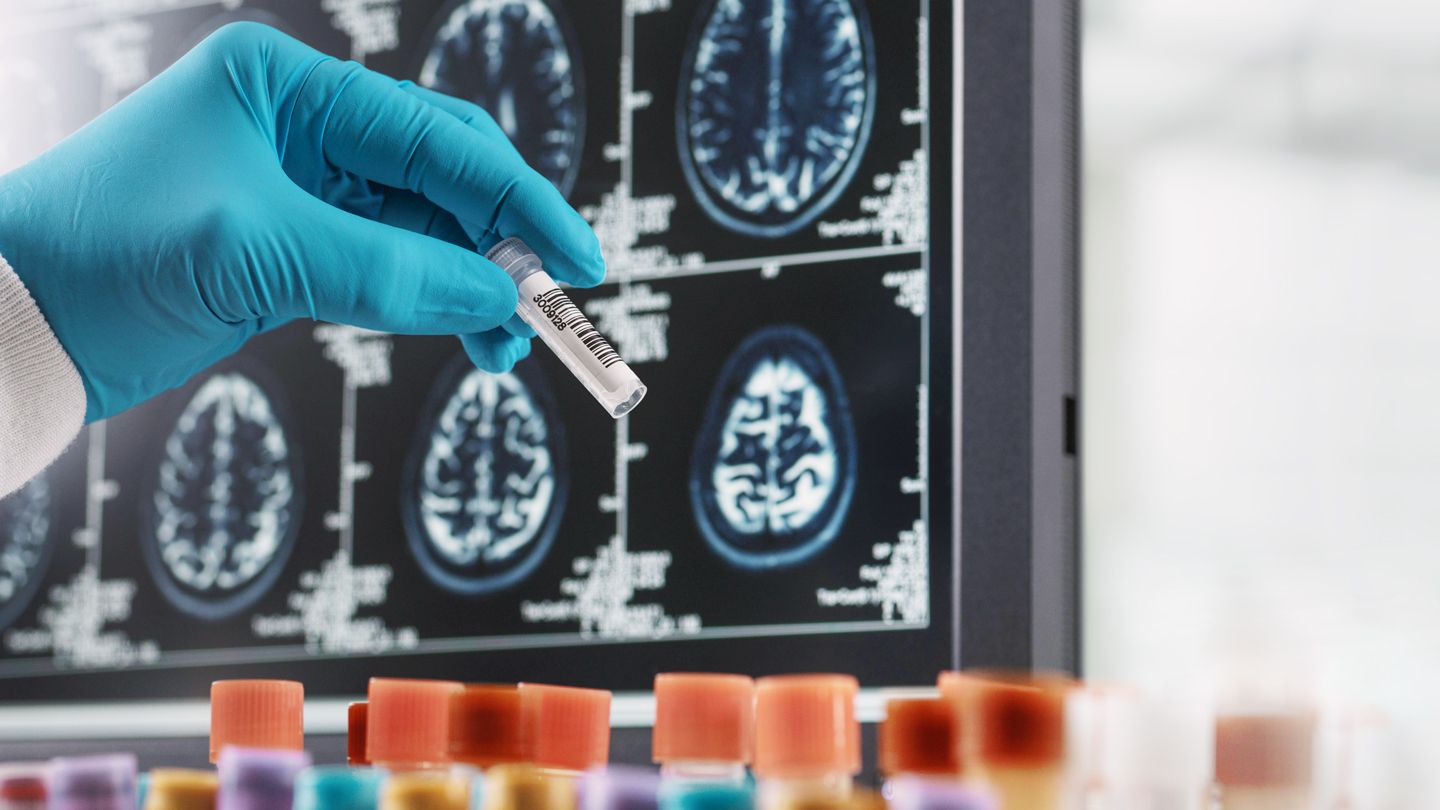
Multiple sclerosis treatment has changed dramatically from the days when doctors had only a small handful of medications and a lot of crossed fingers. Today, people with MS can choose from more than two dozen disease-modifying therapy options, while researchers are increasingly focused on something even more ambitious: preventing disability before it accumulates, treating progressive disease more effectively, and eventually repairing damaged myelin.
As of 2026, the biggest trends in multiple sclerosis treatment are not simply about adding another drug to an already crowded medicine cabinet. The field is shifting toward earlier high-efficacy treatment, B-cell-targeted therapies, more convenient drug delivery, blood and MRI biomarkers, treatments aimed at “smoldering” MS, and experimental strategies designed to protect or repair the nervous system.
There is still no cure for multiple sclerosis, and no single treatment is best for everyone. But the direction of travel is encouraging: treatment is becoming earlier, more personalized, more powerful, and increasingly focused on preserving long-term neurological function.
1. Earlier Use of High-Efficacy MS Treatments
One of the most important changes in modern multiple sclerosis treatment is the move away from automatically starting with the mildest medication and waiting for the disease to prove that it deserves something stronger.
Traditionally, many neurologists followed an escalation strategy. A patient might begin with a moderately effective disease-modifying therapy, or DMT, and move to a more powerful medication only after experiencing another relapse or developing additional MRI lesions.
Increasingly, MS specialists are considering high-efficacy therapy earlier in the disease course, particularly when a person’s age, MRI findings, spinal cord involvement, relapse history, or other characteristics suggest a higher risk of disability.
Why the urgency? Because neurological damage is much easier to prevent than to reverse. Studies of real-world MS populations have associated earlier exposure to high-efficacy treatment with better long-term control of relapses and disability compared with delaying such treatment until several other therapies have failed.
This does not mean everyone newly diagnosed with MS should automatically receive the most aggressive therapy available. Stronger immune treatments can bring important risks, including infection, reduced immunoglobulin levels, infusion reactions, and other medication-specific complications. The trend is toward evaluating those risks against the equally real risk of undertreating MS.
B-cell therapies remain major players
B-cell-depleting anti-CD20 therapies have become central to this high-efficacy approach. These treatments reduce specific B cells involved in the abnormal immune response that contributes to MS.
Ocrelizumab, ofatumumab, and ublituximab are among the important B-cell-directed treatments used for relapsing disease. Ocrelizumab remains especially notable because it is also approved for primary progressive multiple sclerosis.
For many patients, excellent disease control combined with relatively infrequent dosing makes this treatment class attractive. The trade-off is that B-cell depletion requires thoughtful infection screening, vaccination planning, laboratory monitoring, and attention to immunoglobulin levels.
2. MS Treatment Is Becoming More Convenient
Effectiveness matters enormously, but so does whether treatment consumes half your calendar.
Drug developers have therefore been working on easier administration schedules and shorter treatment visits. A good example is Ocrevus Zunovo, a subcutaneous formulation of ocrelizumab approved in the United States in 2024 for adults with relapsing forms of MS and primary progressive MS.
Instead of receiving ocrelizumab through a traditional intravenous infusion, eligible adults can receive Ocrevus Zunovo as an approximately 10-minute injection administered by a healthcare professional every six months. Monitoring and premedication are still required, so this is not exactly a drive-through coffee order, but it can substantially reduce administration time.
Meanwhile, treatments such as ofatumumab provide another model: regular injections that patients can administer themselves after appropriate instruction.
This broader trend matters because convenience can influence adherence, work schedules, travel, caregiver burden, treatment-center capacity, and overall quality of life. Two medications may look similar on a clinical-trial chart yet feel very different when one requires frequent appointments and the other barely interrupts everyday life.
3. Pediatric MS Treatment Has Taken an Important Step Forward
A particularly recent development came in May 2026, when the FDA approved intravenous ocrelizumab for relapsing-remitting multiple sclerosis in pediatric patients age 10 years and older who weigh at least 55 pounds, or 25 kilograms.
The approval expanded the relatively small toolbox available for pediatric-onset MS. In the supporting study, ocrelizumab was compared with fingolimod and demonstrated strong control of MRI disease activity while showing a safety profile generally consistent with its use in adults.
Pediatric MS is uncommon, but the disease can be highly inflammatory. Preventing repeated inflammatory injury during adolescence is especially important because patients potentially face many decades of living with MS.
The broader trend is therefore the same one seen in adults: doctors are increasingly thinking about what treatment can preserve over 20, 30, or 40 years rather than concentrating exclusively on whether a patient has another relapse next month.
4. The New Target Is Disability That Happens Without Relapses
For decades, relapses and new MRI lesions were the stars of the MS research show. Scientists are now paying much more attention to the quieter character lurking backstage: progression independent of relapse activity, commonly abbreviated PIRA.
A patient can have no obvious relapses and few new inflammatory lesions yet gradually notice slower walking, reduced hand function, worsening balance, cognitive changes, or increasing fatigue. Researchers believe chronic inflammation within the central nervous system may contribute to this gradual progression.
You may also encounter the phrase smoldering MS. It refers broadly to persistent disease processes that can continue even when acute inflammatory activity appears well controlled.
This has become one of the hottest areas in multiple sclerosis treatment research because current medications are much better at stopping inflammatory attacks than at reversing established neurological damage.
BTK inhibitors could represent a new treatment era
Bruton’s tyrosine kinase, or BTK, inhibitors are among the most closely watched experimental MS medications. Researchers are particularly interested in brain-penetrating BTK inhibitors because they may influence both B cells and immune cells inside the central nervous system, including microglia.
Tolebrutinib generated major interest after a Phase III trial involving people with nonrelapsing secondary progressive MS showed a lower risk of sustained disability progression compared with placebo. However, the story contains an important U.S. regulatory footnote: the FDA issued a complete response letter for the application in December 2025. Tolebrutinib was subsequently approved in the European Union in June 2026 for certain people with secondary progressive MS without recent relapses, but it is not an FDA-approved MS treatment in the United States as of August 2026.
Fenebrutinib is another investigational BTK inhibitor attracting attention. Phase III results reported in 2026 showed substantial reductions in relapse rates compared with teriflunomide in relapsing MS. A separate primary progressive MS trial found fenebrutinib noninferior to ocrelizumab on its primary disability-progression endpoint, with promising secondary findings.
These are important research results, but fenebrutinib remains investigational in the United States. Promising Phase III data and an FDA prescription label are two different things, and the distance between them should never be erased by enthusiastic headlines.
5. Precision Medicine Is Moving From Buzzword to Treatment Tool
Another major trend involves selecting and monitoring treatment using more information than relapse counts alone.
Neurologists traditionally follow MS using symptoms, neurological examinations and MRI. Increasingly, blood biomarkers and advanced imaging may add another layer of information.
Serum neurofilament light chain
Neurofilament light chain, usually shortened to NfL, is released when nerve cells and their axons are damaged. Researchers can measure tiny amounts of it in blood.
Higher serum NfL levels can be associated with greater neuroaxonal injury and inflammatory disease activity. Levels may decline when effective therapy suppresses MS activity.
NfL is therefore being investigated as a way to identify disease activity that might otherwise remain unnoticed and to monitor treatment response. It is not a magical MS speedometer, however. Age, body characteristics, other neurological diseases and several medical conditions can influence results. For now, experts generally view NfL as something to interpret alongside MRI and clinical findings rather than as a replacement for them.
Advanced MRI biomarkers
Researchers are also examining MRI features such as paramagnetic rim lesions, which may represent areas of chronic active inflammation. The central vein sign is increasingly useful for distinguishing typical MS lesions from abnormalities caused by other conditions.
The long-term dream is highly personalized treatment: instead of saying, “This medication works well on average,” a neurologist might eventually have enough biological information to say, “This is the treatment most likely to control your particular disease biology.”
6. Earlier Diagnosis May Lead to Earlier Treatment
The 2024 revisions of the McDonald diagnostic criteria, formally published afterward, represent another development with direct treatment implications.
The revised framework incorporates advances including the optic nerve as an additional anatomical location and permits greater use of biomarkers such as cerebrospinal-fluid kappa free light chains, the central vein sign, and paramagnetic rim lesions in appropriate circumstances.
Why does a diagnostic update belong in an article about treatment? Because the earlier doctors can accurately identify MS, the earlier disease-modifying therapy can potentially begin.
Modern MS care increasingly recognizes that waiting for the disease to produce another dramatic neurological event may allow avoidable nervous-system injury to accumulate. At the same time, earlier diagnosis makes diagnostic accuracy even more important. Treating someone aggressively for a disease they do not actually have is decidedly not progress.
7. Remyelination and Neuroprotection Are the Next Frontier
Today’s approved DMTs primarily reduce immune-mediated damage. They do not reliably rebuild myelin that has already been lost.
That is why remyelination has become a major research target.
Scientists are exploring compounds that may encourage oligodendrocyte precursor cells to mature into the cells responsible for producing myelin. Several research programs also target pathways involved in neuronal survival and axonal protection.
Clemastine, an older antihistamine, became famous in MS research after early studies suggested possible remyelinating effects. Later research has illustrated why early excitement must be treated carefully: a small progressive-MS study raised safety concerns after worsening disability was observed in participants receiving clemastine.
The lesson is not that remyelination is impossible. It is that encouraging laboratory results do not automatically translate into safe regenerative treatment for humans.
Multiple U.S. research centers continue studying myelin repair, better MRI measures of remyelination, and entirely new regenerative compounds. No remyelinating drug is currently an established FDA-approved treatment capable of reversing MS damage.
8. Stem Cell Transplantation Is Becoming More Defined
Autologous hematopoietic stem cell transplantation, or AHSCT, is another important area of MS treatment.
AHSCT does not work by turning transplanted stem cells into brand-new brain cells. Instead, chemotherapy suppresses or eliminates much of the existing immune system, after which previously collected blood-forming stem cells are returned to rebuild it. Think immune-system reboot rather than nervous-system replacement.
Research suggests AHSCT can produce powerful and sometimes durable suppression of inflammatory disease in carefully selected people with highly active relapsing MS.
However, it involves chemotherapy and potentially serious short-term risks, including severe infections. It is not a routine substitute for standard DMTs, nor is it generally considered an established solution for advanced noninflammatory progressive disease.
The current trend is better patient selection, safer transplantation protocols, and direct comparisons between AHSCT and highly effective modern DMTs.
9. De-Escalation Is Joining Escalation in the Conversation
MS care is also confronting an interesting problem created by its own success: what should doctors do when a person has been stable for many years and is getting older?
Inflammatory MS activity generally decreases with age, while risks associated with chronic immunosuppression may increase. Researchers are therefore studying treatment discontinuation and de-escalation in carefully selected patients.
De-escalation might mean moving from a highly immunosuppressive drug to a treatment with a different risk profile rather than abruptly stopping therapy.
This is not something patients should experiment with independently. Some medications, particularly certain S1P receptor modulators and natalizumab, can be associated with renewed or rebound disease activity after discontinuation. Treatment transitions require planning.
The bigger trend is life-course MS treatment. The ideal strategy at age 23 may not be identical to the ideal strategy at 63.
10. Rehabilitation and Symptom Treatment Still Matter Enormously
The excitement surrounding new DMTs can make ordinary rehabilitation sound about as glamorous as reading an appliance warranty. That would be a mistake.
MS treatment has increasingly become multidisciplinary. Physical therapy, occupational therapy, exercise programs, cognitive rehabilitation, sleep management, psychological care, bladder treatment, spasticity management, pain control and fatigue strategies can materially affect day-to-day functioning.
A DMT may help prevent tomorrow’s lesion. It does not necessarily help you climb today’s staircase.
Exercise is particularly important because people with MS can experience secondary problems from inactivity, including cardiovascular disease, weakness and deconditioning. Modern rehabilitation therefore emphasizes safe activity and maintaining neurological reserve rather than automatically telling patients with MS to avoid exertion.
What Should Patients Ask About Modern MS Treatment?
With so many therapies available, choosing between them can be confusing. A productive discussion with an MS specialist may include questions such as:
- How active does my MS appear clinically and on MRI?
- Am I a candidate for early high-efficacy treatment?
- What are the infection and immune-system risks of this medication?
- How will vaccinations be timed around treatment?
- Do I need blood counts, liver tests, immunoglobulin measurements or other monitoring?
- How will pregnancy or future family planning affect this treatment?
- What should trigger a switch to another DMT?
- Could blood biomarkers such as serum NfL add useful information in my case?
- How often should I receive MRI monitoring?
- Which rehabilitation or symptom-management treatments could improve my everyday function?
What the Modern MS Treatment Experience Can Look Like
The science sounds impressive on paper, but treatment trends become easier to understand when translated into everyday experience. The following examples are illustrative composites rather than testimonials from specific patients.
Experience 1: Treatment begins before another relapse
Imagine a 27-year-old who develops optic neuritis and receives an MS diagnosis after MRI and additional testing. Ten or fifteen years ago, the conversation might have centered on beginning a lower-risk injectable medication and escalating only after breakthrough disease appeared.
Today, an MS specialist may immediately discuss both moderate- and high-efficacy options. If the MRI reveals numerous lesions, spinal cord involvement, or other concerning features, preventing the next attack may receive more attention than waiting to observe one.
The emotional experience changes too. The patient is no longer simply choosing whether to “take medication.” They are choosing among mechanisms, dosing schedules and risk profiles. One option might involve a twice-yearly treatment visit. Another could mean monthly self-injections. Another may be an oral medication with regular laboratory monitoring.
That abundance of choice is progress, although staring at a spreadsheet containing 25 medications does occasionally make progress resemble homework.
Experience 2: The MRI looks quiet, but function is changing
Consider someone who has lived with MS for 18 years. There have been no obvious relapses recently, and routine MRI scans do not show dramatic new inflammatory activity. Yet walking has slowly become harder, hand coordination is less reliable, and fatigue takes a bigger bite out of each afternoon.
Modern MS specialists are less likely to dismiss that situation simply because there was no conventional relapse. They may consider PIRA, examine subtle disability changes, reassess rehabilitation needs and discuss whether the current treatment is adequately addressing the patient’s disease stage.
This is precisely why research into BTK inhibitors and chronic central nervous system inflammation has created so much excitement. Progressive disability without obvious relapses remains one of the field’s biggest unmet needs.
Experience 3: Treatment success creates a different question
Now picture a person in their early 60s who has taken an effective DMT for many years without relapses or new MRI lesions. Their question may no longer be, “How do we control my highly active MS?” Instead, it becomes, “How much treatment do I still need, and what risks am I accepting to maintain this level of immune suppression?”
That discussion might involve age, infection history, immune laboratory results, MRI stability and the pharmacology of the current treatment. Continuing therapy may still be the safest choice. In another carefully selected patient, changing or de-escalating therapy might deserve consideration.
The important point is that MS treatment is increasingly dynamic. It should evolve with the patient rather than becoming a prescription written at diagnosis and placed on autopilot for the next 40 years.
Experience 4: Treatment becomes a team effort
Finally, consider someone whose DMT has successfully suppressed inflammatory activity but who continues to struggle with fatigue, stiffness and reduced walking endurance.
Changing the DMT may not solve those problems. A more productive strategy might combine physical therapy, strength and aerobic exercise, spasticity treatment, sleep evaluation, mobility aids when appropriate, and treatment of mood or pain.
That experience illustrates an increasingly important principle: controlling MS biology and improving life with MS are related goals, but they are not identical.
The Future of Multiple Sclerosis Treatment
The next generation of MS treatment is attempting to solve problems that existing DMTs only partly address. Researchers want therapies that penetrate the central nervous system, suppress chronic inflammation, protect neurons, repair myelin and identify progression before it becomes clinically obvious.
Some of those ideas will fail. That is not pessimism; that is clinical research doing its job. A therapy can look magnificent in an early trial and considerably less magnificent once thousands of patients and longer follow-up enter the picture.
Still, the direction is meaningful. MS treatment has progressed from having virtually no disease-modifying options to having a large therapeutic toolbox capable of dramatically suppressing inflammatory activity in many patients. In 2026, the question is increasingly shifting from “Can we reduce relapses?” to “Can we prevent lifelong disability, control hidden progression and repair the nervous system?”
Conclusion
The latest trends in multiple sclerosis treatment show a field moving toward earlier intervention, high-efficacy disease control and increasingly individualized care. Anti-CD20 therapies remain influential, while shorter and more convenient administration options are reducing treatment burden. The 2026 expansion of ocrelizumab into pediatric RRMS adds another important option for younger patients.
At the experimental frontier, BTK inhibitors such as fenebrutinib and tolebrutinib are pushing researchers to focus on chronic neuroinflammation and disability progression rather than relapses alone. Blood biomarkers, advanced MRI, revised diagnostic criteria, stem cell transplantation research and remyelination programs are expanding what clinicians can potentially measure and target.
The most important development may therefore be philosophical rather than pharmaceutical. Modern MS care increasingly aims to preserve neurological function before it disappears, monitor disease even when it seems quiet, and adjust therapy throughout a person’s life.
Note: This article is educational and reflects treatment and research information available through August 2026. Investigational therapies discussed here are not necessarily FDA approved. Multiple sclerosis treatment should be selected with a qualified neurologist or MS specialist based on individual disease activity, medical history, pregnancy plans, infection risks, laboratory findings and personal preferences. Patients should not start, stop or change a disease-modifying therapy without medical guidance.