

Editor’s note: Blinds.com promotions change quickly, and the widely reported Customer Appreciation offer referenced here was tied to a limited-time 2025 sale. Always check the current Blinds.com deal page before buying. This article is written as a practical, SEO-friendly guide to the promotion, the products featured, and why energy-efficient shades are worth your attention.
Free shades sound like the kind of thing your house would whisper about behind your back: “Finally, we’re getting dressed properly.” And honestly, if your windows have been sitting there in bare-glass embarrassment while your air conditioner works overtime, this Blinds.com deal is exactly the sort of home upgrade that deserves a little dramatic music.
The headline is simple: Blinds.com has offered limited-time deals that make select blinds and shades effectively free through buy-one-get-one promotions, sweepstakes, free samples, and major seasonal discounts. The smarter story is even better: these are not just decorative upgrades. The right window treatments can help manage heat, light, privacy, glare, and comfortwithout requiring you to replace every window in the house or start speaking fluent HVAC.
For homeowners looking for energy efficient shades, cellular shades, honeycomb blinds, blackout shades, or custom window treatments, the timing can be excellent when Blinds.com rolls out a sale. A free second shade can turn a “maybe later” project into a “measure the guest room right now” situation. And unlike some home upgrades, this one does not involve tearing out walls, renting a dumpster, or discovering a mysterious wire that nobody wants to talk about.
What Does “Blinds.com Is Giving Away Free Shades” Actually Mean?
The most talked-about version of this offer came through a Blinds.com Customer Appreciation Sale, reported as a limited-time event featuring free window treatments and up to 35% off select styles. One highlighted deal included Levolor Cellular Shades in a buy-one-get-one offer using a promo code, which effectively made the second shade free. Other featured offers included discounts on SouthSeas Cellular Shades and a buy-one-get-one deal on Bali Faux Wood Blinds.
Blinds.com has also run giveaway-style promotions, including the 2025 Summer Refresh Instagram Sweepstakes, which required participants to follow the brand, like the official giveaway post, comment, and tag friends during the entry period. The official rules noted that no purchase was necessary to enter or win.
So, “free shades” can mean a few different things depending on the promotion: a buy-one-get-one sale, a sweepstakes prize, or free samples that help you choose fabrics before ordering. Blinds.com also offers up to 10 free samples shipped to your door, which is extremely helpful if you have ever tried to choose a shade color from a screen and ended up with “warm ivory” that looked suspiciously like oatmeal in witness protection.
Why Energy Efficient Shades Are More Than Pretty Window Pajamas
Window treatments are often treated like accessories, but they can do real work. A bare window is a weak spot in the building envelope. In summer, sunlight can pour in and heat a room like a tiny greenhouse. In winter, warm indoor air can drift toward cold glass and make the room feel drafty even when the thermostat claims everything is fine. That thermostat, by the way, is not always emotionally available.
The U.S. Department of Energy notes that insulated cellular shades are generally considered to have the highest R-values among window coverings because their honeycomb-shaped air pockets act as insulation. In heating seasons, tightly installed cellular shades can reduce heat loss through windows by 40% or more, translating to about 10% heating energy savings. In cooling seasons, they can reduce unwanted solar heat through windows by up to 60% when installed with a tight fit.
That is why cellular shades are often the star of energy efficient window treatment conversations. They create a layer of trapped air between the room and the glass. Think of them as a lightweight jacket for your windowsexcept they do not get left in the back seat of the car for three months.
Cellular Shades: The MVP of the Blinds.com Deal
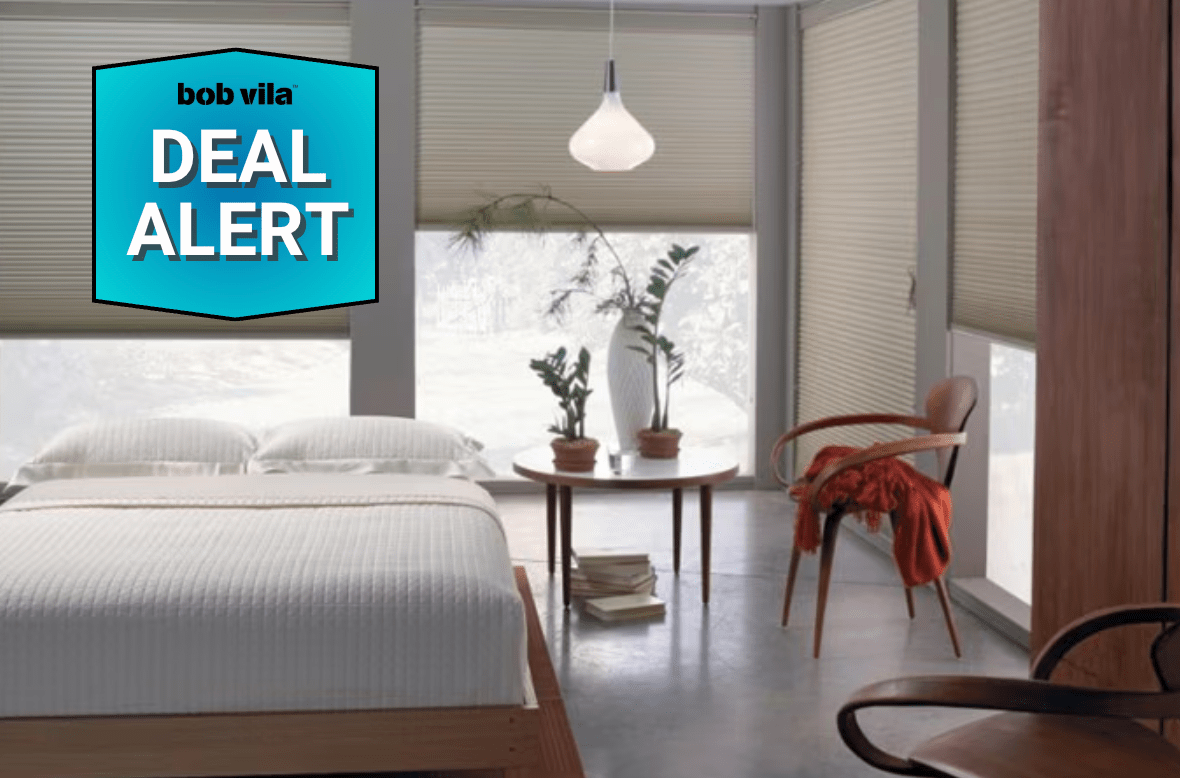
Among the best products to watch during a Blinds.com free shade promotion are cellular shades, also known as honeycomb shades. These shades are made from pleated fabric that forms small cells. Those cells trap air, slow heat transfer, soften incoming light, and help make rooms feel more stable throughout the day.
Blinds.com describes cellular shades as stylish, insulating, and available in different light-filtering options, ranging from gentle diffusion to blackout. That flexibility matters because not every room needs the same treatment. A living room may benefit from light-filtering cellular shades that keep daylight pleasant without turning the sofa into a solar panel. A bedroom may need blackout cellular shades to block early morning light, late-night street lamps, or the neighbor’s motion sensor that thinks every raccoon is a celebrity arrival.
Levolor Cellular Shades, one of the products highlighted in the Blinds.com sale coverage, offer multiple fabric and cell choices, including light-filtering and blackout options, different cell sizes, cordless operation, top-down/bottom-up styles, and motorization.
How the Right Shade Can Lower Energy Waste
Energy savings do not come from magic fabric. They come from controlling three basic problems: heat loss, solar heat gain, and light management.
1. Heat Loss in Winter
When temperatures drop, glass surfaces can become cold enough to make a room feel chilly even when the air temperature is technically comfortable. Cellular shades help by adding an insulating air layer. Closing them at night can reduce heat loss through the window, especially when the shade fits closely inside the frame.
2. Solar Heat Gain in Summer
In hot weather, windows facing east, west, and south can bring in serious heat. Close shades during peak sun hours, and your cooling system gets a break. Pacific Northwest National Laboratory’s Building America Solution Center notes that optimized use of high-efficiency shades has demonstrated whole-home cooling savings ranging from 15% to 25% in field studies, with winter heating savings around 12% to 14% in similar studies.
3. Daylighting Without the Glare Monster
Light-filtering shades can reduce harsh glare while still allowing diffuse daylight into a room. That means you may rely less on artificial lighting during the day, especially in offices, kitchens, and living rooms. It also means your laptop screen stops behaving like a mirror with judgmental tendencies.
What Makes Honeycomb Shades Different From Regular Blinds?
Traditional blinds use slats. They are great for tilting light, adding privacy, and creating a classic look. But they usually do not insulate as well as cellular shades because they do not create the same enclosed air pockets. Cellular shades are made to form honeycomb channels, and that structure is the reason they are often recommended for energy efficiency.
Oak Ridge National Laboratory researchers tested cellular shades in a residential home and found that honeycomb-style shades provided higher energy savings during winter compared with generic venetian blinds. The research focused on how window coverings can improve insulation because windows contribute to home energy demand by letting heat escape.
That does not mean faux wood blinds or roller shades are bad choices. They can be excellent for style, durability, privacy, and light control. Faux wood blinds, for example, are useful in moisture-prone rooms like kitchens and bathrooms because they are easier to clean and more resistant to humidity than real wood. But if energy efficiency is your top priority, cellular shades usually deserve the first audition.
How to Choose the Best Blinds.com Shades During a Promotion
A sale can make people move fast. That is understandable. Nobody wants to be the person who spends three days comparing off-white fabric swatches and then misses the free shade deal by eleven minutes. Still, custom window treatments are made to fit, so it pays to slow down enough to choose wisely.
Start With the Room’s Job
Every room has a different personality. Bedrooms need darkness and privacy. Living rooms need light control and style. Home offices need glare reduction. Bathrooms need moisture-friendly materials. Nurseries need cordless or motorized options for safety. Before choosing a product, ask what problem the window is causing. Too hot? Too bright? Too exposed? Too drafty? Too “my neighbor can see me eating cereal at 11 p.m.”?
Choose the Right Opacity
Light-filtering shades soften daylight while maintaining some privacy. Blackout shades block more light and are best for bedrooms, media rooms, and anyone who believes Saturday morning should not begin at sunrise. Blinds.com’s eco-friendly category includes cordless cellular shades in both blackout and light-filtering options, showing that homeowners can combine sustainability, safety, comfort, and style in one product group.
Think About Single-Cell vs. Double-Cell
Single-cell cellular shades are generally lighter and often more budget-friendly. Double-cell shades provide an extra layer of insulation and can improve comfort in rooms with strong heat loss or heat gain. If you have older windows, large glass areas, or a room that always feels slightly dramatic about the weather, double-cell options may be worth considering.
Measure Like a Person Who Wants Peace Later
Custom shades only perform well when they fit well. Measure the width and height in multiple places, note whether you want an inside mount or outside mount, and follow the retailer’s measuring guide carefully. A tight fit helps improve energy performance because it reduces gaps where air and light can sneak around the shade.
Should You Pick Inside Mount or Outside Mount?
An inside mount sits within the window frame and creates a clean, built-in look. It works best when the frame has enough depth and is fairly square. An outside mount sits above and beyond the window opening, covering more of the surrounding area. Outside mounts can help block light gaps and may be better for shallow frames, uneven openings, or rooms where maximum darkness matters.
For energy efficiency, the goal is to reduce air movement around the shade. A close inside mount can work beautifully when the window is suitable. An outside mount can also help by covering more space around the frame. The best choice depends on the window’s shape, depth, trim, and the room’s needs.
Are Free Shades Actually a Good Deal?
They can be, especially when the promotion applies to custom products you already need. A buy-one-get-one offer on cellular shades can reduce the cost of upgrading multiple windows, and that matters because energy efficiency works best when you treat the problem windows together. Replacing one sad, sun-blasted shade in a west-facing room is helpful; treating the whole wall of windows is usually more effective.
But a good deal is only good if the product fits your needs. Do not buy a shade just because the word “free” is waving at you like a tiny inflatable tube man. Compare fabric, lift style, opacity, warranty, return policy, installation requirements, and whether promo codes apply to your exact configuration.
Professional Installation vs. DIY
Blinds.com offers professional installation options, which can be helpful for large windows, high windows, patio doors, or homeowners who hear the phrase “mounting brackets” and suddenly remember an urgent appointment elsewhere. Professional installation can also reduce measurement and fit mistakes, which is important for custom products.
DIY installation is still realistic for many standard windows. Most shades require basic tools, careful measuring, and patience. The real secret is to read the instructions before holding a bracket against the wall and saying, “This seems obvious.” That sentence has caused many crooked shade situations.
Energy Efficient Shades and Home Comfort: The Real-Life Payoff
Energy efficiency is often discussed in percentages, ratings, and savings estimates, but the day-to-day payoff is comfort. A room that used to feel hot at 3 p.m. can become usable again. A bedroom that cooled down too quickly at night can feel steadier. A home office with glare can become a place where your monitor is readable without building a cardboard cave around it.
AERC, the Attachments Energy Rating Council, provides rating labels that help shoppers compare window attachments such as blinds, cellular shades, roller shades, storm windows, and pleated shades. Its residential label includes warm climate and cool climate ratings, and products with ratings above zero can save energy compared with using no window attachment at all.
That is useful because “energy efficient” can become a fuzzy marketing phrase. A rating system gives buyers a more structured way to compare products. If you live in a hot climate, warm-climate performance matters. If you live somewhere with serious winters, cool-climate performance should get more attention. If you live somewhere that does both, congratulations: your windows have range.
Best Rooms to Upgrade First
If the budget or promotion does not cover every window, start with the rooms where shades will make the biggest difference.
West-Facing Rooms
West-facing rooms often take the hardest afternoon sun. Cellular shades or solar-control shades can help reduce heat gain and glare during the hottest part of the day.
Bedrooms
Blackout cellular shades can improve sleep, privacy, and temperature control. They are especially useful for shift workers, babies, light-sensitive sleepers, and anyone who treats sunrise like a personal attack.
Home Offices
Light-filtering cellular shades can reduce screen glare without making the room feel like a cave. If you spend hours on video calls, they can also create a cleaner background and softer light.
Large Glass Doors
Sliding glass doors and patio doors are often big energy weak spots. Vertical cellular shades can add insulation while still allowing access and privacy control.
Common Mistakes to Avoid When Buying Free or Discounted Shades
The first mistake is rushing measurement. A shade that is too narrow, too short, or mounted poorly will not perform as expected. The second mistake is choosing color based only on a product photo. Order free samples when available. Fabric can look different in morning light, afternoon light, and that strange yellow kitchen bulb you keep meaning to replace.
The third mistake is ignoring lift style. Cordless shades are cleaner and safer for homes with children or pets. Top-down/bottom-up shades are excellent when you want privacy but still want daylight from the top of the window. Motorized shades are convenient for hard-to-reach windows and can help keep a consistent schedule, which supports energy-saving habits.
The fourth mistake is assuming all rooms need the same shade. They do not. Your bathroom, bedroom, office, and sunroom are all different characters in the same sitcom.
How to Use Shades for Maximum Energy Savings
Buying energy efficient shades is step one. Using them well is step two. In summer, close shades during the hottest sunny hours, especially on east- and west-facing windows. In winter, open shades during sunny periods to let free solar heat in, then close them at night to hold warmth inside. PNNL’s guidance notes that cooling savings generally come from closing attachments during the day and opening them at night when outdoor air is cooler, while winter heating savings come from opening during sunny periods and closing at night or on cloudy days.
Automation can make this easier. If motorized shades are in the budget, scheduled operation can help your home respond to sun and temperature without relying on you to remember every window like a very stylish air-traffic controller.
Experience Section: What It’s Like to Upgrade With Energy Efficient Shades
The first thing most people notice after installing cellular shades is not the energy bill. It is the feeling of the room. A window that used to radiate heat like a toaster with ambition suddenly becomes quieter, softer, and less bossy. The light changes too. Instead of harsh sun slicing across the floor, you get a diffused glow that makes the room feel intentional, like you hired a designer instead of panic-buying window coverings during a sale.
In a bedroom, blackout cellular shades can feel almost luxurious. The room gets darker, the temperature feels more even, and sleep becomes easier because the outside world stops barging in through the glass. Early morning sun, streetlights, passing headlights, and neighborly porch lamps all become less powerful. It is not quite a five-star hotel, but it can make your bedroom feel less like a public observatory.
In a home office, the change can be even more practical. Glare is one of those problems you tolerate until it disappears. Once the screen is easier to read and your eyes are not doing tiny push-ups all afternoon, you wonder why you waited so long. Light-filtering shades are especially useful because they let the room stay bright without turning your video call into a silhouette performance titled “Mysterious Person Near Window.”
The measuring process is the part that deserves respect. It is not difficult, but it is precise. Measure the width at the top, middle, and bottom. Measure the height in more than one place. Write everything down clearly. Do not rely on memory, vibes, or the confidence of a person holding a tape measure sideways. Custom shades reward careful measuring and punish “close enough” energy.
Installation varies by window and product, but many homeowners can handle standard shades with basic tools. The most satisfying moment comes when the shade snaps into place and lowers smoothly for the first time. That tiny click feels like a home improvement trophy. Suddenly the room looks finished, the window looks dressed, and you begin noticing every other uncovered window in the house like it has personally betrayed you.
Over time, the best experience is the routine. Close the shades before the afternoon sun hits. Open them when you want daylight. Lower them at night for privacy and insulation. It becomes second nature, like locking the door or pretending you are absolutely going to fold the laundry right away. The difference is that shades keep helping even when you forget to be impressed.
If you catch a Blinds.com promotion at the right moment, the value feels even better. A free second shade or discounted cellular shade can make it easier to upgrade several windows at once, which creates a more noticeable comfort improvement. The house feels calmer. The HVAC system may run less often. The rooms look cleaner. And your windows, finally, stop acting like expensive holes in the wall.
Final Thoughts: A Smart Deal If You Choose Carefully
Blinds.com’s free shade promotions are exciting because they combine savings with a practical home upgrade. But the real win is not just getting something free. It is choosing a window treatment that makes your home more comfortable, more private, more stylish, and potentially more energy efficient.
Cellular shades are the strongest choice for homeowners focused on insulation and energy performance. Faux wood blinds are durable and attractive for moisture-prone spaces. Roller shades and solar shades can help with glare and modern design. Free samples help you make better style decisions before committing. Professional installation can be worth it for tricky windows. And careful measurement is non-negotiable unless you enjoy returning custom products, which almost nobody lists as a hobby.
Before ordering, confirm that the current promotion is active, read the terms, check promo codes, review product specifications, and choose the shade that fits both your window and your lifestyle. A good sale can save money today. A good shade can improve comfort for years. That is a rare home upgrade combination: practical, attractive, and not likely to require a plumber.