

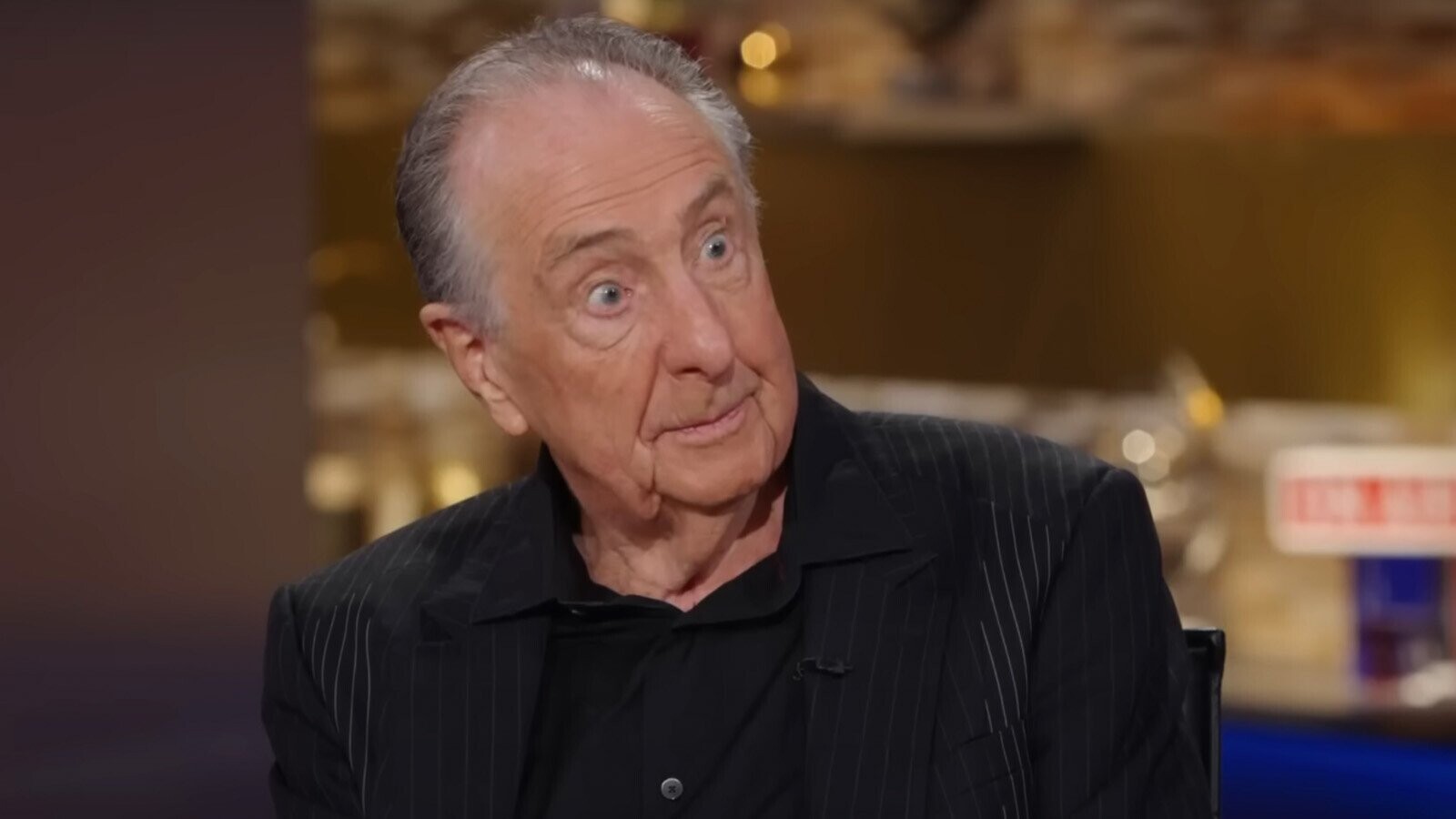
There are few things more predictable in modern culture than a veteran comedian walking into the “woke comedy” debate like it is an antique shop they personally built. One minute, the conversation is about jokes, rhythm, timing, and the strange magic of making a room laugh. The next, it is a full-scale lecture on how audiences have become too delicate, too literal, too online, too something. John Cleese has spent years making that argument in one form or another. Then Eric Idle came along and, with the breezy efficiency of a man who has been writing absurdity for decades, quietly pulled the rug out from under it.
The reason his response landed so hard is simple: it was practical. No dramatic manifesto. No chest-thumping about forbidden truths. No martyr complex wrapped in a punchline. Idle’s point was that comedy still works if you do the basic thing comedians are supposed to do: pay attention to the audience and try to be funny. Revolutionary stuff, apparently.
That is what makes this moment so compelling. It is not just another aging-comedy-legend spat. It is a clash between two ways of thinking about humor. One says the world has become too uptight for comedy. The other says comedy survives by evolving, adjusting, and reading the room without losing its nerve. And when you put those side by side, Idle’s position looks a lot less like surrender and a lot more like professionalism.
The 30-Second Rebuttal That Said More Than a 3-Hour Rant Ever Could
During a brief but memorable exchange about modern audiences, Eric Idle offered a response that cut straight through the usual anti-woke talking points. His basic idea was that a comedian cannot expect to remain “hip” forever, but he can remain thoughtful. That distinction matters. Idle was not arguing for blandness, fear, or soft comedy with all the edges sanded off. He was arguing for awareness.
That is a much smarter position than it first sounds. Great comedians are not court stenographers for their younger selves. They are editors, performers, and survivors. They notice what still works, what no longer works, and what now sounds less like daring wit and more like a man yelling at a cloud because the cloud has pronouns.
Idle’s follow-up point made the whole thing even sharper: his job is to make people laugh. Not to demand applause for his defiance. Not to blame the crowd for failing to recognize his genius. Not to turn every underwhelming joke into a constitutional crisis. Just to make them laugh. In one short answer, he reframed comedy as a craft instead of a grievance industry.
John Cleese’s Long, Loud Complaint About Modern Comedy
To understand why Idle’s answer felt so devastating, you have to look at what he was pushing back against. John Cleese has been publicly arguing for years that political correctness, “wokeness,” and overly sensitive audiences have damaged comedy. He has complained that modern culture is too eager to take offense, said he avoids certain audiences because they are too politically correct, and argued that literal-minded viewers are ruining comic interpretation.
More recently, Cleese has repeated versions of that idea while discussing Fawlty Towers: The Play. Even while removing certain old racial slurs from the stage adaptation, he framed the change as a concession to people who supposedly do not understand irony, exaggeration, or comic context. He has also lamented what he sees as the decline of television comedy, suggesting that modern audiences and modern conditions have made it harder for truly memorable comedy to thrive.
There is a familiar logic to that argument, and it always sounds a little seductive at first. Comedy, after all, does need freedom. It often depends on surprise, risk, exaggeration, discomfort, and the ability to say what polite people would rather not say out loud. Cleese is not wrong about that part. Comedy cannot survive if every joke is pre-cleared by a committee of human resources representatives and one very anxious group chat.
But here is where the argument starts wobbling on its own oversized silly walk. Freedom in comedy does not mean immunity from audience reaction. It does not mean every joke deserves to be celebrated just because it once worked in 1974, 1994, or even last Tuesday. A joke is not automatically brave because somebody dislikes it. Sometimes it is just old. Sometimes it is lazy. Sometimes it is a once-sharp bit that has dulled into habit.
Idle’s View Is Not “Woke” So Much as It Is Functional
What makes Eric Idle’s position so effective is that it rejects the fake binary at the center of the anti-woke comedy debate. He is not saying comedians must become timid. He is saying they must stay awake. That is different.
Idle has made similar points before when talking about comedy and censorship. His broader view has been consistent: audiences decide what is funny, and performers should not whine when a joke fails to land. That is not capitulation. That is the oldest rule in live performance. If the room goes quiet, the room is giving you information. You can learn from it, ignore it, or blame civilization itself, but only one of those options tends to improve the next show.
That is why his rebuttal landed with such force. It came from someone with the exact same legendary comedy credentials as Cleese, but with far less self-pity. Idle did not pretend modern audiences are a monolith. He did not pretend everything old is bad or everything new is good. He simply recognized that thoughtfulness is part of the job. Comedy is not a museum exhibit preserved under glass. It is a live wire between performer and audience.
In other words, Idle dismantled the anti-woke argument by treating it as what it often is: an excuse. If a comedian insists that the audience is always the problem, that is usually a sign the comedian has stopped listening.
Why This Debate Matters Beyond Two Monty Python Legends
This exchange matters because Cleese and Idle are not just random celebrities shouting into the culture-war void. They are founding members of Monty Python, one of the most influential comedy groups ever assembled. Their work helped reshape sketch comedy, satire, surrealism, and the language of TV and film humor. When two Pythons disagree about the future of comedy, people pay attention because these are not just opinions. They are competing theories from artists who helped define the form.
That is partly why Idle’s side feels so important. He is not rejecting the past. He is defending comedy’s ability to survive the present. Monty Python itself was daring because it broke rules, not because it stubbornly repeated them forever. The troupe’s best material still feels alive because it was built on invention, precision, and a willingness to surprise. That spirit is much closer to adaptation than nostalgia.
There is also something revealing about which Python is making which argument. Cleese often talks about freedom by emphasizing what comedians are no longer allowed to say. Idle talks more like a writer-performer still interested in the audience as a living, breathing part of the equation. One approach sees change and hears censorship. The other sees change and hears notes.
The Real Problem Is Not Sensitivity. It Is Stagnation.
Anti-woke comedy arguments often rely on a comforting fantasy: the joke was funny, the comedian was fearless, and the audience failed because society has become weak. That story is catnip for anyone who wants to confuse criticism with oppression. It is also incredibly convenient. It spares the performer from asking a much harder question: what if the material just is not as sharp as it used to be?
Idle’s answer threatens that fantasy because it restores accountability. If the audience does not laugh, the automatic conclusion cannot be that civilization has collapsed. Sometimes the setup is clumsy. Sometimes the target is stale. Sometimes the punchline is doing less work than the performer’s ego. A good comedian can survive that realization. A vain one turns it into a podcast tour about free speech.
That is why Idle’s argument feels healthy, even refreshing. It puts the emphasis back on craft. Mindfulness, in his version, does not mean fearfully scanning every sentence for possible offense. It means understanding that comedy happens in context. The same line can feel razor-sharp in one era and painfully out of touch in another. Pretending otherwise is not artistic courage. It is denial in a blazer.
Monty Python’s Legacy Actually Supports Idle More Than Cleese
If you step back and look at Monty Python’s legacy, Idle’s position makes even more sense. Python endured not because it was merely offensive or transgressive, but because it was inventive. The sketches were structurally strange, intellectually playful, and gloriously unpredictable. They mocked institutions, language, religion, bureaucracy, class systems, and human stupidity itself. The comedy worked because it was crafted, not because it was frozen in amber.
Even the troupe’s most provocative work survived because it had shape and intelligence. Life of Brian remains a classic not because it offended people, but because it knew exactly what it was satirizing and why. There is a difference between fearless comedy and lazy provocation. Python, at its best, understood that difference.
That is why Cleese’s modern complaints can feel oddly smaller than the work that made him famous. The man who once helped create comedy so nimble it could turn theology, bureaucracy, and imperial manners into absurd art now too often sounds like he is fighting the audience instead of the joke. Idle, by contrast, still sounds like someone in love with the actual act of entertaining.
What Audiences Hear in This Argument
There is another reason Idle’s line resonates: audiences know when they are being blamed for a performer’s frustration. It is one thing for a comedian to challenge a crowd, make them squirm, and then win them over with brilliance. It is another to bomb and then explain that the crowd failed a moral test.
Most people are not looking for comedy to become sterile. They still want risk. They still want surprise. They still want that thrill of hearing a comedian say the thing everybody recognizes but nobody has phrased that way before. What they do not want is to be scolded into laughing. And that is where a lot of anti-woke rhetoric collapses. It assumes the audience owes the comedian a hearing, a pass, and maybe a standing ovation for courage. But comedy has never worked on those terms.
The audience is not a censor board. It is the final edit. If a joke flies, great. If it crashes nose-first into uncomfortable silence, that is data. Idle seems to understand that instinctively. Cleese, at least in this debate, often seems offended that the data exists.
Experience, Generations, and the Feeling of Watching Comedy Change
For a lot of people, this debate is not abstract at all. It feels personal because comedy is one of the first art forms we inherit from older generations. Parents quote old sketches. Teachers reference classic sitcoms. College roommates pass around beloved bits like secret passwords. A huge number of comedy fans first encounter Monty Python this way: not as history, but as initiation. The dead parrot sketch, the Ministry of Silly Walks, the Spanish Inquisition, Holy Grail on a dorm-room screen at midnight. It feels communal, goofy, and oddly timeless.
Then time does what time does. You revisit old material years later and realize some of it still crackles, some of it feels harmlessly dated, and some of it lands with a thud. That is not betrayal. That is experience. Anyone who has rewatched a favorite comedy with younger relatives, or with a group of friends from different backgrounds, knows the strange electricity of waiting to see what still works. Sometimes the room erupts in laughter exactly where you remembered. Sometimes a line that once passed unnoticed now hangs there awkwardly, like a lampshade at a funeral.
That experience is not evidence that audiences have become impossible. It is evidence that comedy is alive. Living comedy changes because living people change. References shift. Power shifts. Language shifts. The targets of jokes shift. Even rhythm shifts. What sounded shocking in one decade may sound quaint in the next. What once read as playful irreverence may now sound like somebody punching down out of habit. None of that means the audience has “ruined” comedy. It means the audience keeps bringing fresh ears.
That is why Idle’s response feels grounded in reality. Most viewers are not asking comics to become saints. They are asking them to remain observant. The funniest working comedians still do exactly that. They notice the room. They sense tension. They pivot. They surprise. They know when to sharpen, when to cut, and when to throw a joke overboard before it drags the whole set down like a cursed anchor.
There is also a distinctly modern audience experience that older debates sometimes miss: people now encounter jokes in fragments, clips, screenshots, reposts, and contextless outrage cycles. A joke told in a room can become a national argument by breakfast. That reality is annoying, yes, but it is also real. Complaining about it without adapting is like insisting vaudeville would still be king if only the internet would behave itself.
For longtime fans, that is what makes this Idle-Cleese contrast so revealing. One comedy legend seems to look at change and feel insulted by it. The other looks at change and treats it like material. And for audiences who still love comedy, that difference is huge. The first approach creates resentment. The second keeps the art form breathing.
Final Thoughts
Eric Idle did not “win” this argument because he sounded more progressive, more fashionable, or more online. He won because his answer respected comedy enough to treat it as work. Real work. Living work. Work that depends on attention, timing, and audience response. John Cleese’s anti-woke argument keeps circling the idea that comedy is being strangled by sensitivity. Idle’s response suggests something far less melodramatic and far more convincing: comedy dies when comedians stop adapting and start sulking.
That may not be as emotionally satisfying as declaring war on modern culture, but it is a lot funnier. And in the end, funny is still supposed to be the point.