

High blood pressure is a bit like a quiet roommate who never pays rent but slowly rearranges your whole house. You may not feel it, you may not notice it, and yet it can put extra strain on your heart, blood vessels, brain, kidneys, and overall health. That is why many people search for gentle, natural ways to support healthy blood pressureeverything from walking more to eating less sodium to, yes, wondering whether essential oils can help.
So, can essential oils lower high blood pressure? The honest answer is: they may support relaxation, stress relief, sleep, and a calmer nervous system, which can indirectly help some people manage blood pressure. But essential oils are not a cure for hypertension, not a substitute for medication, and definitely not something to drip into your morning coffee like a wellness-themed science experiment.
This guide explores essential oils for high blood pressure in a practical, evidence-aware way. We will look at the most commonly discussed oils, how aromatherapy may affect stress and circulation, safe ways to use oils, and how to combine them with proven blood-pressure-friendly habits.
What Is High Blood Pressure?
Blood pressure measures the force of blood pushing against artery walls. The top number, called systolic pressure, shows the pressure when your heart beats. The bottom number, called diastolic pressure, shows the pressure when your heart rests between beats.
In general, normal blood pressure is below 120/80 mm Hg. Readings from 120–129 systolic and under 80 diastolic are considered elevated. Stage 1 hypertension begins at 130–139 systolic or 80–89 diastolic, while Stage 2 hypertension begins at 140 or higher systolic or 90 or higher diastolic. A reading higher than 180 and/or 120 is considered severe and may require urgent medical guidance, especially if symptoms are present.
The tricky part? High blood pressure often has no obvious symptoms. You cannot smell it coming, even if your diffuser is working overtime. Measuring blood pressure with a validated monitor and working with a healthcare professional are still the most reliable ways to know where you stand.
Can Essential Oils Really Help With High Blood Pressure?
Essential oils are concentrated plant extracts used in aromatherapy, massage, bathing rituals, and personal care. They contain aromatic compounds that may influence mood, perceived stress, relaxation, and sleep through the sense of smell and nervous system responses.
Some small clinical studies have found that inhaling blends containing oils such as lavender, ylang-ylang, bergamot, marjoram, and neroli may temporarily reduce blood pressure, heart rate, stress markers, or anxiety in certain groups. However, the research is limited, study sizes are often small, and results should not be treated as a green light to replace prescribed treatment.
The best way to think about essential oils is this: they are supporting actors, not the star of the show. The main cast for blood pressure management still includes healthy eating, sodium reduction, regular physical activity, weight management when needed, good sleep, limited alcohol, not smoking, stress management, and medication when prescribed.
How Aromatherapy May Support Blood Pressure Naturally
Stress does not cause every case of hypertension, but it can raise blood pressure temporarily and may encourage habits that make blood pressure harder to control, such as poor sleep, overeating, drinking too much alcohol, or skipping exercise. Aromatherapy may help by making relaxation easier and more consistent.
1. It May Calm the Stress Response
When you inhale a soothing scent, aromatic molecules interact with smell receptors and may influence brain areas involved in emotion, memory, and arousal. This is why a familiar scent can make you feel like you have been teleported to a clean spa instead of your laundry pile. Lavender, bergamot, and neroli are often used for relaxation because many people find them emotionally calming.
2. It May Support Better Sleep
Poor sleep can make blood pressure harder to manage. Lavender oil, in particular, is widely used to create a relaxing bedtime routine. While it will not magically erase hypertension, a consistent wind-down ritual may help improve sleep habits, which are important for cardiovascular health.
3. It May Encourage Slower Breathing
Aromatherapy often works best when paired with slow breathing. Sitting quietly with a diffuser or inhaler naturally invites a pause. Slow, controlled breathing may help the body shift out of “email emergency mode” and into a calmer state.
Best Essential Oils Often Discussed for Blood Pressure Support
No essential oil is officially approved to treat hypertension. Still, several oils are commonly discussed in relation to relaxation, stress relief, and cardiovascular wellness support.
Lavender Essential Oil
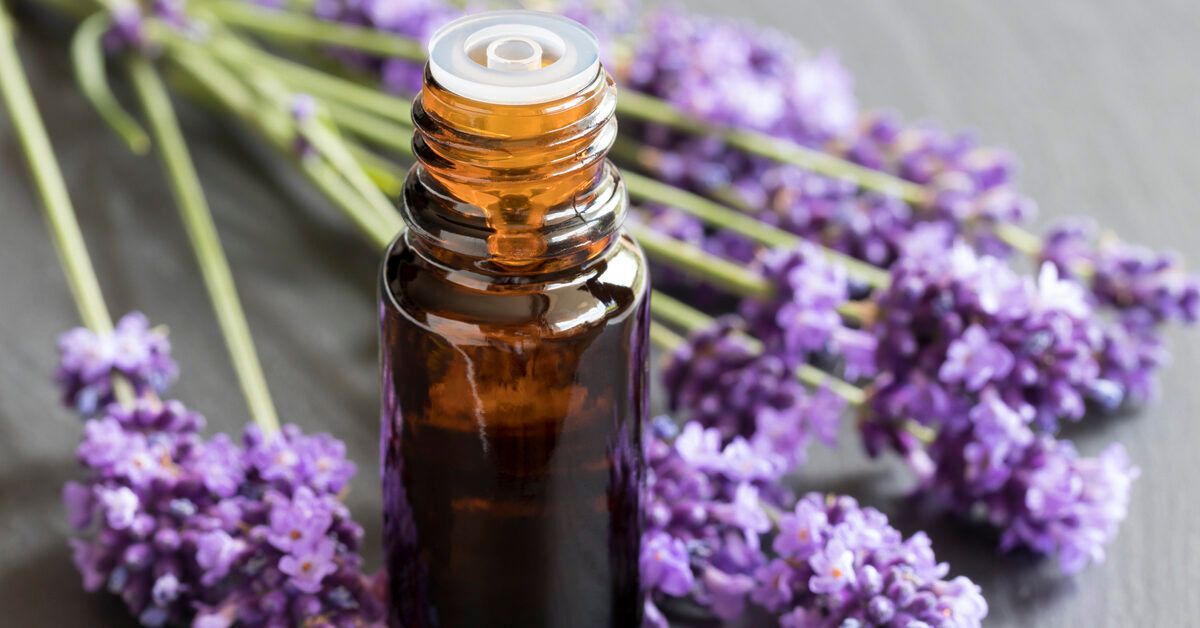
Lavender is the classic “please calm down” oil. It is often used for relaxation, sleep support, tension, and stress. For people whose blood pressure rises during stressful days, lavender may be useful as part of a calming evening routine.
How to use it: Add a few drops to a diffuser, use a properly diluted roller blend, or place one drop on a tissue and inhale gently. Do not apply it undiluted to skin.
Bergamot Essential Oil
Bergamot has a bright citrus scent with a softer, floral edge. It is often used for mood support and stress relief. Some aromatherapy research has included bergamot in blends studied for blood pressure and stress responses.
Safety note: Some bergamot oils can increase sun sensitivity when applied to skin. Choose bergapten-free bergamot for topical use or avoid sun exposure after applying citrus oils.
Ylang-Ylang Essential Oil
Ylang-ylang has a rich floral aroma that people tend to either love or describe as “a flower shop wearing perfume.” It has been studied for relaxing effects and may help some people feel calmer. Because it is strong, a tiny amount goes a long way.
How to use it: Try one drop blended with lavender or bergamot in a diffuser. Too much ylang-ylang can feel overwhelming or even cause headaches in sensitive people.
Neroli Essential Oil
Neroli comes from bitter orange blossoms and has a soft floral-citrus scent. It is often used in aromatherapy for emotional balance, relaxation, and stress support. It is also one of those oils that smells expensive because, frankly, it usually is.
How to use it: Add it to a diffuser blend or dilute it in a carrier oil for a calming pulse-point blend.
Sweet Marjoram Essential Oil
Sweet marjoram has a warm, herbal aroma and is often used in relaxation massage blends. It appears in some aromatherapy research blends related to blood pressure and stress.
How to use it: Dilute with a carrier oil and apply during self-massage to shoulders, neck, or feet. Keep it away from eyes and mucous membranes.
Clary Sage Essential Oil
Clary sage is commonly used for relaxation and tension support. Some limited research has explored clary sage and physiological stress responses. However, it should be used carefully, especially during pregnancy or in people with hormone-sensitive conditions unless a clinician approves it.
Frankincense Essential Oil
Frankincense is popular for meditation, slow breathing, and grounding routines. Its direct effect on blood pressure is not well proven, but it can be useful in a stress-management ritual. Think of it as a “sit down and breathe” scent rather than a blood pressure treatment.
Essential Oils to Use With Caution
Not every strong-smelling oil is ideal for people concerned about blood pressure. Rosemary, peppermint, sage, thyme, and eucalyptus can feel stimulating to some users. This does not mean everyone with hypertension must avoid them forever, but it does mean they are not the first oils to choose for relaxation-focused blood pressure support.
Also, natural does not automatically mean safe. Poison ivy is natural. So are hurricanes. Essential oils are powerful concentrated substances and should be handled with respect.
How to Use Essential Oils Safely for Blood Pressure Support
Diffusion
Diffusion is one of the simplest ways to use essential oils. Add water to your diffuser, follow the device instructions, and use only a small number of drops. Start with 2–3 drops total in a well-ventilated room. Run the diffuser for 15–30 minutes rather than all day.
Personal Inhaler
A personal aromatherapy inhaler is helpful if you want a portable option. Add a few drops to the cotton wick, seal it, and inhale gently when needed. This avoids filling the whole room with scent, which is polite if your family thinks ylang-ylang smells like a dramatic soap opera.
Diluted Massage Oil
For topical use, dilute essential oils in a carrier oil such as jojoba, coconut, olive, or sweet almond oil. A 1% dilution is a conservative choice for regular use. That usually means about 1 drop of essential oil per teaspoon of carrier oil. Massage can support relaxation, but it should be gentle and comfortable.
Bath Routine
Never drop essential oils directly into bathwater. Oil and water do not mix, and undiluted droplets can irritate skin. First blend essential oil with a carrier oil or suitable bath dispersant, then add it to the bath. Keep the scent mild and avoid very hot baths, since heat can affect circulation and make some people feel lightheaded.
Simple Essential Oil Blends for Relaxation
Calm Evening Diffuser Blend
- 2 drops lavender essential oil
- 1 drop bergamot essential oil
- 1 drop frankincense essential oil
Deep Breathing Blend
- 2 drops lavender essential oil
- 1 drop sweet marjoram essential oil
- 1 drop neroli essential oil
Gentle Floral Stress Blend
- 2 drops lavender essential oil
- 1 drop ylang-ylang essential oil
- 1 drop bergamot essential oil
Use these blends in a diffuser for short sessions. If any scent causes headache, nausea, coughing, dizziness, irritation, or discomfort, stop using it.
What Essential Oils Should Not Do
Essential oils should not replace blood pressure medication. They should not be used to treat a hypertensive emergency. They should not be swallowed unless under the guidance of a qualified clinician using a product specifically intended for internal use. In everyday home wellness, drinking essential oils or adding them to water, tea, smoothies, or capsules is not recommended.
Seek emergency help if blood pressure is higher than 180/120 mm Hg and symptoms such as chest pain, shortness of breath, weakness, numbness, back pain, vision changes, or trouble speaking occur. This is not the moment for lavender. This is the moment for medical care.
Who Should Talk to a Doctor First?
Speak with a healthcare professional before using essential oils if you are pregnant, breastfeeding, taking blood pressure medications, managing heart disease, living with asthma or allergies, undergoing cancer treatment, caring for young children, or using oils around pets. Cats, dogs, birds, and small animals can be sensitive to diffused oils, so pet safety matters.
You should also check with a clinician if you have very low blood pressure, frequent dizziness, fainting, or multiple medications. A soothing routine is wonderful; accidentally making yourself lightheaded is less charming.
Proven Natural Remedies That Work Alongside Aromatherapy
Essential oils may support the relaxation side of blood pressure management, but the strongest natural strategies are lifestyle habits with solid evidence behind them.
Follow a DASH-Style Eating Plan
The DASH diet emphasizes fruits, vegetables, whole grains, beans, nuts, seeds, low-fat dairy, lean proteins, and foods rich in potassium, magnesium, calcium, and fiber. It also reduces sodium, saturated fat, added sugar, and highly processed foods.
Reduce Sodium
Many people eat far more sodium than they realize, especially from packaged foods, restaurant meals, soups, sauces, deli meats, and snacks. Reading labels and cooking more meals at home can make a real difference.
Move Your Body Regularly
Walking, cycling, swimming, dancing, strength training, and even short daily movement breaks can support healthier blood pressure. You do not need to become a gym superhero. Consistency beats dramatic Monday declarations.
Limit Alcohol and Avoid Smoking
Alcohol can raise blood pressure and interfere with medications. Smoking damages blood vessels and increases cardiovascular risk. Quitting smoking and limiting alcohol are two powerful steps for heart health.
Prioritize Sleep
Adults generally need 7–9 hours of quality sleep. A relaxing scent, dim lights, less screen time, and a regular bedtime can work together to create a more blood-pressure-friendly evening routine.
A Practical Daily Routine Using Essential Oils
Here is a realistic routine for someone who wants to use essential oils safely while focusing on proven blood pressure habits:
- Morning: Check blood pressure as directed by your healthcare provider. Take prescribed medications on schedule.
- Breakfast: Choose a low-sodium, fiber-rich meal such as oatmeal with berries and nuts.
- Midday: Take a 10–20 minute walk. No diffuser required; fresh air is also an aromatherapy classic.
- Afternoon: Use a personal inhaler with lavender and bergamot during a short breathing break.
- Dinner: Build a DASH-style plate with vegetables, lean protein, whole grains, and less salt.
- Evening: Diffuse lavender for 20 minutes, stretch gently, and prepare for sleep.
Experience Section: What It Feels Like to Use Essential Oils for Blood Pressure Support
People who use essential oils for high blood pressure support often describe the experience less like “my numbers instantly dropped” and more like “I finally built a calm routine I can stick with.” That distinction matters. Blood pressure management is rarely one heroic act. It is usually a collection of small, repeatable choices that add up over time.
Imagine a person who comes home after a long workday, shoulders somewhere near their ears, inbox still buzzing, dinner not started, and the blood pressure monitor giving them a look they do not appreciate. Instead of panicking, they sit down, place both feet on the floor, turn on a diffuser with lavender and a tiny touch of bergamot, and breathe slowly for five minutes. The scent does not “treat” hypertension, but it creates a pause. That pause can interrupt the stress spiral.
Another common experience is using essential oils as a bedtime cue. Many people with high blood pressure struggle with sleep because their minds keep sprinting long after their bodies clocked out. A simple ritualdim lights, phone away, lavender in the diffuser for 20 minutes, light stretching, and a regular bedtimecan train the brain to recognize that the day is over. Better sleep may support better overall cardiovascular health, and the oil becomes part of the routine rather than the entire solution.
Some people prefer topical blends because touch adds another layer of relaxation. For example, a properly diluted blend of lavender and sweet marjoram in jojoba oil can be massaged into the shoulders or feet. The benefit may come from the scent, the massage, the slower breathing, or the fact that the person stopped doom-scrolling for ten minutes. Honestly, that last one deserves its own parade.
The most helpful mindset is curiosity. Keep a simple journal for two or three weeks. Note your blood pressure readings, sleep quality, stress level, exercise, sodium-heavy meals, caffeine, alcohol, medication timing, and aromatherapy use. Patterns may appear. Maybe your readings are better after evening walks. Maybe poor sleep makes everything worse. Maybe lavender helps you relax, while peppermint makes you feel too alert. Personal tracking turns vague wellness into useful information.
It is also important to stay realistic. If blood pressure remains high, essential oils are not a reason to delay medical care. If medication is prescribed, taking it consistently is not a failure of natural living. It is smart heart protection. Essential oils can still play a pleasant supporting role, like background music in a restaurant. Helpful? Yes. Responsible for cooking the meal? Absolutely not.
For many users, the real value of aromatherapy is that it makes healthy routines feel more enjoyable. A calming scent can make deep breathing less boring, bedtime more inviting, and self-care feel less like a punishment assigned by a very strict health teacher. When used safely, essential oils can be a gentle reminder to slow down, breathe, and care for the body in ways that support long-term blood pressure management.
Conclusion
Essential oils for high blood pressure are best viewed as natural relaxation tools, not medical treatments. Lavender, bergamot, ylang-ylang, neroli, sweet marjoram, clary sage, and frankincense may support stress relief, better sleep, and calmer routines. Those benefits can be meaningful because stress, sleep, and lifestyle habits all influence heart health.
Still, hypertension deserves serious attention. Monitor your blood pressure, follow your healthcare provider’s plan, take prescribed medications correctly, and focus on proven habits such as the DASH diet, lower sodium intake, physical activity, healthy weight management, quality sleep, and avoiding smoking. Essential oils can make the journey smell nicerbut your heart still needs the fundamentals.
Use oils safely, dilute them properly, avoid swallowing them, keep them away from children and pets, and stop using any oil that causes irritation or discomfort. Natural remedies are most powerful when they are practical, safe, and paired with real medical wisdom.