

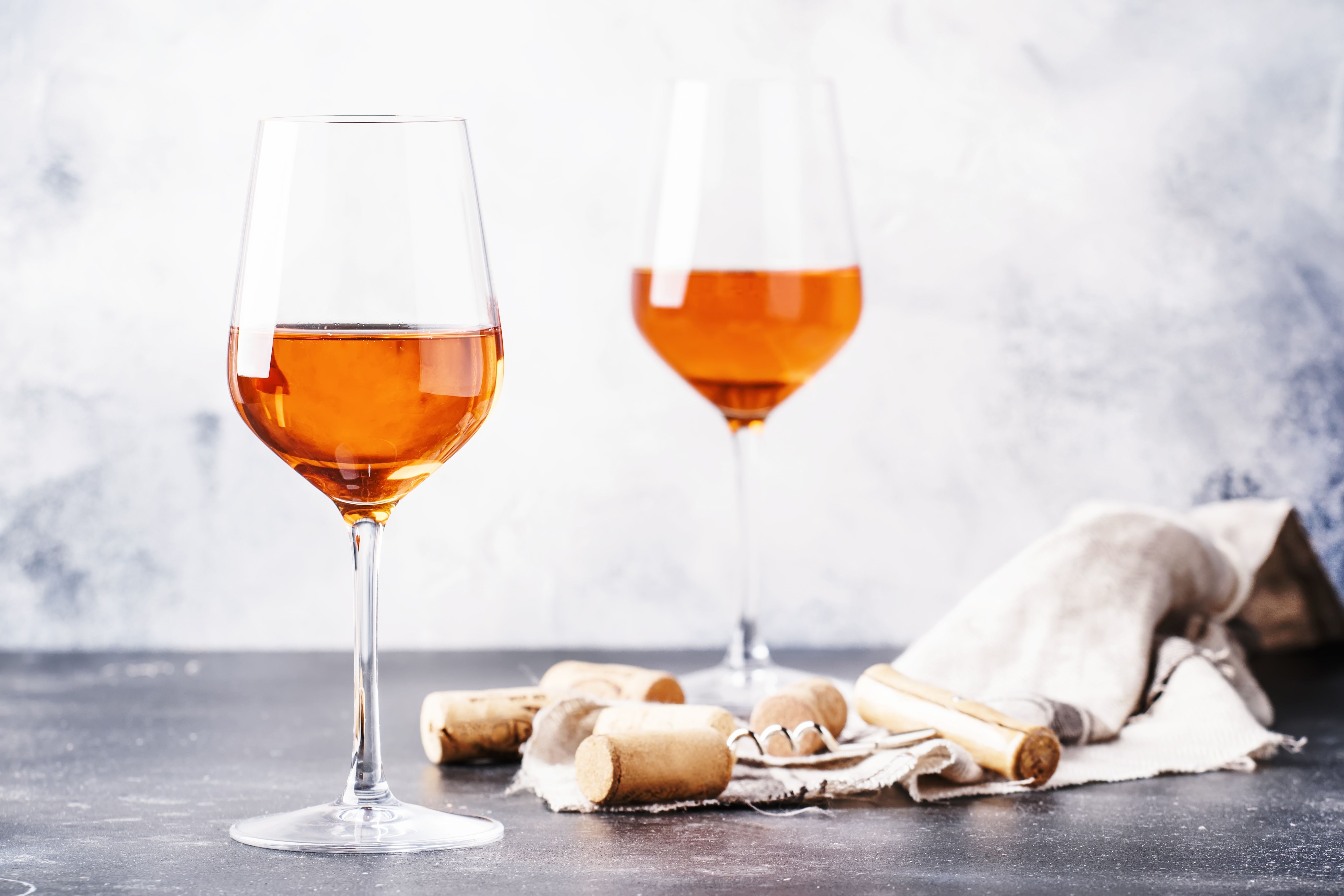
Orange wine sounds like one of those drinks invented by a marketing team in a room full of mood boards, sunset photos, and people saying things like “lean into the vibe.” But the truth is much more interesting. Orange wine is not new, not made from oranges, and definitely not a social-media gimmick with a cork. It is one of the oldest styles of wine in the world, and at the same time, one of the most misunderstood.
Ask wine experts why orange wine fascinates so many people, and the answer usually comes down to one thing: it breaks the usual rules. It is made from white grapes, yet it can have tannins like a red. It can look amber, copper, apricot, or deep gold. It can smell floral and bright, or savory and tea-like. Some bottles feel polished and elegant. Others arrive with a little wild energy, like they took the scenic route to the glass and picked up a few stories along the way.
That tension is exactly why orange wine keeps showing up in conversations about modern drinking culture. It connects ancient winemaking traditions to current curiosity. It gives people something new to discuss without actually being new at all. And it reminds the wine world that color categories can be a little too tidy for a product as old, agricultural, and gloriously messy as wine.
This guide breaks down what orange wine is, how it is made, where it comes from, why experts care about it, and why the category refuses to fit neatly inside a single box. In other words, this is orange wine without the snobbery, without the confusion, and without pretending every bottle tastes like the same sunset in a glass.
What Is Orange Wine, Exactly?
Orange wine is white wine made with extended skin contact. That is the headline. In standard white winemaking, the juice is usually separated from the grape skins quickly. In orange wine, the skins stay in contact with the juice during fermentation, sometimes for a short time and sometimes for much longer. That extra contact changes the wine’s color, texture, aroma, and structure.
Wine professionals often explain it in one easy line: orange wine is white wine made more like red wine. That comparison helps because red wines get their color and tannins from time spent fermenting with skins. Orange wine borrows that basic idea, but uses white grapes instead.
The result is not one single flavor profile. It is a category built around process, not one rigid taste. Some orange wines are delicate and lightly copper-toned. Others are deep amber and boldly structured. The point is not that all orange wine tastes alike. The point is that the skins matter.
Why Is It Called Orange Wine If There Are No Oranges In It?
Because the wine world, like the rest of humanity, sometimes creates confusion first and definitions later.
The name “orange wine” refers to color, not ingredients. White grapes can produce shades that range from straw and gold to copper, amber, and orange when their skins remain in contact with the juice. Depending on the grape variety, the length of maceration, oxidation, and cellar choices, the final hue can be subtle or dramatic.
That is why many experts prefer terms like skin-contact wine or amber wine. Those names are a little less misleading. They focus on the method rather than making people wonder whether someone poured citrus juice into a bottle of Chardonnay and called it innovation.
How Orange Wine Is Made
White Grapes Stay on Their Skins
The defining step is skin contact. White grapes are crushed, and instead of separating the juice right away, the winemaker lets the juice sit and ferment with the skins. Because grape skins contain pigment compounds, tannins, aroma compounds, and phenolics, the wine becomes darker, grippier, and more layered.
Time Changes Everything
Some orange wines spend only a brief period on the skins. Others stay there for weeks or months. Shorter maceration can create wines with a gentle copper tint and a mild textural lift. Longer maceration often produces more tannin, more savory intensity, and deeper color. This is why orange wine is a spectrum, not a single style.
Fermentation Vessels Shape Personality
Winemakers may ferment orange wine in stainless steel, oak, concrete, or clay vessels such as amphorae or qvevri. Each choice affects oxygen exposure, texture, and aromatic expression. Clay-fermented versions often carry an earthy, savory profile. Stainless steel can highlight freshness. Oak can bring more roundness or spice. The grape gives the wine its voice, but the vessel often changes the microphone.
Where Orange Wine Comes From
Although orange wine feels trendy in many modern markets, experts consistently point back to Georgia as one of its oldest and most important homes. Georgian winemaking traditions stretch back thousands of years, and one of the best-known methods involves fermenting grapes in large clay vessels called qvevri, which are buried underground. These vessels help regulate temperature and have become central to the story of amber or skin-contact wine.
From Georgia, the broader history of skin-contact winemaking threads through parts of Eastern Europe and into northeastern Italy, especially Friuli-Venezia Giulia, where producers helped revive international interest in the style. In that region, the term ramato is often associated with copper-hued wines, especially those made from Pinot Grigio, whose pinkish skins can add striking color.
Today, orange wine is made far beyond its traditional homelands. Producers in California, New York, and other American regions have embraced the style, using both classic grapes and more experimental varieties. That modern expansion helps explain why orange wine feels both ancient and current. It is a historical practice with a very modern passport.
What Does Orange Wine Taste Like?
This is the question everyone asks, and also the one with the least satisfying one-line answer. Orange wine can taste radically different from bottle to bottle. Still, experts tend to describe a few recurring themes.
Texture is often the first surprise. Because the wine spends time with the skins, it can have tannins, grip, and a slight drying sensation that white wine drinkers may not expect. This is one reason orange wine sometimes feels like a bridge between white and red categories. It may have the brightness of white wine, but with a firmer handshake.
Aromatically, orange wine often leans toward dried apricot, orange peel, bruised apple, tea, herbs, warm spice, flowers, nuts, and honeyed or oxidative notes. Some versions are crisp and lifted. Others are savory and earthy. Some feel precise and mineral. Others can seem cloudy, rustic, or intentionally raw.
Experts also caution against the lazy shortcut of calling every orange wine “funky.” Yes, some bottles have a wild edge. But the category is far too broad for that single label. Plenty of orange wines are clean, refined, and quietly complex. Calling them all funky is a bit like calling every guitar song rock music. Technically possible, emotionally sloppy.
Why Tannins Matter in Orange Wine
Tannins are one of the main reasons orange wine stands apart from conventional white wine. In wine, tannins come primarily from grape skins, and also from stems, seeds, and sometimes oak. Because most white wines are made without prolonged skin contact, they generally show much less tannic structure. Orange wine changes that equation.
Those tannins are not just a chemistry lesson with a cork. They shape the whole drinking experience. Tannins can make a wine feel sturdier, more serious, or more savory. They can also change how aromas unfold over time and how the wine sits on the palate. That is why some experts say the best way to understand orange wine is not by color but by structure. It behaves differently because it is built differently.
Common Myths About Orange Wine
Myth 1: It Is Made from Oranges
Nope. Zero oranges required. The fruit is grapes. The color comes from skin contact.
Myth 2: It Is Always Natural Wine
Not necessarily. Orange wine is a technique, not a legal category of natural wine. Many orange wines are made with low-intervention methods, but skin contact alone does not automatically place a bottle into the natural wine camp.
Myth 3: It Is Always Cloudy and Funky
Some are. Many are not. Orange wine can be filtered or unfiltered, polished or rustic, subtle or bold. The category contains multitudes.
Myth 4: It Is Always Dark Orange
Again, no. Some bottles look barely deeper than a golden white wine. Others turn rich amber. Color depends on grapes, skins, time, and technique.
Myth 5: It Is Just a Passing Trend
That would be a funny fate for a style rooted in some of the oldest winemaking traditions on earth. Its current popularity may rise and fall, but the method itself is anything but new.
Grape Varieties Commonly Used for Orange Wine
Experts often point to a handful of grapes that appear again and again in orange wine conversations. Georgian wines frequently feature Rkatsiteli. In Italy and Slovenia, Ribolla Gialla, also called Rebula, is a major name. Pinot Grigio can become beautifully copper-toned in ramato styles because its skins already carry a pink-gray tint.
Other varieties may include Friulano, Malvasia, Muscat, Albariño, Riesling, Kerner, and Chardonnay. Some grapes are especially suited to skin contact because of their aromatic intensity or phenolic structure. In simple terms, certain grapes have enough personality to handle the extra extraction without becoming clumsy or flat-footed.
That is part of the style’s appeal for winemakers. Skin contact can reveal a very different side of familiar grapes. It can turn a wine from merely pleasant into something more textured, more savory, or more thought-provoking. Sometimes the grape you thought you knew walks back into the room wearing a completely different jacket.
Why Wine Experts Still Care About Orange Wine
Orange wine matters because it expands the conversation around what wine can be. It challenges neat binaries like red versus white, traditional versus modern, polished versus natural. It also reconnects wine drinkers with the idea that technique matters just as much as grape variety.
For educators and sommeliers, orange wine is useful because it teaches several lessons at once. It shows how skins affect tannin. It illustrates how fermentation choices change a wine’s identity. It opens the door to Georgian wine history, Friulian traditions, and the global revival of old methods. And it reminds people that “normal” in wine is often just a habit with a good PR team.
For producers, orange wine can be both creative outlet and serious category. Some winemakers use it to reinterpret classic grapes. Others use it to highlight texture, structure, or ancestral methods. What once looked like a niche curiosity now has a real place in modern wine culture, not because it is weird, but because it is expressive.
Orange Wine vs. White Wine, Rosé, and Natural Wine
Orange wine is easiest to understand when placed beside familiar categories.
White wine is usually made from white grapes with little or no skin contact. The result is typically lighter in tannin and more focused on acidity and fruit.
Rosé is usually made from red grapes with only brief skin contact. That short time gives the wine a pink color, but not the full tannic structure of many reds.
Orange wine uses white grapes, but gives them more skin contact, often creating more color, grip, and savory detail than standard whites.
Natural wine is a broader and more debated idea related to farming and low-intervention production. Some orange wines are natural; many discussions overlap; but the terms are not interchangeable.
That distinction matters because orange wine often gets treated like a personality trait rather than a production method. It is not a mood board. It is winemaking.
What People Often Get Wrong the First Time
Many newcomers expect orange wine to behave like a fruity white with a cool color. Then they meet tannin, tea-like texture, and savory notes, and suddenly the entire script changes. That surprise is common. Experts say the category confuses people because the eye sends one message while the palate receives another.
A bottle may look bright and playful, then taste serious and structured. It may smell floral, then finish with bitterness that feels almost pithy, like citrus peel or brewed tea. It may seem rustic at first, then become more coherent as it opens. Orange wine often demands a little patience and a little context.
That does not make it difficult wine. It makes it wine that asks for attention. And in a category crowded with labels, scores, and predictable flavor cues, that alone helps explain its staying power.
Experiences People Associate with Orange Wine
One of the most interesting things about orange wine is not just how it tastes, but how people react to it. In classes, tastings, restaurants, and casual conversations, orange wine tends to create a very specific kind of moment: the pause. Someone takes a sip, looks at the glass, and seems to renegotiate their expectations in real time. It is not the usual white-wine reaction, and it is not the usual red-wine reaction either. It lives in that in-between space where curiosity takes over.
Wine professionals often describe orange wine as a category that sparks discussion faster than almost any other table wine. People ask questions immediately. Why is it this color? Why does it feel grippy? Why does it smell like tea, dried fruit, or herbs instead of only citrus and flowers? Those reactions are part of the orange-wine experience. It is not a silent style. It invites interpretation, disagreement, and occasionally a dramatic declaration from someone who did not expect to have feelings about fermented grapes before dinner.
There is also a visual experience attached to orange wine that experts understand well. The color alone changes perception. A coppery or amber hue makes people assume sweetness, oxidation, or even a cocktail-like profile before they smell the wine. Then the actual aromas arrive and rewrite the story. This gap between expectation and reality is a huge part of orange wine’s identity. It teaches people how much they rely on visual cues, and how quickly those cues can mislead them.
Another experience frequently mentioned by professionals is that orange wine can make familiar grapes feel unfamiliar in a productive way. A person who thinks they understand Pinot Grigio, Chardonnay, or Muscat may suddenly encounter a skin-contact version and realize those grapes have far more range than they imagined. That can be exciting, but also humbling. Orange wine has a way of making certainty feel premature.
There is a social dimension too. Orange wine often shows up in conversations about changing wine culture because it lowers one kind of barrier while raising another. It can make wine feel less formal, less bound by old rules, and more open to experimentation. At the same time, it can intimidate people who worry they are supposed to “get” it right away. Experts generally push back on that anxiety. Orange wine is not a test. It is a category with history, technique, and range. The point is not to perform knowledge. The point is to understand what the wine is doing and why.
For many people, the lasting memory of orange wine is not a single flavor note but the feeling of recalibration. It is the experience of discovering that wine categories are less fixed than they seem. A white grape can act redder. An ancient method can feel modern. A wine can be rustic and elegant, savory and floral, serious and slightly unruly at the same time. That combination is what keeps orange wine lodged in people’s memory.
In that way, orange wine becomes more than a style. It becomes an encounter with a different set of expectations. And that may be the most expert-approved insight of all: orange wine matters because it reminds people that wine is not only about flavor. It is also about texture, history, surprise, and the thrill of realizing that the old categories never told the whole story.
Conclusion
Orange wine is not a gimmick, not a juice-box rebellion for adults, and definitely not wine with oranges tossed into the mix like a desperate sangria experiment. It is a historic, process-driven style made from white grapes that stay in contact with their skins, producing wines with deeper color, firmer texture, and a much wider range of aromas and flavors than most people expect.
According to wine experts, the best way to understand orange wine is to stop treating it like a trend and start treating it like a serious category. Its roots reach back to ancient Georgian traditions. Its revival was shaped by influential producers in places like Friuli. Its modern identity stretches from old-world clay vessels to new-world experimentation. And its reputation, for better and worse, has been shaped by equal parts curiosity, misunderstanding, and genuine excitement.
At its best, orange wine expands the language of wine itself. It shows how much a simple production choice can change a grape’s entire personality. It blurs the line between white and red. It challenges assumptions. And it proves that sometimes the most “new” thing in the glass is actually one of the oldest ideas in the cellar.