

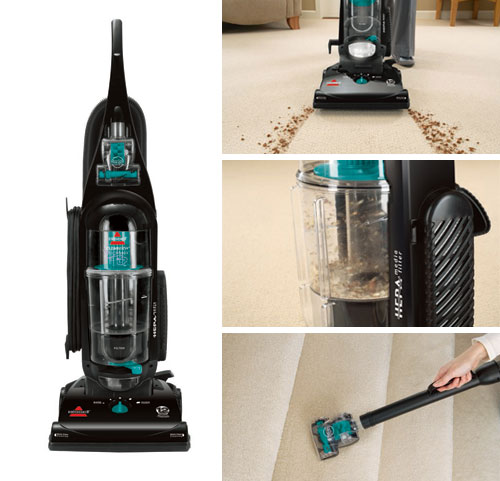
Yes, the headline is rude. No, it’s not (necessarily) a hit piece. Sometimes “this giveaway sucks” is a complimentespecially when the prize is a vacuum. And sometimes “this giveaway sucks” is just… the truth. In this guide, we’ll unpack both meanings, so you can enjoy the fun of a fab freebie without getting vacuumed into spam, sketchy links, or “Congrats! You won! Now pay a fee!” nonsense.
We’ll also look at what separates a legit giveaway from one that sucks in the bad way: confusing rules, hidden hoops, suspicious DMs, and the kind of “like-farming” posts that feel harmless until they suddenly contain a malware link. If you’ve ever entered a giveaway and thought, “Why does this feel like I’m doing unpaid labor for a chance at a $12 keychain?”welcome home.
When “This Giveaway Sucks” Was a Compliment
Long before every brand had a “like + tag 3 friends + share to your story + interpret the national anthem on kazoo” contest, a popular home-and-DIY blog ran a giveaway titled “Fab Freebie: This Giveaway Sucks”. The joke: the prize was a vacuum, and vacuumsliterallysuck. The giveaway post was simple, funny, and surprisingly instructional: it clearly listed the prize, how to enter, the deadline, and how the winner would be selected. In other words, it did the rarest thing on the internet: it respected people’s time.
That old-school format still holds up. A giveaway doesn’t need to be complicated to be effective. In fact, “simple + transparent” is often what makes a giveaway feel fab instead of fake.
Why Some Giveaways Actually Suck (And Not in the Useful Vacuum Way)
Let’s be honest: the modern giveaway ecosystem is a mixed bag. One minute you’re entering a harmless little sweepstakes for a blender; the next minute your inbox is getting 47 emails a day about “urgent prize verification” from someone with an address like totally_real_brand_8831@notasketchydomain.biz.
1) The “Like-Farming” Trap
Some fake giveaways exist to collect likes, comments, and sharesthen get edited later into something malicious (like a malware link) or repurposed to sell spammy products. If the post feels generic (“Win $500 in groceries!”), the account is brand-new, and the “rules” are basically “comment ‘ME’ and click this link,” treat it like a raccoon hissing near an open trash can: back away slowly.
2) The “No Rules, No Peace” Problem
Legit giveaways typically have terms: who can enter, how to enter, when it closes, how winners are chosen, and how winners are notified. When none of that exists, you’re not entering a contestyou’re volunteering your data to a mystery box.
3) Hidden Costs (AKA “Congrats, Now Pay Shipping!”)
A classic scam pattern: you “win,” but you need to pay a fee for shipping, processing, insurance, or “taxes.” Real sweepstakes and legitimate prize promotions generally don’t require you to pay money to claim a prize. If payment enters the chat, your best move is to exit the chat.
4) Personal-Info Overreach
Some giveaways ask for far more information than needed. To enter a standard giveaway, you typically need a way to identify you (like a name or username) and contact you (like an email). If a “giveaway” demands banking details, Social Security numbers, or scans of your ID, that’s not a giveawayit’s a “give-away-your-identity” event.
The Golden Rule: If You Have to Pay, Walk Away
Here’s the simplest scam filter in existence: you shouldn’t have to pay to win.
If someone contacts you claiming you won a prize but insists you must pay fees to collect it, that’s a major red flag. The same goes for pressure tactics (“act now!”), impersonation (“we’re from a government agency”), or messages that push you to click a link to “confirm your prize.” Real brands don’t need you to panic-click your way into a Dyson.
Also watch for the “foreign lottery” angle. If someone claims you won a lottery you never enteredespecially in another countrytreat it as suspicious. If you didn’t enter, you didn’t win. That’s not cynicism; that’s math.
A Quick “Is This Giveaway Legit?” Checklist
Before you enter, share, comment, tag your mom, and summon three friends like a social media ritual… run this quick check:
- Is the account real? Look for signs of authenticity: a consistent posting history, recognizable branding, and verified markers where applicable.
- Are the rules clear? You should be able to find: how to enter, eligibility (age/location), start/end dates, and how winners are selected and contacted.
- Is there a “no purchase necessary” path (for sweepstakes)? Many lawful sweepstakes separate themselves from illegal lotteries by offering free entry.
- Is the entry process reasonable? If it’s 19 steps, 6 accounts, and a scavenger hunt, it may be more about engagement farming than a fair drawing.
- Are you being asked to click a weird link? Be extra cautious with shortened URLs, misspellings, or “verification” pages that ask for personal or financial info.
- Did you “win” instantly? Instant-win messages from random accounts are commonly used in scams. Legit winners are usually announced through official channels or contacted per stated rules.
How to Enter Giveaways Without Getting Burned
Entering giveaways can be a harmless hobbylike birdwatching, except the birds are brands and the binoculars are your skepticism. Here are practical ways to protect your time and your data:
Use a “promo email” (and protect your main inbox)
If you enter giveaways often, consider using a dedicated email address so your primary inbox doesn’t become a landfill of “LAST CHANCE!!!” messages.
Don’t overshare personal information
For most giveaways, you don’t need your home address until you actually winand even then, only if the prize must be shipped. Be wary of entry forms that demand excessive details upfront.
Never pay to claim a prize
Not for shipping. Not for “taxes.” Not for “verification.” Not for “release paperwork.” If you’re told to pay, stop. If you’re pressured, stop faster.
Be cautious with DMs and “winner” notifications
Scammers often impersonate brands. If you get a DM saying you won, independently find the brand’s official website or verified account and check for confirmation. Don’t rely on the message itself to “prove” it’s real.
How to Host a Fab Freebie That Doesn’t Suck
If you’re on the other siderunning a giveaway for your blog, brand, Etsy shop, or social pagegood news: making a giveaway not-sucky is mostly about clarity, fairness, and not being weird about data.
1) Keep entry friction low
The more steps you add, the more your giveaway feels like a chore. One or two simple entry methods beat a 12-step obstacle course. Bonus: it’s easier to track and easier to run fairly.
2) Write “Official Rules” like a human
You can be compliant and readable. Your rules should explain:
- Sponsor (who’s running it)
- Eligibility (age, residency, exclusions)
- Start/end time (include time zone)
- How to enter (and any limits, like one entry per person/email)
- How winners are selected (random draw, judged criteria, etc.)
- How winners are notified (email, DM, announced post)
- Prize details (what it is, approximate value, shipping limitations)
- Odds disclaimer (odds depend on number of entries)
3) Be transparent about sponsorships and endorsements
If people are asked to post content about your product to enter, or if influencers are involved, disclosure matters. In plain English: if someone got something of value (money, free product, discount, travel, etc.) and then promotes it, that relationship should be clearly disclosed so audiences can weigh the endorsement appropriately.
4) Respect platform rules
Social platforms often require specific language for promotions (for example, clarifying that the platform isn’t sponsoring or endorsing the promotion). If you’re running a giveaway on Instagram, Facebook, or TikTok, check the current platform promotion guidelines and include the required release/disclaimer language.
5) Don’t create accidental “dark patterns”
A giveaway should not imply that buying something increases the odds of winning (for sweepstakes) unless you’re running a legally structured contest where skill, not chance, determines winners. If your entry flow makes people think purchase is required when it isn’t, that’s not just annoyingit can become legally risky and reputationally disastrous.
What Makes a Giveaway Feel “Fab” to Real Humans
People love giveaways for the same reason they love free samples at Costco: the tiny spark of joy that the universe might finally throw them a snack. Here’s what consistently makes giveaways feel good (and shareable) instead of scammy (and reportable):
- Clear deadlines and a visible winner announcement plan.
- A relevant prize that matches your audience (no “win a yacht” from a local cupcake shop, please).
- Simple entry that doesn’t punish people who aren’t social-media power users.
- Fair selection (random means random; judged means clear criteria).
- Respect for privacy and no surprise “your data will be sold to 43 partners” behavior.
The “Sucks” Spectrum: From Mildly Annoying to Legally Spicy
Not all bad giveaways are scams. Some are just poorly designed. But there’s a spectrum:
Mildly annoying
Too many steps. Vague deadlines. Winners never announced publicly. The prize is “exposure,” which is what influencers call “getting paid in air.”
Actively suspicious
No rules. Brand-new account. Winner notifications via random DMs. “Click here to claim.” Requests for personal/financial info. “Pay shipping.”
Potentially deceptive
Entry flows that imply purchase is required or increases odds, unclear disclosures, hidden fees, or confusing “official-looking” communications designed to pressure people into buying or paying.
If you’re hosting, the safest play is radical clarity: state how to enter for free (where applicable), state how winners are picked, state what the prize is, and state how people will be contacted. If you’re entering, the safest play is radical skepticism: verify independently and never pay to claim a prize.
Conclusion: Keep the Fun, Lose the Funk
A fab freebie should feel like a treatnot like you just signed up for a part-time job as a comment-leaving, link-clicking, data-donating intern.
The best giveaways are the ones you can understand in one pass: What’s the prize? How do I enter? When does it end? How is the winner chosen? The worst giveaways hide those answers behind hoops, hype, and “just trust us” vibes.
So whether you’re chasing that tiny dopamine rush of a possible win, or you’re trying to run a giveaway that actually builds trust, remember: transparency is the real prize. (Okay, and also the vacuum. The vacuum is nice too.)
My Giveaway Experiences: The “This Giveaway Sucks” Therapy Session (500+ Words)
I have a complicated relationship with giveaways. On my best days, I’m a cheerful optimist who believes the internet can be wholesomelike when a small business gives away a beautifully made mug, announces the winner publicly, and everyone in the comments is oddly supportive. On my worst days, I’m a grizzled giveaway veteran staring into the middle distance because I just tagged seven friends and now I have to explain to them why they were summoned.
The first giveaway I ever entered felt charmingly simple. The prize made sense, the rules were easy, and the host didn’t act like they were guarding state secrets. I commented, I moved on, and I forgot about ituntil, days later, the winner announcement showed up right on schedule. I didn’t win, but it still felt fair. That’s the underrated power of a well-run giveaway: even losing doesn’t feel gross.
Then came the era of “engagement gymnastics.” You know the type: follow five accounts, like three posts, share to your story, comment a dolphin emoji, tag two friends, and also “tell us why you deserve to win” in a 2,000-word essay that will definitely be used as marketing copy later. I once spent more time entering a giveaway than I spent cleaning my actual house. That’s when I realized the true cost of a “free” prize is sometimes your timeand your dignity.
My least favorite moment was getting a DM that said I’d won. My brain did the happy little sparkle thing for exactly half a second before the message hit me with: “Click this link to verify your details.” The account name was one letter off from the brand, like a knockoff purse trying to pass as designer. That tiny typo saved me. I didn’t click. Instead, I went to the brand’s official page and found… nothing. No winner announcement. No mention of DMs. Just regular posts. That’s the day I started treating “you won!” messages like suspicious mushrooms in the woods: pretty, tempting, and potentially life-ruining.
On the flip side, I’ve also helped run a giveaway, and let me tell you: it’s shockingly easy to accidentally create a not-great experience. If you don’t write clear rules, people ask the same questions over and over. If you don’t specify the deadline with a time zone, you get angry comments from three different continents. If you pick winners in a messy way, even honest mistakes can look shady. The internet is not a courtroom, but it is absolutely a jury.
The best lesson I learned as a host was simple: clarity is kindness. Spell everything out. Make entry easy. Respect privacy. Announce the winner. And if your giveaway involves a product that literally sucks (hello, vacuum), lean into the jokebecause joy is the entire point. A giveaway should be a little burst of fun, not a slow-motion trust fall into chaos.