

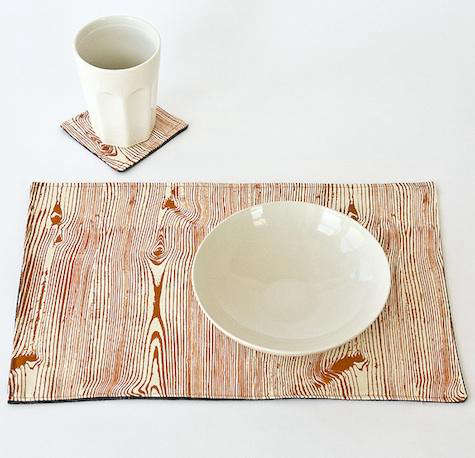
Editor’s note: This article looks at an archival San Francisco design find. Historic coverage identified Jo Bartels as a local seamstress whose placemats and coasters were sold through General Store in the Outer Sunset. Available evidence suggests the placemats discussed here are no longer in production, which honestly makes them feel even more like the cool kid everyone remembers from art school.
Some home goods make a loud entrance. They sparkle. They shout. They arrive with the confidence of a peacock in designer loafers. Jo Bartels placemats, by contrast, belong to a quieter school of style. They are the kind of tabletop pieces that do not demand attention but somehow end up getting it anyway. That is part of what made the old story of Jo Bartels placemats at General Store in San Francisco so appealing in the first place: the charm came from craft, restraint, and a very Northern California sense of ease.
At first glance, this sounds like a tiny niche topic. A placemat? Really? But good design people know the truth: sometimes the smallest household item explains an entire aesthetic. In this case, the placemats tell a bigger story about fabrics and linens, handmade goods, California retail, and the kind of store that can turn everyday dining into a low-key style statement. It is not about setting a table like you are expecting a duke. It is about making Tuesday night pasta look a little more intentional.
The Backstory: A Small Tabletop Find with Big California Energy
The original buzz around Jo Bartels placemats came from design coverage that highlighted them as locally made pieces sold through General Store SF. The placemats were described as the work of a San Francisco seamstress, offered in multiple patterned fabric options, with a memorable wood-grain line available in red, blue, or green. They were sold in sets of four, alongside matching coasters, which is the sort of detail that makes design lovers weak in the knees because coordination is nice, but coordination without fuss is even nicer.
What stands out here is not just the product, but the product philosophy. These were not mass-market placemats trying to impersonate “artisan” with a suspiciously perfect backstory. They were presented as handmade placemats, made locally, practical enough for daily use, and distinctive enough to feel collected rather than merely purchased. That difference matters. One says, “I needed something for spaghetti night.” The other says, “I care about materials, pattern, and the emotional well-being of my dining table.”
Even the wood-grain pattern feels smart. It is playful, but not goofy. It nods to nature without turning your dining room into a lumberjack costume party. It has that modern rustic balance that San Francisco shops do so well: earthy, graphic, and slightly unexpected.
Why General Store Was the Perfect Home for Them
You cannot really talk about Jo Bartels placemats without talking about General Store in SF. The shop has long been associated with the Outer Sunset’s surf-meets-design, maker-friendly atmosphere. Official brand language emphasizes simple, well-made things with attention to material, form, and function. That description could practically be stitched onto the hem of these placemats.
General Store’s San Francisco roots matter, too. The brand traces its origins to the Outer Sunset in 2009, with a current San Francisco location on Judah Street. Over time, the store built a reputation around thoughtful objects from independent artists and makers. That means the Jo Bartels placemats were never just table accessories. They were part of a larger retail environment built on curation, restraint, and a distinctly California appreciation for utility that still looks beautiful in natural light.
Bon Appétit’s old descriptions of General Store captured this mood well: a place where home objects, planters, textiles, and locally made goods feel connected to the neighborhood itself. The Outer Sunset is often framed as laid-back, creative, and a little bit hidden in plain sight. That atmosphere suits San Francisco placemats made by a local seamstress better than a giant showroom ever could. These pieces belonged in a shop where customers might buy ceramics, linens, a candle, and then wander out thinking deeply about toast and fog.
What Made the Jo Bartels Placemats So Appealing?
1. They balanced function and personality
The best placemats protect the table, define the place setting, and add visual texture. The best design placemats do all of that without looking like they were chosen during a panic-buy five minutes before company arrived. Jo Bartels’s versions seem to have hit that sweet spot. They were useful, but they also had a point of view.
2. They fit the California craft aesthetic
There is a reason handmade tabletop goods keep coming back into style. They make a table feel lived in rather than staged. In a shop like General Store, a placemat is not just a mat. It is part of a visual conversation with ceramics, wood, glass, and natural fibers. The effect is warm, unfussy, and human.
3. The patterns did real work
Pattern on the table can either rescue a bland setup or destroy it in under twelve seconds. A wood-grain print is clever because it introduces movement and texture while still reading as neutral-adjacent. It plays well with stoneware, white plates, vintage flatware, woven runners, and the kind of dinner napkins that look better slightly rumpled than aggressively ironed.
How Fabric and Linen Placemats Work in Real Life
Modern table-setting advice from major U.S. lifestyle publications is surprisingly consistent: a casual place setting usually starts with a placemat, then the plate, flatware, napkin, and glassware. In other words, the placemat is not a decorative afterthought. It is the foundation. It helps organize the setting visually, protects the surface, and gives even an ordinary meal a little ceremony.
That is why fabrics and linens matter so much. The material changes the mood immediately. Cotton placemats tend to feel easygoing and washable. Linen placemats look a little more refined and soften beautifully over time, though they wrinkle more easily because linen enjoys reminding you that perfection is overrated. Natural-fiber and woven options add texture and can make a simple table feel more layered and relaxed.
For a product like the Jo Bartels placemats, fabric was likely part of the magic. Fabric placemats bring softness to the table, both visually and physically. They take the edge off hard surfaces like stone, glass, or lacquered wood. They also let you build a setting that feels less formal than a tablecloth and more intentional than bare tabletop dining. That middle ground is where many of us actually live, somewhere between “casual dinner” and “I apparently host a candlelit harvest feast every Thursday.”
How to Style Placemats Like a Person With Taste, Not a Tabletop Control Issue
If you were styling a table around Jo Bartels placemats at General Store SF, the smartest move would be to let them do their job without overdecorating everything around them.
Keep the plate simple
White or cream stoneware would be ideal. A placemat with character needs room to breathe. If the plate, napkin, glassware, centerpiece, candleholders, and salad fork all decide to become the main event, your table starts looking like a group project with no adult supervision.
Use texture instead of noise
Pair patterned placemats with linen napkins, matte ceramics, and maybe a low centerpiece of greenery, branches, or a few flowers. Outdoor entertaining advice often emphasizes the power of natural texture, layered linens, and simple centerpieces. That logic works beautifully here. The placemat becomes part of a calm, tactile mix rather than a lonely decorative gesture.
Echo the color story
If the placemat has a wood-grain effect in red, blue, or green, borrow that color gently elsewhere. Blue glassware, olive branches, rust-toned napkins, or a weathered wood board can create cohesion without turning the table into a mood board with commitment issues.
Remember that placemats are everyday luxuries
One reason stores like General Store resonate is that they make daily rituals feel a little richer. You do not need a holiday or a dramatic dinner party to use fabric placemats. Soup counts. Toast counts. Leftover dumplings absolutely count.
Caring for Fabric and Linen Placemats Without Breaking Their Spirit
Table linens last longer when you treat them with a little respect and a little restraint. For fabric placemats, that usually means checking the maker’s instructions first, using a mild detergent, and avoiding overly aggressive washing. Delicate or vintage-style linens generally prefer gentler handling, cooler or tepid water, and zero wringing. Twisting beautiful fabric into a sad rope is not a care routine. It is a betrayal.
Storage matters too. Experts commonly recommend keeping placemats in a cool, dry place away from direct sunlight to reduce fading and material breakdown. If the placemats are especially delicate, storing them flat or with protective tissue can help prevent deep creases. In normal-person terms, do not shove them under a waffle maker and a pile of takeout menus and expect them to emerge emotionally intact.
Linen and cotton reward use. They soften, relax, and become more familiar over time. That is part of their appeal. A good fabric placemat does not need to look brand new forever. It just needs to keep looking honest, clean, and ready for one more meal.
Why This Archival Product Story Still Feels Relevant
So why revisit a discontinued product? Because the story still says something useful about how people shop for home goods now. The Jo Bartels placemats represent a shopping instinct that has only become stronger: people want objects with a clear point of view, a real maker, and a sense of place. They want pieces that feel grounded in a neighborhood, not spat out by a faceless trend machine at 2:00 a.m.
In that sense, this is not just a post about placemats. It is about the enduring appeal of local craft and thoughtful retail. General Store built a reputation by treating everyday objects as worthy of care and design intelligence. Jo Bartels’s placemats fit that vision perfectly. They were humble objects elevated by material choice, pattern, and context.
And honestly, that may be the most San Francisco part of the whole story. Not the fog. Not the cool store. Not even the Outer Sunset mystique. It is the idea that something as ordinary as a placemat can become memorable when it is made well, sold thoughtfully, and placed in the right setting.
A 500-Word Experience: What a Find Like This Feels Like in Real Life
Picture a slow afternoon in the Outer Sunset, where the light comes in sideways and everything feels a little softer around the edges. You step into General Store not because you urgently need a placemat, but because shops like this make you believe your life could become more organized, more beautiful, and maybe ten percent more photogenic if you just choose wisely. The room does not scream at you. It hums. Ceramics, books, linens, and odd little treasures all seem to understand each other.
Then you spot the Jo Bartels placemats. They are not trying to win the loudest-object-in-the-room contest. They simply sit there with that calm, collected confidence only handmade goods seem to have. The wood-grain pattern catches your eye first. From a distance it reads as natural and earthy. Up close, it becomes more graphic, more playful, more deliberate. It feels a bit like finding out that the quiet person at dinner is also the funniest.
You pick one up and immediately understand why fabric placemats still matter in a world full of disposable table stuff. The piece has softness. It bends. It has texture. It feels human. A hard placemat can be practical, sure, but a sewn fabric placemat brings warmth to the table before the food even arrives. It changes the whole emotional climate of the meal. Suddenly the setting feels less like “plate on table” and more like “someone thought this through.”
And that is really the experience a product like this creates. It is not luxury in the flashy sense. It is luxury in the quieter sense: attention, care, and a pleasant relationship with ordinary things. You begin imagining how the placemats would look at home. Maybe on a weathered oak table with white dishes and wrinkled linen napkins. Maybe outdoors with grilled fish, lemons in a bowl, and friends who stay long after dessert because nobody wants to break the mood. Maybe even on a work-from-home lunch table, where they make a reheated sandwich feel less like defeat.
That is the sneaky power of a well-made tabletop object. It gives shape to the everyday. It makes breakfast feel slightly civilized. It makes a weeknight dinner look intentional. It helps a casual gathering feel complete without drifting into overproduced territory. And in a city like San Francisco, where design culture often intersects with food, craft, and neighborhood identity, that kind of object carries extra meaning. It becomes a souvenir of place, even if you never frame it that way.
So the experience of discovering Jo Bartels placemats at General Store in SF is really the experience of recognizing something rare: usefulness with soul. You are not buying spectacle. You are buying atmosphere. You are buying the possibility that dinner can feel a little warmer, a little smarter, and a little more grounded in the pleasures of material things. Which is a lot to ask from a placemat, sure, but some placemats are just overachievers.
Final Thoughts
Fabrics & Linens: Jo Bartels Placemats at the General Store in SF may have begun as a small design story, but it still works as a case study in why handmade home goods matter. The appeal was never just the pattern, the price, or the local provenance, though all of those helped. It was the way the placemats fit into a larger world of thoughtful California design: practical, tactile, understated, and just quirky enough to be memorable.
Even if the original Jo Bartels placemats are no longer available, the lesson still holds. Buy the tabletop piece that protects your table, yes, but also buy the one that changes the mood of the room. Choose fabrics and linens that feel good in your hands. Let texture do some of the decorating. Support shops that know how to curate with restraint. And never underestimate the design power of the humble placemat. It is the little black dress of the dining table, except it is more likely to get spaghetti on it.