

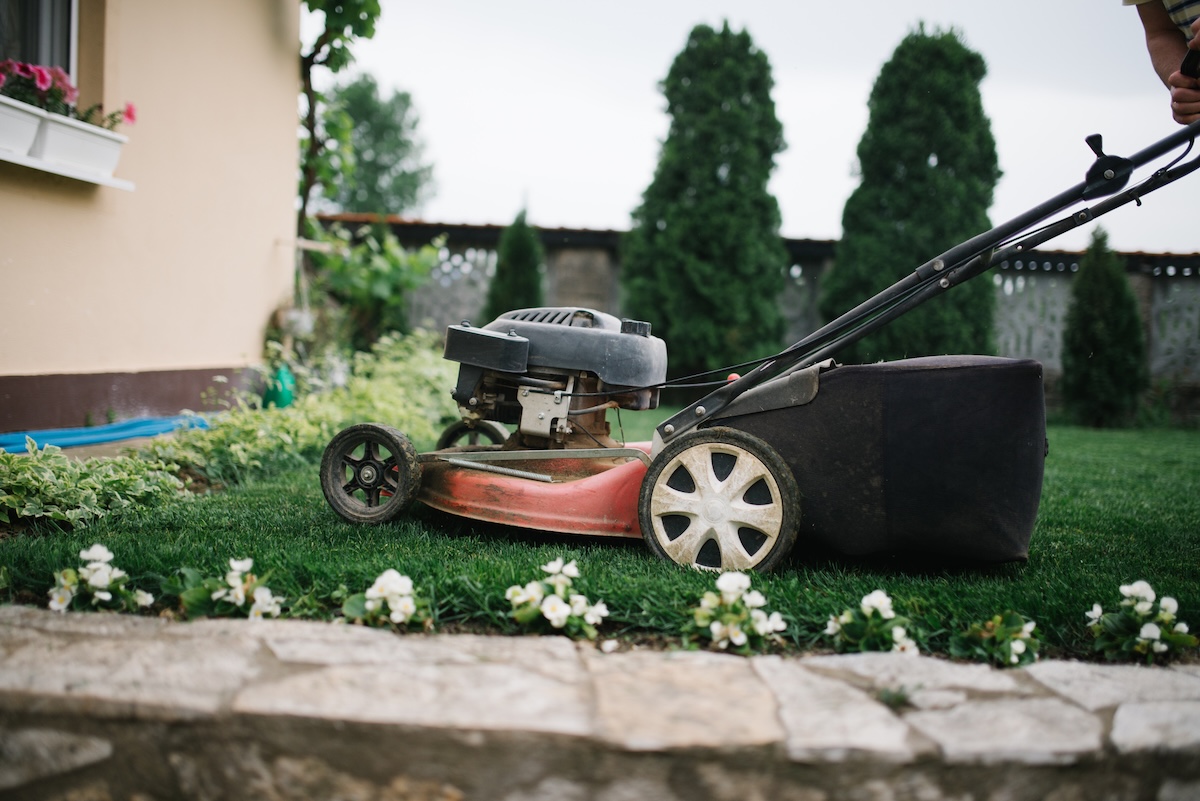
My gas mower still starts on the first pull. It still cuts. It still makes that familiar
BRRRAAAP sound that tells the neighborhood, “Yes, I’m alive and I own a lawn.”
And yet… I’m breaking up with it.
This isn’t one of those dramatic “I threw it in the driveway and set it on fire” stories. (Tempting.
But I like my homeowner’s insurance.) This is the calmer, more practical kind of switch: the one where
you realize something can “still work” and also be a constant hassle, a little unsafe, louder than it needs to be,
and frankly behind the times.
So here’s why I’m ditching my gas mowereven though it still worksand what I learned while researching
the real-world differences between gas and battery-powered mowing. If you’re on the fence, I’m not here
to shame your shed. I’m here to help you choose what makes sense for your yard, budget, and sanity.
The Gas Mower Isn’t Broken… But the Relationship Is
A working mower can still be the wrong mower. “Works” is a low bar when the routine includes:
fuel runs, oil, spark plugs, winterizing, spring wake-up drama, and that special perfume known as
gasoline on your hands for the rest of the day.
I used to accept all of that as the price of admission for a neat lawn. But battery mowers have matured fast.
They’re no longer the flimsy “toy mower” stereotype from years ago. For many average suburban yards,
they’re now a legit replacementsometimes a better one.
Reason #1: I’m Over the Gas, the Fumes, and the Mess
Let’s start with the obvious: gas mowers burn gasoline right where you breathe. They produce exhaust close to the ground,
and you’re literally walking behind it. Even when you’re outside, that doesn’t automatically mean “no exposure.”
Battery mowers don’t have tailpipe emissions. That doesn’t make them magically carbon-free (your electricity has a footprint),
but it does remove the exhaust cloud from the immediate mowing experience. It’s like the difference between
“pollution somewhere else” and “pollution directly in my face while I’m sweating.”
And yes, small engines matter
A lot of outdoor equipment uses small engines, and emissions from this category have been a long-running air-quality concern.
Even if you only mow once a week, multiplying that by millions of lawns adds up.
I also can’t ignore where policy is headed. Some states and cities are pushing cleaner outdoor equipment,
and incentives for electric tools are becoming more common. I’d rather switch on my timeline than wait until
my mower becomes the lawn-care version of a flip phone: still functional, but increasingly inconvenient.
Reason #2: The Noise Is a Quality-of-Life Issue (For Me and Everyone Else)
A gas mower isn’t just “kind of loud.” It’s the type of loud that changes the vibe of an entire neighborhood.
It turns a peaceful Saturday into “someone’s doing yard work again,” and that someone is always… you.
Quieter mowing is a bigger deal than it sounds (pun intended). Battery mowers are typically much less disruptive.
Practically, that means:
- You can mow earlier or later without feeling like a cartoon villain.
- Conversations don’t require shouting.
- You’re less likely to “accidentally” ignore your neighbor because you truly cannot hear them.
Noise also ties into hearing health. Many mowing setups land in the “you should probably wear hearing protection”
range, especially with frequent exposure. Battery mowing doesn’t eliminate noise, but it tends to lower the overall
intensity enough to feel noticeably less brutal.
Reason #3: Gas Mower Maintenance Is a Part-Time Job I Never Applied For
With gas, you’re not just mowing. You’re also managing a mini engine:
- Oil changes (or at least oil checks)
- Air filters
- Spark plugs
- Fuel stabilizer, especially before storage
- Carburetor issues (the final boss of “why won’t it start?”)
Meanwhile, battery mower maintenance is mostly:
- Charge the battery
- Keep the deck clean
- Sharpen or replace the blade
- Store the battery smartly (more on that soon)
I’m not saying electric is “no maintenance.” Nothing with a spinning blade gets to be “no maintenance.”
But it’s fewer fluids, fewer tune-ups, and fewer seasonal rituals.
Reason #4: I’m Done Storing Gasoline Like It’s a Precious Liquid Treasure
Gasoline storage is one of those things people do casually, right up until they learn they shouldn’t.
Gas is flammable. Vapors matter. Containers matter. Where you store it matters.
If you’ve ever kept a gas can “near the garage door for convenience,” congratulationsyou and I have shared a hobby:
low-grade risk management.
Switching to battery means I can stop playing “Where did I put the gas can so it won’t be near heat or sparks,
but also I won’t forget it exists?” Now my “fuel” lives in a charger on a shelf.
Reason #5: The Real Cost Isn’t Just the Sticker Price
Gas mowers often look cheaper up front, and sometimes they are. But over time, ownership costs show up as:
- Fuel (especially if you mow a lot or have a bigger yard)
- Maintenance supplies (oil, filters, plugs)
- Service visits (tune-ups, repairs)
- Replacement parts after wear and tear
Battery mowers flip the math. You often pay more initially, then save by avoiding fuel and reducing maintenance.
The big “electric cost” wildcard is the battery: how long it lasts, what a replacement costs, and whether you’re buying into
a battery ecosystem (which can be a pro or a con).
Battery ecosystem: the sneaky advantage
If you already own battery-powered yard tools, sticking with the same battery platform can be a game-changer.
One charger, shared batteries, and less clutter. It’s like joining a team. (Except this team’s uniform is grass stains.)
Reason #6: Battery Mowers Fit the Way I Actually Mow
Here’s the truth: I don’t mow five acres of rugged prairie. I mow a normal residential lawn.
I’m not cutting hay. I’m cutting grass that mostly behaves.
For that kind of yard, modern battery mowers can deliver plenty of powerespecially if you mow regularly and
avoid letting the lawn turn into a weekend jungle.
But what about tall grass and wet grass?
This is where I’ll be honest: gas still has advantages in extreme conditions. If you routinely cut very tall, thick grass,
mow infrequently, or often mow wet turf, a gas mower (or a higher-end electric model with more torque and battery capacity)
may still be the better fit.
The workaround for many homeowners is simple and surprisingly effective:
- Mow a little more often during fast growth seasons.
- Raise the cutting height and take a second pass if needed.
- Avoid mowing wet grass when possible (it’s rough on any mower).
Reason #7: Regulations and Incentives Are a Hint About the Future
I’m not switching because a law told me to. I’m switching because the direction of the market is obvious:
more battery-powered outdoor equipment, more rebates and trade-in programs in some areas, and more restrictions
on certain gas-powered tools in specific places.
Translation: even if gas mowers aren’t disappearing tomorrow, electric options are improving fastand becoming easier
to support long-term.
How I’m Choosing My Next Mower (So I Don’t Regret This)
If you’re thinking about making the switch, don’t buy based on hype. Buy based on your yard and your habits.
Here’s the checklist I’m using.
1) Yard size and runtime
Be realistic about how long it takes you to mow. If your lawn is small-to-medium, one or two batteries may be enough.
For larger yards, plan on extra battery capacity or a self-propelled model to reduce strain and time.
2) Self-propelled vs. push
Self-propelled can be a lifesaver on hills or thicker grass. It also helps offset the fact that some battery mowers can feel a bit
heavier depending on design and battery size.
3) Cutting quality features
Look for things that actually affect your lawn:
- Multiple blade or “lift” options for better mulching
- Good height adjustability (and ideally easy adjustments)
- Bagging and mulching flexibility depending on your lawn goals
4) Storage and convenience
Folding handles, vertical storage, and lighter designs matter if your garage is already full of “important” things
like holiday decorations, paint you’ll never use again, and that one mystery box you refuse to open.
Battery Care: The One Thing You Shouldn’t Ignore
The battery is the heart of the whole operation. Treat it well and it can last for years. Treat it poorly and you’ll
feel like electric was a scam (it wasn’tyou just cooked the battery in a hot garage).
What I’m planning to do:
- Store batteries in a moderate-temperature space when possible (not freezing, not baking).
- Avoid running the battery completely dead every single time if I can help it.
- Keep terminals clean and dry.
- Use the manufacturer’s charger and follow basic charging guidance.
This is the “new maintenance.” Not oil changesbattery care. It’s simpler, but it’s real.
What I’m Doing With the Old Gas Mower (Because Throwing It Out Feels Wrong)
I’m not going to pretend tossing a functioning machine in the trash is a good vibe. If your gas mower still works,
you’ve got options:
- Sell it locally (especially in early spring when demand spikes).
- Donate it if a local organization accepts equipment.
- Offer it to a neighbor or family member who needs one.
- Recycle responsibly if it’s truly at end-of-life (and handle fluids appropriately).
The goal is to transition thoughtfully, not dramatically.
The Bottom Line: I Want Easier Lawn Care, Cleaner Air Around Me, and Less Noise
My gas mower still works. But it also:
- Makes mowing louder and more disruptive than it needs to be
- Requires more maintenance than I want to do
- Involves storing gasoline and dealing with fumes
- Represents an older tech path as cleaner, quieter options improve
Battery mowers aren’t perfect. But for the way I actually mow, the tradeoffs feel worth it.
I’m not upgrading for the thrill. I’m upgrading for peace, convenience, and a yard routine that doesn’t
feel like an engine-repair side quest.
My “Experience” Making the Switch (The Stuff You Don’t See on the Box)
Let me paint the real-life picturethe part that happens between “Add to cart” and “Look at my gorgeous lawn.”
If you’ve ever switched tools (or even just tried a new lawn routine), you know the transition is where the comedy lives.
First, there’s the emotional moment of realizing your gas mower has become a project. Mine still ran, sure,
but it ran like a grumpy uncle: loud, stubborn, and convinced it deserved respect simply because it existed first.
Every spring, I’d do the little ceremonyfresh gas, oil check, maybe a new spark plugthen pull the cord like I was
starting a 1940s airplane propeller. When it finally roared to life, I’d feel victorious… and also slightly exhausted,
which is a weird mood to bring into a task that is literally just “cut grass.”
The next part was the smell. I didn’t notice it as much until I started paying attention. The gas can had that
ever-present “don’t breathe too deep” vibe. The mower had its own scent, a mix of warm engine and old fuel.
My gloves smelled like a tiny gas station. I’d finish mowing and walk inside like, “Hey family, I’m home, and I brought
the fragrance of flammable liquids with me.”
Then there was the noise. Mowing with gas felt like declaring war on quiet. If I started early, I felt guilty.
If I started later, I felt rushed. I could see neighbors pause conversations as the mower kicked on, like I’d just
interrupted a nature documentary. Even with hearing protection, the vibration and volume added a layer of stress that
I didn’t realize I was carrying until I imagined mowing without it.
When I tested a battery mower (and yes, I was skeptical), the first surprise was how… normal it felt.
Not “toy normal.” Just normal, like a modern appliance. Push a button. Go. The second surprise was how much more
present I was while mowing. With less roar, I could actually hear the world againbirds, a podcast,
my own thoughts (which was mildly terrifying at first). I wasn’t yelling over an engine, and I wasn’t trying to
finish as fast as possible just to escape the noise.
But the switch also came with new habits. I had to think about charge levels the way I think about my phone:
“Did I plug it in?” became part of the routine. The first week, I forgot once, and of course I discovered that
five minutes before I planned to mow. Classic.
I also learned quickly that mowing strategy matters more with battery. If I let the grass get too tall, I’d need
a higher cut setting or a second pass. That wasn’t a failureit was just a different workflow. Instead of brute-forcing
everything with engine power, I started mowing a touch more regularly during peak growth. Oddly, that made the lawn look
better overall, and the job felt easier.
The biggest “aha” moment? The end of the job. With gas, I’d finish and immediately start the shutdown routine
wipe down, maybe check fuel, wonder if I should stabilize it, wheel it back while it radiated heat like a small furnace.
With battery, I finished and… I was done. No fumes. No cooling engine. No lingering smell. Just a quieter yard and a mower
that folded away like it was trying to be helpful.
So yeah: my gas mower still works. But battery mowing fits the way I want yard work to feelless like mechanical labor,
more like a straightforward weekend chore that leaves me with energy for literally anything else.