

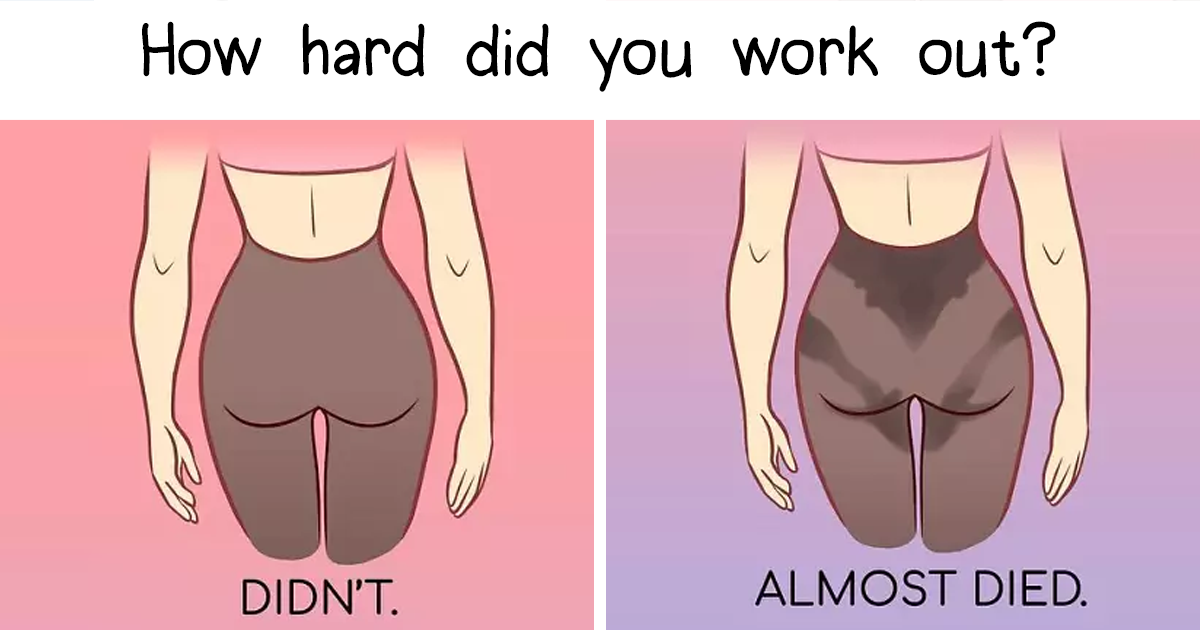
Trying to stay in shape sounds simple when a motivational poster says it: drink water, move your body, eat balanced meals, sleep eight hours, glow like a hydrated houseplant. In real life, however, fitness often arrives with laundry, deadlines, cravings, bad moods, sore legs, confusing advice, and one suspiciously loud bag of chips calling your name from the pantry. That is why the viral idea behind “Fitness Trainer Illustrates Everyday Problems Of Girls Who Are Struggling To Stay In Shape (30 Pics)” feels so relatable. It captures the comedy, frustration, and tiny victories of women who want to be healthier but also happen to live in the real world.
Fitness trainer and online personality Cassey Ho, known for Blogilates and her playful, body-positive approach to exercise, became popular not only because she teaches workouts, but because she understands the emotional side of fitness. Her illustrations and relatable comics work because they do not pretend that staying in shape is always glamorous. Sometimes it is messy. Sometimes it is hilarious. Sometimes it is a sincere attempt to do squats while wondering why the floor suddenly looks like a comfortable place to live.
This article explores the everyday fitness struggles many girls and women face, why those struggles are normal, and how to build a healthier routine without turning your life into a military boot camp run by broccoli.
Why These Fitness Illustrations Hit So Close to Home
The charm of fitness comics is that they say what many people think but rarely admit. One picture might show the confidence of buying new workout clothes, followed by the tragic plot twist of never actually working out in them. Another might capture the universal battle between “I want abs” and “I also want fries.” The humor works because the problem is not a lack of intelligence. Most people know that movement, strength training, nutritious food, and sleep matter. The hard part is consistency.
Modern fitness culture often makes health look like an all-or-nothing project. You are either “disciplined” or “lazy,” “clean eating” or “off track,” “gym girl” or “couch goblin.” Real life is more complicated. Someone can love Pilates and still hate burpees. Someone can meal prep on Sunday and order pizza on Wednesday. Someone can feel proud after a 20-minute walk because yesterday they could barely get out of bed. These illustrations are popular because they give people permission to laugh at the messy middle.
The Everyday Problems Girls Face When Trying to Stay in Shape
1. Motivation disappears faster than clean socks
Motivation is wonderful, but it is unreliable. It shows up at midnight when you are planning a complete life transformation, then vanishes at 6:30 a.m. when your alarm rings. A common mistake is waiting to “feel ready” before exercising. In reality, healthy routines are usually built through small decisions repeated often: putting shoes near the door, choosing a realistic workout, taking a walk after lunch, or doing ten minutes of stretching instead of skipping movement completely.
The best fitness plan is not the most dramatic one. It is the one you can actually repeat when life gets busy, your mood gets weird, and your couch looks emotionally supportive.
2. Food cravings are not a moral failure
Many girls struggling to stay in shape feel guilty around food. They may label meals as “good” or “bad,” then feel defeated after eating dessert. But food is not a personality test. A balanced diet can include vegetables, protein, whole grains, healthy fats, and yes, an occasional cookie that does not need a public apology.
For weight management, the basics matter more than extreme rules: overall calorie balance, enough protein, fiber-rich foods, hydration, and meals that keep you satisfied. Crash diets may look tempting because they promise fast results, but they often lead to hunger, low energy, and rebound eating. A sustainable approach is less dramatic and more effective: build meals around nourishing foods, enjoy treats intentionally, and avoid turning every snack into a courtroom trial.
3. Strength training can feel intimidating
Many women still hear outdated myths about lifting weights, such as “you will get bulky overnight.” If building muscle were that easy, every person who carried groceries once would look like a superhero. Strength training helps improve muscle tone, support metabolism, protect joints, strengthen bones, and make daily tasks easier. It can include dumbbells, resistance bands, machines, bodyweight exercises, Pilates-based moves, or home workouts.
The key is progression. That means gradually challenging your body over time. You might begin with squats to a chair, wall push-ups, glute bridges, rows with a resistance band, or light dumbbell presses. Over weeks and months, you can add resistance, reps, sets, or difficulty. No one needs to walk into the gym and immediately befriend the squat rack like it is a long-lost cousin.
4. Social media makes comparison almost automatic
One of the biggest invisible obstacles is comparison. Fitness content can be inspiring, but it can also distort expectations. A 15-second transformation video may hide months of work, professional lighting, posing, genetics, editing, or business incentives. When girls compare their normal bodies to curated online images, motivation can turn into shame.
A healthier mindset is to track personal progress instead of chasing someone else’s highlight reel. Progress might be lifting heavier, walking farther, sleeping better, having fewer energy crashes, feeling more confident, improving posture, or no longer getting winded on stairs. The mirror is only one form of feedback, and honestly, it is not always the most emotionally stable one.
5. Time is a real barrier
“Just make time” sounds easy until your schedule looks like it was designed by a raccoon with a clipboard. School, work, commuting, family responsibilities, social life, and mental fatigue can make long workouts unrealistic. The good news is that fitness does not require perfection. Short sessions count. Walking counts. Bodyweight circuits count. Ten focused minutes are better than waiting for a perfect one-hour window that never arrives.
A practical weekly routine might include two strength sessions, two or three walks, one mobility session, and active choices throughout the day. This could mean taking stairs, parking farther away, doing calf raises while brushing your teeth, or stretching while watching TV. Tiny actions may seem unimpressive, but they build momentum.
6. Progress feels slow, and patience is rude
Many people quit because results do not appear quickly enough. Fitness progress is often subtle at first. You may feel slightly stronger before you look different. Your mood may improve before your jeans fit differently. Your endurance may increase before the scale changes. The body adapts on its own timeline, which can be deeply annoying for those of us who would prefer overnight results with free shipping.
This is where realistic tracking helps. Instead of relying only on weight, consider recording workouts, energy levels, measurements, sleep quality, mood, or how clothes fit. Photos can help some people, but they can also trigger comparison, so use them only if they support your mental health. The goal is not to obsess over data; it is to notice progress when your brain says nothing is happening.
How to Stay in Shape Without Losing Your Mind
Start smaller than your ego wants
When motivation is high, people often build routines that look impressive but are impossible to maintain. They plan six workouts a week, ban every favorite food, wake up before sunrise, and decide they are now a “new person.” Three days later, the new person is exhausted and negotiating with a donut.
Start with a routine so simple it almost feels too easy. Walk for 15 minutes. Do a beginner strength workout twice a week. Add protein to breakfast. Drink water before your second coffee. Stretch before bed. Once these habits become normal, build from there. Consistency loves boring little systems.
Choose workouts you do not secretly hate
Not everyone needs to run. Not everyone needs to lift barbells. Not everyone needs to join a gym where the machines look like medieval furniture. The best exercise is the one that fits your body, goals, personality, schedule, and preferences. Pilates, dance cardio, swimming, cycling, hiking, strength training, yoga, kickboxing, walking, and home workouts can all be useful.
If you hate a workout, you will eventually avoid it. If you enjoy it, or at least tolerate it without emotional damage, you are more likely to return. Fun is not childish; it is a strategy.
Build meals around satisfaction
Healthy eating becomes easier when meals are satisfying. A tiny salad with three lonely cucumbers may look “clean,” but if it leaves you hungry an hour later, it is not helping. Aim for meals that include protein, fiber-rich carbohydrates, colorful produce, and fats that support fullness. Examples include eggs with whole-grain toast and fruit, chicken or tofu bowls with rice and vegetables, Greek yogurt with berries and nuts, or salmon with potatoes and greens.
Planning helps, but it does not need to be fancy. Keep simple ingredients available: frozen vegetables, canned beans, eggs, yogurt, oats, pre-washed greens, rotisserie chicken, tuna, tofu, rice, fruit, and nuts. Your future hungry self will thank you, possibly with dramatic sincerity.
Use the “never miss twice” rule
Missing one workout is normal. Missing one week because one workout was missed is the real trap. The “never miss twice” rule is simple: if you skip a planned workout or eat in a way that does not support your goals, return to your routine at the next opportunity. No punishment. No panic. No “I ruined everything” speech.
Fitness is not a glass vase that shatters when you make one imperfect choice. It is more like brushing your teeth. You do not quit oral hygiene because you forgot one night. You just brush again.
What These 30 Pics Say About Fitness Culture
The popularity of funny fitness illustrations reveals a bigger truth: people are tired of being shamed into wellness. They want honest fitness content that recognizes cravings, insecurity, busy schedules, changing bodies, and the emotional roller coaster of trying to improve. Humor makes the conversation softer. It says, “Yes, this is hard, but you are not the only one.”
That matters because shame rarely builds long-term health. Shame may create a short burst of action, but it often leads to burnout, secrecy, and self-criticism. Encouragement, on the other hand, makes change feel possible. When a fitness trainer shows the funny side of struggling to stay in shape, the message becomes more human: health is not about becoming perfect; it is about learning how to care for yourself repeatedly.
Girls and women especially need fitness messages that go beyond appearance. Looking good can be a valid goal, but it should not be the only one. Exercise can support strength, confidence, stress relief, heart health, mobility, better sleep, and daily energy. Food can be both nourishing and joyful. Rest can be part of discipline. A healthy body is not a decoration; it is the place you live.
Specific Examples of Relatable Fitness Struggles
One classic struggle is buying cute workout clothes and feeling instantly athletic, only to realize that leggings alone do not perform lunges. Another is deciding to eat healthier, then discovering that every office, classroom, and family gathering has somehow become a pastry festival. There is also the famous “I will work out later” promise, which begins confidently in the morning and quietly disappears by evening.
Then there is the gym anxiety problem. Many beginners worry that everyone is watching them. In truth, most people at the gym are thinking about their own workout, their playlist, or whether they remembered to wipe down the machine. Still, fear of judgment is real. Starting at home, going during quieter hours, following a simple written plan, or working with a trainer can help reduce that anxiety.
Another common problem is soreness. The first time you do a proper lower-body workout, stairs may suddenly become your greatest enemy. Mild soreness can be normal, especially after new exercises, but pain, sharp discomfort, or swelling should not be ignored. Warm-ups, gradual progression, hydration, sleep, and rest days help the body adapt.
Finally, there is the “scale mood swing.” Some people let one number decide whether they feel proud or disappointed. But weight fluctuates because of water, sodium, hormones, digestion, muscle gain, and stress. A single weigh-in does not tell the whole story. Better fitness is built through patterns, not daily drama.
Experiences Related to Girls Struggling to Stay in Shape
Anyone who has tried to build a fitness routine knows the experience is rarely a straight line. It often begins with excitement. You buy a water bottle large enough to hydrate a small village, save three workout videos, create a playlist called “New Me,” and imagine yourself becoming the kind of person who says things like “I crave vegetables.” For a few days, everything feels fresh. Then real life enters wearing muddy shoes. You sleep badly, your legs ache, your schedule changes, and suddenly your workout mat looks less like a fitness tool and more like a decorative rug.
The most relatable experience is learning that discipline does not always feel powerful. Sometimes it feels like doing a short workout while your brain complains the entire time. Sometimes it means choosing a balanced dinner after a stressful day, not because you are thrilled, but because you know your body deserves care. Sometimes it means resting instead of pushing harder, especially when you are exhausted. Staying in shape is not only about forcing action; it is about learning when to move, when to recover, and when to stop treating yourself like a problem to be fixed.
Many girls also experience the emotional confusion of wanting results while trying to love their bodies now. That balance can be tricky. You can want stronger arms, better endurance, or fat loss without hating your current body. You can appreciate what your body does while still working toward change. The healthiest fitness journeys often begin when the goal shifts from punishment to partnership. Instead of saying, “I need to work out because I ate too much,” try, “I want to move because my body feels better when I do.” That sentence may not sound as intense as a boot-camp slogan, but it lasts longer.
Another real experience is realizing that support matters. A friend who joins you for walks, a trainer who explains form without judgment, a community that celebrates effort, or a family member who respects your goals can make consistency easier. On the other hand, negative comments can make the journey harder. That is why humor, like the kind seen in fitness illustrations, can be surprisingly powerful. It turns private embarrassment into shared laughter. It reminds people that cravings, skipped workouts, awkward gym moments, and slow progress are not signs of failure. They are simply part of being human.
In the end, staying in shape is not about becoming the most disciplined person in the room. It is about becoming someone who keeps returning. You return after vacation. You return after a stressful week. You return after eating more than planned. You return after losing motivation. Every return builds identity. Eventually, fitness stops feeling like a dramatic project and starts feeling like a normal part of life. Not perfect. Not effortless. Just yours.
Conclusion: Fitness Is Funnier, Kinder, and More Sustainable Than Perfection
“Fitness Trainer Illustrates Everyday Problems Of Girls Who Are Struggling To Stay In Shape (30 Pics)” resonates because it shows the truth behind the polished fitness fantasy. Staying in shape is not only about workouts and meal plans. It is about habits, emotions, time, confidence, cravings, patience, and self-talk. It is about laughing when your grand plan collapses, then trying again without turning the collapse into your identity.
The most useful fitness mindset is not “be perfect.” It is “keep going in a way you can live with.” Move your body. Lift something challenging. Eat meals that nourish and satisfy you. Sleep when you can. Drink water. Stop comparing your behind-the-scenes life to someone else’s edited highlight reel. And when you struggle, remember that thousands of other people are struggling tooprobably while wearing cute leggings they fully intended to exercise in.
Note: This article is for general informational and lifestyle purposes only. Anyone with medical conditions, injuries, pregnancy-related concerns, eating disorder history, or major changes in health should speak with a qualified healthcare professional before beginning a new fitness or nutrition plan.