

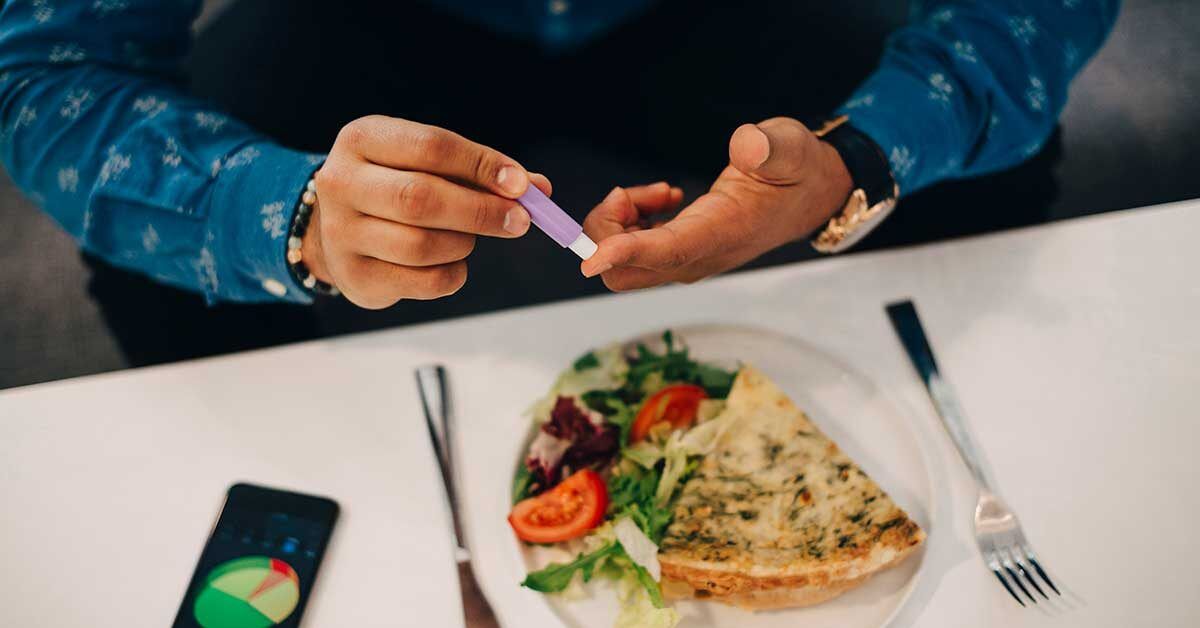
Mealtime insulin sounds simple enough: eat food, take insulin, move on with your day. In real life, though, it can feel more like trying to land a tiny airplane on a windy runway while holding a burrito. Timing matters. Dose matters. What you eat matters. Exercise, stress, illness, sleep, and that one mysterious restaurant meal with “light sauce” that is somehow absolutely not light also matter.
That is why understanding mealtime insulin is such a big deal. Also called bolus insulin or prandial insulin, mealtime insulin is designed to handle the rise in blood sugar that happens after you eat. It works differently from basal insulin, which covers your background insulin needs between meals and overnight. For many people with type 1 diabetes, mealtime insulin is a daily essential. For some people with type 2 diabetes, it becomes part of treatment when meals keep pushing blood sugar higher than target despite other therapies.
This guide breaks down what mealtime insulin is, the main types, how dosing is generally approached, the benefits, the common challenges, and what real-world life with mealtime insulin often looks like. No scare tactics. No robotic jargon. Just clear, practical information in plain American English.
What Is Mealtime Insulin?
Mealtime insulin is insulin taken at or before meals to control the blood sugar rise that follows eating. Its main job is to match the carbohydrates in a meal and help reduce post-meal glucose spikes. In a healthy pancreas, insulin release increases quickly when food arrives. Mealtime insulin tries to imitate that response, even though human-made insulin is not quite as fast or as flexible as the real thing.
In a basal-bolus regimen, basal insulin handles background needs, while mealtime insulin covers food and sometimes corrects a high premeal glucose level. People using multiple daily injections may take mealtime insulin with a pen, syringe, or inhaled product. People using insulin pumps usually receive rapid-acting insulin continuously for basal needs and then give an extra bolus dose at meals.
Who May Need Mealtime Insulin?
People with type 1 diabetes generally need both basal and mealtime insulin because the body makes little or no insulin on its own. Many people with type 2 diabetes do well for years with lifestyle changes, non-insulin medications, or basal insulin alone. But when after-meal blood sugar remains high, a clinician may add mealtime insulin to improve control.
Mealtime insulin may also be used in pregnancy-related diabetes care, after pancreatic surgery, or in other situations where insulin production is limited or insulin needs change dramatically. The exact plan depends on the person, not on a one-size-fits-all chart from the internet. The internet, after all, still cannot see what was actually in that “healthy smoothie.”
Types of Mealtime Insulin
Rapid-acting insulin analogs
These are the workhorses of modern mealtime insulin therapy. They begin working quickly and are usually taken right before a meal. Common examples include:
- Insulin lispro
- Insulin aspart
- Insulin glulisine
Some newer ultra-rapid options, such as faster aspart and ultra-rapid lispro formulations, are designed to act even more quickly. These are especially useful for people who want tighter control of post-meal spikes or more flexibility when meals start suddenly. Because, yes, life occasionally turns into “I wasn’t hungry five minutes ago, and now I need tacos immediately.”
Regular or short-acting insulin
Regular insulin is an older but still important option. It usually needs to be taken earlier than rapid-acting insulin, often about 30 minutes before eating. It can work well, but the timing demands more planning. That is great if you run your day like a train schedule. Less great if your day runs you.
Rapid-acting inhaled insulin
Inhaled insulin is another mealtime option for some adults. It is taken at the beginning of a meal and works quickly. It is not right for everyone and has its own safety considerations, especially for people with certain lung conditions. It also does not replace the need for basal insulin in people who require background coverage.
Premixed insulin
Premixed insulin combines mealtime and basal components in one product. It may simplify routines for some people, but it is less flexible because the basal and meal coverage are tied together. That can be convenient, but convenience sometimes comes with less precision.
How Mealtime Insulin Dosing Is Usually Determined
Now for the part everyone wants to know and nobody should guess: how is the dose decided? The answer is that mealtime insulin dosing is usually individualized based on several moving parts:
- How many carbohydrates are in the meal
- Current blood glucose level before eating
- Planned physical activity
- Insulin sensitivity at that time of day
- The insulin formulation being used
- Illness, stress, hormones, sleep, and other real-life troublemakers
1. Insulin-to-carb ratio
Many people use an insulin-to-carbohydrate ratio. This ratio estimates how many grams of carbohydrate are covered by 1 unit of insulin. For example, if a clinician sets a ratio of 1:10, that means 1 unit of insulin is intended to cover 10 grams of carbohydrate. A 60-gram meal would equal 6 units for food coverage. That is an example of the math, not a universal dose recommendation.
This approach is common in intensive insulin therapy because it lets the dose match the meal rather than forcing the meal to match a fixed dose. It is flexible, but it does require accurate carb counting. And carb counting is a skill, not a magical gift bestowed by opening a nutrition app.
2. Correction factor or sensitivity factor
If blood sugar is already above target before a meal, the clinician may also prescribe a correction dose. This uses a correction factor, sometimes called an insulin sensitivity factor, to estimate how much 1 unit of insulin will lower blood glucose. Pumps often help with this math, but the settings still need to be customized and reviewed over time.
3. Total daily insulin needs
In type 1 diabetes, overall daily insulin needs are often divided between basal and prandial insulin. Many treatment plans use roughly 30% to 50% of the total daily insulin as basal, with the rest as prandial insulin, though that balance varies by age, meal pattern, activity, illness, puberty, pregnancy, and insulin resistance.
4. Meal composition
Carbohydrates are the main driver of mealtime dosing, but fat and protein can also affect blood sugar, especially later after a meal. A slice of toast and a bacon-cheeseburger may contain similar carb counts, but they may not hit blood sugar the same way or on the same timeline. This is why some people work with their diabetes team to adjust timing, split boluses, or pump settings for high-fat or high-protein meals.
5. Timing matters
A well-timed dose often works better than a late heroic dose. Rapid-acting insulin usually works best when taken right before eating, while regular insulin often needs a longer lead time. If the insulin goes in too late, blood sugar may spike first and come down later, which can feel like chasing your meal instead of covering it.
Benefits of Mealtime Insulin
Better post-meal blood sugar control
The biggest advantage is right there in the name: mealtime insulin helps control blood sugar around meals. It reduces postprandial spikes, which can improve overall glucose management and make daily readings less dramatic.
Lower A1C and better time in range
When mealtime insulin is timed and dosed well, it can contribute to lower A1C and more time spent in the target glucose range. For people using continuous glucose monitors, that often translates to smoother graphs and fewer roller-coaster swings.
More flexibility with food
Instead of eating the exact same amount at the exact same time every day, carb-based dosing can offer more flexibility. That does not mean “wild abandon at the dessert buffet,” but it does mean life can look more normal.
Support for insulin pumps and automated systems
Pumps and automated insulin delivery systems depend heavily on accurate mealtime boluses. These tools can improve glucose outcomes and reduce hypoglycemia risk, but they still work best when the meal bolus is entered thoughtfully. Technology is helpful. Technology is not psychic.
Risks and Side Effects to Watch
Hypoglycemia
The most important risk is low blood sugar. This can happen if too much insulin is taken, if a meal is delayed, if fewer carbs are eaten than expected, if exercise lowers glucose more than planned, or if alcohol enters the party uninvited. Symptoms vary, but may include shakiness, sweating, fast heartbeat, hunger, confusion, irritability, or feeling “off.” Severe hypoglycemia is a medical emergency.
Weight gain
Some people gain weight after starting or intensifying insulin therapy. This does not mean insulin is bad; it often reflects improved calorie use, changes in eating behavior after lows, or other medication and lifestyle factors. The goal is not to fear insulin. The goal is to use it wisely with a plan that supports nutrition, activity, and safety.
Dosing errors and mix-ups
Errors can happen when insulin types are confused, doses are miscalculated, or devices are used incorrectly. Pens, vials, and pump settings all need attention. Similar-looking packaging has caused real problems, which is why labeling, storage habits, and double-checking matter.
Mealtime Insulin and Diabetes Technology
Mealtime insulin has entered its gadget era. Continuous glucose monitors, smart pens, and insulin pumps can help people make more informed choices. Many pumps calculate bolus doses based on current glucose, carb intake, and programmed correction factors. Automated insulin delivery systems can adjust background insulin in real time and improve time in range.
Still, no device erases the need to understand meals, timing, and trends. The person wearing the tech still brings the context: “I am about to eat pizza,” “I just ran up three flights of stairs,” or “This reading makes no sense because my sensor was apparently lying dramatically on my arm.”
Practical Tips for Safer Mealtime Insulin Use
- Know which insulin you are using and how quickly it starts working.
- Do not copy someone else’s carb ratio or correction factor.
- Check glucose as advised, especially before meals and when patterns change.
- Be extra careful with delayed meals, exercise, illness, alcohol, and travel.
- Keep fast-acting carbs nearby in case of lows.
- Review recurring patterns with a clinician instead of making random “guess-and-hope” changes.
- If you use a pump, keep a backup plan for injections in case of device failure.
What Real-Life Experience With Mealtime Insulin Often Feels Like
For many people, the first experience with mealtime insulin is not dramatic; it is surprisingly emotional. There is often relief, because numbers may finally start making sense. There is also frustration, because eating stops being casual for a while. A sandwich becomes math. A restaurant menu becomes detective work. A family dinner becomes, “Can I see the nutrition label, and why is this pasta portion the size of a toddler?”
Early on, people often describe a steep learning curve. They may discover that breakfast needs a different approach than dinner. They may find that the same cereal acts one way on Monday and another way on Friday after a bad night of sleep. Some realize their glucose rises faster with juice than with bread. Others learn the humbling truth that pizza is not a meal; it is an advanced placement course in delayed glucose spikes.
People using pens often talk about the routine becoming second nature with time. At first, every dose can feel like a major event. Later, it becomes part of the rhythm of the day: check, count, dose, eat, move on. Pump users often appreciate the convenience of bolusing without carrying as much gear, but they also describe the mental load of settings, site changes, alarms, and troubleshooting. Technology helps, but it comes with homework.
Many people report that carb counting gets easier once they stop aiming for perfection and start looking for consistency. They get better at estimating portions, spotting trouble meals, and reviewing patterns instead of obsessing over one weird reading. That shift is huge. A single high number is information, not a moral failure. A single low is a problem to fix, not a sign that the whole plan is broken.
Another common experience is learning that insulin needs are not static. Exercise can lower glucose faster than expected. Stress can push it higher. Illness can throw the whole routine into a blender. Hormonal changes, travel, work shifts, and even heat can change insulin action. People often say the most helpful lesson is not memorizing one perfect dose, but learning how to notice patterns and respond safely.
Support matters, too. Diabetes educators, endocrinologists, dietitians, pharmacists, family members, and peer communities can make mealtime insulin feel less lonely and less confusing. The people who do best are rarely the ones who never have surprises. They are usually the ones who know how to adapt, ask questions, and keep going without panic when a meal does not go as planned.
In other words, the lived experience of mealtime insulin is rarely about becoming a flawless human calculator. It is about building confidence, recognizing patterns, using tools wisely, and making blood sugar management fit real life instead of trying to turn real life into a laboratory. That is the difference between surviving diabetes care and actually living with it.
Final Thoughts
Mealtime insulin is one of the most effective tools for controlling after-meal blood sugar, but it works best when it is personalized. The right dose depends on the insulin type, meal size, meal composition, current glucose, activity, and the person’s own response pattern. Rapid-acting insulin, regular insulin, inhaled insulin, and pump-delivered boluses all have a place, but none of them are plug-and-play.
The real goal is not chasing perfect numbers every minute of the day. It is building a safe, flexible routine that improves glucose control, reduces dangerous highs and lows, and makes everyday life more manageable. With education, review, and the right tools, mealtime insulin can go from intimidating to empowering. And that is a much better dinner companion than confusion.