

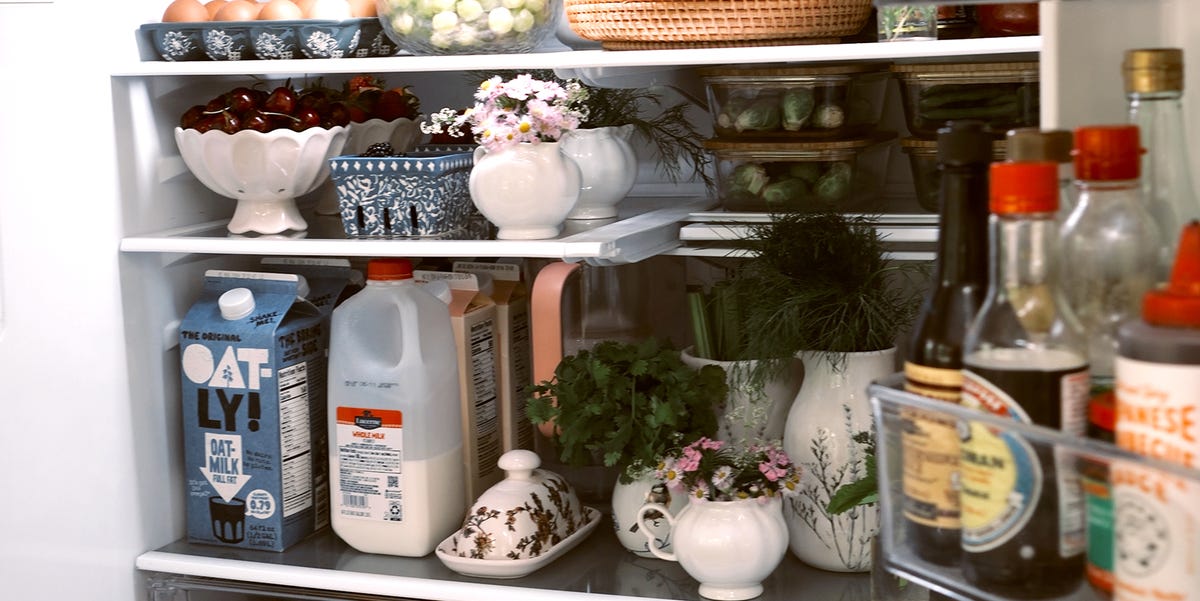
Fridgescaping is what happens when “I should clean the fridge” meets “wait… this shelf has potential.” Instead of treating the refrigerator like a cold storage cave where leftovers go to forget their names, fridgescapers style the inside with pretty containers, themed “mini scenes,” and Instagram-worthy order. Think: produce arranged like a farmer’s market, eggs lounging in a ceramic tray, and (in the more dramatic corners of the internet) flowers, framed photos, and “Fridgerton”-inspired Regency vibes.
Is it a little extra? Absolutely. Is it also a surprisingly effective way to make your fridge easier to use, reduce food waste, and feel more in control of your weeknight dinner chaos? Also yesas long as you don’t forget the fridge’s #1 job: keeping food safe.
What Is Fridgescaping (and Why Is Everyone Doing It)?
At its core, fridgescaping is the practice of styling a refrigerator’s contents so it looks beautiful when you open the doorlike “tablescaping,” but chillier and with more baby carrots. The trend went viral through TikTok and Instagram, where creators film fridge “resets” and themed makeovers that turn cold shelves into curated displays.
But fridgescaping isn’t just a social media invention. The term “fridgescaping” was coined in 2011 by California-based design consultant Kathy Perdue, long before the current wave of viral fridge makeovers. In other words: your fridge has been waiting patiently for its glow-up for over a decade.
Why it’s catching on now
- Micro-joy is trending. People are “romanticizing the everyday”and opening your fridge is an everyday moment you repeat a lot.
- Organization fatigue is real. Traditional “perfect pantry” content can feel intense. A small fridge shelf is a more manageable canvas.
- Visibility reduces waste. When you can see what you have, you’re less likely to buy duplicates or abandon produce in the back until it becomes compost with a receipt.
- It can nudge healthier choices. A pretty, visible snack setup can make grabbing fruit feel easier than rummaging for chips.
The Big Benefit Nobody Mentions: A Fridgescape Can Make Your Life Easier
Done well, fridgescaping isn’t just decorationit’s functional design. A fridge that looks good often works better because it’s organized with intention. The key is to style around how you actually live.
Practical perks that can actually matter
- Faster meals: Grouping ingredients (salad kit zone, breakfast zone, snack zone) reduces “what do we even have?” time.
- Less food waste: Clear containers and front-facing items help prevent the “mystery bag wilt” phenomenon.
- Smoother routines: A ready-to-grab lunch shelf can keep weekday mornings from turning into a frantic fridge excavation.
- A little dopamine: Yes, it’s OK to enjoy your fridge. Life is hard. Let the berries be cute.
Food Safety First: The Rules Your Fridge Will Not Negotiate
Before we talk about aesthetic butter dishes, we have to talk about the boring-but-important stuff: temperature, cross-contamination, and time. Because the fridge is not a shadowbox display case. It’s a food safety tool.
Non-negotiables for safe fridgescaping
- Keep your fridge at 40°F or below (many experts recommend aiming a bit colderaround the mid-to-high 30sso you don’t creep above 40°F when doors open and close).
- Don’t leave perishables out more than 2 hours (or 1 hour if it’s hot outside).
- Store raw meat/poultry/seafood sealed and low so drips can’t contaminate ready-to-eat foods.
- Respect leftover timelines: Most cooked leftovers should be eaten or frozen within about 3–4 days.
Fridgescaping “translation”: If a décor choice makes it harder to keep foods cold, clean, sealed, and easy to monitor, it’s not a fridgescapeit’s a food safety obstacle course.
How to Fridgescape Without Turning Your Fridge Into a Museum Exhibit
The secret to fridgescaping that lasts longer than one photogenic afternoon is designing for reality. That means quick resets, wipeable materials, and layouts that survive midnight snack grabs.
Step 1: Start with a “blank canvas” clean (fast version)
- Pull out expired items and anything suspicious (if it smells like regret, it’s done).
- Wipe shelves and drawers with a mild cleaner; dry everything.
- Check fridge temperature with a thermometer, not vibes.
Step 2: Pick a layout that matches how you eat
Try organizing by “use case” instead of food category. Examples:
- Breakfast bar: yogurt, fruit, granola, cold brew, grab-and-go protein.
- Lunch shelf: leftovers, washed greens, deli items, prepped veggies, dressing.
- Snack zone: cut fruit, cheese sticks, hummus, crunchy vegetables.
- Cook tonight bin: ingredients you must use soon (the “save me” shelf).
Step 3: Upgrade containers (but keep it sensible)
Many fridgescapes rely on transferring foods into nicer containers. That can workespecially if it improves visibility and sealingbut it’s not required. If you do transfer:
- Choose food-grade, airtight containers that are easy to wash.
- Label items with dates (your future self will thank you loudly).
- Avoid porous materials that are hard to sanitize in a damp, cold environment.
Step 4: Make it pretty with “edible design”
If you want the fridgescaping look without adding non-food décor, lean into food itself as décor:
- Arrange citrus, apples, and bell peppers in a bowl like a still life you can snack on.
- Use clear bins so colorful produce is visible and not hidden in crisper drawer purgatory.
- Group items by color for a subtle “styled” look (greens together, bright fruit together).
Themed Fridgescapes: Fun Ideas That Don’t Eat Your Shelf Space
Some creators switch themes every couple weeksthink Bridgerton-inspired “Fridgerton” fridges, seasonal holiday shelves, or cozy cottage vibes. Themes can be playful without becoming impractical.
Low-lift theme ideas
- Seasonal palette: winter citrus + greens, spring berries + herbs, summer stone fruit, fall apples + pears.
- Farmstand shelf: wash and prep produce, then display it in clear bins and bowls.
- Self-care station: sparkling water, cut fruit, yogurt, and easy proteinthings you want to reach for.
- Charcuterie-ready: cheeses in a bin, olives/pickles together, crackers outside the fridge (because soggy crackers are a crime).
If you really want décor items inside the fridge…
Some fridgescapers add flowers, vases, or display objects. If you’re tempted, keep it minimal and removable:
- Use only items that are cleanable (smooth glass/ceramic).
- Keep décor away from raw foods and from areas likely to drip.
- Never let décor block vents or prevent airflow.
- Skip anything electrical (like fairy lights). Cold + condensation + wiring is not a cute aesthetic; it’s a bad idea.
Common Fridgescaping Mistakes (and How to Avoid Them)
Mistake 1: Styling that hides food
If your pretty setup makes you forget what you own, you’ll waste more foodnot less. Fix it by keeping the “use soon” items front and center, and by using transparent bins.
Mistake 2: Overcrowding the fridge
Air circulation helps keep temperatures consistent. When shelves are jammed full of containers and décor, cold air can’t move properly. Use fewer containers, stack smartly, and leave breathing room.
Mistake 3: Putting raw meat near ready-to-eat foods
This is where fridgescaping must behave like a grown-up. Store raw proteins sealed on the bottom shelf. Keep produce and ready-to-eat foods above.
Mistake 4: Falling for “one-day perfection”
A fridgescape that only looks good for 12 hours isn’t a lifestyleit’s a photoshoot. Build a system you can reset in 10 minutes: bins, zones, labels, and a weekly “mini refresh.”
Budget Fridgescaping: You Don’t Need Fancy Containers to Make It Work
Fridgescaping can look luxurious online, but you can get the same functional benefits with low-cost moves:
- Reuse glass jars from pasta sauce (washed thoroughly) for dry fridge items like nuts or washed grapes (if appropriate).
- Use one “priority bin” for foods that need to be eaten soon.
- Turn labels into your aesthetic: simple masking tape + marker works.
- Make the fridge look cleaner by grouping like items togethereven in original packaging.
Fridgescaping and Food Waste: Can a Pretty Fridge Actually Help?
It canif the design improves visibility, reduces duplicates, and makes ingredients easier to use. A styled fridge often encourages people to cook at home more because the ingredients feel “ready.” But aesthetics alone won’t prevent waste. The waste-saving magic comes from systems:
- First in, first out: move older items forward.
- Date leftovers: so you don’t play “guess the container” on day five.
- Plan for the week: keep meal ingredients grouped together.
A Simple “Safe Fridgescaping” Checklist
- Fridge temp is ≤ 40°F (use a thermometer).
- Raw meats sealed and stored on the bottom shelf.
- Leftovers dated and used within ~3–4 days (or frozen).
- Air vents not blocked by containers or décor.
- Décor (if any) is minimal, washable, and not electrical.
- “Use soon” foods are visible and easy to reach.
- Weekly 10-minute reset scheduled (yes, schedule itfuture you is busy).
Real-World Fridgescaping Experiences (500+ Words): What People Notice After Trying It
Fridgescaping looks effortless in a 12-second TikTok, but real life has a way of entering the kitchen wearing mismatched socks and asking, “Is this still good?” Here are common experiences people report after giving fridgescaping a genuine tryalong with what tends to work (and what tends to collapse like a sad pile of wilted cilantro).
Experience #1: The “I’m Suddenly Cooking More” Surprise
A lot of first-time fridgescapers notice a weird side effect: they cook more at home. Not because the fridge is magical, but because ingredients become visible and inviting. When washed greens are front-facing in a clear bin, berries are easy to grab, and leftovers are labeled, dinner feels less like a scavenger hunt. People often describe it as removing frictionlike your fridge is quietly whispering, “You could make a salad in three minutes,” instead of yelling, “Good luck finding the dressing behind that ancient takeout container.”
Experience #2: The “Two-Day Fantasy” vs. The “Weekly Reset Reality”
Many people start with a gorgeous fridge that stays perfect… until about day two. Then the reality hits: someone puts the milk back sideways, the snack shelf becomes a pile, and the grapes migrate to an unknown location. The folks who stick with fridgescaping long-term usually adopt a simple rhythm: a quick midweek tidy and a weekly reset tied to grocery day. The biggest lesson? Don’t aim for “always perfect.” Aim for “easy to restore.” Bins and zones are what make that possiblebecause you can lift out a bin, wipe under it, and put it back without reorganizing your entire life.
Experience #3: Shared Fridge Problems (A.K.A. The Great Midnight Snack Incident)
If you live with family, roommates, or even one person who believes “close enough” is a storage method, fridgescaping becomes a team sport. People often discover that elaborate décor inside the fridge doesn’t survive real households. A carefully placed vase can become an obstacle at 1:00 a.m. when someone is hunting for leftover pizza. Successful shared-fridge fridgescapers tend to keep the décor minimal and focus on practical beauty: matching bins, labeled zones, and a system where everyone knows where things go. The more “museum-like” the setup, the more likely it is to annoy the other humans who also need to eat.
Experience #4: The Budget Glow-Up Feels Better Than the Luxury One
There’s a common myth that fridgescaping requires buying a cart full of matching containers. In reality, people often report the biggest satisfaction from the simplest upgrades: one “eat this first” bin, a consistent label style, and a few clear organizers so you can see what you have. Even re-grouping itemsdrinks together, sauces together, breakfast togethercreates that “ahhh” feeling when you open the door. The best fridgescapes usually feel calm, not crowded.
Experience #5: The Unexpected Stress-Reducer
Some people describe fridgescaping as a small form of control in a busy week: a reset that makes mornings easier and reduces decision fatigue. When the fridge is organized, you spend less time thinking, “What can I eat?” and more time actually eating. It’s not life-changing in the dramatic way social media promises, but it can be quietly helpfulespecially when you’re juggling school, work, family schedules, or just a lot of mental tabs open at once.
The takeaway from real-life fridgescaping: The trend works best when it’s treated as functional styling, not performance art. If the setup helps you see your food, store it safely, and move through your day with less friction, it’s doing its jobwhether or not it would win “Best Supporting Refrigerator” on the internet.
Conclusion: Make It Pretty, Make It Practical, Make It Safe
Fridgescaping can be delightful: a small creative project, a cleaner kitchen routine, and a way to make healthy choices easier. But the best fridgescape is the one that survives Tuesday night, keeps food at safe temperatures, and doesn’t require you to audition for a role as “person who has unlimited time and never eats directly from the fridge.”
If you want to try it, start small: create zones, add one “use soon” bin, label leftovers, and keep the pretty stuff edible (or at least washable). Your fridge doesn’t need a chandelier. It needs a systemand maybe a bowl of lemons that makes you smile.