

Humanity’s relationship with light has always been a little dramatic: we started with flickering flames that could
both illuminate dinner and set the curtains on fire, then graduated to glowing filaments, buzzing tubes,
andeventuallytiny diodes that sip electricity like it’s a rare vintage.
And now we’ve reached a wonderfully modern milestone: turning old-school candle vibes into solar-powered sparkle.
Enter the Solarabraa playful mashup of “solar” and “candelabra” that usually means an upcycled
candle holder or chandelier refitted with solar LED lights. Same romantic glow, fewer “Why does it smell like
smoke?” moments.
What Exactly Is a “Solarabra”?
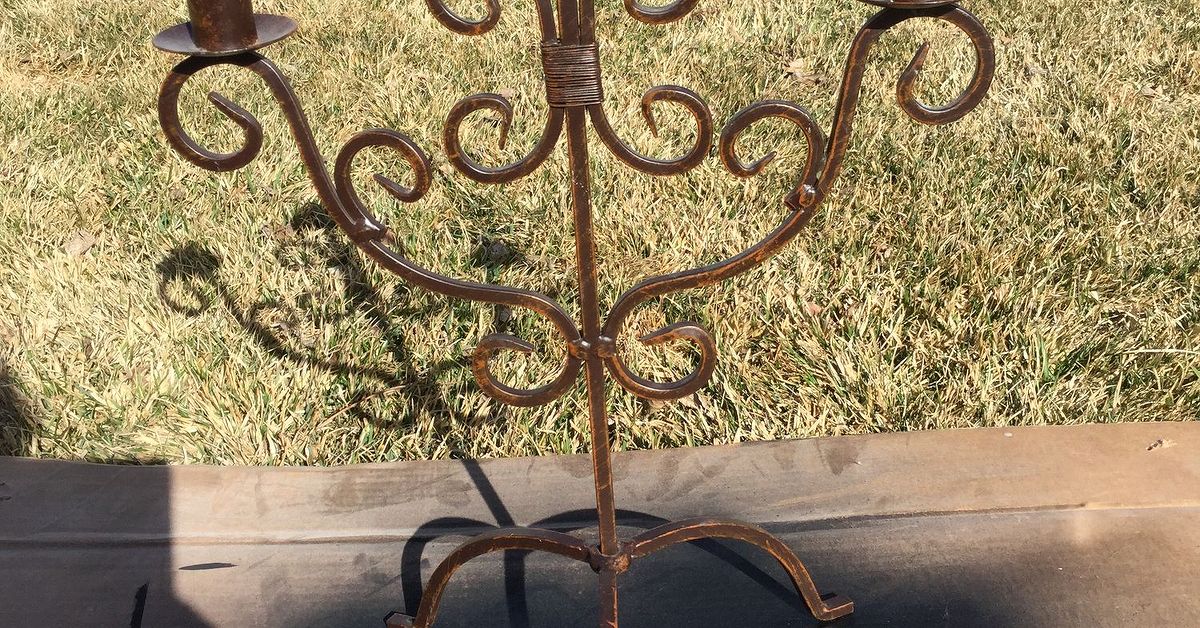
A Solarabra is typically a decorative candelabra-style fixtureoften thrifted, rescued from a
garage, or lovingly “borrowed” from your own storage chaosconverted to run on solar-powered LEDs
instead of candles. Think: an outdoor chandelier on your patio that charges all day and turns itself on at dusk,
no wiring required, no extension cords doing the electrical limbo across your yard.
The concept is simple:
sunlight → small solar panel → rechargeable battery → LED light at night.
It’s the modern lighting story in miniature… and it looks fantastic hanging over a backyard table like it has a
Pinterest agent.
The Candle Era: Beautiful, Useful, and (Let’s Be Honest) A Bit Risky
Candles have been lighting human life for thousands of yearslong before anyone had opinions about “warm vs. cool
color temperature.” They were practical (nightfall happens daily, rude) and symbolic (ceremonies, celebrations,
memorials, and the universal “I cleaned my houseplease notice” scent).
Candles in everyday American life
In early America, candles and oil lamps did the heavy lifting for nighttime tasks. They also shaped how people
planned their evenings: work close to the flame, conserve fuel, and accept that reading small print at night was a
hobby for the stubborn.
Open flame comes with open-flame problems
The charm of a real flame is realso is the hazard. Fire safety guidance consistently emphasizes basics like:
keep candles in stable holders, keep them away from anything flammable, and never leave them unattended. During
power outages, official emergency guidance leans heavily toward flashlights and battery-powered lanterns
instead of candles (because emergency rooms are already busy enough).
From Oil and Gas to the Switch: Lighting Becomes Infrastructure
The 19th century didn’t just change how we lit rooms; it changed how society functioned. As electric lighting
spread, it helped build the idea of longer workdays, nighttime entertainment, andeventuallythe “city that never
sleeps” lifestyle (which, to be clear, is not recommended as a personal wellness strategy).
Electric lighting’s ripple effects
When electric lamps became common, older forms of light (candles and oil lamps) shifted toward “special occasion”
or “emergency backup” status. Electric lighting also pushed architecture and urban life forward, because once you
can create light on demand, buildings no longer need to rely on daylight as their primary plan.
Early adoption: arc lights, inventors, and the first lit streets
Electric lighting began appearing in American streets in the late 1800s. Early systems used powerful arc lighting,
and a wave of adoption followedcities and towns lighting public squares, businesses extending hours, and homes
gradually moving from flame-based light to electrically powered fixtures.
Fluorescent, Then LED: More Light, Less Waste
Lighting didn’t stop evolving once we got the light bulb. Discharge lamps (including fluorescent) expanded the
toolset, especially when efficiency mattered. Over time, the emphasis moved from “Does it light up?” to “How much
energy does it waste while lighting up?”
LEDs: the tiny tech that changed everything
LEDs became the standout because they’re efficient, long-lasting, and directionalmeaning less light gets trapped
inside fixtures. Modern LED products can dramatically cut energy use compared with incandescent bulbs, and they
also reduce wasted heat (incandescents famously function as both light source and tiny space heater).
In the U.S., adoption has been rapid. Many households now use LEDs for most or all indoor lighting, and efficiency
rules continue nudging the market toward higher-efficacy bulbs over time. Translation: the lighting aisle is slowly
turning into an LED party, whether you RSVP or not.
Solar Lighting Enters the Chat
Solar power pairs perfectly with LEDs. Why? Because LEDs need relatively little electricity to produce useful light,
and solar panels can generate and store enough energy during the day to run those LEDs at nightespecially for
outdoor accent lighting, pathways, and small fixtures.
How solar photovoltaic (PV) works (without turning this into a physics midterm)
Photovoltaic (PV) technology converts sunlight into electrical energy. PV “cells” generate direct current (DC)
electricity; they can be combined into modules and arrays depending on the needed output. For small solar lights,
you’re usually dealing with a tiny panel that charges a small battery during daylight hours.
The battery is the unsung hero
Outdoor solar lighting systems store the electricity in batteries for nighttime use. Performance depends on the
hours of sunlight, placement (shade is a solar light’s natural enemy), seasonal changes, and simple maintenance
like keeping the panel clean.
Why “From Candle to Solarabra!” Makes So Much Sense
The Solarabra isn’t just a cute DIY flex. It’s also a practical answer to several real-world needs:
- Safety: You get candle-like ambiance without an open flame.
- Energy savings: You’re using sunlight, not grid electricity, for outdoor decorative lighting.
- Convenience: No wiring, no outlet hunting, no tripping over cords like you’re in a low-budget action movie.
- Resilience: Solar lights keep doing their thing even when the power goes out (assuming they charged).
- Sustainability + style: Upcycling old fixtures keeps materials in use and adds personality to your space.
Designing a Solarabra: The Glow-Up Guide
If you’re building (or buying) a Solarabra-style fixture, the goal is to combine aesthetics with the realities of
solar performance. Here’s how to do it without accidentally creating a “mostly decorative daytime chandelier.”
1) Pick your solar light “engines”
Many Solarabra builds use solar pathway lights, solar “candle” bulbs, or small solar lantern inserts. What matters:
a reliable panel, a decent battery, and weather resistance if it lives outdoors.
2) Understand the dusk-to-dawn brain
Most solar lights include a simple controller circuit and a light sensor that turns the LEDs on when ambient light
drops. In larger off-grid systems, a charge controller regulates voltage/current to protect batteries and loads.
Your Solarabra’s tiny solar units usually hide that logic inside the stem or baseconvenient, but also a reminder
to buy decent-quality components.
3) Placement beats perfection
Solar lighting performance depends on solar exposure. If the panel is shaded by trees, walls, or roof overhangs,
the battery charges less, and your nighttime runtime shrinks. Even the season mattersshort winter days can reduce
operating time unless the system is sized with winter conditions in mind.
4) Plan for maintenance like an adult who has learned things
Solar lights aren’t high maintenance, but they’re not “set it and forget it forever” either. Panels can get dusty.
Birds will absolutely contribute… creatively. Batteries eventually wear out. The good news: a quick wipe-down and
occasional battery replacement can keep the glow going.
Real-Life Solarabra Uses (Beyond “Because It Looks Cool”)
Patio ambiance that turns on by itself
A Solarabra over a patio table gives you that warm “candlelit dinner” energy, without anyone worrying about sleeves
drifting into flames. It’s the kind of lighting that makes leftover pizza feel like a special occasion.
Pathway lighting that doesn’t touch your electric bill
Solar pathway sets are common for a reason: they’re easy to install, require no wiring, and provide enough light to
keep people from reenacting slapstick comedy on uneven pavers.
Backup light during outages (the safe way)
Emergency preparedness guidance emphasizes having reliable lighting like flashlights or battery-powered lanterns.
A Solarabra isn’t a replacement for a proper emergency kit, but it can be a pleasant, functional backup light if
it charges during the day and runs at nightwithout introducing open flame risk indoors.
Solarabra Troubleshooting: Why Your Glow Might Be Weak
- Not enough sun: Move the panel to a brighter location or trim shading.
- Dirty panel: Clean it gentlydust and grime reduce charging efficiency.
- Old battery: Many solar lights brighten dramatically after a battery refresh.
- Winter reality: Expect shorter runtimes in darker months unless the system is sized for it.
- Water intrusion: Check seals, especially if the fixture is exposed to rain.
Conclusion: The Future of Cozy Is Charged by the Sun
“From Candle to Solarabra!” is more than a catchy phraseit’s the lighting story in one sentence. We keep the parts
we love (warm glow, decorative charm, ritual) and upgrade the parts that cause problems (open flame, smoke, wasted
energy, and surprise fire drills).
Whether you’re a DIY upcycler, a patio entertainer, or someone who simply wants the vibe without the hazard, a
Solarabra is a clever reminder that progress doesn’t have to look clinical. Sometimes it looks like a thrift-store
chandelier that learned photosynthesis.
Experience Section: “From Candle to Solarabra!” in the Real World (Plus the Lessons You Only Learn After Hanging One)
People usually arrive at a Solarabra idea in one of two ways: they’re either planning an outdoor glow-up, or they
just found a candle chandelier at a thrift store and heard the universe whisper, “You could absolutely make this
weird in a charming way.”
One common experience: the first night you hang it, you expect a dramatic, movie-scene glow. What you get is
something softermore like “twinkle and ambience” than “stadium spotlight.” And that’s actually the point. Solar
LEDs excel at pleasant light, not interrogation-room lighting. So the Solarabra becomes the background
hero: it makes conversation feel cozy, food look better, and your patio photos look like you definitely know what
you’re doing.
Another familiar moment: the “Why is it dim tonight?” mystery. This is where Solarabra ownership gently pushes you
into becoming a part-time sunlight detective. You start noticing shade patterns like a cat choosing a nap spot.
Trees that seemed innocent at noon suddenly become villains at 3 p.m. You realize the panel needs direct sun, not
“bright-ish vibes.” It’s a lesson that feels obvious only after you’ve asked, out loud, “Did the sun… clock out
early today?”
Then there’s the cleaning reality. Solar panels look low maintenance right up until spring pollen arrives, or dust
settles in, or birds decide your fixture is an art installation. A quick wipe can bring the brightness back
immediately, which is deeply satisfyinglike cleaning your glasses and realizing the world has been in HD this
whole time.
If you use your Solarabra outdoors year-round, you’ll likely notice seasonal personality changes. In summer, it can
run longer because days are brighter and charging is generous. In winter, shorter daylight and cloudier stretches
can reduce runtime. The Solarabra doesn’t “fail”it just becomes honest about solar economics. Many people respond
by adjusting expectations, relocating panels, or choosing higher-capacity units when they want consistent winter
glow.
A surprisingly emotional Solarabra moment tends to happen during a power outage. The house goes dark, the mood
shifts, and suddenly any light source feels precious. If your Solarabra has been charging outside, it can become a
small anchor of normalcyan outdoor beacon you can see through a window, or a gentle gathering point on a covered
porch. The key (as emergency guidance reminds us) is using safe lighting choices and avoiding open-flame candles
indoors during outages. That’s when Solarabra shinesnot as a gimmick, but as a “we planned ahead” little win.
The best part? Solarabras tend to spark conversations. Someone will ask, “Where did you buy that?” and you get to
say, “Oh, I made it,” in the same tone people use when they casually reveal they also bake sourdough and run
marathons. You don’t have to be a hardcore DIY person to enjoy that moment. You just need a fixture, some solar
lights, and the willingness to try something delightfully practical.
In the end, the Solarabra experience is a blend of aesthetics and learning: you get cozy light, safer ambiance,
and a little solar-powered reminder that the future can be charming. It doesn’t have to be sterile. It can be
warm, clever, and hanging above your patio tablequietly charging all day like it has plans.