

Note: This article is written for web publication and synthesizes current nutrition guidance from reputable U.S. health and nutrition organizations, including federal dietary guidance, heart health resources, diabetes education sources, academic nutrition publications, and medical institutions.
Carbs have had a rough decade. One minute they are powering marathon runners and cozy bowls of oatmeal; the next, they are blamed for every waistband emergency since stretchy pants were invented. The truth is less dramatic and far more useful: carbohydrates are not automatically good or bad. The quality, source, portion, and what you eat with them matter much more than the word “carb” on a nutrition label.
In simple terms, “good carbs” usually refer to carbohydrate-rich foods that come with fiber, vitamins, minerals, antioxidants, and steady energy. Think oats, beans, lentils, berries, apples, sweet potatoes, vegetables, and 100% whole grains. “Bad carbs,” or more accurately “less helpful carbs,” are often highly refined or heavily processed foods that deliver lots of added sugar or white flour with very little fiber or nutritional value. Think sugary drinks, candy, pastries, many packaged snack cakes, and oversized portions of white bread or refined pasta.
This guide breaks down good carbs vs. bad carbs in a practical, no-food-shaming way. Because yes, a cookie can fit into a healthy life. But if cookies are doing the nutritional heavy lifting, your body may eventually file a complaint.
What Are Carbohydrates, Really?
Carbohydrates are one of the three main macronutrients, along with protein and fat. Your body breaks most carbs down into glucose, a form of sugar that fuels your brain, muscles, organs, and daily activities. Glucose is not the villain. Your brain is rather fond of it. The issue is how quickly certain carbohydrates enter the bloodstream and what nutrition package comes along for the ride.
Carbohydrates come in three main forms: sugars, starches, and fiber. Sugars can be natural, such as the sugar in fruit and milk, or added, such as sugar in soda, candy, sweetened cereal, and many desserts. Starches are found in grains, potatoes, corn, peas, beans, and lentils. Fiber is the part of plant foods your body does not fully digest, and it plays a major role in digestion, fullness, cholesterol support, and blood sugar balance.
Good Carbs vs. Bad Carbs: The Real Difference
The phrase “good carbs vs. bad carbs” is catchy, but it can oversimplify nutrition. A better question is: Does this carbohydrate-rich food give my body something useful besides calories?
Good carbs tend to be minimally processed and naturally rich in fiber. They digest more slowly, help you feel full longer, and provide nutrients like B vitamins, potassium, magnesium, iron, and plant compounds. These foods support a more stable release of energy instead of the classic sugar rush followed by the “why am I sleepy at 2 p.m.?” crash.
Less helpful carbs tend to be refined, stripped of fiber, or loaded with added sugars. Refined grains have had parts of the grain removed during processing, which can reduce fiber and nutrients. Added sugars provide sweetness and calories but little else. These carbs are often easy to overeat because they are soft, tasty, fast-digesting, and usually packaged in a way that whispers, “Just one more handful.” That whisper is suspiciously persuasive.
Examples of Good Carbs
Good carbs are not rare, expensive, or hidden in a health-food treasure chest. Many are everyday foods you already know. The goal is to choose carbs that are high in fiber, close to their natural form, and satisfying enough to keep you from raiding the pantry 40 minutes later.
Whole Grains
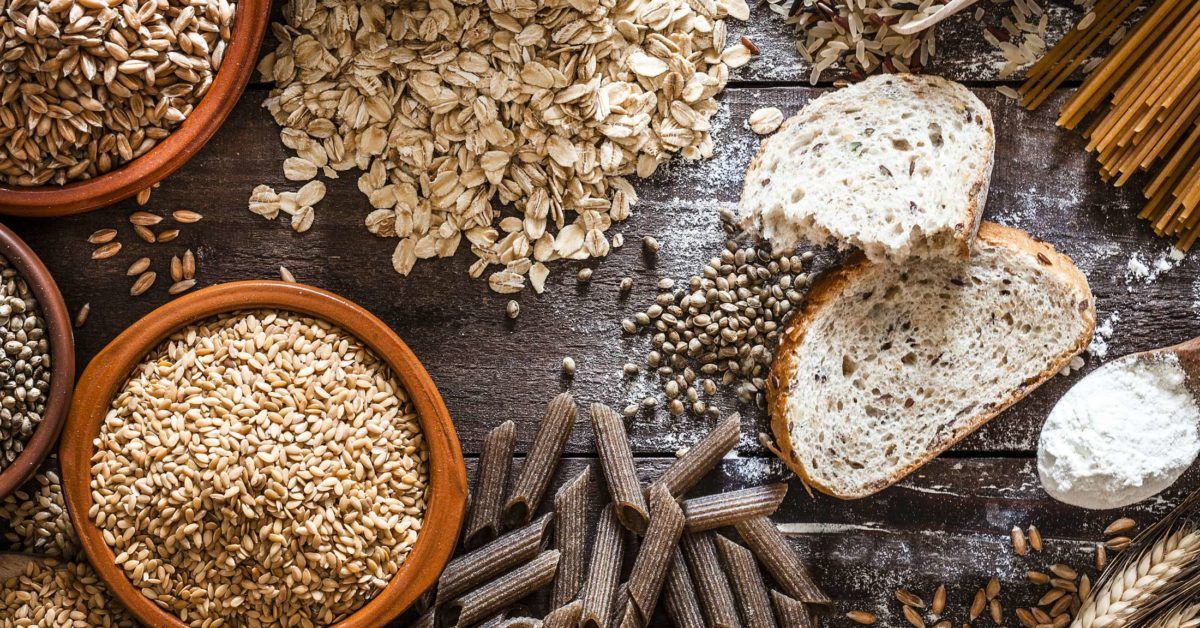
Whole grains contain the bran, germ, and endosperm of the grain. That means they keep more fiber and nutrients than refined grains. Good options include oats, brown rice, quinoa, barley, bulgur, farro, whole wheat bread, whole grain pasta, and 100% whole grain cereal.
When shopping, look for the word “whole” as the first ingredient, such as “whole wheat flour” or “whole grain oats.” Do not rely only on brown color. Some breads look wholesome enough to teach yoga, but the ingredient list may tell a different story.
Beans, Lentils, and Peas
Beans and lentils are carbohydrate-rich, but they also provide protein, fiber, iron, magnesium, and other nutrients. Black beans, chickpeas, kidney beans, lentils, split peas, and pinto beans are excellent choices for soups, salads, grain bowls, tacos, and stews.
Because legumes digest slowly, they can be especially helpful for steady energy and fullness. They are also budget-friendly, which is a lovely bonus when grocery prices are acting dramatic.
Fruits
Fruit contains natural sugar, but it also comes with water, fiber, vitamins, minerals, and antioxidants. Apples, berries, oranges, pears, bananas, peaches, grapes, and melon can all be part of a healthy eating pattern.
Whole fruit is usually a better everyday choice than fruit juice because juice removes much of the fiber and makes it easier to consume a large amount of sugar quickly. Drinking apple juice is not the same as eating an apple. One requires chewing; the other can disappear before your brain has even opened the attendance sheet.
Vegetables and Starchy Vegetables
Nonstarchy vegetables such as broccoli, spinach, zucchini, peppers, cauliflower, asparagus, and leafy greens are nutrient-dense and generally lower in carbohydrates. Starchy vegetables such as sweet potatoes, corn, peas, winter squash, and potatoes contain more carbs but can still be healthy choices, especially when prepared simply.
A baked potato with Greek yogurt, beans, salsa, or vegetables is very different from a mountain of fries with extra salt and a side of regret. Same family, different life choices.
Examples of Less Helpful Carbs
Less helpful carbs are not forbidden foods. They are simply foods to treat as occasional extras rather than daily staples. These choices often contain refined flour, added sugar, low fiber, and fewer vitamins and minerals.
Sugary Drinks
Soda, sweet tea, energy drinks, fruit drinks, and many flavored coffee beverages can contain a large amount of added sugar without much fullness. Liquid sugar is easy to consume quickly, and it does not satisfy hunger the same way solid food does. If you are trying to improve carb quality, sugary drinks are one of the first places to look.
Refined Grains
White bread, regular white pasta, many crackers, pastries, and refined breakfast cereals can digest quickly and may not keep you full for long. That does not mean white rice or pasta must vanish from your kitchen forever. Portion size, frequency, and balance matter. Pairing refined grains with vegetables, protein, and healthy fats can make the meal more satisfying and balanced.
Desserts and Packaged Sweets
Cookies, cakes, candy, donuts, toaster pastries, and sweet snack bars are usually high in added sugars and refined carbohydrates. Enjoy them when you truly want them, but try not to use them as your main fuel source. Your body deserves more than frosting and vibes.
Why Fiber Is the Carb Quality Superstar
If carbs had a popularity contest among dietitians, fiber would be the quiet student who wins every academic award. Fiber helps slow digestion, supports regular bowel movements, contributes to fullness, and can help moderate blood sugar response after meals.
Fiber is found naturally in plant foods, including vegetables, fruits, beans, lentils, nuts, seeds, and whole grains. Many adults do not get enough fiber, so upgrading carb choices is one of the simplest ways to improve overall diet quality.
A practical shopping tip is to compare total carbohydrates with dietary fiber. Foods with more fiber per serving are often better everyday choices. For bread and cereal, aim for options with at least 3 grams of fiber per serving when possible. For breakfast cereal, 5 grams or more can be even better, especially if added sugar is low.
How Added Sugar Changes the Carb Conversation
Added sugars are sugars placed into foods during processing, preparation, or at the table. They may appear as cane sugar, brown sugar, corn syrup, honey, maple syrup, agave, dextrose, fructose, sucrose, maltose, or other sweeteners. Natural sugars in fruit and plain milk are different because they are packaged with nutrients.
The Nutrition Facts label now lists “Added Sugars,” which makes it easier to compare products. A flavored yogurt, granola bar, or cereal may look healthy on the front of the package, but the label reveals the real plot twist. Look for options with lower added sugar and higher fiber most of the time.
Simple Carbs vs. Complex Carbs: Is Complex Always Better?
Complex carbohydrates usually include starches and fiber-rich foods, while simple carbohydrates include sugars. In general, complex carbs from whole foods are better everyday choices because they digest more slowly and offer more nutrients. However, the simple-versus-complex label is not perfect.
For example, fruit contains simple sugars, yet whole fruit is a nutritious choice. Meanwhile, a refined white-flour snack may technically contain starch, but it may still be low in fiber and easy to overeat. That is why carb quality matters more than memorizing categories.
How to Choose the Right Carbs: A Practical Checklist
You do not need a nutrition degree, a calculator, or a suspiciously expensive wellness app to choose better carbs. Use this simple checklist at the grocery store, restaurant, or your own kitchen counter.
1. Choose Whole or Minimally Processed Most Often
Pick oats instead of sugary cereal, brown rice instead of refined rice when it fits the meal, whole fruit instead of fruit snacks, and beans instead of chips as a frequent side. The closer a food is to its natural form, the more likely it is to bring fiber and nutrients with it.
2. Look for Fiber
Fiber is one of the clearest signs of a better carbohydrate choice. Whole grains, beans, vegetables, fruits, nuts, and seeds naturally provide fiber. If a packaged food has plenty of carbs but almost no fiber, it may not be the most satisfying option.
3. Watch Added Sugar
Added sugar is not automatically evil, but it is easy to overdo. Compare labels and choose lower-sugar options for foods you eat often. Save sweeter foods for moments when they are truly worth it, not just because they were sitting near the checkout line making eye contact.
4. Pair Carbs With Protein and Healthy Fat
A bowl of plain crackers may leave you hungry soon. Crackers with hummus, tuna, avocado, or cheese are more balanced. Pairing carbs with protein, fat, and fiber can slow digestion and help meals feel more complete.
5. Think About Portions
Even healthy carbs can become too much if portions are consistently oversized. A large bowl of brown rice is still a large bowl of rice. Use your plate as a guide: fill half with nonstarchy vegetables, one quarter with protein, and one quarter with a high-quality carbohydrate such as whole grains, beans, lentils, fruit, or starchy vegetables.
Smart Carb Swaps That Actually Taste Good
Healthy eating fails fast when it feels like punishment. The best carb swaps are realistic, flexible, and tasty enough to repeat.
- Swap sugary cereal for oatmeal topped with berries, cinnamon, and nuts.
- Swap white toast for 100% whole grain toast with peanut butter or avocado.
- Swap soda for sparkling water with citrus or unsweetened iced tea.
- Swap chips at lunch for roasted chickpeas, fruit, or whole grain crackers with hummus.
- Swap regular pasta sometimes for whole grain pasta, lentil pasta, or a half-pasta, half-vegetable bowl.
- Swap candy as an afternoon snack for Greek yogurt with fruit or an apple with nut butter.
The goal is not perfection. The goal is a pattern. One donut does not ruin your health, just as one salad does not turn you into a wellness influencer with perfect lighting.
What About Low-Carb Diets?
Low-carb diets can work for some people, especially when they reduce added sugars and refined grains. However, cutting carbs too aggressively may also reduce fiber, fruit, legumes, and whole grains. That can make meals less satisfying and harder to sustain.
Instead of asking, “How low can I go?” a better question is, “Which carbs help me feel and function better?” For most people, a balanced diet with high-quality carbohydrates, lean proteins, healthy fats, and plenty of plants is more realistic than declaring war on bread forever.
People with diabetes, prediabetes, digestive disorders, kidney disease, or other medical conditions should personalize carbohydrate intake with a healthcare professional or registered dietitian. Nutrition is not one-size-fits-all, and your medical history deserves a seat at the table.
Good Carbs for Breakfast, Lunch, Dinner, and Snacks
Breakfast Ideas
Try oatmeal with berries and walnuts, whole grain toast with eggs, Greek yogurt with fruit and chia seeds, or a smoothie made with fruit, spinach, protein, and unsweetened milk. These meals combine carbs with fiber, protein, and fat for steadier energy.
Lunch Ideas
Build a grain bowl with quinoa, roasted vegetables, beans, chicken or tofu, and avocado. Make a turkey sandwich on whole grain bread with lettuce, tomato, and mustard. Try lentil soup with a side salad and fruit. Lunch should not leave you needing a nap under your desk.
Dinner Ideas
Serve salmon with sweet potato and broccoli, turkey chili with beans, stir-fry vegetables with brown rice, or whole grain pasta with tomato sauce, vegetables, and lean protein. Good carbs make dinner feel hearty without turning the meal into a blood sugar roller coaster.
Snack Ideas
Choose apple slices with peanut butter, hummus with vegetables, popcorn, roasted edamame, cottage cheese with fruit, or whole grain crackers with tuna. A balanced snack should solve hunger, not create a new craving committee meeting.
Common Myths About Carbs
Myth 1: All Carbs Cause Weight Gain
Weight gain is usually related to overall calorie intake, food quality, activity level, sleep, stress, hormones, and many other factors. Carbs alone are not the enemy. In fact, high-fiber carbs can help with fullness and make balanced eating easier.
Myth 2: Fruit Has Too Much Sugar
Whole fruit contains natural sugar, but it also provides fiber, water, vitamins, minerals, and antioxidants. For most people, fruit is a healthy choice. The bigger concern is usually added sugar from drinks, desserts, and processed snacks.
Myth 3: Bread Is Always Bad
Bread quality varies. A 100% whole grain bread with fiber can be a useful part of a healthy meal. A fluffy refined bread with little fiber may be less filling. Read labels, check ingredients, and choose portions that match your needs.
Myth 4: Brown Sugar, Honey, and Maple Syrup Are “Healthy Sugars”
These sweeteners may sound more natural, but they still count as added sugars. They can add flavor, but they should not be treated like magic nutrition dust.
A Real-Life Experience: Learning to Choose Better Carbs Without Losing Joy
Changing the way you eat carbs can feel intimidating at first because carbs are everywhere. They are in breakfast, lunch, dinner, snacks, celebrations, road trips, office meetings, movie nights, and that one mysterious drawer where crackers go to multiply. The experience of choosing better carbs is not usually about one dramatic pantry cleanout. It is more often a series of small, slightly awkward, surprisingly helpful changes.
For example, imagine someone who starts every morning with a sweet coffee drink and a pastry. By 10:30 a.m., they are hungry again and wondering why their energy has left the building. Instead of banning breakfast carbs, they try oatmeal with berries, cinnamon, and peanut butter a few days a week. At first, it feels less exciting than a pastry the size of a small pillow. But after a week, they notice they are not hunting for snacks before lunch. That is the power of fiber, protein, and slower-digesting carbohydrates working together.
Lunch can be another learning curve. A big bowl of white pasta or a sandwich on refined bread may taste great but sometimes leaves people sluggish. A better approach is not necessarily to remove the carb. It might be to add more structure: whole grain bread, extra vegetables, lean protein, avocado, or a side of fruit. The meal becomes more balanced without turning into a sad desk salad that tastes like printer paper.
Grocery shopping also changes with practice. At first, reading labels may feel like decoding a tiny legal contract. But a few habits make it easier. Look at serving size, fiber, added sugar, and the first ingredient. Choose cereals and breads that list whole grains first. Pick snacks that provide some fiber or protein. Compare two similar products and choose the one with less added sugar. After a while, the process becomes automatic, like checking your phone battery before leaving the house.
Eating out teaches flexibility. You might choose a burger with a side salad instead of fries, or you might choose the fries and enjoy them. You might order brown rice in a bowl, or you might split dessert after dinner. The point is not to make every carb decision perfect. The point is to make most choices supportive enough that occasional treats remain treats, not the foundation of your meal plan.
The most encouraging experience is realizing that better carbs often make food more enjoyable, not less. Chili with beans, tacos with corn tortillas and vegetables, oatmeal with fruit, roasted sweet potatoes, lentil soup, popcorn, berries, and whole grain toast are not punishment foods. They are satisfying, flavorful, and practical. Choosing good carbs is less about restriction and more about giving your body fuel that does not quit halfway through the day.
Over time, many people notice better energy, fewer intense cravings, improved digestion, and more confidence around food. The change does not require perfection, expensive ingredients, or a breakup letter to pasta. It simply requires paying attention to carb quality, adding fiber-rich foods, reducing added sugars, and building meals that feel good after the last bite, not just during the first one.
Conclusion: Choose Carbs That Work Harder for You
The best way to understand good carbs vs. bad carbs is to stop judging carbs by name alone and start judging them by what they bring to the plate. High-quality carbohydrates provide fiber, nutrients, flavor, and lasting energy. Less helpful carbs often provide added sugar, refined starch, and a quick burst of energy that fades fast.
Choose whole grains, beans, lentils, fruits, vegetables, and starchy vegetables most often. Limit sugary drinks, refined snacks, and heavily processed sweets. Pair carbs with protein and healthy fat, watch portions, and remember that food should support your life, not turn every meal into a math test.
Carbs are not the enemy. Poor-quality carbs eaten too often are the issue. Choose the right ones, and carbohydrates can be a delicious, energizing, and deeply satisfying part of a healthy diet.