

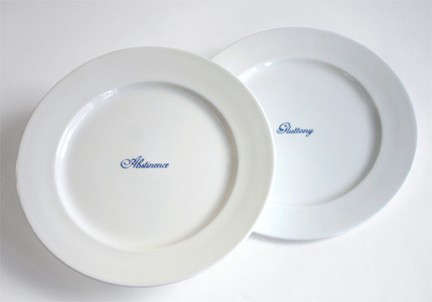
Some dinnerware is the star of the table. Some dinnerware quietly chips in the dishwasher, scratches when you look at it too firmly, and makes soup feel like a risky business arrangement. That is the real meaning behind the phrase Good China Bad China Dinner Set: how do you tell the difference between a dinner set worth using, keeping, and maybe handing down, and one that belongs in the “backup plates for pizza night” cabinet?
First, let’s clear up the wording. In this article, “china” means ceramic dinnerwareespecially porcelain and bone chinanot the country. A good china dinner set can be elegant enough for Thanksgiving, practical enough for Tuesday pasta, and sturdy enough to survive the mysterious household member who stacks bowls like they are building a wobbly skyscraper. Bad china, on the other hand, may look pretty at first but disappoints through weak glazing, poor durability, unsafe materials, awkward shapes, or impossible care requirements.
The good news: you do not need to be an antiques dealer, wedding registry expert, or someone who owns twelve gravy boats to choose wisely. With a few simple checks, you can spot quality, avoid common dinnerware mistakes, and build a table setting that looks polished without requiring white gloves and emotional support.
What Makes a China Dinner Set “Good”?
A good china dinner set balances beauty, function, durability, safety, and long-term usefulness. It should feel pleasant in the hand, sit flat on the table, stack neatly in the cabinet, and handle the way you actually live. If you cook often, entertain occasionally, and do not want every meal to become a dishwashing ceremony, the best dinnerware is not just prettyit is cooperative.
1. Strong, Well-Fired Material
Most quality china dinner sets are made from porcelain, bone china, stoneware, or vitrified ceramic. Porcelain is fired at high temperatures, giving it a smooth, dense, nonporous surface. Bone china contains bone ash mixed into porcelain clay, making it thin, lightweight, and surprisingly strong. Stoneware tends to be heavier, warmer, and more casual, often with a handmade look. Vitrified ceramic or glass dinnerware is designed to resist moisture absorption, which helps with durability and hygiene.
Good china does not have to be delicate. In fact, many modern porcelain and bone china sets are dishwasher-safe and suitable for regular use. The old rule that fine china must sit in a cabinet until a president visits for dinner is outdated. If the manufacturer marks it as dishwasher-safe and microwave-safe, it can often join your everyday rotation.
2. Smooth Glaze Without Crazing or Pinholes
The glaze is the shiny or matte surface that protects the ceramic body. On a good dinner set, the glaze should be even, smooth, and free from tiny cracks, bubbles, rough spots, or pinholes. Crazingthose thin hairline cracks in the glazecan trap stains and moisture. It may also signal age, poor glaze fit, or repeated thermal stress.
Bad china often gives itself away here. If a plate has rough edges, uneven color, cloudy glaze, or a surface that feels gritty, it may not age gracefully. A dinner plate should not feel like it was finished during a power outage.
3. Practical Shapes and Sizes
A beautiful plate that does not fit in your cabinet, microwave, or dishwasher is not a plateit is a decorative inconvenience. Good china dinner sets have useful proportions: dinner plates that fit standard cabinets, bowls deep enough for soup or grain bowls, and salad plates that work for appetizers, desserts, and sandwiches.
Before buying, check the diameter of the dinner plate. Many modern plates are 10.5 to 11 inches wide, but oversized plates may crowd small tables and dishwashers. Also look at rim shape. Coupe plates, which have gently curved edges, feel modern and casual. Rimmed plates look classic and help contain sauces. Both can be good; the “bad” option is the one that makes your lasagna slide away like it has somewhere better to be.
Good China vs. Bad China: The Quick Comparison
Good China Dinner Set
- Made from durable porcelain, bone china, vitrified ceramic, quality stoneware, or high-quality glass
- Has a smooth, even glaze with no cracks, chips, or rough edges
- Clearly labeled dishwasher-safe, microwave-safe, or hand-wash only
- Stacks neatly and fits common cabinets and appliances
- Feels balancednot too heavy, not flimsy
- Comes from a brand or maker with replacement pieces available
- Matches your lifestyle, not someone else’s fantasy dinner party
Bad China Dinner Set
- Chips easily, scratches quickly, or stains after light use
- Has crazing, uneven glaze, warped plates, or unstable bowls
- Lacks safety or care information
- Includes metallic trim but is used in the microwave anyway
- Is vintage or imported with unknown lead or cadmium safety
- Looks good online but feels awkward, heavy, or fragile in real life
- Requires so much care that nobody wants to use it
Porcelain, Bone China, Stoneware, and More: Which Is Best?
The best dinnerware material depends on how you eat, clean, store, and entertain. No material is perfect for everyone, but each has a personality. Think of it like choosing dinner guests: some are elegant, some are low-maintenance, and some should not go near the microwave.
Porcelain
Porcelain is one of the most popular materials for good china dinner sets. It is dense, smooth, nonporous, and usually lighter than stoneware. It can look formal in white or patterned designs, but it also works beautifully for minimalist everyday tables. High-quality porcelain is often dishwasher-safe and microwave-safe unless it has gold, platinum, or other metallic decoration.
Choose porcelain if you want a clean, timeless dinner set that can move from scrambled eggs to roast chicken without changing outfits.
Bone China
Bone china is known for being thin, translucent, lightweight, and strong. It often feels more refined than standard porcelain, which is why many people think of it as “good china.” Modern bone china can be surprisingly practical, and many sets are dishwasher-safe. However, pieces with metallic bands or ornate detailing may require hand washing and should not go in the microwave.
Choose bone china if you want elegance without the heaviness of stoneware. Just remember: delicate-looking does not always mean weak, but metallic trim and microwaves are still not best friends.
Stoneware
Stoneware is heavier and more casual. It often comes in earthy glazes, handmade shapes, and modern matte finishes. Good stoneware feels warm and substantial, making it popular for everyday meals and relaxed entertaining. However, some matte glazes can show utensil marks, and lower-quality stoneware may chip more easily at the edges.
Choose stoneware if you love a cozy, modern farmhouse, organic, or restaurant-style table. Look for fully glazed surfaces, smooth rims, and clear care instructions.
Earthenware
Earthenware is usually more affordable and rustic, but it is also more porous and more prone to chipping than porcelain or bone china. It can be charming for decorative or occasional use, but it may not be the best choice for a hardworking family dinner set.
Choose earthenware for style and charm, not for battle-tested durability.
Melamine and Outdoor Dinnerware
Melamine is lightweight, colorful, and very hard to break, which makes it useful for patios, picnics, kids, and poolside meals. However, melamine should not be microwaved. It is not fine china, but it can be good dinnerware for the right purpose. A bad choice is not always a bad productit is often a product used in the wrong setting.
Safety Matters: Lead, Cadmium, and Vintage China
A beautiful dinner set is not automatically food-safe. This matters most with vintage china, imported pottery, handmade ceramics, brightly colored glazes, and decorative plates. Lead and cadmium have historically been used in some ceramic glazes and decorations. Modern food-use dinnerware sold by reputable retailers is generally regulated, but older or poorly labeled pieces deserve caution.
Be especially careful with vintage plates that have bright red, orange, or yellow glazes; heavily worn surfaces; cracked glaze; or labels such as “for decorative use only.” Decorative plates are exactly that: decorative. Serving spaghetti on a plate that says “not for food use” is not charmingly rebellious; it is just a bad dinner plan.
If you inherit old china, research the brand and pattern, check the backstamp, and consider using it for display if safety is uncertain. Home lead test kits can sometimes help identify obvious problems, but they are not as reliable as professional testing. When in doubt, use modern food-safe dinnerware for meals and let questionable vintage pieces look fabulous behind glass.
How to Inspect a China Dinner Set Before Buying
Whether you are buying new, vintage, or secondhand, inspect the set like someone who has been emotionally wounded by chipped plates before.
Check the Backstamp
The backstamp can tell you the manufacturer, pattern, country of origin, and sometimes whether the item is dishwasher-safe or microwave-safe. Reputable brands often provide care instructions online. If the plate has no markings and no seller information, proceed carefully, especially for vintage or handmade pieces.
Look for Chips and Cracks
Run your finger gently around the rim. Small chips can become larger chips, and cracks can worsen with heat and washing. Avoid pieces with visible cracks, crazing, or damaged glaze if you plan to use them for food.
Test the Stack
If possible, stack several plates and bowls together. Good dinnerware should nest evenly without wobbling dramatically. A little handmade variation is charming; a leaning tower of soup bowls is less charming.
Consider Replacement Availability
A good china dinner set becomes even better when replacement pieces are easy to find. Classic white porcelain, long-running patterns, and popular brands are easier to replace than limited-edition designs. Services that specialize in retired dinnerware patterns can help identify and replace missing pieces, which is helpful if you inherit a partial set or break a dinner plate during an enthusiastic taco night.
Care Tips: How to Keep Good China Good
Good china lasts longer when it is treated well. That does not mean you need to whisper around it. It means following a few simple rules.
Use the Dishwasher Only When Approved
If the manufacturer says the china is dishwasher-safe, use a gentle cycle, mild detergent, and space pieces so they do not knock into each other. Let pieces cool before unloading. Older china, hand-painted patterns, and metallic trim should usually be washed by hand.
Keep Metallic Trim Out of the Microwave
Gold, silver, platinum, or other metallic decoration can spark in the microwave. Even a tiny metallic rim can cause trouble. If you are unsure, do not microwave it. Your leftovers deserve warmth, not fireworks.
Avoid Extreme Temperature Changes
Do not take a cold plate and put it directly into a hot oven unless the manufacturer clearly says it is oven-safe. Sudden temperature changes can cause cracking. Good china is durable, but it is not a superhero.
Store with Protection
If you stack fine china, place felt, paper towels, or plate protectors between pieces, especially if they have raised decoration or delicate glaze. Store cups and mugs with enough room so handles do not bump against neighboring pieces.
Should You Save Good China for Special Occasions?
Here is the truth: a good china dinner set becomes more meaningful when it is used. Many families keep beautiful plates hidden for decades, waiting for the perfect occasion. But life is mostly ordinary meals, small celebrations, late breakfasts, and “we made it through Wednesday” dinners. Good china can make those moments feel a little more special.
You do not have to use heirloom china every day if that feels stressful. Instead, try using it for Sunday dinner, birthdays, holidays, dessert nights, or small gatherings. Pair formal plates with casual linens. Mix white china with colorful bowls. Use a single vintage platter for cookies or fruit. The table does not have to look like a royal banquet to feel intentional.
How to Build a Smart China Dinner Set
If you are starting from scratch, do not rush into a 60-piece set unless you truly need one. A smart starter set usually includes dinner plates, salad plates, cereal or soup bowls, and mugs for four to eight people. Add serving bowls, platters, pasta bowls, and dessert plates later as needed.
White dinnerware is the most flexible choice because it works with any tablecloth, season, food color, or decor style. Colorful or patterned china can be wonderful, but it should match your real taste, not a trend that will make you sigh deeply in two years. If you love pattern, consider using patterned salad plates or accent bowls with simple white dinner plates.
For everyday practicality, look for open-stock availability, which means pieces are sold individually. That way, if one bowl falls victim to gravity, you can replace it without buying an entire new set. Gravity is undefeated; plan accordingly.
of Real-Life Experience: Living With a Good China Bad China Dinner Set
Anyone who has owned more than one dinner set eventually learns that the difference between good china and bad china is not always obvious on day one. In the store, everything looks innocent. Plates are stacked neatly, bowls are glowing under flattering retail lights, and the box promises “service for eight” like your future self will host calm, elegant dinners with matching napkins. Then real life begins.
A good china dinner set earns trust slowly. The first sign is how often you reach for it. Good plates feel right in your hand. They do not make you think too much. They fit in the dishwasher without requiring a geometry degree. They come out clean, stack neatly, and make even a basic sandwich look like somebody tried. Good bowls handle cereal, chili, noodles, and ice cream without feeling too shallow or too deep. Good mugs do not have handles designed for doll fingers. These small details matter because dinnerware is not just decoration; it is equipment you use every single day.
Bad china reveals itself through irritation. Maybe the dinner plates are so wide that they block the dishwasher spray arm. Maybe the matte glaze looks stylish for three weeks and then collects gray utensil marks like a tiny crime scene. Maybe the bowls are beautiful but impossible to stack. Maybe the cups are top-heavy and spill coffee whenever someone breathes near them. None of these issues seem dramatic at first, but together they turn a dinner set into a daily nuisance.
One common experience is inheriting a formal china set and feeling guilty for not using it. The plates may be gorgeous, with gold rims and tiny flowers that look like they attended finishing school. But if they are not microwave-safe, not dishwasher-safe, and possibly too old for carefree food use, they become complicated. The best approach is to separate emotional value from practical value. Use safe, modern pieces for everyday meals. Use heirloom pieces thoughtfully: a dessert plate for wrapped cookies, a teacup for display, a platter for dry foods if it is confirmed food-safe, or a cabinet arrangement that lets the set be admired without being stressed.
Another experience many people have is buying cheap dinnerware and realizing “affordable” is not the same as “good value.” A low price is wonderful if the set lasts. But if plates chip within months, bowls crack in the microwave, or the glaze stains from tomato sauce, the savings disappear. On the other hand, expensive china is not automatically good. A luxury set that cannot survive your lifestyle is simply a high-priced source of anxiety.
The sweet spot is dinnerware that fits your habits. If you have kids, pets, roommates, or frequent guests, durability may matter more than delicate detail. If you host holidays, you may want one elevated set that mixes with plain white serving pieces. If you live in a small apartment, stackability is not optionalit is survival. The best china dinner set is the one that makes meals easier, prettier, and more enjoyable without demanding constant applause.
Final Thoughts: Choose China You Will Actually Use
A Good China Bad China Dinner Set is not about snobbery. It is about knowing what separates lasting dinnerware from disappointing dinnerware. Good china is safe, durable, attractive, comfortable, and practical. Bad china may be unsafe, fragile, poorly glazed, awkwardly shaped, or too fussy for your life.
Choose dinnerware based on material, glaze quality, care instructions, safety, replacement options, and how you really eat. Porcelain and bone china are excellent choices for elegant everyday use. Stoneware is warm and sturdy when well made. Vintage china can be meaningful, but it deserves safety research. And no matter what you buy, remember this: the best dinner set is not the one that impresses guests once a year. It is the one that makes ordinary meals feel worth sitting down for.