

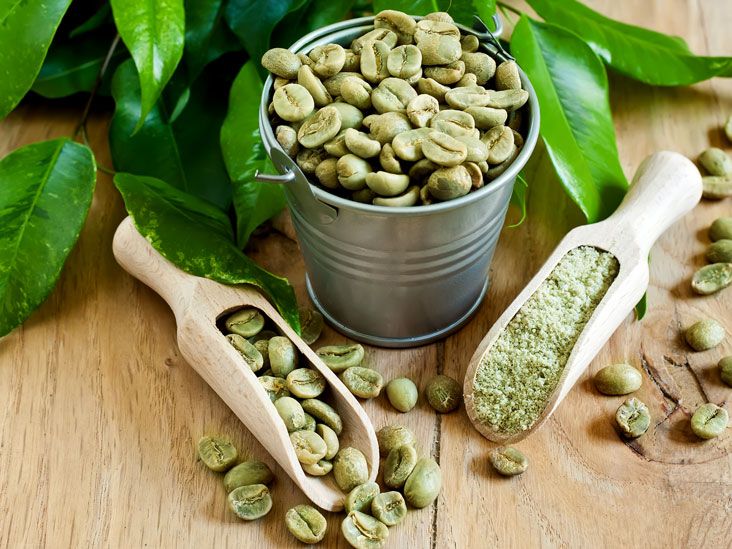
If you have spent more than five minutes in the world of weight-loss trends, you have probably seen green coffee bean extract pop up like an overexcited infomercial guest. It sounds promising: coffee beans that have not been roasted, packed with compounds that supposedly help your body burn fat, calm blood sugar spikes, and maybe turn your jeans from “optimistic purchase” to “daily uniform.” It is a tidy story, and tidy stories sell.
But tidy stories are not always true stories.
Green coffee bean has been marketed for years as a natural shortcut to weight loss. The pitch usually leans on two ideas: first, that unroasted coffee beans contain more chlorogenic acids than regular roasted coffee; second, that these compounds may affect how the body handles carbohydrates and fat. That sounds scientific, and part of it is. The problem is that “has a possible mechanism” and “works well in real people over time” are not the same thing. In nutrition, that gap can be wider than a buffet table at brunch.
So, is green coffee bean a smart addition to a healthy routine, or just another supplement with a better marketing department than data set? The honest answer is somewhere in the middle, but much closer to hype than miracle. Let’s break down what green coffee bean actually is, why people think it helps, what the research says, what the risks look like, and what real-life expectations should be before you spend money on another bottle of hope.
What Is Green Coffee Bean, Exactly?
Green coffee bean is simply coffee before roasting. Same plant, same bean, much less drama. Once coffee beans are roasted, their flavor changes, their aroma gets richer, and some of their natural compounds shift. Green coffee bean extract is made from these unroasted beans and sold as a supplement, usually in capsules, powders, or drink mixes.
The compound most often linked to its weight-loss reputation is chlorogenic acid. This antioxidant is found in coffee naturally, but it is present in higher amounts before roasting. Researchers have been interested in chlorogenic acids because they may influence how the body absorbs carbohydrates, manages blood sugar, and stores fat. That gives marketers a nice phrase to throw around, usually with a leaf icon and a suspiciously happy tape measure.
Green coffee bean extract also contains caffeine, though the exact amount can vary from product to product. That matters because caffeine can temporarily suppress appetite in some people, increase alertness, and slightly raise calorie burn. It can also make other people feel like a squirrel that just discovered espresso.
Why People Think Green Coffee Bean Helps With Weight Loss
The popularity of green coffee bean did not happen by accident. It became famous because it combines three things the supplement industry loves:
1. It sounds natural
Anything with the word bean already feels wholesome. Add green, and it practically wears yoga pants.
2. It has a plausible science story
Chlorogenic acids may affect glucose metabolism and fat handling in ways that sound promising on paper. That gives supplement labels something more impressive than “trust us.”
3. Small studies created big headlines
A few early trials suggested green coffee bean extract might help with body weight, BMI, waist circumference, or fat mass. Some media coverage then turned “possible modest benefit in limited research” into “finally, a coffee trick that melts fat.” That is usually the moment where nuance leaves the building.
There is also a psychological reason this trend sticks around: people want an edge. Weight loss is hard because it involves behavior, consistency, environment, sleep, stress, time, and sometimes medications or medical conditions. A supplement offers a simpler story. Take capsule. Lose weight. Continue being busy. That story is emotionally appealing even when biology refuses to cooperate.
What the Research Actually Says
Here is the part where the music changes from “miracle transformation montage” to “let’s read the fine print.”
Research on green coffee bean extract is limited, mixed, and mostly short-term. Some studies have found modest benefits. Others are too small, too brief, or too messy to support confident conclusions. A few systematic reviews have looked at the total evidence and landed in a very similar place: there may be a small effect, but the evidence is not strong enough to call green coffee bean a proven weight-loss tool.
The modest-benefit argument
Supporters of green coffee bean are not inventing everything from thin air. Some randomized controlled trials have reported that people taking green coffee bean extract lost more weight than comparison groups, especially when the supplement was paired with a calorie-controlled diet. In one commonly discussed short-term study, women with obesity who took 400 mg of green coffee bean extract for eight weeks alongside an energy-restricted diet lost more weight than those who followed the diet alone.
More recently, meta-analyses have suggested that green coffee bean extract containing chlorogenic acid may reduce body weight by a modest amount. That sounds encouraging, and to be fair, it is more promising than pure nonsense. But “statistically significant” and “life-changing” are cousins, not twins.
The skepticism argument
The bigger issue is the quality of the evidence. Earlier systematic reviews pointed out that many of the trials were very small, short in duration, and at risk of bias. Some did not clearly describe randomization, blinding, or how dropouts were handled. That is not a minor technical complaint. It means the studies may overstate benefits.
Even when results look positive, the actual effect size tends to be modest. We are not talking about a supplement that reliably produces dramatic fat loss. We are talking about a product that might help some people lose a little extra weight over several weeks, often while they are also dieting. That makes it difficult to know what the extract is doing on its own.
There is also a long-term question mark hanging over the whole topic. Most studies do not tell us what happens after several months, let alone a year. Do people keep losing weight? Do they maintain it? Does tolerance build? Are there side effects with continued use? The current research does not answer those questions well.
So, fact or fiction?
The fairest verdict is this: green coffee bean as a magic weight-loss solution is fiction; green coffee bean as a possibly modest, limited, short-term aid is fact-ish.
That may not fit beautifully on a supplement label, but it fits the evidence better. If a person expects green coffee bean extract to do the heavy lifting while everything else stays the same, disappointment is very likely. If a person views it as a possible small add-on within a broader health plan, the claim becomes less ridiculous, though still far from guaranteed.
Potential Benefits Beyond the Hype
Weight loss is the headline, but green coffee bean extract has also been studied for other metabolic markers. Some research suggests possible improvements in fasting blood sugar, blood pressure, triglycerides, or cholesterol measures. These findings are interesting, especially because chlorogenic acids may influence glucose handling and vascular function.
Still, interesting is not the same as established. Most of these benefits need better-quality research before they should shape real medical decisions. It is also worth remembering that regular coffee itself is associated with several health benefits in observational research, including possible links to lower risks of type 2 diabetes, liver disease, and some chronic conditions. In other words, green coffee bean does not get exclusive rights to the “coffee has intriguing health chemistry” storyline.
Safety, Side Effects, and Red Flags
This is where the conversation gets much more practical.
Because green coffee bean extract contains caffeine, it can cause the usual caffeine-related side effects: jitteriness, anxiety, insomnia, headaches, dizziness, upset stomach, rapid heartbeat, and frequent urination. Some people can drink a late-afternoon coffee and sleep like a saint. Others have half a capsule and spend the evening reorganizing kitchen drawers at top speed. Individual response matters.
The caffeine content of supplements may also vary, and supplement labels are not always as reassuringly precise as consumers would like. That matters because many people are not getting caffeine from just one place. Add coffee, tea, soda, pre-workout powder, and an appetite supplement together, and suddenly your nervous system is drafting a formal complaint.
People who are pregnant, trying to become pregnant, nursing, sensitive to caffeine, or dealing with certain heart conditions should be especially cautious. Anyone taking medications should talk with a qualified healthcare professional before using green coffee bean extract because supplements can interact with medicines or medical conditions.
There is also a product-quality issue that should not be brushed aside. Weight-loss supplements are a category with a messy reputation. Federal warnings have repeatedly flagged some over-the-counter weight-loss products for hidden drug ingredients, and green coffee-themed slimming products have not been entirely free of that problem. That does not mean every green coffee supplement is tainted. It does mean consumers should avoid assuming that “natural” automatically means clean, safe, or well tested.
Why Lifestyle Still Beats the Supplement Shelf
If the goal is sustainable weight loss, the boring answer is still the best answer. And yes, it is rude that biology keeps making the boring answer correct.
Evidence-based weight management usually comes back to the same pillars: a calorie-appropriate eating pattern, regular physical activity, better sleep, stress management, and consistent habits that are realistic enough to repeat on ordinary Tuesdays. Public health guidance continues to support gradual weight loss, not crash tactics. A reasonable early goal is often to lose about 5% to 10% of starting body weight over time, not to transform into a different species before the weekend.
That does not mean supplements have zero place. It means they should be considered optional and secondary, not central. If a supplement works at all, it usually works best as a small assist to habits that already make sense. If those habits are not there, the supplement rarely turns into a hero.
How to Evaluate a Green Coffee Bean Supplement If You Still Want to Try One
Curious people are going to be curious, and that is fair. If you are considering green coffee bean extract anyway, do it with your eyes open.
Check the label carefully
Look for the amount of green coffee bean extract, any stated chlorogenic acid content, serving size, and caffeine amount. If the label is vague, that is not charming mystery. That is a warning sign.
Avoid miracle language
If the packaging promises rapid fat burning, dramatic results without diet or exercise, or “doctor secret” nonsense, it belongs in the same mental folder as late-night gadget ads.
Choose brands with third-party testing
Independent testing does not guarantee effectiveness, but it may reduce the odds of contamination, adulteration, or inaccurate labeling.
Start low and pay attention
If a healthcare professional says it is reasonable to try, start conservatively and monitor how you feel. Sleep changes, anxiety, heart racing, stomach upset, and headaches are not personality traits. They are feedback.
What Real-Life Experiences Often Look Like
Now for the part that glossy supplement ads skip: the lived experience is usually less cinematic than the promise. People do not swallow a capsule and immediately hear inspirational music. Most experiences with green coffee bean fall into a handful of pretty ordinary patterns.
One common experience is initial optimism followed by underwhelming results. A person buys the supplement after reading that green coffee bean helps block fat or supports metabolism. For the first week or two, they feel motivated, more disciplined, and generally “on plan.” They may eat a little better, drink more water, or snack less simply because they are paying more attention. Then they look at the scale expecting fireworks and get… a polite shrug. Maybe they are down a pound or two. Maybe nothing changed. That does not necessarily mean the supplement did nothing, but it often means the effect was too small to feel dramatic in real life.
Another common pattern is mistaking caffeine effects for fat-loss effects. Some people feel more alert, less hungry for a few hours, or more ready for a workout. That can be useful. But feeling stimulated is not the same as losing body fat. Caffeine can create a sensation of momentum, which is not always the same as actual progress. It is the supplement version of cleaning your desk instead of finishing the assignment.
Then there is the sensitive-user experience. This is the person who takes green coffee bean extract and quickly notices jitteriness, a racing heartbeat, restlessness, stomach discomfort, or trouble sleeping. For them, the supplement does not feel like a subtle wellness upgrade. It feels like their nervous system got handed a tiny megaphone. When that happens, any theoretical metabolism benefit is probably not worth the trade-off, especially because poor sleep can work against weight management anyway.
Some people report a more balanced experience: small improvement, no miracle. They use green coffee bean alongside healthier meals, more walking, consistent sleep, and fewer mindless snacks. Over several weeks, they lose a modest amount of weight and feel the supplement may have contributed. That is probably the most realistic best-case scenario. Even then, the supplement is more supporting actor than lead role. It did not rewrite the script. It maybe helped carry a scene.
There is also the frustration experience, which is common but under-discussed. Someone tries green coffee bean because traditional advice feels slow, and they want something to accelerate results. When the supplement fails to deliver noticeable change, they may blame themselves rather than the weak evidence behind the product. That is unfortunate, because the problem is often not a lack of willpower. The problem is expecting too much from a supplement category that regularly overpromises.
Perhaps the most useful takeaway from real-life experiences is this: green coffee bean tends to work, if at all, in small ways that are easy to exaggerate and hard to isolate. If you try it and notice no difference, you are not unusual. If you try it and notice minor appetite or energy effects, that is plausible. If you expect dramatic body transformation from unroasted beans in a bottle, the odds are not in your favor.
The Bottom Line
Green coffee bean is not complete fiction. There is enough research to say the topic is not absurd, and chlorogenic acids are a real area of scientific interest. But the leap from “interesting compound” to “reliable weight-loss solution” is much bigger than marketing makes it seem.
For now, green coffee bean extract looks like a supplement with possible modest short-term benefits, limited proof, uncertain long-term value, and very real potential for side effects or quality issues. That makes it a maybe, not a must. If you are thinking about using it, treat it like an experiment, not a rescue plan. Ask whether it fits your health history, medications, caffeine tolerance, budget, and expectations.
And if you want the least glamorous but most evidence-backed truth of all, here it is: the habits that help with weight loss are still the ones nobody can fit neatly into a flashy bottle. Good food. Consistent movement. Better sleep. Less chaos. More patience. Annoying? Absolutely. Effective? Usually far more than the miracle aisle.