

Note: This article is for educational purposes only and is not a substitute for medical advice, diagnosis, or treatment. Anyone living with diabetes, taking glucose-lowering medication, using insulin, pregnant, sensitive to caffeine, or managing liver disease should talk with a qualified healthcare professional before making major dietary changes or using green tea supplements.
Introduction: Can a Cup of Green Tea Really Help With Diabetes?
Green tea has a reputation that borders on superhero status. One minute it is sitting politely in a mug, and the next it is being praised for metabolism, heart health, antioxidants, focus, and possibly even helping you resist the office doughnut box. But when the topic is green tea and diabetes, the smart question is not “Is it magical?” The smart question is: “Can it play a useful, realistic role in prevention and management?”
The short answer is yes, but with a sensible asterisk. Green tea is not diabetes medicine. It cannot replace blood glucose monitoring, prescribed medication, insulin, physical activity, sleep, or a balanced eating plan. However, unsweetened green tea may support a diabetes-friendly lifestyle because it is low in calories, contains plant compounds called catechins, and can replace sugary beverages that quickly raise blood sugar.
For people trying to prevent type 2 diabetes, green tea may be one small habit in a larger prevention strategy. For people already managing diabetes, it may be a useful beverage choice that supports hydration, reduces added sugar intake, and fits neatly into a meal plan. Think of green tea as a helpful teammate, not the team captain. It can pass the ball, but it is not winning the championship alone.
Understanding Diabetes Before Pouring the Tea
Diabetes is a chronic condition involving blood glucose, also called blood sugar. Glucose is the body’s main fuel source, but it needs insulin to move from the bloodstream into cells. In type 1 diabetes, the body makes little or no insulin. In type 2 diabetes, the body often becomes resistant to insulin, and over time the pancreas may not keep up with demand.
Prediabetes happens when blood sugar levels are higher than normal but not yet in the diabetes range. This stage matters because lifestyle changes can often delay or prevent type 2 diabetes. Healthy eating, weight management when appropriate, regular physical activity, and reduced intake of sugar-sweetened drinks are major pillars of prevention.
Green tea enters the conversation because it is naturally unsweetened, contains almost no calories when served plain, and provides polyphenols that may influence inflammation, oxidative stress, and glucose metabolism. Still, it works best when placed inside a strong lifestyle foundation. A mug of green tea cannot cancel out a daily parade of soda, oversized desserts, and couch-based cardio. The body keeps receipts.
What Makes Green Tea Different?
Green tea comes from the leaves of the Camellia sinensis plant, the same plant used to make black tea and oolong tea. The difference is processing. Green tea leaves are heated soon after harvesting, which limits oxidation and helps preserve catechins, especially epigallocatechin gallate, commonly known as EGCG.
Catechins are antioxidants, meaning they help protect cells from damage related to oxidative stress. Oxidative stress and chronic low-grade inflammation are linked with insulin resistance, heart disease, and metabolic problems. This is one reason researchers have explored whether green tea may support blood sugar control and diabetes prevention.
Green tea also contains caffeine, although usually less than coffee. It may contain L-theanine, an amino acid associated with a calmer type of alertness. That combination is why some people say green tea gives them focus without making them feel like a squirrel typing an email.
Green Tea and Type 2 Diabetes Prevention
When it comes to diabetes prevention, green tea is most useful as part of a pattern. Research on tea consumption suggests that people who drink unsweetened tea regularly may have a lower risk of developing type 2 diabetes, although observational studies cannot prove cause and effect. People who drink tea may also have other healthy habits, such as eating more balanced meals or drinking fewer sugary beverages.
The most practical prevention benefit may be substitution. Replacing soda, sweet tea, flavored coffee drinks, juice cocktails, and energy drinks with unsweetened green tea can reduce added sugar and calories. That change alone can make a meaningful difference for blood sugar, weight management, and overall metabolic health.
Example: The Beverage Swap That Actually Matters
Imagine someone drinks one 20-ounce sugary soda most afternoons. Swapping that soda for iced green tea with lemon removes a large amount of fast-absorbing sugar from the day. The green tea itself is not performing wizardry; the real win is removing a drink that can spike blood glucose and add calories without much fullness. Sometimes the healthiest “superfood” is the one that helps you stop drinking dessert through a straw.
Green Tea and Blood Sugar Management
For people already living with diabetes, green tea may support management in modest ways. Some studies suggest green tea or green tea catechins may slightly reduce fasting blood glucose, while other studies show little or no significant effect on A1C or insulin resistance. That mixed evidence is important. It means green tea should be viewed as a supportive beverage, not a treatment plan.
Blood sugar management depends on many daily factors: carbohydrate amount and quality, medication timing, physical activity, sleep, stress, illness, hydration, and individual biology. Green tea can fit into this system because it is low in carbohydrates when unsweetened. It is generally a better choice than sweetened beverages, but it should not be expected to “fix” high blood sugar after a carb-heavy meal.
If you monitor blood glucose, you may notice that plain green tea has little direct effect. However, a green tea latte with sugar, syrup, or sweetened milk may behave very differently. In diabetes management, the tea is not usually the problem. The “friendly little add-ins” are often the plot twist.
How Green Tea May Support Insulin Sensitivity
Insulin sensitivity refers to how well the body responds to insulin. Better insulin sensitivity means cells can use glucose more efficiently. Poor insulin sensitivity, also called insulin resistance, is a major feature of type 2 diabetes and prediabetes.
Green tea catechins may support insulin sensitivity indirectly by helping reduce oxidative stress and inflammation. Some research suggests green tea compounds may affect enzymes and pathways involved in glucose metabolism. However, these effects are typically modest and may vary from person to person.
The strongest insulin-sensitivity tools remain regular physical activity, strength training, weight management when needed, high-fiber foods, adequate sleep, and appropriate medical care. Green tea can join that lifestyle lineup, but it should not be expected to do the heavy lifting while exercise sits on the bench eating chips.
Green Tea, Weight Management, and Diabetes Risk
Weight management can be an important part of type 2 diabetes prevention and management, especially for people with insulin resistance. Green tea is often marketed for weight loss, but the real-world effect is usually small. Catechins and caffeine may slightly increase energy expenditure, but not enough to overcome large calorie imbalances.
Where green tea shines is as a replacement beverage. Plain hot or iced green tea can replace higher-calorie drinks and help reduce daily sugar intake. Over weeks and months, small beverage changes can support weight goals without requiring a dramatic diet overhaul.
Practical Weight-Friendly Green Tea Ideas
Try hot green tea after lunch instead of a sweet dessert drink. Make unsweetened iced green tea with mint and cucumber. Add lemon, orange peel, cinnamon, or fresh ginger for flavor without turning the cup into a sugar aquarium. Matcha can also work, but keep an eye on sweetened powders and café versions, which may contain more sugar than expected.
Best Ways to Drink Green Tea for Diabetes Prevention and Management
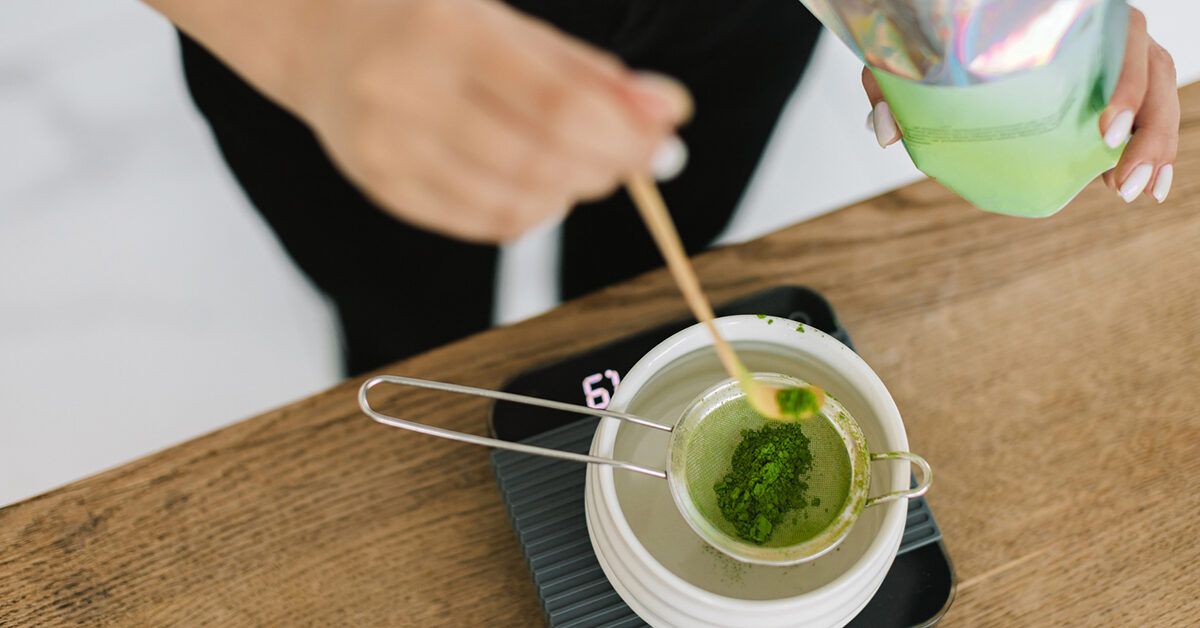
The best green tea for diabetes is usually the simplest one: brewed green tea without sugar. Loose-leaf tea, tea bags, sencha, jasmine green tea, and unsweetened bottled green tea can all fit. Matcha may provide more concentrated tea compounds because the whole powdered leaf is consumed, but it also contains more caffeine per serving than many brewed green teas.
A reasonable routine for many adults is one to three cups per day, depending on caffeine tolerance. Some people enjoy more, but more is not always better. If green tea causes jitters, heartburn, stomach upset, anxiety, or sleep problems, reduce the amount or switch to decaffeinated green tea.
How to Brew It Without Making It Taste Like Lawn Clippings
Green tea can taste bitter if the water is too hot or the steeping time is too long. Use hot water that is below boiling, usually around 160°F to 180°F, and steep for about two to three minutes. If the tea tastes harsh, shorten the steeping time. A squeeze of lemon can brighten the flavor. A few mint leaves can make it taste like you planned your life better than you did.
What to Avoid: Sugar, Syrups, and “Healthy” Traps
Green tea can quickly lose its diabetes-friendly halo when loaded with sugar, honey, syrups, sweetened condensed milk, or flavored powders. Honey may sound natural, but it still contains carbohydrates that can raise blood glucose. Brown sugar is still sugar. Agave is not a magic invisibility cloak for carbs.
Sweetened bottled green teas can also be tricky. Some contain as much sugar as soft drinks. Always check the Nutrition Facts label for total carbohydrates, added sugars, and serving size. A bottle that looks like one serving may secretly be two. Food labels enjoy tiny surprises.
Green Tea Supplements vs. Brewed Green Tea
Brewed green tea and green tea extract supplements are not the same thing. Drinking green tea as a beverage is generally considered safe for most adults in moderate amounts. Concentrated green tea extracts may deliver much higher doses of catechins and have been linked in rare cases to liver injury, especially when taken in large amounts or on an empty stomach.
People with diabetes should be especially careful with supplements because they may interact with medications or affect glucose levels unpredictably. Supplements are also not regulated in the same way as prescription drugs. If you are considering green tea extract, talk with a healthcare professional first. In most cases, the safer and more practical choice is brewed tea.
Caffeine Considerations for People With Diabetes
Green tea contains caffeine, and caffeine affects people differently. Some people feel focused and energized. Others feel shaky, anxious, or wide awake at midnight questioning every life decision since third grade.
Caffeine may temporarily affect blood pressure or glucose responses in some individuals. It can also interfere with sleep, and poor sleep can make blood sugar harder to manage. If you notice higher readings, palpitations, reflux, or sleep disruption after green tea, consider drinking it earlier in the day, choosing a smaller serving, or switching to decaffeinated green tea.
People who are pregnant, teens, people with anxiety disorders, people with heart rhythm issues, and those taking certain medications should be cautious with caffeine. Personalized advice from a clinician is best.
Green Tea and Heart Health in Diabetes
Heart health matters because diabetes increases the risk of cardiovascular disease. Green tea may support heart health when it replaces sugary beverages and fits into a diet rich in vegetables, whole grains, legumes, lean proteins, nuts, seeds, and healthy fats.
Some studies associate tea consumption with healthier cholesterol and blood pressure patterns, although results vary. The biggest cardiovascular benefit still comes from the full lifestyle package: not smoking, staying active, managing blood pressure, controlling cholesterol, following medical advice, and keeping blood glucose in a target range.
How Green Tea Fits Into a Diabetes-Friendly Eating Plan
A diabetes-friendly eating plan does not have to be boring, joyless, or built entirely from steamed broccoli and moral superiority. A practical approach is the Diabetes Plate Method: fill half the plate with non-starchy vegetables, one quarter with lean protein, and one quarter with quality carbohydrates such as whole grains, beans, fruit, starchy vegetables, or low-fat dairy.
Green tea can sit beside that meal as a sugar-free drink. For breakfast, it may pair with oatmeal, Greek yogurt, eggs, or whole-grain toast. At lunch, iced green tea can replace soda. After dinner, decaffeinated green tea can provide a calming ritual without adding dessert-like carbohydrates.
Sample Day With Green Tea
Morning: A cup of green tea with eggs, avocado, and whole-grain toast. Lunch: Unsweetened iced green tea with grilled chicken salad and beans. Afternoon: Hot green tea with a small handful of nuts instead of a sweet coffee drink. Evening: Decaffeinated green tea with a balanced dinner of salmon, roasted vegetables, and quinoa.
Who Should Be Careful With Green Tea?
Green tea is safe for many people, but it is not automatically right for everyone. People who are sensitive to caffeine may need to limit intake. Those with liver disease should avoid concentrated green tea extracts unless approved by a healthcare professional. People taking blood thinners, beta-blockers, stimulant medications, or diabetes medications should ask a clinician or pharmacist about possible interactions.
Green tea may also reduce iron absorption from plant foods when consumed with meals. People with iron deficiency may want to drink tea between meals rather than with iron-rich foods. This does not mean green tea is “bad”; it means timing can matter.
Common Myths About Green Tea and Diabetes
Myth 1: Green Tea Can Cure Diabetes
No. Green tea cannot cure diabetes. Diabetes management requires a personalized care plan that may include nutrition, activity, medication, insulin, glucose monitoring, and regular medical follow-up.
Myth 2: More Green Tea Means Better Blood Sugar
Not necessarily. Too much caffeine can cause side effects, and concentrated extracts may carry risks. A moderate, consistent habit is smarter than trying to flood the body with tea like it is a houseplant.
Myth 3: Sweetened Green Tea Is Still Healthy Because It Is Green Tea
Sweetened green tea may still contain added sugars that raise blood glucose. The word “green” does not erase the sugar on the label.
Realistic Experiences: Living With Green Tea as Part of Diabetes Prevention and Management
Many people who add green tea to a diabetes prevention or management routine discover that its biggest benefit is not dramatic overnight blood sugar change. Instead, it helps create structure. A morning cup can become a calm starting ritual. An afternoon iced green tea can replace soda. A warm evening mug can signal that the kitchen is closing for the night, which is useful when snacks start whispering from the pantry.
One common experience is the “beverage reset.” Someone used to drinking sweet tea, soda, or flavored coffee may initially find plain green tea too mild or even grassy. After a week or two, taste buds often adjust. Lemon, mint, cinnamon, or a splash of unsweetened almond milk can help. The goal is not punishment in a cup. The goal is a drink that feels enjoyable enough to repeat.
Another experience is improved awareness. People who start drinking unsweetened green tea often begin reading labels more carefully. They notice that many bottled teas, smoothies, and wellness drinks contain added sugars. That awareness can spread to cereals, sauces, yogurts, and snacks. A simple tea habit can become a gateway to better food literacy, which is far more useful than chasing miracle cures.
Some people with diabetes use green tea as part of a post-meal routine. After lunch, they brew a cup and take a short walk. The tea itself may not dramatically lower glucose, but the combined habit can help: fewer sugary drinks, more hydration, and light movement after eating. A ten- to fifteen-minute walk after meals can support glucose management for many people. Green tea becomes the friendly cue that says, “Stand up, your body has glucose to handle.”
People also report that green tea helps with afternoon cravings. This may be partly behavioral. Holding a warm mug slows the pace of snacking. The slight bitterness can cleanse the palate. The caffeine can provide a gentle lift. Instead of reaching for cookies at 3 p.m., a person might drink green tea and eat a protein-rich snack, such as Greek yogurt, nuts, cheese, or hummus with vegetables. That combination is more blood-sugar-friendly than a sweet drink and a pastry.
However, not every experience is positive. Some people feel jittery from caffeine or notice reflux when drinking green tea on an empty stomach. Others dislike the taste unless it is sweetened. In that case, forcing green tea is unnecessary. Diabetes management is not a personality test. Water, sparkling water without sugar, unsweetened herbal tea, or decaffeinated tea may work better.
The most successful green tea habit is flexible. It does not require expensive ceremonial tools, rare imported leaves, or a personality transformation into a wellness influencer. It can be as simple as brewing a tea bag, pouring it over ice, and skipping the sugar. If the habit helps reduce sweet drinks, supports hydration, and fits comfortably into daily life, it has already done something valuable.
Conclusion: Green Tea Is Helpful, Not Magical
Green tea can be a smart addition to a diabetes prevention or management plan, especially when it replaces sugary beverages. Its catechins, low calorie content, and mild caffeine make it an appealing choice for many adults. The evidence suggests possible benefits for fasting glucose, insulin sensitivity, heart health, and weight-related habits, but results are not strong enough to treat green tea as medicine.
The best approach is simple: drink green tea unsweetened, keep caffeine tolerance in mind, avoid high-dose extracts unless medically approved, and combine it with proven diabetes strategies. That means balanced meals, regular physical activity, weight management when needed, sleep, stress control, medication adherence, and routine healthcare visits.
In other words, green tea can support the plan, but it is not the entire plan. It is the quiet, reliable friend at the tablenot the superhero crashing through the ceiling. And honestly, that is still pretty useful.