

Hand eczema is one of those conditions that sounds minor until it decides to run your entire week. Suddenly, washing dishes feels like a chemistry experiment, hand sanitizer stings like betrayal, and even opening a can of sparkling water becomes an unexpected test of courage. The good news is that hand eczema is common, treatable, and usually manageable once you understand what is irritating your skin and how to protect it.
If you have dry, itchy, cracked, red, or blistered hands that keep flaring up, you are not just “bad at winter” or “too sensitive to soap.” Hand eczema can happen for several reasons, including irritants, allergies, a history of eczema, or repeated exposure to water, detergents, gloves, and chemicals. In many cases, it is not caused by just one thing. It is more like a rude group project where several triggers show up at once.
This guide covers what hand eczema is, what it looks like, why it happens, how doctors diagnose it, what treatment usually involves, and what daily habits can make a real difference. It also includes a longer section on real-world experiences people often have with hand eczema, because sometimes practical life is where the rash gets the last word.
What Is Hand Eczema?
Hand eczema is inflammation of the skin on the hands. It is not a single one-size-fits-all diagnosis. Instead, it is a broad term that may include irritant contact dermatitis, allergic contact dermatitis, atopic hand eczema, or dyshidrotic eczema, which often causes tiny itchy blisters on the palms and sides of the fingers. Some people have one type. Others have a frustrating combo platter.
The skin on your hands works hard every day. It deals with water, soap, friction, temperature changes, cleaning products, food, metal, paper, tools, and whatever mystery substance is lurking on your steering wheel. When the skin barrier gets damaged or the immune system reacts to a trigger, eczema can flare. That damaged barrier also lets more irritants in, which creates a miserable cycle of dryness, itching, inflammation, and more damage.
Common Signs and Symptoms of Hand Eczema
Hand eczema can look different from person to person, and it can change over time. Some people have mild dryness and itching. Others deal with painful cracking, swelling, or blisters that make everyday tasks feel absurdly dramatic. The most common symptoms include:
- Dry, rough, or scaly skin
- Redness or darker irritated patches, depending on skin tone
- Itching, burning, or stinging
- Cracks or fissures that may hurt or bleed
- Swelling
- Tiny fluid-filled blisters, especially with dyshidrotic eczema
- Thickened skin if the problem becomes chronic
Sometimes hand eczema starts as simple dryness and gradually turns into something angrier. Other times it shows up fast after exposure to a trigger. Chronic hand eczema may make the skin look leathery or thick from repeated inflammation and scratching. Severe flares can interfere with sleep, work, exercise, cooking, and even basic handwashing.
Why Hand Eczema Happens
1. Irritants wear down the skin barrier
This is one of the biggest reasons hand eczema develops. Frequent handwashing, wet work, detergents, cleaning products, solvents, shampoos, food prep, cement, and repeated friction can strip the skin of oils and damage the outer barrier. The result is irritated, inflamed skin that becomes easier to trigger again. In other words, once the barrier is annoyed, it becomes very committed to staying annoyed.
2. Allergens trigger a delayed skin reaction
Some cases are caused by allergic contact dermatitis. That means the immune system reacts to a substance that touches the skin. Common culprits may include fragrances, preservatives, rubber accelerators in gloves, nickel, hair dye ingredients, and certain topical products. An item can be “fine for years” and then suddenly become a problem, which feels unfair because it is.
3. A history of atopic dermatitis raises the risk
People who had eczema as children or who have an atopic background may be more likely to develop hand eczema. If your skin already tends to be dry, reactive, and prone to inflammation, the hands can become a major trouble spot, especially under stress or during cold, dry weather.
4. Dyshidrotic eczema has its own style of chaos
Dyshidrotic eczema often causes small, itchy blisters on the palms and sides of the fingers. It can be triggered by stress, moisture, metals, sweating, or other environmental factors. The blisters may dry out and peel, only to return later like a sequel nobody asked for.
Who Is Most Likely to Get It?
Anyone can develop hand eczema, but some people are at higher risk. That includes healthcare workers, hair stylists, food handlers, cleaners, mechanics, construction workers, machinists, bartenders, parents of very young kids, and anyone whose day involves frequent water exposure or chemicals. People who wear gloves for long stretches may also struggle, especially if sweat and friction build up underneath.
Hand eczema is especially common in jobs that involve “wet work,” meaning repeated handwashing, long periods with wet hands, or constant glove use. At home, repeated dishwashing, cleaning, gardening, laundry, and craft materials can also trigger flares. So yes, your career, your hobbies, and your attempt to become a person who wipes down counters every evening may all be involved.
How Hand Eczema Is Diagnosed
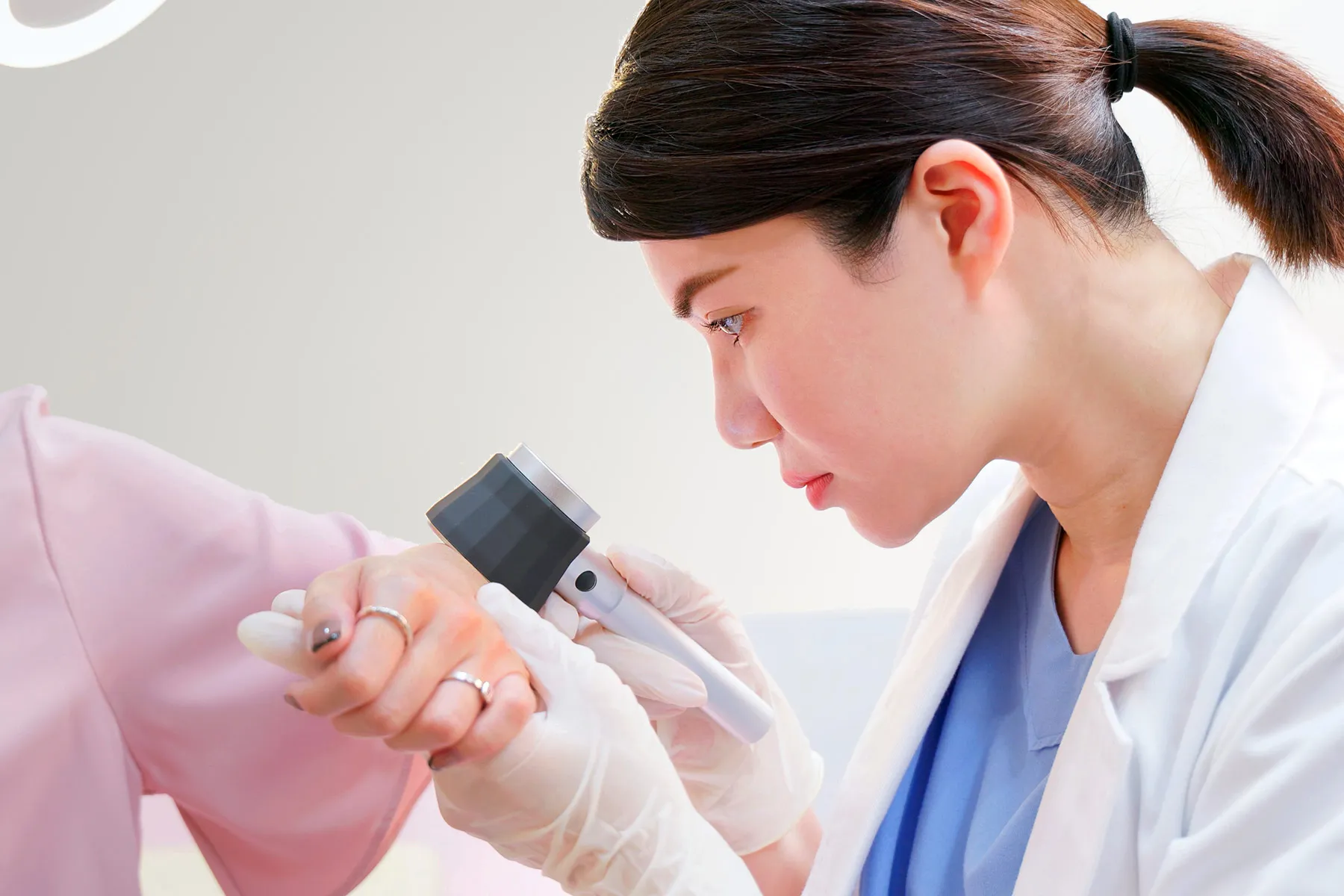
A dermatologist or other qualified clinician usually diagnoses hand eczema by looking at the skin, asking about symptoms, and reviewing your daily exposures. The pattern matters. Is it on the fingertips? Palms? Knuckles? Does it flare after cleaning, wearing gloves, or using specific products? Is there a personal or family history of eczema, asthma, or allergies?
If allergic contact dermatitis is suspected, patch testing may be recommended. This is different from the quick allergy tests used for seasonal allergies. Patch testing helps identify delayed skin reactions to substances that touch the skin, such as fragrance mixes, rubber chemicals, preservatives, metals, or ingredients in cosmetics and lotions.
Sometimes a clinician may also think about other conditions that can mimic hand eczema, including fungal infections, psoriasis, or skin infections. That is why a stubborn rash should not always be treated by internet guesswork and optimism alone.
Best Treatments for Hand Eczema
Start with the skin barrier
Moisturizer is not the glamorous part of treatment, but it is often the MVP. Thick creams and ointments help repair the skin barrier, reduce water loss, and improve cracks and irritation. The best time to apply them is after washing, after bathing, before bed, and anytime the skin feels dry. Fragrance-free products are usually the safest choice. If a lotion smells like a tropical vacation, your hands may vote no.
Use prescription anti-inflammatory treatment when needed
Topical corticosteroids are commonly used to calm inflammation during flares. Because the skin on the hands is thicker than skin on many other body areas, treatment sometimes needs to be stronger than people expect. In some cases, clinicians may recommend nonsteroid topical options such as calcineurin inhibitors or other prescription anti-inflammatory medications, especially for sensitive areas or long-term management plans.
Identify and avoid the trigger
This sounds obvious, but it can be the hardest part. Sometimes the trigger is easy to spot, like bleach, hair dye, or a harsh soap. Other times it is surprisingly sneaky, such as a preservative in hand cream, rubber chemicals in gloves, or nickel exposure. Treatment works better when the cause is addressed instead of repeatedly apologizing to your skin while doing the same thing again tomorrow.
Protect the hands without trapping more irritation
Gloves can help, but glove strategy matters. For wet work, many people do best with protective gloves and, if recommended, cotton liners underneath to reduce sweat and friction. Gloves should not stay on forever, because heat and moisture can irritate the skin too. This is one of those frustrating “yes, but not too much” situations.
For severe or stubborn cases
If hand eczema is severe, widespread, infected, or not improving with basic treatment, a dermatologist may recommend additional options. These can include phototherapy, short-term oral medication in selected situations, or advanced systemic treatments for chronic inflammatory eczema. The exact approach depends on the type of eczema, severity, and how much it affects daily life.
Daily Habits That Help Prevent Flares
Hand eczema prevention is often about reducing cumulative damage. One harsh soap may not ruin your week, but five small irritants repeated all day can absolutely team up like cartoon villains. These habits usually help:
- Wash with lukewarm, not hot, water
- Choose fragrance-free, gentle cleansers when possible
- Pat hands dry instead of aggressively rubbing
- Apply moisturizer right after washing
- Wear protective gloves for dishes, cleaning, or chemical exposure
- Avoid known allergens and irritants once identified
- Use hand sanitizer carefully if soap and water are not required and if it is less irritating for you
- Keep nails short to reduce damage from scratching
At home, simplify your routine. Switch to fragrance-free soap, dish liquid, and moisturizer. Skip products with heavy perfumes, essential oils, or flashy “tingly” ingredients if your skin is already flaring. At work, ask whether there are gentler cleansers, alternate glove options, or barrier-protective steps that can be built into your routine.
Cold weather can also worsen hand eczema because dry air pulls moisture from the skin. In winter, moisturizing more often is not overkill. It is maintenance. Your hands are basically asking for weather-related hazard pay.
When to See a Doctor
You should get medical care if your hands are painful, cracked, bleeding, blistered, infected-looking, or interfering with sleep, work, or daily activities. It is also smart to seek care if over-the-counter moisturizers are not helping, if the rash keeps coming back, or if you suspect a specific product or job exposure is triggering the problem.
Signs of possible infection can include increasing pain, warmth, pus, yellow crusting, or rapidly worsening redness. Do not just cross your fingers and hope for a plot twist. Hand eczema can usually be managed more effectively when treatment starts before the skin becomes severely damaged.
What People Often Experience With Hand Eczema
Here is the part that many medical summaries skip: the lived experience. Hand eczema is not just a skin issue; it is a “why does literally everything involve using my hands” issue. People often describe the condition as physically uncomfortable, emotionally exhausting, and surprisingly disruptive.
A very common story starts with dryness. Someone notices their hands feel tight after washing. Then they start using more soap because the skin feels “unclean” or because their job requires it. The dryness becomes redness. Then the knuckles start cracking. At first it looks like ordinary chapping, so they buy a random scented lotion from the drugstore. Their skin responds by becoming even angrier, which is deeply rude but medically very on-brand.
Another common experience is the sanitizer spiral. A person is careful, hygienic, and trying to do all the right things, especially during cold and flu season. But after repeated washing and alcohol exposure, the hands begin to burn. Tiny cuts appear around the fingers. Even applying moisturizer hurts. This is where hand eczema can become a weird emotional trap: people know they need clean hands, but the very process of keeping hands clean seems to punish them.
Work-related flares are also incredibly common. A nurse may notice worsening symptoms after long shifts of hand hygiene and glove use. A hairstylist may flare around shampoos, dyes, or wet work. A cook may struggle with citrus, garlic, onions, spices, and repeated washing. A cleaner may react to disinfectants. These are not imaginary problems or “sensitive skin drama.” The hands are dealing with repeated exposure all day long, and sometimes the skin barrier simply runs out of patience.
Then there is the social side. People with visible hand eczema often feel self-conscious shaking hands, holding hands, getting manicures, or even paying at a checkout counter. Some worry others will think the rash is contagious. Others feel embarrassed by flaking or peeling skin. The truth is that eczema is common, not contagious, and nothing to be ashamed of, but visible skin conditions have a way of messing with confidence anyway.
Many people also talk about the “patch test plot twist,” where the culprit turns out to be something unexpected: a preservative in moisturizer, fragrance in soap, rubber additives in gloves, or nickel exposure from everyday objects. That discovery can be frustrating, but it is also empowering. Once a real trigger is identified, treatment becomes more targeted and life starts making sense again.
The most encouraging pattern people report is that small routine changes often add up. Switching to fragrance-free products, moisturizing after every wash, using gloves correctly, avoiding hot water, and getting proper prescription treatment can reduce flares dramatically. It may not be an overnight miracle, but many people do reach a point where their hands stop ruling the calendar and start acting like normal body parts again.
Final Takeaway
Hand eczema is common, complex, and usually very manageable once you identify the triggers and protect the skin barrier consistently. The big lessons are simple: do not ignore persistent hand irritation, do not assume every rash is “just dry skin,” and do not underestimate the power of a boring fragrance-free ointment. Sometimes the least glamorous product in your bathroom is the one doing the real hero work.
If your hands are itchy, cracked, or blistered on repeat, a proper diagnosis can save you a lot of discomfort and trial-and-error spending. With the right treatment plan, smarter product choices, and better protection from irritants and allergens, your hands can calm down and go back to doing important things, like opening snack bags without filing a formal complaint.