

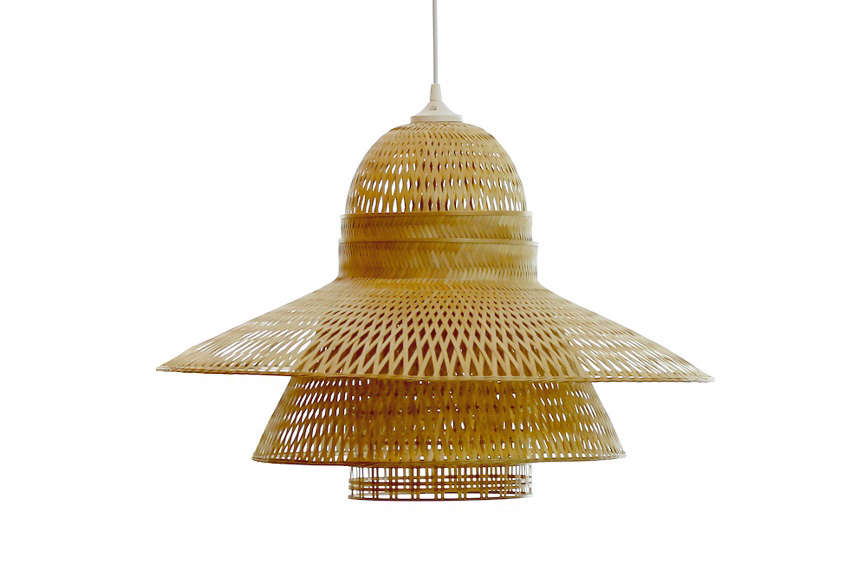
A Hanoi Suspension Light is not just a lamp hanging politely from the ceiling, trying not to interrupt dinner. It is a design statement with a passport. Inspired by Vietnamese craft, natural textures, woven materials, and warm atmospheric lighting, this style of pendant light brings together function, mood, and a little bit of “Where did you get that?” energy.
In today’s interior design world, homeowners are moving away from purely practical ceiling fixtures and toward pieces that shape the feeling of a room. The Hanoi suspension light fits beautifully into that shift. Whether it appears as a woven bamboo pendant, a lotus-shaped wooden lamp, a minimalist black multi-cord fixture, or a Paris-Hanoï conical shade inspired by the traditional Vietnamese hat, the core appeal remains the same: soft light, sculptural form, and a calm natural presence.
This guide breaks down what makes the Hanoi pendant light special, where it works best, how to choose the right bulb, how high to hang it, and how to style it without making your dining room look like it is trying too hard. Spoiler: the lamp does most of the heavy lifting.
What Is a Hanoi Suspension Light?
A Hanoi suspension light is generally a pendant-style ceiling light inspired by Vietnamese aesthetics, natural materials, and warm ambient illumination. The word “suspension” is commonly used in European lighting design to describe a hanging pendant light or chandelier-style fixture. In the United States, shoppers are more likely to search for terms such as Hanoi pendant light, bamboo pendant lamp, woven hanging light, or Vietnamese-inspired ceiling light.
There is no single universal Hanoi Suspension Light. Instead, the name appears across several related design ideas. Some versions use woven bamboo shades that cast delicate shadows on surrounding walls. Others feature black ceiling plates and adjustable cords, giving homeowners room to choose decorative bulbs and create a custom lighting arrangement. Some designs lean more artisanal, using wood or lotus-inspired shapes. Others, such as Paris-Hanoï pendants, use large conical shades that nod to Vietnamese cultural forms while adding a polished French design influence.
That variety is actually good news. It means the Hanoi suspension light can fit rustic, coastal, bohemian, Japandi, minimalist, modern organic, and even boutique hotel-inspired interiors. Basically, it is the rare home decor piece that can attend several style parties and not be overdressed.
Why the Hanoi Suspension Light Is So Appealing
It Creates Atmosphere First
The biggest charm of a Hanoi Suspension Light is the mood it creates. This is not the harsh ceiling light that makes everyone at the dinner table look like they are being questioned by airport security. The best Hanoi-style lights filter illumination through woven, wooden, raffia, or fabric-like materials, producing a warmer and softer glow.
That makes the fixture ideal for spaces where comfort matters: living rooms, bedrooms, dining rooms, entryways, reading corners, and relaxed hospitality spaces. The light becomes part of the decor rather than just a tool for finding your keys.
It Adds Texture Without Clutter
Natural materials are having a long and deserved design moment. Bamboo, raffia, rattan, wood, and woven fibers add visual texture without making a room feel crowded. A Hanoi pendant light can soften hard surfaces such as stone countertops, white walls, glass tables, or metal-framed furniture.
This is especially useful in modern homes, where clean lines can sometimes drift into “beautiful but slightly cold museum lobby.” A woven or wooden suspension light brings the room back to earth. It says, “Yes, this space is stylish, but you are still allowed to sit down.”
It Works as a Focal Point
A well-chosen pendant light naturally draws the eye upward. In a dining room, the Hanoi Suspension Light can visually anchor the table. In a living room, it can define a conversation zone. In an entryway, it can create a welcoming first impression before anyone notices the pile of shoes by the door.
Large conical shades, lotus-shaped wooden designs, and multi-light black suspension fixtures all have enough presence to act as the centerpiece of a room. Yet because the materials and silhouettes are usually warm and simple, they rarely feel flashy.
Popular Styles of Hanoi Suspension Lights
1. Woven Bamboo Hanoi Suspension Light
The woven bamboo version is perhaps the most recognizable. It usually features a shade made from bamboo or bamboo-like fibers, allowing light to pass through in patterns. This type of fixture is excellent for creating shadow play on walls and ceilings.
Use it in bedrooms, quiet sitting rooms, covered indoor dining areas, or entryways where you want the light to feel gentle and organic. Pair it with linen curtains, oak furniture, terracotta accents, handmade ceramics, or neutral rugs for an earthy, layered look.
2. Minimalist Black Hanoi Pendant Light
Some Hanoi pendant lights take a more modern direction with a black ceiling plate, black cords, and exposed bulbs. These fixtures work almost like a blank canvas. The final look depends heavily on the bulbs you choose: smoked glass globes feel moody and upscale, clear LED bulbs feel cleaner, and warm Edison-style bulbs add vintage character.
This style is a strong match for kitchen islands, long dining tables, loft apartments, and contemporary interiors. It also works well in homes where the owner wants warmth but does not want a fully rustic or bohemian look.
3. Paris-Hanoï Conical Pendant Light
The Paris-Hanoï style is typically more refined and fashion-forward. Its conical form is inspired by the traditional Vietnamese hat, while details such as black borders, textile finishes, raffia, or velvet give it a more tailored appearance.
This style shines in dining rooms and living spaces where the lamp needs to look intentional and elegant. It has a boutique-hotel personality, but thankfully it does not charge boutique-hotel prices for bottled water.
4. Lotus-Inspired Wooden Hanoi Suspension Light
Lotus-shaped wooden Hanoi lights bring a more symbolic and sculptural quality to the space. The lotus is often associated with purity, beauty, renewal, and prosperity, making it a meaningful choice for homes that value cultural reference as much as visual appeal.
These lights can work beautifully in meditation corners, bedrooms, creative studios, small dining areas, and warm minimalist interiors. The wood construction adds a handcrafted feeling that mass-produced metal fixtures often lack.
Best Rooms for a Hanoi Suspension Light
Dining Room
The dining room is one of the best places for a Hanoi Suspension Light. A large woven or conical pendant over the dining table creates instant intimacy. It helps define the table as the heart of the room, even if dinner is takeout served on real plates because we are all doing our best.
For most dining tables, hang the bottom of the fixture about 30 to 36 inches above the tabletop. If your ceiling is higher than eight feet, you may need to raise the fixture slightly. The goal is simple: low enough to feel cozy, high enough that guests can see each other and pass the bread without ducking.
Living Room
In a living room, a Hanoi pendant light can replace a standard flush mount or builder-grade ceiling fixture. Choose a wider shade if you want the light to serve as a visual centerpiece. Choose a softer woven or fabric-like design if you want ambient lighting that makes movie night feel warmer.
Because many Hanoi-style fixtures are decorative rather than ultra-bright task lights, layer them with floor lamps, table lamps, or wall sconces. This creates flexibility and prevents the room from relying on one dramatic ceiling light to do every job. Even beautiful lamps deserve coworkers.
Bedroom
A woven bamboo or lotus-inspired Hanoi Suspension Light is excellent in the bedroom. It brings softness overhead and pairs well with warm white bulbs. Avoid overly bright or cool bulbs here unless your preferred bedroom vibe is “dentist office at sunrise.”
For bedrooms, consider dimmable LED bulbs and a compatible dimmer switch. A dimmer allows the fixture to shift from practical light while cleaning or organizing to a gentle glow before sleep.
Kitchen Island
A minimalist black Hanoi pendant can work beautifully over a kitchen island, especially when the cords are adjustable. For task areas, brighter bulbs and slightly cooler soft-white light may be useful. Many homeowners prefer bulbs around 3000K for kitchens because they feel clean without becoming icy.
For island lighting, hang pendants roughly 30 to 36 inches above the countertop. If using multiple pendants, spacing them about 24 to 30 inches apart usually creates a balanced look. Always test sightlines before final installation. Nobody wants a pendant light directly in front of their face while chopping onions and questioning life choices.
Entryway
The entryway is another excellent location for a Hanoi Suspension Light. A woven or sculptural fixture makes the home feel more welcoming from the first step inside. In small foyers, choose a compact pendant with an open weave. In larger entryways, a bigger conical or lotus-style piece can create drama without feeling heavy.
How to Choose the Right Bulb
The bulb can make or break a Hanoi Suspension Light. Since many designs feature open weaving, visible bulbs, or translucent materials, the bulb is not just a technical detail. It is part of the outfit.
Choose LED for Efficiency
LED bulbs are the best everyday choice for most pendant lights. They use far less energy than incandescent bulbs, last much longer, and generate less heat. That matters when your fixture uses natural materials such as bamboo, raffia, or wood. Always follow the manufacturer’s maximum wattage recommendation, especially with enclosed or woven shades.
Use Warm White for Cozy Rooms
For living rooms, bedrooms, dining rooms, and relaxed entryways, choose a warm white bulb in the 2700K to 3000K range. Lower Kelvin numbers produce a warmer, more golden tone, while higher numbers look cooler and bluer. A warm bulb makes natural materials glow rather than glare.
Pay Attention to CRI
CRI, or Color Rendering Index, describes how accurately a light source shows colors. For interiors, look for bulbs with a CRI of at least 80. If the fixture hangs over a dining table, vanity area, artwork, or colorful textiles, a CRI of 90 or higher can make food, skin tones, and decor look more natural.
Consider Decorative Bulbs
For minimalist black Hanoi pendants with exposed bulbs, decorative LED bulbs are especially important. Globe bulbs, smoked glass bulbs, warm filament-style LEDs, and dim-to-warm bulbs can completely change the mood. Think of the bulb as the jewelry and the fixture as the little black dress.
How to Size a Hanoi Suspension Light
Scale is everything. A pendant that is too small can disappear, while one that is too large can make the room feel like it is wearing a hat indoors.
For a dining table, a common rule is to choose a fixture roughly one-half to two-thirds the width of the table. For example, a 60-inch dining table can often handle a pendant around 30 to 40 inches wide, depending on the shape and openness of the shade. For round tables, round or conical pendants usually feel harmonious. For rectangular tables, consider either one large oval or conical pendant, a linear multi-light Hanoi fixture, or two smaller pendants.
For bedrooms and living rooms, consider ceiling height and walking clearance. If the fixture hangs in an open traffic path, keep the bottom at least seven feet above the floor. If it hangs over furniture, you can bring it lower for a more intimate look.
Installation and Safety Tips
Although many pendant lights look simple, ceiling installation involves electrical wiring and secure mounting. If you are replacing an existing ceiling fixture and are comfortable with basic electrical work, follow the manufacturer’s instructions carefully. If the wiring is old, the ceiling box feels loose, or the fixture is heavy, hire a licensed electrician.
For U.S. homes, look for fixtures that are listed or certified for the market, such as UL or ETL certification. Decorative lighting is commonly tested to luminaire safety standards, and this matters because pendant lights combine electricity, weight, heat, and gravity. Gravity, as usual, remains undefeated.
If the shade is made from bamboo, raffia, or wood, use LED bulbs and stay within wattage limits. Make sure the bulb does not touch the shade. If installing in a bathroom, covered patio, or humid area, verify that the fixture is rated for damp or wet locations. Not every beautiful pendant wants to live near steam.
How to Style a Hanoi Suspension Light
Pair It With Natural Materials
The Hanoi Suspension Light looks especially good with wood tables, cane chairs, linen upholstery, clay vases, stoneware dishes, jute rugs, and indoor plants. These materials echo the organic character of the fixture without competing with it.
Balance It With Modern Lines
To avoid a room feeling overly themed, mix the pendant with modern pieces. A woven bamboo light over a sleek dining table can feel fresh and intentional. A lotus wooden pendant in a minimalist bedroom can become the one sculptural element that gives the room personality.
Use Contrast
Black cords, black edging, or a black ceiling canopy can create contrast against pale ceilings and neutral walls. If the room has matte black hardware, black-framed windows, or dark chair legs, a Hanoi pendant with black details will look connected to the overall design.
Let Shadows Be Part of the Design
Woven shades often create patterns on walls and ceilings. Instead of treating those shadows as a side effect, embrace them. They can make a hallway feel poetic, a bedroom feel serene, or a dining room feel like it was styled by someone who owns linen napkins and actually uses them.
Pros and Cons of Hanoi Suspension Lights
Pros
Hanoi suspension lights are warm, decorative, textural, and versatile. They can soften modern interiors, add handmade character, and create atmosphere in a way that ordinary ceiling fixtures rarely do. Many versions work with standard bulb bases, making it easy to adjust brightness and color temperature over time.
Cons
Some woven and sculptural versions may not provide enough task lighting on their own. Natural materials may require gentle cleaning and careful bulb selection. Large shades also need proper ceiling height and room scale. In other words, measure first, buy second, brag third.
Who Should Buy a Hanoi Suspension Light?
A Hanoi Suspension Light is a strong choice for homeowners, renters, designers, and boutique business owners who want lighting with character. It is especially suitable for people who like natural textures, warm illumination, artisan-inspired decor, and pendant lights that feel both relaxed and elevated.
It may not be the best fit if you need extremely bright task lighting from a single ceiling fixture, or if your home has very low ceilings and no furniture zone to hang it over. However, with the right size, bulb, and placement, the Hanoi pendant light can work in far more interiors than you might expect.
Buying Checklist
- Confirm the fixture dimensions and maximum hanging height.
- Check the bulb base, such as E26 or E27, before purchasing bulbs.
- Choose LED bulbs to reduce heat and energy use.
- Use warm white light for cozy spaces and brighter soft white for kitchens.
- Look for a listed or certified fixture when buying for U.S. installation.
- Measure ceiling height, table width, and walking clearance.
- Consider whether the shade will cast patterned shadows.
Real-Life Experience With a Hanoi Suspension Light
Living with a Hanoi Suspension Light is different from simply installing a ceiling lamp. The first thing you notice is not brightness. It is atmosphere. In the evening, when the overhead light comes on and the shade begins to glow, the room changes pace. The light feels slower, warmer, and more human. It is the kind of fixture that makes you lower your voice a little, not because anyone asked you to, but because the room suddenly feels calm enough to deserve it.
In a dining room, the experience is especially satisfying. A woven Hanoi pendant over the table makes even an ordinary weeknight meal feel more intentional. Pasta from a box? Suddenly charming. Leftover soup? Practically rustic. The light gathers everyone into the same visual circle, which is one reason pendant lighting works so well over dining areas. It creates a small stage for conversation, food, and the occasional dramatic retelling of what happened at work.
The shadows can be a surprise in the best way. With a bamboo or open-weave shade, the fixture may cast soft patterns across the ceiling or nearby walls. During the day, the lamp acts as sculpture. At night, it becomes scenery. That changing personality makes the piece feel alive, especially compared with flat ceiling lights that simply turn on and announce, “Here is light.”
There are practical lessons, too. The bulb matters more than most people expect. A cool white bulb can make a natural shade look dull or overly sharp, while a warm LED bulb brings out the honey tones in bamboo, raffia, or wood. A dimmer is also worth considering. Without one, the fixture has only two moods: awake and asleep. With a dimmer, it can handle dinner, reading, late-night tea, and the sacred American tradition of standing in the kitchen wondering what snack will fix your life.
Cleaning is simple but should be gentle. A feather duster, microfiber cloth, or soft brush attachment can remove dust from woven surfaces. Avoid soaking natural materials or using harsh cleaners. If the fixture has exposed bulbs, turn the power off and let everything cool before cleaning. This sounds obvious, but every home has at least one person who believes confidence is a safety strategy. It is not.
The best part of owning a Hanoi Suspension Light is how easily it earns compliments without looking desperate for them. It does not scream luxury. It whispers taste. Guests may not immediately know whether the shade is bamboo, raffia, wood, or fabric, but they will notice that the room feels warmer and more considered. That is the real value of this type of light. It improves not only how a room looks, but how people behave inside it. They linger longer. They notice details. They ask about the lamp. And yes, you are allowed to enjoy that part.
Conclusion
The Hanoi Suspension Light is a beautiful example of how lighting can do more than illuminate a room. It can introduce texture, culture, softness, and architectural presence. Whether you choose a woven bamboo pendant, a black minimalist multi-light design, a lotus-inspired wooden fixture, or a refined Paris-Hanoï conical shade, the goal is the same: warm light with personality.
For the best result, choose the right scale, hang it at the proper height, use warm LED bulbs, and let the material do what it does best. A Hanoi pendant light is not the loudest design piece in the room, but it may be the one that makes everything else look better. In the world of home decor, that is basically a superpower with a cord.
Note: This article is written from synthesized product, lighting design, energy-efficiency, and fixture-safety information. It is prepared as clean publishable HTML without source links or citation placeholders.