

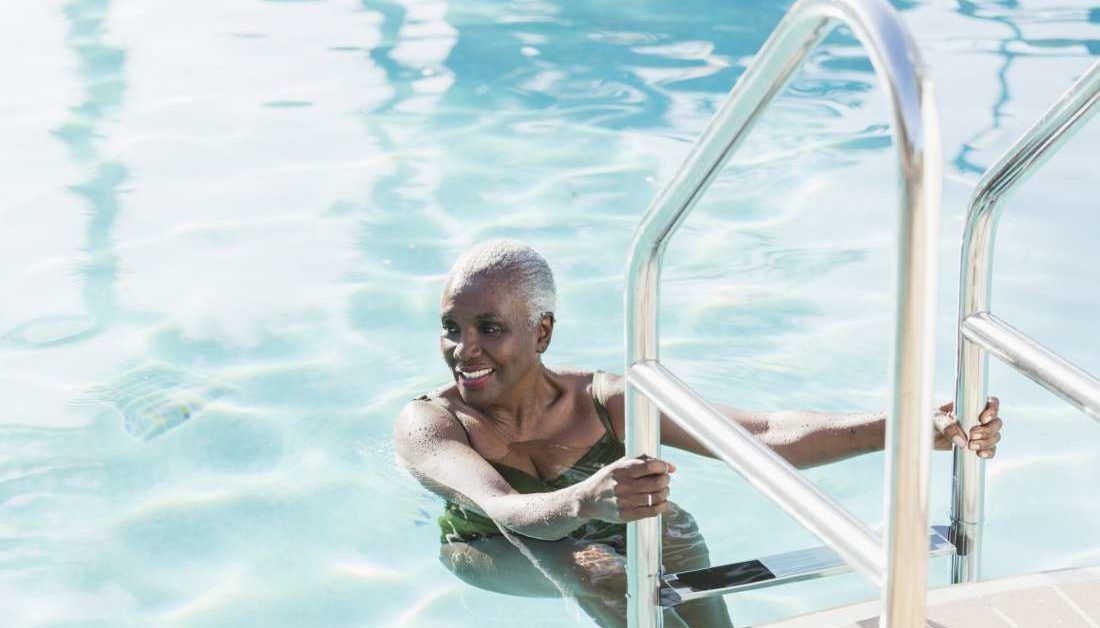
Getting older comes with plenty of surprises: your favorite songs become “classics,” your knees start offering weather forecasts, and suddenly everyone has an opinion about fiber. But one of the best surprises is this: exercise remains powerful at almost every age. Whether someone is 55, 70, or 90, regular movement can help protect the heart, strengthen muscles, support balance, sharpen thinking, improve sleep, and make everyday life feel less like a battle with gravity.
Exercise later in life is not about training like an Olympic sprinter or turning the garage into a dramatic home gym. It is about building a body that can keep doing what matters: walking through the grocery store, climbing stairs, playing with grandkids, gardening, traveling, dancing at weddings, carrying laundry, and standing up from a chair without making that mysterious “oof” sound. In other words, physical activity supports health later in life by helping older adults stay independent, resilient, confident, and connected.
Why Exercise Matters More as We Age
Aging naturally affects muscle mass, bone density, balance, metabolism, heart function, joint mobility, and reaction time. That may sound like a long list of “thanks, biology,” but exercise is one of the most effective ways to slow many of these changes. Movement gives the body a reason to maintain strength, circulation, coordination, and flexibility.
The key is consistency. A single workout can improve mood, reduce stress, and support better sleep. Over time, regular physical activity can lower the risk of chronic conditions, help manage blood pressure and blood sugar, and reduce the chance of falls. It also supports brain health, which is one reason a walk can sometimes feel like hitting the refresh button on your mind.
The Main Types of Exercise That Support Healthy Aging
A complete fitness routine for older adults does not need to be complicated. Think of it as a balanced plate, but instead of vegetables and protein, the ingredients are aerobic exercise, strength training, balance work, and flexibility. Each type supports a different part of healthy aging.
Aerobic Exercise: Fuel for the Heart and Lungs
Aerobic exercise, also called cardio or endurance activity, raises the heart rate and breathing in a controlled way. Examples include brisk walking, swimming, cycling, dancing, water aerobics, hiking, and even energetic yard work. This type of movement supports cardiovascular health by improving circulation and helping the heart pump more efficiently.
For many older adults, walking is the perfect starting point. It is simple, low-cost, joint-friendly, and easy to adjust. A brisk walk around the neighborhood can support heart health, mood, blood pressure, and stamina. Add a friend, a podcast, or a very determined dog, and suddenly exercise feels less like a chore and more like a daily reset.
Strength Training: The Secret Weapon for Independence
Muscle loss is common with age, but it is not something we simply have to accept while sadly waving goodbye to our biceps. Strength training helps preserve and build muscle, which supports balance, metabolism, joint stability, and daily function. Strong muscles make it easier to lift groceries, rise from chairs, climb stairs, and recover from small stumbles.
Strength exercises can include resistance bands, dumbbells, weight machines, wall push-ups, chair squats, step-ups, or bodyweight movements. The goal is not to become a bodybuilder unless that is your retirement plot twist. The goal is to train major muscle groups at least a couple of times per week so the body stays capable and dependable.
Balance Exercises: Fall Prevention With Practical Power
Falls are a major concern later in life, and balance training helps reduce that risk. Balance depends on muscle strength, reaction time, vision, coordination, and body awareness. As these systems change with age, exercises that challenge stability can help the body respond more confidently.
Simple options include standing on one foot while holding a countertop, heel-to-toe walking, tai chi, gentle yoga, side leg raises, or slow marching in place. Balance training may look quiet, but it is doing important behind-the-scenes work. It teaches the body to stay steady when a rug curls up, a curb appears, or the cat decides to become a hallway obstacle course.
Flexibility and Mobility: Keeping Movement Comfortable
Flexibility exercises help muscles and joints move through a comfortable range of motion. Stretching the calves, hamstrings, hips, shoulders, and chest can reduce stiffness and make daily tasks easier. Mobility work can also support better posture and smoother movement.
Flexibility does not require dramatic pretzel poses. Gentle stretching after a walk, chair yoga, shoulder rolls, ankle circles, and slow range-of-motion exercises can all help. The best stretch is one that feels controlled, comfortable, and repeatable.
How Exercise Supports Heart Health Later in Life
The heart benefits tremendously from regular activity. Aerobic exercise helps improve circulation, supports healthy blood pressure, and strengthens the cardiovascular system. It may also help reduce inflammation and support healthier cholesterol and blood sugar patterns when paired with good nutrition and medical care.
Heart health matters because cardiovascular disease risk generally rises with age. A consistent movement routine can help lower that risk and make daily activities feel easier. Even modest increases in activity can be meaningful. Someone who has been sedentary does not need to leap into hour-long workouts. A few short walks per day can be a smart beginning.
Exercise Helps Manage Blood Sugar and Metabolism
Physical activity helps muscles use glucose for energy. This can support better blood sugar control, especially for people with prediabetes or type 2 diabetes. Exercise also improves insulin sensitivity, meaning the body can use insulin more effectively.
Strength training is especially useful because muscle tissue plays an important role in metabolism. More functional muscle helps the body handle daily energy demands. Aerobic exercise, meanwhile, supports weight management, circulation, and endurance. Together, they make a strong team, like peanut butter and jelly, except with less stickiness and more mitochondria.
Exercise Protects Muscles, Bones, and Joints
Muscle and bone health are central to aging well. Without regular use, muscles weaken and bones can lose density. Weight-bearing activities such as walking, stair climbing, dancing, and strength training place healthy stress on bones, encouraging them to stay stronger. Resistance training also supports tendons, ligaments, and joints by improving the muscles that surround and stabilize them.
For people with arthritis or joint discomfort, movement may seem intimidating. But the right kind of exercise can reduce stiffness, improve range of motion, and support better joint function. Low-impact options such as swimming, cycling, water aerobics, and gentle strength training can be especially helpful. The body often feels better when it moves wisely, not when it sits in protest all day.
Exercise Supports Brain Health, Mood, and Sleep
The brain loves movement. Regular physical activity supports blood flow, reduces stress, and may help maintain thinking, learning, and judgment skills with age. Exercise can also improve mood by easing anxiety and depressive symptoms. It is not a magic wand, but it can be a reliable tool in the mental wellness toolbox.
Sleep also improves for many active adults. Better sleep supports memory, immune function, emotional balance, and energy. Even one session of moderate activity can help some people feel calmer and rest better. Just avoid intense exercise too close to bedtime if it leaves you energized enough to reorganize the pantry at midnight.
Exercise Helps Older Adults Stay Independent
Independence is one of the most valuable benefits of exercise later in life. Stronger legs help with stairs. Better balance helps prevent falls. Greater stamina makes errands, travel, and social outings easier. More flexibility helps with dressing, reaching, bending, and turning.
Functional fitness is the practical side of exercise. It asks: Can you carry groceries? Can you get up from the floor? Can you walk across a parking lot without feeling wiped out? Can you enjoy a day with family without needing three recovery naps? Exercise supports the physical skills that make everyday living easier and safer.
How Much Exercise Do Older Adults Need?
A common weekly goal for adults 65 and older is at least 150 minutes of moderate-intensity aerobic activity, such as brisk walking, or 75 minutes of vigorous activity, depending on health status and ability. Older adults are also encouraged to do muscle-strengthening activities at least two days per week and include balance training, especially if they are at risk of falling.
That may sound like a lot, but it breaks down nicely. Thirty minutes a day, five days a week, gets the job done. Smaller chunks count too. Three 10-minute walks can be just as approachable as one 30-minute walk. The most important rule is simple: some movement is better than none, and more movement usually brings more benefits when done safely.
Simple Exercise Examples for Later-Life Health
A Beginner-Friendly Weekly Routine
Here is a practical example for someone starting gently:
- Monday: 20-minute walk plus gentle stretching
- Tuesday: Resistance band exercises and chair squats
- Wednesday: 20-minute walk or water aerobics
- Thursday: Balance practice, such as heel-to-toe walking and single-leg stands
- Friday: 30-minute walk with a friend
- Saturday: Light strength training and stretching
- Sunday: Rest, gardening, easy yoga, or a relaxed stroll
This routine can be adjusted for fitness level, medical conditions, mobility, and personal preference. The best plan is one a person will actually do. If dancing in the kitchen brings joy, count it. If walking at the mall feels safer than walking outside, excellent. If water aerobics is fun, splash proudly.
Strength Moves That Support Daily Life
Chair squats mimic standing up from a chair. Step-ups mimic climbing stairs. Wall push-ups strengthen the chest, shoulders, and arms. Farmer carries, which involve carrying light weights or grocery bags, build grip and core strength. These exercises translate directly to real-life movement, which is why they are so valuable.
Safety Tips Before Starting an Exercise Routine
Most people can benefit from moderate activity, but safety matters. Anyone with heart disease, diabetes, severe arthritis, balance problems, recent surgery, chest pain, dizziness, or other medical concerns should talk with a healthcare professional before making major changes. It is especially important to get guidance before starting vigorous exercise after a long inactive period.
Start slowly, warm up, wear supportive shoes, drink water, and choose safe environments. Pain is not the goal. Mild effort is normal; sharp pain, chest pressure, faintness, or unusual shortness of breath is a stop sign. Exercise should challenge the body, not start a dramatic feud with it.
Common Mistakes to Avoid
Doing Only Cardio
Walking is wonderful, but older adults also need strength and balance work. Cardio helps the heart and lungs, while strength training protects muscle and bones. Balance training reduces fall risk. A well-rounded plan works better than a one-note routine.
Starting Too Hard
Motivation is great, but going from couch to superhero can lead to soreness or injury. Gradual progress wins. Add time, intensity, or resistance slowly.
Sitting Too Long Between Workouts
Even active people benefit from breaking up long sitting periods. Standing, stretching, or walking for a few minutes throughout the day keeps circulation moving and reduces stiffness.
Real-Life Experiences: What Exercise Feels Like Later in Life
One of the most encouraging things about exercise later in life is that the benefits often show up in ordinary moments. Not everyone notices a dramatic transformation in the mirror, but many people notice that life starts feeling easier. A 68-year-old who begins walking three mornings a week may find that the hill near the mailbox no longer feels like Mount Everest. A 72-year-old who starts chair squats may realize getting out of the car is smoother. A retired teacher who joins a water aerobics class may go for the exercise and stay for the jokes, friendships, and post-class coffee.
Experience also teaches that exercise is easier to maintain when it has a purpose beyond “I should.” For some people, the purpose is keeping up with grandchildren. For others, it is traveling comfortably, preventing falls, managing blood sugar, reducing stress, or staying strong enough to live independently. The more personal the reason, the more likely the habit will last.
Many older adults also discover that movement improves confidence. After a few weeks of balance practice, walking across uneven ground may feel less intimidating. After strength training, carrying groceries may feel less risky. After regular stretching, turning to check a blind spot while driving may feel easier. These small wins matter because they reduce fear. And when fear goes down, participation in life often goes up.
Another common experience is better mood. Group exercise classes, walking clubs, pickleball games, tai chi sessions, and dance classes provide social connection. That social piece is not a bonus; it is part of the health benefit. Loneliness can affect well-being, and shared movement gives people a reason to show up, laugh, talk, and belong. A fitness class may strengthen the legs, but it can also strengthen the calendar.
There are challenges, of course. Some days the knees complain. Some mornings motivation hides under the blankets. Progress may be slower than expected. That is normal. The trick is to make movement flexible. If a long walk feels like too much, take a short one. If standing exercises are uncomfortable, try seated strength moves. If outdoor heat is intense, walk indoors. If boredom strikes, change the playlist, route, or activity. Exercise should fit the person, not the other way around.
The most powerful experience many people report is a sense of control. Aging can bring changes that feel unpredictable, but exercise offers a daily vote for strength, energy, and independence. It says, “I am still participating in my own health.” That mindset can be deeply motivating. The goal is not perfection. The goal is momentum, one walk, one stretch, one squat, one breath at a time.
Conclusion: Movement Is Medicine for the Long Game
Exercise supports health later in life by helping the body and mind stay strong, steady, and adaptable. It protects heart health, supports blood sugar control, preserves muscle and bone, improves balance, encourages better sleep, boosts mood, and helps older adults maintain independence. Best of all, exercise does not have to be extreme to work. A walk, a resistance band, a balance drill, or a dance in the kitchen can all be part of a healthier future.
The best time to build an exercise habit may have been years ago. The second-best time is today. Start small, stay consistent, choose enjoyable activities, and remember: every step is a message to the body that life is still in motion.