

HDL cholesterol has one of the best nicknames in medicine: the “good” cholesterol. It sounds like the responsible sibling in the cholesterol familythe one who cleans up after everyone else, returns borrowed containers, and never leaves greasy pizza boxes in the hallway.
That reputation is partly deserved. High-density lipoprotein, or HDL, helps transport excess cholesterol from the bloodstream toward the liver, where it can be processed and removed. Healthy HDL levels are generally associated with a lower risk of cardiovascular disease. However, the modern understanding of HDL is more nuanced than simply “higher is always better.” Raising an HDL number by itself does not automatically prevent heart attacks, especially when LDL cholesterol, triglycerides, blood pressure, blood sugar, smoking, or other risk factors remain uncontrolled.
The smartest strategy is therefore not to chase HDL like a high score in a video game. It is to improve the entire cholesterol profile through nutritious foods, regular movement, weight management, tobacco avoidance, appropriate medical care, and habits that protect the heart for the long haul.
Medical basis:
What Is HDL Cholesterol?
Cholesterol is a waxy substance that the body uses to build cells, produce hormones, and support other essential functions. Because cholesterol cannot travel freely through the bloodstream, it is packaged inside particles called lipoproteins.
The two lipoproteins most people recognize are:
- Low-density lipoprotein, or LDL: Often called “bad” cholesterol because excessive LDL can contribute to plaque buildup inside arteries.
- High-density lipoprotein, or HDL: Often called “good” cholesterol because it carries some cholesterol away from tissues and arteries and back toward the liver.
HDL participates in a process known as reverse cholesterol transport. Think of HDL particles as part of the body’s cleanup crew. They collect cholesterol that is hanging around where it should not be and help move it toward the liver. However, HDL cannot erase all the damage caused by high LDL, and it carries only a portion of the cholesterol circulating in the blood.
Medical basis:
What Is Considered a Healthy HDL Level?
HDL cholesterol is measured in milligrams per deciliter, abbreviated as mg/dL. In adults, an HDL level below 40 mg/dL is generally considered low for men, while a level below 50 mg/dL is generally considered low for women. A level of 60 mg/dL or higher has traditionally been viewed as favorable.
These numbers should never be interpreted alone. A person can have a relatively high HDL level and still face significant cardiovascular risk because of elevated LDL cholesterol, high triglycerides, diabetes, hypertension, tobacco use, chronic kidney disease, or a strong family history of premature heart disease.
Extremely high HDL levels are also not necessarily a protective force field. Researchers now understand that the function and composition of HDL particles may matter in addition to the quantity measured on a standard lipid panel.
Medical basis:
Can Food Really Boost HDL Cholesterol?
No single food dramatically raises HDL overnight. There is no magical avocado ceremony, secret oatmeal handshake, or salmon-powered cholesterol reset. Food works best as part of an overall eating pattern that lowers harmful lipoproteins, controls triglycerides, reduces inflammation, and supports a healthy weight.
Some dietary changes may modestly increase HDL. More importantly, they can lower LDL cholesterol and improve the ratio and balance among HDL, LDL, triglycerides, and non-HDL cholesterol. That broader improvement is more meaningful than focusing on HDL alone.
Best Foods for Supporting Healthy HDL Cholesterol
1. Olive Oil and Other Unsaturated Oils
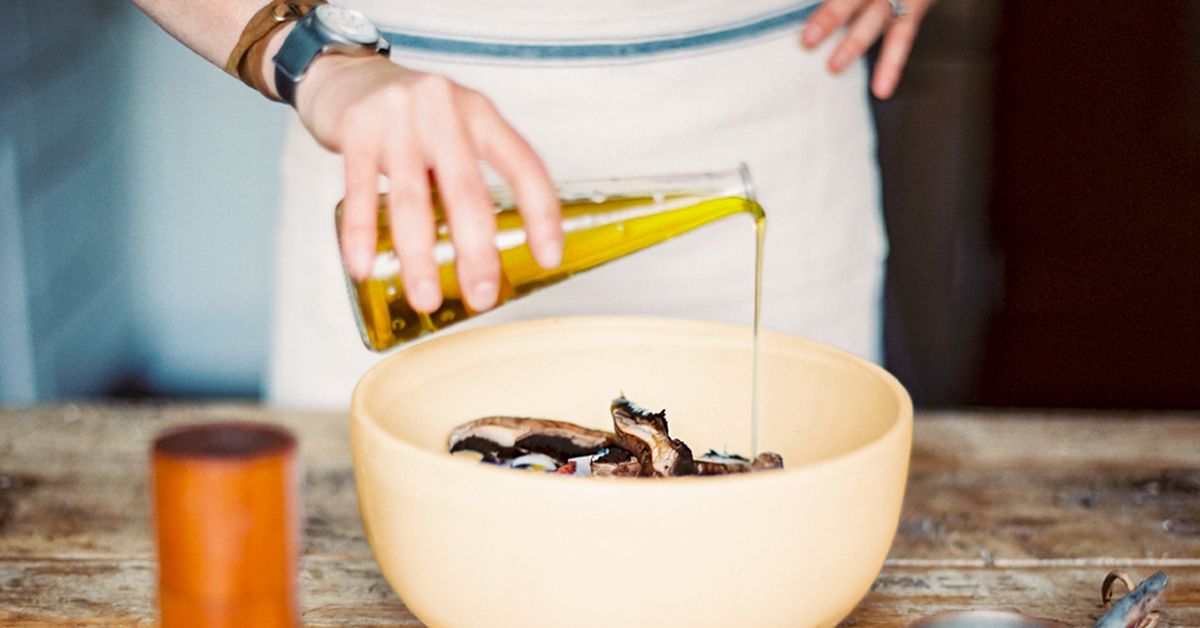
Olive oil is rich in monounsaturated fat, which can replace saturated fats from butter, lard, shortening, fatty meat, and some full-fat dairy products. Canola, peanut, sunflower, soybean, and other non-tropical vegetable oils can also fit into a heart-healthy eating pattern.
The important word is replace. Pouring olive oil over a cheeseburger does not cancel the cheeseburger. Use it in place of butter when sautéing vegetables, preparing salad dressing, roasting potatoes, or dipping whole-grain bread.
2. Fatty Fish
Salmon, sardines, trout, herring, mackerel, and anchovies provide omega-3 fatty acids. Omega-3 fats are especially helpful for reducing elevated triglycerides and supporting cardiovascular health. Some dietary patterns that include fatty fish may also produce modest improvements in HDL.
The American Heart Association recommends eating two servings of fish per week, particularly fatty fish. Choose grilled, baked, broiled, or air-fried fish more often than heavily breaded or deep-fried versions. A salmon fillet is heart-friendly; a fish-shaped delivery system for fried batter is less impressive.
Medical basis:
3. Nuts and Seeds
Walnuts, almonds, pistachios, pecans, peanuts, chia seeds, flaxseeds, pumpkin seeds, and sunflower seeds provide unsaturated fats, plant protein, fiber, and other beneficial nutrients.
A practical serving is a small handful of unsalted nuts or one to two tablespoons of seeds. Portion awareness matters because nuts are nutritious but calorie-dense. Eating them directly from a family-size container while watching television can turn “heart-healthy snack” into “where did 1,200 calories go?”
4. Avocados
Avocados contain monounsaturated fat and fiber. Try adding avocado to whole-grain toast, salads, bean bowls, tacos, sandwiches, or scrambled eggs. It can replace mayonnaise, creamy sauces, or some cheese in many meals.
Avocado is useful, but it is not required for healthy cholesterol. People who dislike itor who are tired of watching it turn brown approximately seven minutes after being cutcan obtain similar unsaturated fats from olive oil, nuts, seeds, and fish.
5. Beans and Lentils
Black beans, chickpeas, kidney beans, navy beans, split peas, and lentils are rich in soluble fiber. Soluble fiber forms a gel-like material in the digestive system and can help reduce the absorption and recirculation of cholesterol.
Beans may not dramatically raise HDL, but they can lower LDL and improve the overall cholesterol picture. They also provide plant protein that can replace processed meat or fatty cuts of red meat.
Add beans to soups, salads, chili, burrito bowls, pasta dishes, or grain bowls. Canned beans are perfectly respectable; rinse them to remove some of the sodium.
6. Oats, Barley, and Whole Grains
Oats and barley contain beta-glucan, a type of soluble fiber associated with lower LDL cholesterol. Brown rice, quinoa, farro, whole-wheat bread, and other minimally processed grains provide additional fiber and nutrients.
Again, these foods are more famous for lowering LDL than raising HDL. That is not a disappointment. Lowering artery-clogging cholesterol is one of the most reliable ways to reduce cardiovascular risk.
For breakfast, try oatmeal topped with berries, walnuts, and cinnamon. It is less dramatic than a frosted pastry, but your arteries are not evaluating breakfast based on special effects.
Medical basis:
7. Fruits and Vegetables
Vegetables and fruits provide fiber, potassium, antioxidants, vitamins, and a great deal of chewing for relatively few calories. They support weight management and can displace foods higher in refined carbohydrates, sodium, saturated fat, and added sugar.
Berries, apples, citrus fruits, pears, leafy greens, broccoli, carrots, peppers, tomatoes, and eggplant are all strong choices. Frozen produce is also nutritious, convenient, and less likely to become a forgotten science experiment in the refrigerator drawer.
8. Soy Foods
Tofu, tempeh, edamame, and unsweetened soy milk provide plant protein and can replace meats high in saturated fat. Soy foods are not miracle HDL boosters, but substitutions matter. A tofu stir-fry cooked with vegetables and a modest amount of unsaturated oil generally supports a healthier lipid profile than processed sausage with a side of fries.
Foods and Ingredients to Limit
Saturated Fat
Saturated fat is found in fatty cuts of meat, bacon, sausage, butter, cream, many cheeses, dairy desserts, coconut oil, palm oil, and numerous baked or fried foods. Eating large amounts can raise LDL cholesterol.
This does not mean every food containing saturated fat is permanently banned. The goal is to reduce frequency, improve portions, and replace saturated fat with unsaturated fatnot with refined carbohydrates or added sugar.
Trans Fat
Artificial trans fats raise LDL and can adversely affect cardiovascular health. The use of partially hydrogenated oils has been largely removed from the U.S. food supply, but checking ingredient lists is still reasonable, especially on imported foods, shelf-stable baked goods, frostings, and shortening-based products.
Refined Carbohydrates and Added Sugars
Sugary drinks, candy, sweetened cereals, pastries, white bread, and other highly refined carbohydrates can contribute to weight gain, insulin resistance, and high triglycerides. High triglycerides frequently travel with low HDL as an unwelcome package deal.
Replace sugary drinks with water, sparkling water, or unsweetened beverages. Choose whole fruit more often than juice, and select whole grains instead of refined grains when practical.
Medical basis:
Should You Drink Alcohol to Raise HDL?
Moderate alcohol consumption has been associated with higher HDL levels in observational research. That does not make alcohol a cholesterol treatment.
Alcohol can raise blood pressure and triglycerides, disrupt sleep, interact with medications, contribute to liver disease, increase the risk of certain cancers, and lead to dependence or injury. Drinking more is not a clever HDL hack. It is simply drinking more.
People who do not drink should not start drinking to increase HDL. Those who already drink should discuss safe limits with a healthcare professional, particularly if they have liver disease, high triglycerides, diabetes, heart rhythm problems, take interacting medications, are pregnant, or have difficulty controlling alcohol intake.
Medical basis:
A Sample Day of Heart-Healthy Eating
A cholesterol-friendly menu does not have to taste like a stack of medical pamphlets. Here is one practical example:
- Breakfast: Oatmeal with blueberries, ground flaxseed, walnuts, and unsweetened milk.
- Morning snack: An apple with a tablespoon of peanut butter.
- Lunch: A lentil and vegetable soup with a mixed-green salad dressed with olive oil and vinegar.
- Afternoon snack: Plain yogurt with berries or a small handful of almonds.
- Dinner: Baked salmon, roasted broccoli, and barley or brown rice.
- Dessert: Fresh fruit, a small piece of dark chocolate, or both if the day has been unusually dramatic.
The menu can be adjusted for vegetarian, vegan, gluten-free, culturally specific, and budget-conscious diets. The pattern matters more than copying an exact list.
Lifestyle Habits That Support Healthy HDL
Get Regular Aerobic Exercise
Physical activity can modestly raise HDL while improving blood pressure, insulin sensitivity, triglycerides, fitness, and weight control. Adults should generally aim for at least 150 minutes of moderate-intensity aerobic activity each week, plus muscle-strengthening activities on at least two days.
Brisk walking, cycling, swimming, jogging, dancing, rowing, and active sports all count. Exercise does not need to happen in one heroic session. Three 10-minute walks can be more realistic than waiting for a free hour that mysteriously never appears.
Add Resistance Training
Strength training supports muscle, bone health, glucose control, and long-term independence. A combination of aerobic and resistance exercise may be particularly helpful for improving cardiovascular risk factors.
Beginners can start with body-weight exercises, resistance bands, light dumbbells, or supervised machines. Anyone with chest pain, severe shortness of breath, uncontrolled blood pressure, or significant medical conditions should obtain medical guidance before beginning an intense program.
Medical basis:
Reach or Maintain a Healthy Weight
For people carrying excess body fat, even modest weight loss can improve triglycerides, insulin resistance, blood pressure, and sometimes HDL cholesterol. Crash diets are unnecessary and notoriously difficult to maintain. Gradual improvements in meals, portions, sleep, and activity are more useful than a seven-day plan involving lemon water and regret.
Quit Smoking and Avoid Nicotine
Smoking lowers HDL and directly damages blood vessels. Quitting can improve HDL, circulation, lung function, and overall cardiovascular risk. Vaping is not a heart-health strategy either, and exposure to secondhand smoke should be minimized.
Nicotine replacement products, prescription medications, counseling, quitlines, and structured programs may improve the likelihood of quitting successfully.
Medical basis:
Do Medications Raise HDL?
Some medications, including niacin and certain drugs used for high triglycerides, can increase HDL levels. However, clinical trials have repeatedly shown that raising HDL with medication does not necessarily reduce heart attacks or strokes.
For most patients, the proven medical priority is reducing elevated LDL cholesterol and managing total cardiovascular risk. Depending on a person’s risk, treatment may involve statins, ezetimibe, PCSK9-targeting therapies, bempedoic acid, or other medications.
Do not take high-dose niacin or “cholesterol support” supplements without medical supervision. Prescription-level niacin can cause flushing, itching, digestive problems, elevated blood sugar, liver injury, and interactions with other medications. A supplement sold next to multivitamins is not automatically harmless simply because the bottle includes a leaf.
Medical basis:
When Should Cholesterol Be Checked?
A lipid panel typically measures total cholesterol, LDL cholesterol, HDL cholesterol, and triglycerides. Many normal-risk adults should begin cholesterol screening at age 20 and repeat it every four to six years. Testing may be needed more often for people with abnormal results, diabetes, high blood pressure, obesity, kidney disease, tobacco exposure, cardiovascular disease, or a family history of early heart attacks or strokes.
Ask a healthcare professional to explain the complete panel rather than focusing on one number. Useful measurements may include:
- LDL cholesterol
- HDL cholesterol
- Triglycerides
- Non-HDL cholesterol
- Total cholesterol
- Calculated cardiovascular risk
- Lipoprotein(a) or apolipoprotein B in selected patients
A healthy HDL number does not cancel a dangerously high LDL level. Similarly, low HDL is not a personal failure. Genetics, diabetes, medications, smoking, body composition, activity level, and other biological factors can all influence it.
Medical basis:
Common Questions About Raising HDL
How quickly can HDL improve?
Changes may appear within weeks or months, but the response varies considerably. Genetics strongly influences HDL, so a person can follow excellent habits and still have a relatively low number. The health benefits of exercise, quitting smoking, and improving diet matter even when HDL barely moves.
Are eggs good or bad for HDL?
Eggs provide protein, vitamins, minerals, and dietary cholesterol. Their effects vary among individuals and depend on the rest of the diet. For many people, eggs can fit into a healthy eating pattern, particularly when they replace processed meat and are paired with vegetables or whole grains rather than bacon, sausage, butter, and oversized pastries.
Does coffee raise HDL?
Coffee is not a reliable HDL treatment. Unfiltered coffeesuch as boiled coffee, Turkish coffee, or French press coffeecontains compounds that may raise LDL cholesterol in some people. Paper-filtered coffee removes much of these compounds.
Is coconut oil good for HDL?
Coconut oil may raise HDL, but it can also raise LDL because it is high in saturated fat. Raising both numbers is not necessarily a cardiovascular victory. Olive, canola, and other unsaturated oils are generally better everyday choices.
Experiences From Building an HDL-Friendly Routine
Consider a typical experience shared by many adults after a routine physical. The person feels healthy, stays reasonably busy, and assumes cholesterol problems arrive with flashing warning lights. Then the laboratory report appears: HDL is low, triglycerides are elevated, and LDL is higher than expected. There were no symptoms, no dramatic chest-clutching moment, and no background violin musicjust numbers on a patient portal.
The first reaction is often to search for a single food that can “fix” HDL. Perhaps it is avocado, fish oil, red wine, coconut oil, or a supplement advertised by someone wearing a white coat of uncertain origin. The more productive turning point comes when the person realizes that cholesterol usually responds to patterns, not stunts.
Breakfast is often the easiest place to begin. A pastry and sweetened coffee may become oatmeal with berries and nuts several days a week. This does not require swearing lifelong loyalty to oatmeal. Eggs with vegetables, whole-grain toast with peanut butter, or plain yogurt with fruit can also work. The objective is to reduce refined carbohydrates and added sugar while adding fiber, protein, and healthier fats.
Lunch may change from fast food to leftovers, a bean-based soup, a tuna sandwich on whole-grain bread, or a salad that contains enough food to qualify as a meal. A bowl containing three lettuce leaves and emotional disappointment will not prevent an afternoon vending-machine expedition. Adding beans, chicken, tofu, salmon, nuts, or whole grains makes the meal more satisfying.
Movement is usually the next challenge. Many people imagine that improving cholesterol requires marathon training. In practice, a brisk 20- to 30-minute walk after dinner can become the habit that survives. At first, the walk may feel inconvenient. After several weeks, it begins to function as a boundary between work and evening life. Additional activityweekend cycling, resistance training twice a week, or taking stairscan gradually build on that foundation.
One useful lesson is that convenience determines consistency. Keeping frozen vegetables, canned beans, oats, nuts, olive oil, whole-grain bread, and fish in the kitchen makes heart-healthy decisions easier. Relying on heroic willpower at 7:30 p.m., while hungry and tired, usually ends with takeout menus.
Another common experience is disappointment when a follow-up test shows only a small increase in HDL. This is where proper interpretation matters. The same person may have lower triglycerides, lower LDL, improved blood pressure, a smaller waist measurement, better glucose control, and greater exercise capacity. Those changes are meaningful even if HDL moves only a few points.
Some people also discover that family history places limits on what lifestyle changes can accomplish. A nutritious diet and regular exercise are still valuable, but medication may be necessary to reduce LDL cholesterol adequately. Taking prescribed medication is not evidence that the person “failed” at healthy living. Genetics does not award prizes for effort.
The most sustainable routines leave room for normal life. A birthday meal, restaurant dinner, or holiday dessert does not destroy months of progress. The overall pattern matters. Returning to regular meals and activity at the next opportunity is more useful than turning one indulgence into a week-long nutritional farewell tour.
After several months, the greatest benefit may not be a spectacular HDL number. It may be a collection of quieter victories: walking without becoming winded, preparing more meals at home, sleeping better, having steadier energy, lowering triglycerides, controlling blood pressure, and understanding laboratory results without panic. That is what successful cholesterol management usually looks likenot perfection, but a routine that protects the heart and is ordinary enough to continue.
Conclusion
HDL cholesterol helps transport excess cholesterol toward the liver, but it is only one part of cardiovascular health. Instead of chasing a higher HDL number, focus on habits proven to improve the overall lipid profile and reduce heart risk.
Replace saturated fats with unsaturated fats, eat fish, nuts, seeds, beans, vegetables, fruits, and whole grains, limit refined carbohydrates and trans fats, exercise regularly, avoid tobacco, and maintain a weight that supports metabolic health. Have your complete cholesterol panel evaluated, and use medication when a qualified healthcare professional recommends it.
Most importantly, choose changes that can survive busy weekdays, restaurant meals, vacations, and the occasional argument with a bag of potato chips. A sustainable plan beats a perfect plan that lasts until Thursday.
Note: This article is intended for general education and is not a substitute for personalized medical advice. Cholesterol targets and treatment decisions depend on age, medical history, medications, family history, and overall cardiovascular risk. Consult a qualified healthcare professional before changing prescribed medication, beginning high-dose supplements, or starting a demanding exercise program.